
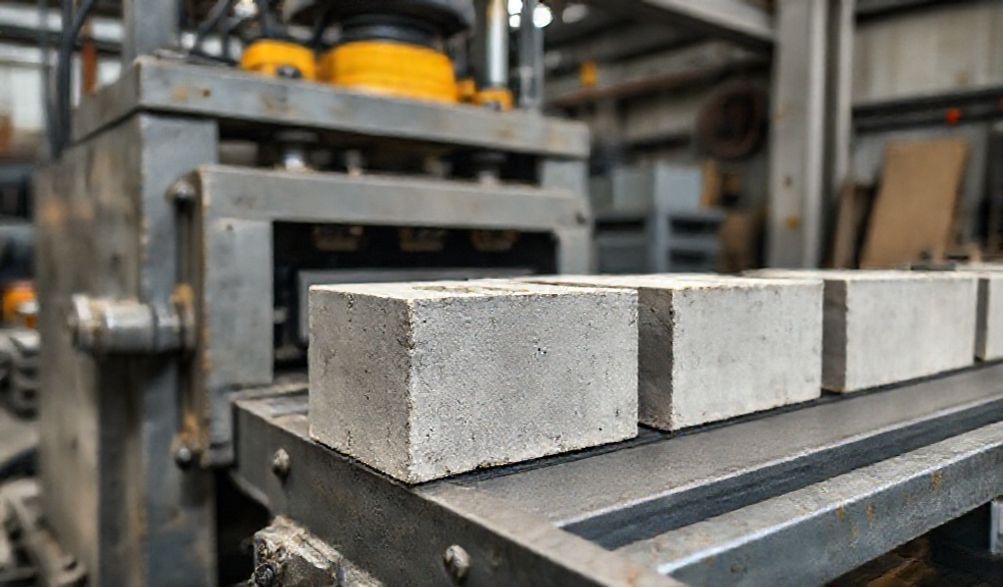
سعر آلة صنع الطوب: دليل المشتري الكامل لعام 2024
مقدمة
تخيل أنك تقف على قطعة أرض لمشروعك السكني القادم، أو ربما تكون في ورشة صغيرة تحلم بتوسيع أعمال مواد البناء الخاصة بك. الرؤية واضحة: إنتاج الطوب الخاص بك يعد بالتحكم في الجودة، واستقلالية سلسلة التوريد، ومصدر دخل جديد. ولكن بعد ذلك، يبرز السؤال العملي:كم سيكلف هذا؟يكشف بحث سريع عبر الإنترنت عن "سعر آلة صنع الطوب" عن نطاق محير يتراوح من بضعة آلاف إلى مئات الآلاف من الدولارات. كيف يمكنك التعامل مع هذا؟
كمحترف متمرس في هذه الصناعة، يمكنني أن أخبرك أن التركيز فقط على السعر الظاهر هو أسرع طريق لاستثمار ضعيف. التكلفة الحقيقية تكمن في القيمة الإجمالية على مدار العمر التشغيلي للآلة. تمت صياغة هذا الدليل بناءً على سنوات من تحليل مواصفات الشركات المصنعة، والتحدث مع أصحاب الأعمال، وفهم اقتصاديات إنتاج الطوب في العالم الحقيقي. هدفنا ليس مجرد سرد الأسعار، بل تمكينك من الإطار اللازم لاتخاذ قرار قائم على القيمة يتوافق مع أهدافك الإنتاجية وميزانيتك.
سنقوم بتحليل العوامل التي تحدد التكلفة، ونقدم نطاقات أسعار شفافة لعام 2024 لأنواع مختلفة من الآلات، ونكشف عن النفقات الخفية التي غالباً ما يتم تجاهلها، والأهم من ذلك، نشرح لك كيفية حساب الفترة التي ستسترد فيها استثمارك. بينما تتقلب الأسعار المحددة مع ظروف السوق، فإن مبادئ التقييم التي سنغطيها ستظل أداتك الأكثر قيمة. دعنا نتجاوز مجرد سعر الشراء ونؤسس لاستثمار مربح.
فهم العوامل التي تحدد سعر آلة صنع الطوب
تذبذب أسعار آلات صناعة الطوب ليس اعتباطياً. إنه انعكاس مباشر للهندسة والمواد والقدرة. فهم هذه المكونات هو الخطوة الأولى لفهم القيمة.
نوع الآلة الأساسي ومستوى الأتمتة
هذا هو المحرك الأكبر الوحيد للتكلفة. مستوى الأتمتة يحدد متطلبات العمالة، وسرعة الإنتاج، والتعقيد التشغيلي.
- الآلات اليدوية:تعمل بالكامل بواسطة العمالة البشرية في الخلط والتغذية والضغط.أقل تكلفة مقدمةلكن الأعلى تكلفة عمل مستمرةوأدنى إنتاج.
- الآلات شبه الآلية:هذه الآلات تحقق توازنًا. فهي تؤتمت عملية الضغط والقولبة الحرجة، غالبًا بنظام هيدروليكي أو ميكانيكي، لكنها قد تتطلب التغذية اليدوية للمواد الخام أو إزالة الكتل النهائية. وهذا يعزز الإنتاج بشكل كبير مع الحفاظ على استثمار أولي يمكن التحكم فيه.
- الآلات (أو المصانع) الآلية بالكامل:هذه خطوط إنتاج كاملة. فهي تدمج التغذية الآلية للمواد، والخلط، والتشكيل، والمعالجة، وأحياناً التكديس/التحميل على المنصات. ويقتصر دور العمالة بشكل أساسي على الإشراف والصيانة.استثمار أولي مرتفعيُبرر ذلك بالإنتاج الضخم وتكاليف العمالة المنخفضة لكل كتلة.
القدرة الإنتاجية (الكتل/الساعة):داخل كل فئة من فئات التشغيل الآلي، يتدرج السعر مع سعة الإنتاج. فآلة تنتج 1000 طوبة في الساعة ستكون تكلفتها أقل بكثير من آلة تنتج 5000 طوبة في الساعة، حتى لو كانت كلتاهما شبه آليتين. يجب دائمًا ربط السعة بسعة الإنتاج المثبتة.
المكونات الرئيسية وجودة التصنيع
قد تبدو الآلتان متشابهتين، لكن جودة مكوناتهما تحدد مدى طول العمر، وتكرار الصيانة، وثبات الطوب.
- جودة القالب والمواد:القالب يحدد المنتج النهائي. قوالب الصلب السبائكي عالي الكروم تقاوم تآكل الأسمنت والركام بشكل أفضل بكثير من الصلب الطري، مما يجعلها تدوم لسنوات أطول وتنتج طوبًا بحواف أكثر حدة. هذه الجودة تأتي بسعر أعلى.
- النظام الهيدروليكي مقابل النظام الميكانيكي:تقدم الأنظمة الهيدروليكية تحكمًا أكبر في الضغط، مما يؤدي إلى إنتاج طوب أكثر كثافة وقوة، وعادةً ما تكون أكثر متانة مع الاستخدام المستمر. وهي عادةً ما تكون أكثر تكلفة من أنظمة المكابس/الرافعة الميكانيكية البحتة، لكنها توفر أداءً واتساقًا متفوقين.
- الإطار والهيكلآلة مصممة للإنتاج عالي الحجم تحتاج إلى هيكل قوي ومقاوم للاهتزاز، غالباً ما يكون مصنوعاً من ألواح فولاذية مقواة. قد يوفر الهيكل الأخف وزناً التكلفة في البداية، لكنه سيؤدي إلى مزيد من التوقف عن العمل ومشاكل في المحاذاة.
العلامة التجارية، المنشأ، ودعم ما بعد البيع
- العلامات التجارية الدولية الفاخرة مقابل المصنعين المحليين الموثوقين:العلامات التجارية الأوروبية أو الأمريكية الشمالية الراسخة غالبًا ما تحقق أسعارًا أعلى بسبب البحث والتطوير المتقدم، ومراقبة الجودة الصارمة، والاعتراف العالمي بالعلامة التجارية. ومع ذلك، فإن العديد من المصنّعين في دول مثل الصين والهند وتركيا ينتجون الآنآلات عالية الجودة وموثوقةسعر أكثر تنافسية. المفتاح هو فحص الشركة المصنعة بدقة.
- التكلفة الحقيقية للدعمالآلة الرخيصة التي لا تتوفر لها دعم فني محلي أو تحتاج إلى انتظار لمدة 6 أشهر لقطع الغيار قد تتحول إلى ثقالة ورق باهظة الثمن. توفرالتدريب في الموقع، ضمان شامل (سنة واحدة فأكثر)، ومخزون جاهز من قطع الغيارهي جزء حاسم من معادلة القيمة. شبكة الدعم هذه لها تكلفة مدمجة في سعر الآلة.
نطاقات أسعار أنواع مختلفة من آلات تصنيع الطوب
(ملاحظة: الأسعار إرشادية لعام 2024 وقد تختلف بناءً على التكوين والعلامة التجارية والمنطقة. وهي تهدف إلى تقديم إطار للميزانية.)
الآلات اليدوية والصغيرة الحجم (النطاق الاقتصادي: 1,000 – 10,000 دولار)
- الأفضل لـ: Entrepreneurs starting a small business, community projects, producing specialty bricks (like landscape pavers) in low volume, or for on-site production on a single construction project.
- ما يمكن توقعه: These are often simple, mechanical press machines (like the popular “egg-laying” mobile types) or small stationary manual presses. Production is labor-intensive, with output ranging from 200 to 1,500 blocks per 8-hour day, depending on crew size.
- مثال: A basic manual concrete interlocking block machine might cost between $2,500 and $5,000.
Semi-Automatic Machines (Mid-Range: $10,000 – $50,000)
- الأفضل لـ: Growing block yards, medium-scale construction companies supplying their own projects, and businesses looking to seriously enter commercial production with a balanced investment.
- ما يمكن توقعه: This range includes robust stationary machines with hydraulic systems, automatic vibration and compression, and possibly automatic pallet feeders. Output can range from 800 to 3,000+ blocks per hour. You are paying for dramatically higher output and significantly reduced labor per block.
- مثال: A quality semi-automatic hydraulic machine producing hollow blocks, with a production capacity of 2,000 blocks per hour, could fall in the $25,000 – $40,000 range.
Fully Automatic Stationary Plants (High Investment: $50,000 – $250,000+)
- الأفضل لـ: Large-scale commercial brick and block manufacturing plants, major infrastructure contractors, or businesses aiming to dominate regional supply.
- ما يمكن توقعه: This is a complete factory in a line. It includes automatic batching plants, mixers, conveyor systems, the core brick machine, curing systems, and stackers. Labor is minimal (2-4 operators for the entire line). Production can easily exceed 5,000 to 10,000+ blocks per hour.
- Justifying the Cost: The ROI comes from unparalleled scale, minimal unit labor cost, and consistent, high-quality output that can secure large contracts.
آلات صنع الطوب المتنقلة
- Price Considerations: These specialized machines, mounted on a trailer for on-site production, typically fall into the $15,000 – $60,000 range. Their price is driven by their unique value: eliminating transport costs for finished blocks. A medium-capacity mobile hydraulic block maker might cost $30,000-$40,000.
The Hidden Costs of Owning a Brick Making Machine
The invoice price is just the beginning. A savvy buyer budgets for the total cost of ownership.
Installation, Foundation, and Utilities
- Site Preparation: A stationary plant, especially a large automatic one, requires a level, reinforced concrete foundation. This is a significant civil work cost.
- متطلبات الطاقة: Semi- and fully-automatic machines often require three-phase industrial power supply. Upgrading your site’s electrical infrastructure can be costly.
- Utilities: Factor in the ongoing cost of electricity and water for the production process.
Raw Material Handling Systems
The machine itself needs to be fed. Costs can include:
* Feeders and Hoppers
* Pan or Twin-Shaft Mixers ($3,000 – $20,000+)
* Conveyor Belts to transport raw material or finished blocks.
* Curing Racks or Chambers.
Operational Costs: Labor, Power, and Maintenance
- العمل Even automatic plants need skilled operators and maintenance staff.
- استهلاك الطاقة Hydraulic systems and vibrators are power-hungry; calculate your local industrial electricity rate.
- الصيانة الوقائية: Regular oil changes, filter replacements, and part inspections are essential to avoid catastrophic breakdowns.
Spare Parts and Consumables (Molds, Pallets)
- القوالب: Even the best molds wear out. Budget for replacement molds specific to your brick designs.
- البالتات: The steel or wooden pallets that bricks cure on undergo constant wear and need periodic replacement.
- Standard Spare Parts: Keep an inventory of common wear parts like hydraulic seals, vibration motor bearings, and springs.
How to Get the Best Value for Your Investment
Define Your Needs Clearly: A Self-Assessment
Answer these questions before you look at a single price:
* حجم الإنتاج: What is your daily/weekly block requirement now? In 2 years?
* أنواع الطوب: Do you need to produce solid, hollow, interlocking, or paving blocks?
* المواد الخام: Will you use concrete, fly ash, clay, or soil?
* Available Space & Power: What are the physical and electrical constraints of your site?
* الميزانية الإجمالية: What is your realistic budget, including hidden costs (add 20-30% to machine price)?
Where to Source: Direct Manufacturers, Local Dealers, or Import?
- Direct from Manufacturer (Overseas): Often the lowest FOB price. Risks: Complex logistics, customs clearance, potential language barriers, and uncertain after-sales support.
- Local Dealer/Distributor: Higher price, but includes import handling, local warranty, technical support, and spare parts inventory. This is often the best value for security.
- Local Manufacturer: Supports the local economy and minimizes logistics headaches. Compare their quality and specs rigorously against international standards.
Key Questions to Ask Before You Buy
- “What is included in the quoted price? (Delivery, installation, training?)”
- “What is the warranty period and what does it specifically cover?”
- “What is the lead time for critical spare parts, and are they stocked locally?”
- “Can you provide contact information for 2-3 current customers in a similar climate/region?”
- “Do you offer installation supervision and operator training?”
The Importance of Seeing a Demo or Visiting a Plant
If possible, always see the machine running. A video is not enough. Witness the build quality, noise level, ease of operation, and the quality of the finished blocks. Visit an existing customer’s plant to hear unfiltered feedback.
Calculating ROI: When Will Your Machine Pay for Itself?
This is the most critical calculation for your business plan.
A Simple ROI Framework
The core question is: How long until my net profit from the machine covers its total cost?
Simplified Formula:
Payback Period (Months) = Total Investment Cost / (Monthly Gross Profit - Monthly Operational Costs)
- Total Investment Cost: Machine price + shipping + installation + initial spare parts.
- Monthly Gross Profit: (Number of blocks sold per month * Profit per block).
- Monthly Operational Costs: Labor + raw materials + power + maintenance.
Case Study Examples
-
Scenario A (Semi-Auto Machine):
- Investment: $35,000
- Monthly Net Profit (after all ops costs): $3,500
- Payback: $35,000 / $3,500 = 10 months.
-
Scenario B (Small Manual Machine):
- Investment: $5,000
- Monthly Net Profit: $800
- Payback: $5,000 / $800 = 6.25 months. (While faster, the absolute profit ceiling is much lower).
Factors That Accelerate ROI
- High Local Demand & Stable Pricing
- Low-Cost, Consistent Raw Material Supply
- Efficient Operation minimizing waste and downtime.
- Diversified Product Range (making multiple block types for different markets).
Frequently Asked Questions (FAQ) About Brick Making Machine Prices
Q1: What is the cheapest brick making machine available?
أ: You can find small, manual press machines online for as low as $1,000-$2,000. However, “cheapest” is rarely the best value. Consider production limits and high physical labor costs. It’s better to define the minimum viable output you need and find the most reliable machine in that budget.
Q2: Is it cheaper to import a machine from overseas?
أ: The FOB (Free on Board) price may be lower, but you must add shipping, insurance, import duties, customs clearance fees, and local agent charges to get the “landed cost.” Often, the 15-30% savings on the base price is erased by these fees and the long-term risk of poor local support.
Q3: Can I get a good quality machine under $5,000?
أ: In this budget, you are firmly in the manual machine category. You can get a decent quality manual machine for producing concrete blocks or pavers. For any form of automatic operation, this budget is unrealistic. Focus on build quality and mold material from reputable small-scale manufacturers.
Q4: Does a higher price always mean better quality?
أ: Generally, yes—you pay for better components, engineering, and support. However, it’s not an absolute rule. Always cross-reference the price with the specifications (hydraulic pressure, motor power, production capacity), component brands (e.g., known hydraulic pump brands), and the depth of after-sales service. A mid-priced machine with excellent support can be better value than a premium machine with none.
Q5: Are there financing options available for these machines?
أ: Yes. Many established manufacturers offer in-house financing or leasing plans. Local banks also provide equipment loans for industrial machinery. Some government agricultural or small-business development schemes also offer grants or subsidized loans for such capital investments. Always inquire directly.
خاتمة
Navigating the world of brick making machine prices is less about finding the lowest number and more about identifying the highest long-term value. The “right” price is the one that aligns with your production goals, operational capacity, and growth trajectory, ensuring the machine is an asset that drives profit, not a liability that drains it.
Your path forward is clear. Use the self-assessment checklist in this guide to crystallize your needs. Get detailed, specification-based quotes from at least three reputable suppliers—comparing not just price, but warranty, support, and delivery terms. Prioritize those who offer robust after-sales service. If the numbers align, request a custom ROI projection based on your local market conditions.
Remember, this purchase is the foundation of your production capability. Investing time in thorough due diligence now will pave the way for a sustainable and profitable brick-making business for years to come. Take this guide, use it as your roadmap, and make your investment with confidence.
<