
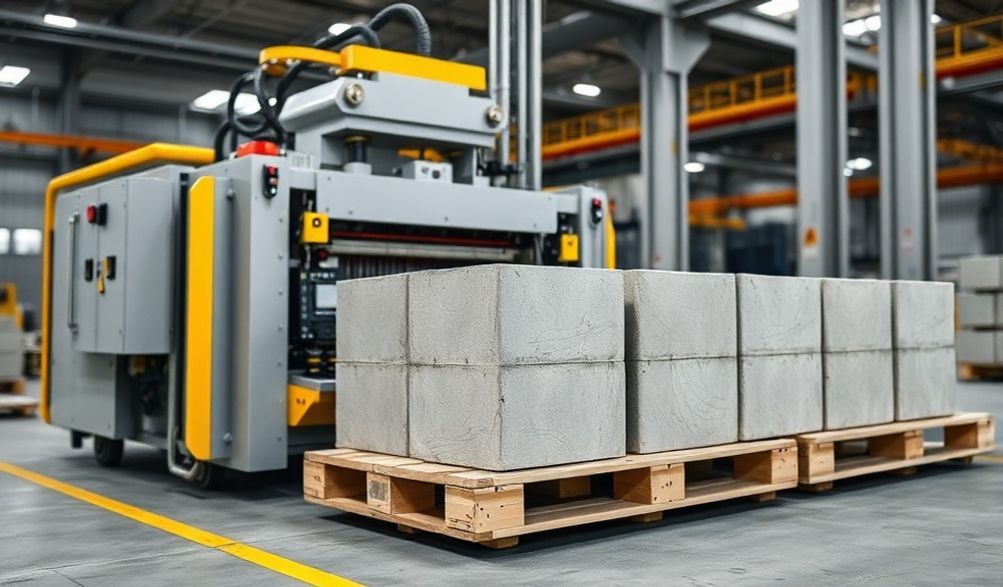
سعر ماكينة صناعة الطوب: دليل المشتري الشامل لعام 2024
يمكن أن يكون العثور على ماكينة صنع الطوب المناسبة أمرًا مربكًا، خاصة عندما تتراوح الأسعار بين بضعة آلاف إلى أكثر من مائة ألف دولار. كيف تعرف ما الذي تدفع مقابله حقًا؟ هل الماكينة الأرخص صفقة جيدة أم ستسبب متاعب مستقبلية؟ إن العدد الهائل من الخيارات يمكن أن يشل حتى صاحب العمل الأكثر حسمًا.
يقطع هذا الدليل الشامل عبر الضبابية. سنقوم بتفصيل العوامل الدقيقة التي تحدد أسعار آلات صنع الطوب، ومقارنة أنواعها المختلفة ونطاقات تكلفتها الواقعية، وكشف التكاليف المخفية غالبًا للملكية. هدفنا هو تحويلك من مشترٍ حائر إلى مستثمر واعٍ، مجهزًا لاتخاذ قرار يعظم عائد استثمارك (ROI) لسنوات قادمة.
بنهاية دليل "سعر ماكينة صنع الطوب" هذا، سوف تفهم بوضوح العوامل الرئيسية المؤثرة على السعر، وتكون قادرًا على مقارنة الموديلات والموردين بدقة، ووضع ميزانية للمشروع تعكس التكلفة الحقيقية لمشروعك. دعونا نبدأ.
العوامل الرئيسية التي تحدد أسعار آلات صناعة البلوك
سعر آلة صنع الطوب ليس اعتباطياً. إنه انعكاس مباشر لقدراتها، ومتانتها، والتكنولوجيا الموجودة داخلها. فهم هذه العوامل الأساسية هو الخطوة الأولى لإجراء عملية شراء ذكية.
القدرة الإنتاجية والإنتاج
أهم محرك للأسعار هو عدد الكتل التي يمكن للآلة إنتاجها، ويتم قياس ذلك عادةً بعدد الكتل في الساعة أو في نوبة العمل التي تستمر ثماني ساعات.
- ارتباط مباشرهناك علاقة شبه خطية بين الإنتاج والسعر. فآلة مصممة لإنتاج 2000 قطعة يومياً ستكلف أقل بكثير من تلك المصممة لإنتاج 10000 قطعة يومياً.
- طيف المقياس:الآلات اليدوية قد تنتج بضع مئات من البلوكات يوميًا مع طاقم عمل. بينما يمكن للآلات شبه الآلية رفع هذا الإنتاج إلى عدة آلاف. أما خطوط الإنتاج الآلية بالكامل فهي مصممة لإنتاج عشرات الآلاف من البلوكات يوميًا، ومن هنا يأتي سعرها المرتفع.
مستوى الأتمتة
الأتمتة هي محرك الكفاءة والتكلفة على حد سواء. الطيف واضح:يدوي < شبه آلي < آلي بالكامل.
- الآلات اليدوية:أقل تكلفة مبدئية، وأعلى تكلفة طويلة الأجل للعمالة. فهي تتطلب جهدًا بدنيًا كبيرًا للخلط والتغذية والصب.
- الآلات شبه الآلية:استثمار وسطي. فهي تؤتمت عمليات الضغط والاهتزاز الحرجة، غالبًا بأنظمة هيدروليكية، لكنها قد تتطلب التغذية اليدوية للمواد الخام أو إزالة الكتل النهائية.
- آلات أوتوماتيكية بالكامل:أعلى تكلفة أولية، لكنها تحول ديناميكيات العمل. تتميز هذه الأنظمة بالتحكم الآلي في خلط المواد، والمزج، والتشكيل، والمعالجة، والتراصف. المقايضة واضحة: استثمر رأس مال أكبر مقدمًا لتوفير كبير في تكاليف العمالة وتحقيق اتساق إنتاجي لا مثيل له.
نوع الماكينة ومواصفات الكتلة
ليست كل آلات صناعة الطوب متساوية. نوع الطوب الذي تحتاج إلى إنتاجه هو الذي يحدد تصميم الآلة وتعقيدها.
- آلات صناعة البلوك المجوف:شائعة وغالبًا ما تكون الأساس في التسعير.
- آلات الرصف، والتشابك، وحجر الرصيفتتطلب هذه القوالب المتخصصة وأنماط الاهتزاز المختلفة في بعض الأحيان، مما يزيد التكلفة.
- آلات متعددة الأغراض:يمكن للآلات القادرة على إنتاج أنواع متعددة من الكتل عبر تغيير القوالب أن تكون أكثر تنوعًا، لكنها أيضًا أكثر تكلفة من الوحدات أحادية الغرض.
- تعقيد القالبالتصميمات المعقدة (مثل أحجار الرصف الزخرفية) تتطلب قوالب فولاذية صلبة ومهندسة بدقة، والتي تُشكل عنصر تكلفة رئيسياً.
- الميزات الخاصةإضافات مثل موزعات الألوان الأوتوماتيكية لأحجار الرصف أو خلاطات الخرسانة المدمجة ستزيد من السعر الأساسي.
سمعة العلامة التجارية وبلد المنشأ
حيث يتم بناء الآلة ومن يبنيها يحمل تأثيرًا على السعر مرتبطًا بالجودة المتصورة والابتكار والدعم.
- العلامات التجارية العالمية الراسخة (مثل الألمانية والإيطالية والأمريكية):اطلب سعرًا متميزًا. أنت تستثمر في عقود من الخبرة الهندسية، والمواد عالية الجودة، والاختبارات الصارمة، وعادةً شبكة عالمية لخدمات ما بعد البيع وقطع الغيار. وهذا يترجم إلى موثوقية وتقليل وقت التوقف عن العمل.
- الشركات المصنعة في الأسواق الناشئة (مثل الهند، الصين، تركيا):تقديم أسعار تنافسية للغاية. عرض القيمة قوي، لكن العناية الواجبة ضرورية. المفتاح هو فحص الشركة المصنعة المحددة من أجل:
- جودة المكونات (الأنظمة الهيدروليكية والكهربائية).
- توفر الوثائق التقنية المفصلة.
- استجابة خدمة ما بعد البيع وسلسلة توريد قطع الغيار لديهم.
نطاقات أسعار آلات صنع الطوب حسب النوع (تقديرات 2024)
لنؤسس نقاشنا على نطاقات أسعار واقعية لعام 2024. تذكّر أن هذه تقديرات، فالتسعير النهائي يعتمد على العوامل المحددة المذكورة أعلاه ومورّدك.
الآلات اليدوية والصغيرة النطاق
- نطاق السعر:١٠٠٠ – ١٥٠٠٠ دولار
- مثالي لـ: Entrepreneurs starting a small business, community projects, or low-volume on-site production where labor costs are low.
- أمثلة: Manual “egg-laying” type machines (which produce blocks in place), small stationary machines with simple vibration motors.
آلات شبه آلية
- نطاق السعر:١٥٬٠٠٠ – ٥٠٬٠٠٠ دولارًا
- مثالي لـ: Growing block-making businesses, medium-scale production for local construction companies, or municipal works.
- أمثلة: Stationary machines with robust hydraulic systems for high-pressure compaction, possibly with automatic pallet feeders or block ejectors. Output can range from 1,000 to 5,000+ blocks per 8-hour shift.
Fully Automatic Machines & Production Lines
- نطاق السعر: $50,000 – $300,000+
- مثالي لـ: Large-scale commercial plants, industrial production supplying regional markets, or major infrastructure projects.
- أمثلة: These are complete systems. They include high-speed machines with pallet circulators, automatic material handling robots, programmable logic controller (PLC) panels, and sometimes integrated curing racks. Output can easily exceed 10,000 blocks per shift.
Beyond the Sticker Price: The True Cost of Ownership
The purchase price is just the entry ticket. The real cost of owning and operating a block making machine includes several critical, often overlooked, expenses.
Shipping, Installation, and Commissioning
A machine sitting in a port isn’t making you money. Budget for getting it to your site and making it operational.
- Incoterms Matter: Know the difference between FOB (التسليم على ظهر السفينة)والتكلفة والتأمين والشحن (CIF). FOB means you own and are responsible for the goods once they’re loaded on the ship; you arrange and pay for the main shipping and insurance. CIF means the supplier arranges and pays for shipping to your port.
- التكاليف الخفية: Don’t forget import duties, customs clearance fees, and local transport from the port to your factory.
- Technical Setup: Factor in the cost of foundation work, electrical hookup, and the potential need for a technician from the supplier for installation and commissioning. This service may be included or be an extra fee.
Operating Costs: Power, Labor, and Raw Materials
Your daily expenses will directly impact profitability.
- استهلاك الطاقة Fully automatic lines with multiple motors, hydraulics, and conveyors consume significant electricity. Request the machine’s power rating (in kW) to estimate this cost.
- العمل This is where automation pays off. A semi-automatic machine may need 3-4 operators, while a fully automatic line might run with 1-2. Calculate your local wage costs over 5 years.
- المواد الخام: The cost and quality of your concrete mix (cement, aggregates, water) is your largest recurring expense. A consistent, high-quality mix is non-negotiable for producing sellable blocks and protecting your machine from wear.
Maintenance, Spare Parts, and Downtime
This is the ultimate test of your machine’s value. A cheap machine with frequent breakdowns can be more expensive than a costly, reliable one.
- الصيانة الوقائية: Budget for regular oil changes, filter replacements, and wear-part inspections. A good supplier will provide a maintenance schedule.
- Critical Spare Parts: Identify and keep a small inventory of parts most prone to failure (e.g., specific hydraulic seals, vibration motor bearings, mold liners). The lead time to get these parts can mean days of lost production.
- The Cost of Downtime: When your machine stops, your revenue stops. The true value of a reliable brand or a supplier with excellent local service is measured in uptime.
How to Get the Best Value for Your Investment
Value isn’t about finding the lowest price; it’s about optimizing the balance between cost, performance, and reliability for your specific needs.
Accurately Assessing Your Needs
Start with a business plan, not a brochure. Ask yourself:
- What is my realistic daily and monthly production target in Year 1? Year 3?
- What specific block types (hollow, solid, paver) does my local market demand?
- What is the selling price for these blocks in my area?
- What is my available budget, including a 15-20% contingency for shipping and setup?
Vetting Suppliers and Requesting Quotes
Treat this like hiring a key business partner. Your supplier’s support is as important as the machine.
- Due Diligence Checklist:
- Request and contact customer references, especially those in a similar climate or region.
- اطلبdetailed videos of the machine in operation at their factory.
- Review the technical specification sheet line by line.
- Understand the warranty terms (duration, what’s covered, what’s not).
- Inquire about the availability and lead time for spare parts.
- Get Multiple Quotes: Ensure each quote is for the exact same specifications so you can make a true comparison.
Key Questions to Ask Before You Buy
Go beyond price. Use this script in your discussions:
- “Can you provide a performance guarantee for output (blocks per hour) and block strength?”
- “What is the standard and optional warranty? What is the process for making a claim?”
- “Do you provide on-site installation and operator training? Is it included or an extra cost?”
- “Can you share a list of recommended critical spare parts to keep in stock and their prices?”
- “What is the estimated power consumption of this model?”
الأسئلة الشائعة (FAQ)
What is the cheapest block making machine available?
The absolute cheapest options are small, manual press machines, which can start around $1,000. However, it’s crucial to understand the trade-offs: extremely low output, high physical labor requirements, and limited block quality consistency. For a business, focusing on “value for money” rather than the “cheapest price” is a far more sustainable strategy.
Can I get a good automatic block machine under $20,000?
You need to set realistic expectations. A brand-new, high-quality, fully automatic production line is highly unlikely in this price range. However, a robust آلة شبه آلية with good output or a basic automatic machine from certain emerging markets may fall within this bracket. The key is to intensify your supplier vetting—scrutinize build quality, component brands, and service promises.
How much profit can I make with a block making machine?
Profitability isn’t guaranteed by the machine alone; it’s determined by your market, efficiency, and management. A simplified way to think about it is your break-even volume. Calculate: Machine Total Investment / (Selling Price per Block - Production Cost per Block) = Number of blocks to break even. Your production cost includes raw materials, labor, power, and maintenance. Profit depends on how efficiently you can produce and sell blocks beyond this volume.
Are used block making machines a good option to save money?
They can be, but they carry risk. مزايا: Significantly lower upfront capital cost. سلبيات: Potential for hidden mechanical issues, outdated technology, higher energy consumption, and likely no warranty. If considering used, it is highly recommended to have the machine inspected by an independent, qualified technician. Also, ensure critical spare parts are still available for that model.
خاتمة
Navigating the “block making machine price” landscape requires looking beyond the initial quote. As we’ve detailed, the final price is a direct function of production capacity, level of automation, machine type, and the brand’s reputation for support. The most cost-effective choice is rarely the cheapest one; it’s the machine that aligns perfectly with your production goals and offers the lowest total cost of ownership through reliability and efficiency.
Investing in a block making machine is a significant decision that forms the foundation of your business. By focusing on your specific needs, conducting thorough supplier due diligence, and planning for all associated costs, you can select equipment that becomes a profitable and reliable cornerstone of your operation for years to come.
Ready to move forward? Download our free Project Planning & Budget Worksheet to systematically organize your requirements, compare quotes, and build a realistic financial model for your block-making venture.
<