
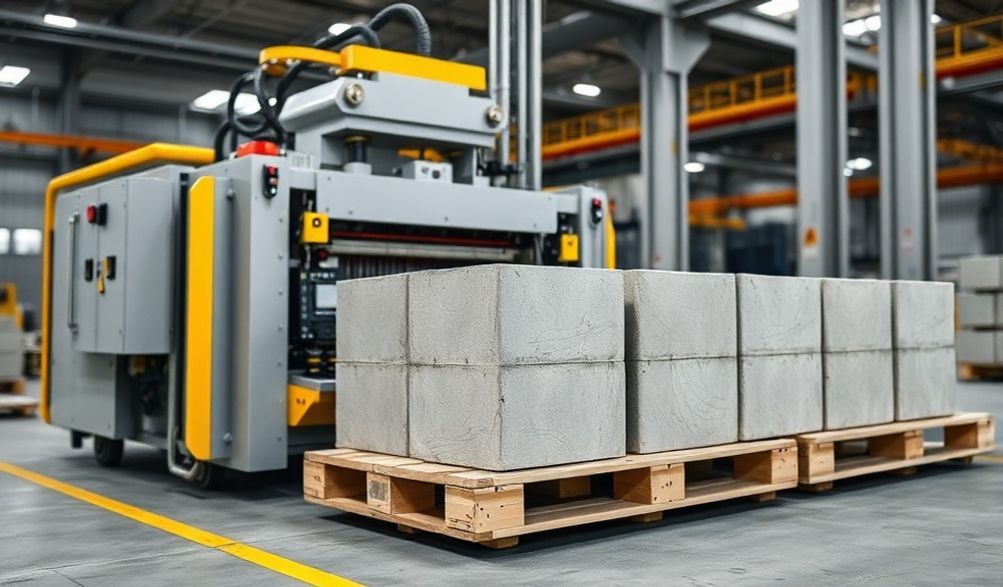
Machina ad Lateres Faciendos Pretium: Totum Emptoris Ductorium 2024
Machinam fabricandorum laterum aptam invenire opprimens videri potest, praesertim cum pretia a paucis milibus usque ad super centum milia dollariorum varient. Quomodo scis quid vere emas? Num machina viliore parsimonia an futura vexatio est? Multitudo ipsa optionum etiam certissimum negotiatorem debilitare potest.
Hic liber manualis omnem ambiguitatem secat. Praecisa elementa quae pretia machinarum ad lateres faciendos determinant resolvemus, varia genera eorumque reales pretiorum ambitus comparabimus, et saepe occultas possessionis impensas revelabimus. Propositum nostrum est te ex emptore confuso in investitorem instructum convertere, qui paratus sit ad decisionem capiendam quae reditum investitionis (ROI) tuum in annos futuros quam maxime augeat.
Hoc "machinae ad lateres faciendos pretium" duce finito, clarissime intelleges pretii impulsiones praecipuas, exemplaria et suppeditatores accurate comparare poteris, et rationem sumptus proiecti creabis quae verum sumptus tui conatus exprimit. Incipe.
Claves Factores qui Pretia Machinae Formandi Laterum Determinant
Pretium machinae laterum faciendorum non est fortuitum. Directe eius facultates, firmitatem, et technologiam intus refert. Haec fundamenta intellegere primus gradus est ad emptionem prudentem faciendam.
Productio Capacitas & Effectus
Maximus pretii impulsor est quot caudices machina efficere possit. Hoc plerumque metitur caudicibus per horam vel per octo horarum vicem.
- Directa CorrelatioPrope linearem necessitudinem inter effectum et pretium est. Machina ad duo milia caudicum cotidie efficienda destinata multo minoris constabit quam ea quae ad decem milia caudicum cotidie efficienda fabricata est.
- Scala Spectrum:Machinae manuales paucis centenis laterculis per diem cum opera efficere possunt. Semiautomaticae machinae hunc numerum ad aliquot milia augere possunt. Plene automaticae productionis lineae ad decem milia laterculorum cotidie fabricanda excogitatae sunt, unde pretium eorum excellens est.
Gradus Automationis
Automationis est machina et efficaciae et sumptus. Spectrum patet:Manuale < Semi-Automaticum < Plene Automaticum.
- Machina Manualia:Minima impensa prima, summa diuturna opera impensa. Magnum corporis laborem requirunt ad miscendum, pascendum, et formandum.
- Semiautomaticae Machinae:Investitio media. Processus criticos compressionis et vibrationis plerumque per systemata hydraulica automata reddunt, sed materiae crudae iniectionem aut laterum confectorum ablationem manualem requirere possunt.
- Machinamenta Plena Automata:Summa impensa initio, sed opera mutatiores reddunt. Haec systemata materiae automatam praeparationem, mixtionem, formam, curationem, ac congeriem includunt. Permutatio patet: plus pecuniae initio impende ut in operis sumptis multum serves et constantiam productionis singularem consequaris.
Machina Typus & Cunei Normae
Non omnes machinae laterum aequales creantur. Genus lateris quod producere debes, machinae dispositionem et multiplicitatem imperat.
- Machinae Laterum Cavorum:Communis et saepe fundamentum pretii.
- Pavimentum, Internexum, et Lapidis Marginis Machinae:Hae formae specialiores indigent et interdum varios motus vibrationis, pretium augentes.
- Machinae Multifariae:Machinae plures laterum species formis mutandis producendi magis versabiles, sed etiam magis pretiosae, quam singularis propositi machinae sunt.
- Complexitas FormaeMollia opera (ut lapides ornandi) formas ex aere durato subtiliter fabricatas requirunt, quae magnam pretii partem constituunt.
- Singulares ProprietatesAdditamenta, ut machinae ad colorem spargendum pro lapidibus sternendis, vel mixtores concreti inserti, ad pretium fundamentale adicient.
Fama Mercatus & Patria Originis
Ubi machina aedificatur et a quo aedificatur pretii implicationem fert, ad qualitatem perceptionem, innovationem, et subsidium alligatam.
- Signia Globalia Nota (exempli gratia Germanica, Italica, Americana) Command a premium price. You’re investing in decades of engineering expertise, high-grade materials, rigorous testing, and (typically) a global network for after-sales service and spare parts. This translates to reliability and minimized downtime.
- Emerging Market Manufacturers (e.g., Indian, Chinese, Turkish): Offer highly competitive pricing. The value proposition is strong, but due diligence is critical. The key is to vet the specific manufacturer for:
- Quality of components (hydraulics, electrical systems).
- Availability of detailed technical documentation.
- Responsiveness of their after-sales service and spare parts supply chain.
Block Making Machine Price Ranges by Type (2024 Estimates)
To ground our discussion, here are realistic price brackets for 2024. Remember, these are estimates—final pricing depends on the specific factors above and your supplier.
Machinae manuales et parvae scalae
- Pretii Spatium:Mille – quindecim milia dollariorum
- Idoneum Ad: Entrepreneurs starting a small business, community projects, or low-volume on-site production where labor costs are low.
- Exempla. Manual “egg-laying” type machines (which produce blocks in place), small stationary machines with simple vibration motors.
Machinae Semi-Automaticae
- Pretii Spatium:XV decies – L decies
- Idoneum Ad: Growing block-making businesses, medium-scale production for local construction companies, or municipal works.
- Exempla. Stationary machines with robust hydraulic systems for high-pressure compaction, possibly with automatic pallet feeders or block ejectors. Output can range from 1,000 to 5,000+ blocks per 8-hour shift.
Fully Automatic Machines & Production Lines
- Pretii Spatium: $50,000 – $300,000+
- Idoneum Ad: Large-scale commercial plants, industrial production supplying regional markets, or major infrastructure projects.
- Exempla. These are complete systems. They include high-speed machines with pallet circulators, automatic material handling robots, programmable logic controller (PLC) panels, and sometimes integrated curing racks. Output can easily exceed 10,000 blocks per shift.
Beyond the Sticker Price: The True Cost of Ownership
The purchase price is just the entry ticket. The real cost of owning and operating a block making machine includes several critical, often overlooked, expenses.
Shipping, Installation, and Commissioning
A machine sitting in a port isn’t making you money. Budget for getting it to your site and making it operational.
- Incoterms Matter: Know the difference between FOB (Liberum in Navi)etPretium, Securitas, et Vectura. FOB means you own and are responsible for the goods once they’re loaded on the ship; you arrange and pay for the main shipping and insurance. CIF means the supplier arranges and pays for shipping to your port.
- Absconditi Sumptus: Don’t forget import duties, customs clearance fees, and local transport from the port to your factory.
- Technical Setup: Factor in the cost of foundation work, electrical hookup, and the potential need for a technician from the supplier for installation and commissioning. This service may be included or be an extra fee.
Operating Costs: Power, Labor, and Raw Materials
Your daily expenses will directly impact profitability.
- Potestatis Consumptio: Fully automatic lines with multiple motors, hydraulics, and conveyors consume significant electricity. Request the machine’s power rating (in kW) to estimate this cost.
- Labor: This is where automation pays off. A semi-automatic machine may need 3-4 operators, while a fully automatic line might run with 1-2. Calculate your local wage costs over 5 years.
- Materiae Crudae The cost and quality of your concrete mix (cement, aggregates, water) is your largest recurring expense. A consistent, high-quality mix is non-negotiable for producing sellable blocks and protecting your machine from wear.
Maintenance, Spare Parts, and Downtime
This is the ultimate test of your machine’s value. A cheap machine with frequent breakdowns can be more expensive than a costly, reliable one.
- Custodia Praeventiva: Budget for regular oil changes, filter replacements, and wear-part inspections. A good supplier will provide a maintenance schedule.
- Critical Spare Parts: Identify and keep a small inventory of parts most prone to failure (e.g., specific hydraulic seals, vibration motor bearings, mold liners). The lead time to get these parts can mean days of lost production.
- The Cost of Downtime: When your machine stops, your revenue stops. The true value of a reliable brand or a supplier with excellent local service is measured in uptime.
How to Get the Best Value for Your Investment
Value isn’t about finding the lowest price; it’s about optimizing the balance between cost, performance, and reliability for your specific needs.
Accurately Assessing Your Needs
Start with a business plan, not a brochure. Ask yourself:
- What is my realistic daily and monthly production target in Year 1? Year 3?
- What specific block types (hollow, solid, paver) does my local market demand?
- What is the selling price for these blocks in my area?
- What is my available budget, including a 15-20% contingency for shipping and setup?
Vetting Suppliers and Requesting Quotes
Treat this like hiring a key business partner. Your supplier’s support is as important as the machine.
- Due Diligence Checklist:
- Request and contact customer references, especially those in a similar climate or region.
- Rogadetailed videos of the machine in operation at their factory.
- Review the technical specification sheet line by line.
- Understand the warranty terms (duration, what’s covered, what’s not).
- Inquire about the availability and lead time for spare parts.
- Get Multiple Quotes: Ensure each quote is for the exact same specifications so you can make a true comparison.
Key Questions to Ask Before You Buy
Go beyond price. Use this script in your discussions:
- “Can you provide a performance guarantee for output (blocks per hour) and block strength?”
- “What is the standard and optional warranty? What is the process for making a claim?”
- “Do you provide on-site installation and operator training? Is it included or an extra cost?”
- “Can you share a list of recommended critical spare parts to keep in stock and their prices?”
- “What is the estimated power consumption of this model?”
Interrogationes Saepius Petitae (ISP)
What is the cheapest block making machine available?
The absolute cheapest options are small, manual press machines, which can start around $1,000. However, it’s crucial to understand the trade-offs: extremely low output, high physical labor requirements, and limited block quality consistency. For a business, focusing on “value for money” rather than the “cheapest price” is a far more sustainable strategy.
Can I get a good automatic block machine under $20,000?
You need to set realistic expectations. A brand-new, high-quality, fully automatic production line is highly unlikely in this price range. However, a robust semiautomatica machina with good output or a basic automatic machine from certain emerging markets may fall within this bracket. The key is to intensify your supplier vetting—scrutinize build quality, component brands, and service promises.
How much profit can I make with a block making machine?
Profitability isn’t guaranteed by the machine alone; it’s determined by your market, efficiency, and management. A simplified way to think about it is your break-even volume. Calculate: Machine Total Investment / (Selling Price per Block - Production Cost per Block) = Number of blocks to break even. Your production cost includes raw materials, labor, power, and maintenance. Profit depends on how efficiently you can produce and sell blocks beyond this volume.
Are used block making machines a good option to save money?
They can be, but they carry risk. Pros: Significantly lower upfront capital cost. Incommodis: Potential for hidden mechanical issues, outdated technology, higher energy consumption, and likely no warranty. If considering used, it is highly recommended to have the machine inspected by an independent, qualified technician. Also, ensure critical spare parts are still available for that model.
Conclusio.
Navigating the “block making machine price” landscape requires looking beyond the initial quote. As we’ve detailed, the final price is a direct function of production capacity, level of automation, machine type, and the brand’s reputation for support. The most cost-effective choice is rarely the cheapest one; it’s the machine that aligns perfectly with your production goals and offers the lowest total cost of ownership through reliability and efficiency.
Investing in a block making machine is a significant decision that forms the foundation of your business. By focusing on your specific needs, conducting thorough supplier due diligence, and planning for all associated costs, you can select equipment that becomes a profitable and reliable cornerstone of your operation for years to come.
Ready to move forward? Download our free Project Planning & Budget Worksheet to systematically organize your requirements, compare quotes, and build a realistic financial model for your block-making venture.
<