
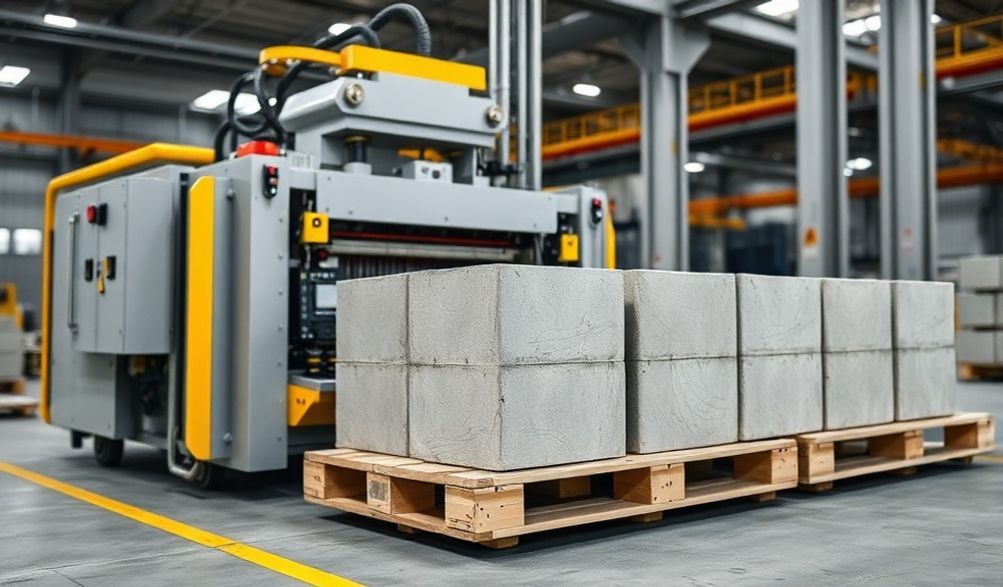
Harga Mesin Pembuat Blok: Panduan Lengkap untuk Pembeli di Tahun 2024
Menemukan mesin pembuat blok yang tepat bisa terasa membingungkan, terutama ketika harganya berkisar dari beberapa ribu hingga lebih dari seratus ribu dolar. Bagaimana Anda tahu apa yang sebenarnya Anda bayar? Apakah mesin yang lebih murah merupakan tawaran bagus atau justru masalah di masa depan? Banyaknya pilihan yang tersedia bisa membuat pemilik bisnis yang paling tegas sekalipun merasa bimbang.
Panduan komprehensif ini memotong semua kebingungan. Kami akan memecah faktor-faktor tepat yang menentukan harga mesin pembuat blok, membandingkan berbagai jenis dan kisaran biaya realistisnya, serta mengungkap biaya kepemilikan yang sering tersembunyi. Tujuan kami adalah mengubah Anda dari pembeli yang bingung menjadi investor yang terinformasi, dilengkapi untuk membuat keputusan yang memaksimalkan pengembalian investasi (ROI) Anda untuk tahun-tahun mendatang.
Di akhir panduan "harga mesin pembuat blok" ini, Anda akan memahami dengan jelas faktor-faktor utama penentu harga, mampu membandingkan model dan pemasok secara akurat, serta membuat anggaran proyek yang mencerminkan biaya sebenarnya dari usaha Anda. Mari kita mulai.
Faktor-Faktor Kunci yang Menentukan Harga Mesin Pembuat Blok
Harga pada mesin pembuat bata tidaklah sembarangan. Ini merupakan cerminan langsung dari kemampuan, daya tahan, dan teknologi yang ada di dalamnya. Memahami faktor-faktor inti ini adalah langkah pertama untuk melakukan pembelian yang cerdas.
Kapasitas & Output Produksi
Penggerak harga yang paling signifikan adalah berapa banyak blok yang dapat diproduksi oleh mesin. Ini biasanya diukur dalam blok per jam atau per shift 8 jam.
- Korelasi LangsungAda hubungan yang hampir linear antara output dan harga. Mesin yang dirancang untuk memproduksi 2.000 balok per hari akan berharga jauh lebih murah dibandingkan yang dibangun untuk 10.000 balok per hari.
- Spektrum Skala:Mesin manual mungkin menghasilkan beberapa ratus blok per hari dengan satu kru. Mesin semi-otomatis dapat meningkatkan produksi hingga beberapa ribu. Jalur produksi otomatis penuh dirancang untuk puluhan ribu blok setiap hari, sehingga harganya lebih mahal.
Tingkat Otomasi
Otomasi adalah mesin dari efisiensi dan biaya. Spektrumnya jelas:Manual < Semi-Otomatis < Sepenuhnya Otomatis.
- Mesin Manual:Biaya awal terendah, biaya tenaga kerja jangka panjang tertinggi. Mereka memerlukan upaya fisik yang signifikan untuk mencampur, memberi makan, dan mencetak.
- Mesin Semi-Otomatis:Investasi menengah. Mereka mengotomatisasi proses kompresi dan getaran yang kritis, seringkali dengan sistem hidrolik, tetapi mungkin memerlukan pengumpanan bahan baku atau pengangkatan blok jadi secara manual.
- Mesin Sepenuhnya Otomatis:Biaya awal tertinggi, namun mereka mengubah dinamika tenaga kerja. Sistem ini menampilkan pembuatan adonan material otomatis, pencampuran, pencetakan, pengerasan, dan penumpukan. Pertukarannya jelas: investasikan lebih banyak modal di awal untuk menghemat biaya tenaga kerja secara signifikan dan mencapai konsistensi produksi yang tak tertandingi.
Jenis Mesin & Spesifikasi Blok
Tidak semua mesin blok diciptakan setara. Jenis blok yang perlu Anda produksi menentukan desain dan kompleksitas mesinnya.
- Mesin Bata Ringan:Umum dan sering menjadi dasar untuk penetapan harga.
- Mesin Paving, Interlocking, dan Curbstone:Ini memerlukan cetakan yang lebih khusus dan terkadang pola getaran yang berbeda, sehingga meningkatkan biaya.
- Mesin Serbaguna:Mesin yang dapat memproduksi berbagai jenis blok dengan mengganti cetakan lebih serbaguna tetapi juga lebih mahal dibandingkan unit tujuan tunggal.
- Kompleksitas CetakanDesain yang rumit (misalnya, paving dekoratif) membutuhkan cetakan baja keras yang direkayasa dengan presisi, yang merupakan komponen biaya yang signifikan.
- Fitur Khusus:Fitur tambahan seperti dispenser warna otomatis untuk batu paving atau pengaduk beton terintegrasi akan menambah harga dasar.
Reputasi Merek & Negara Asal
Tempat mesin dibuat dan siapa yang membuatnya memiliki implikasi harga yang terkait dengan persepsi kualitas, inovasi, dan dukungan.
- Merek Global yang Mapan (misalnya, Jerman, Italia, AS):Tetapkan harga premium. Anda berinvestasi dalam puluhan tahun keahlian teknik, material berkualitas tinggi, pengujian ketat, dan (biasanya) jaringan global untuk layanan purna jual dan suku cadang. Ini berarti keandalan dan waktu henti yang diminimalkan.
- Produsen Pasar Berkembang (misalnya, India, Cina, Turki):Tawarkan harga yang sangat kompetitif. Proposisi nilainya kuat, tetapi uji tuntas sangat penting. Kuncinya adalah memeriksa secara mendetail pabrikan spesifik untuk:
- Kualitas komponen (sistem hidrolik, sistem kelistrikan).
- Ketersediaan dokumentasi teknis yang terperinci.
- Daya tanggap layanan purna jual dan rantai pasokan suku cadang mereka.
Kisaran Harga Mesin Pembuat Batako per Tipe (Perkiraan Tahun 2024)
Sebagai dasar diskusi kita, berikut adalah kisaran harga realistis untuk tahun 2024. Ingat, ini hanyalah perkiraan—harga akhir tergantung pada faktor-faktor spesifik di atas dan pemasok Anda.
Manual & Mesin Skala Kecil
- Kisaran Harga:$1.000 – $15.000
- Ideal Untuk: Entrepreneurs starting a small business, community projects, or low-volume on-site production where labor costs are low.
- Contoh: Manual “egg-laying” type machines (which produce blocks in place), small stationary machines with simple vibration motors.
Mesin Semi-Otomatis
- Kisaran Harga:$15.000 – $50.000
- Ideal Untuk: Growing block-making businesses, medium-scale production for local construction companies, or municipal works.
- Contoh: Stationary machines with robust hydraulic systems for high-pressure compaction, possibly with automatic pallet feeders or block ejectors. Output can range from 1,000 to 5,000+ blocks per 8-hour shift.
Fully Automatic Machines & Production Lines
- Kisaran Harga: $50,000 – $300,000+
- Ideal Untuk: Large-scale commercial plants, industrial production supplying regional markets, or major infrastructure projects.
- Contoh: These are complete systems. They include high-speed machines with pallet circulators, automatic material handling robots, programmable logic controller (PLC) panels, and sometimes integrated curing racks. Output can easily exceed 10,000 blocks per shift.
Beyond the Sticker Price: The True Cost of Ownership
The purchase price is just the entry ticket. The real cost of owning and operating a block making machine includes several critical, often overlooked, expenses.
Shipping, Installation, and Commissioning
A machine sitting in a port isn’t making you money. Budget for getting it to your site and making it operational.
- Incoterms Matter: Know the difference between FOB (Free On Board)danCIF (Biaya, Asuransi, dan Pengangkutan). FOB means you own and are responsible for the goods once they’re loaded on the ship; you arrange and pay for the main shipping and insurance. CIF means the supplier arranges and pays for shipping to your port.
- Biaya Tersembunyi: Don’t forget import duties, customs clearance fees, and local transport from the port to your factory.
- Technical Setup: Factor in the cost of foundation work, electrical hookup, and the potential need for a technician from the supplier for installation and commissioning. This service may be included or be an extra fee.
Operating Costs: Power, Labor, and Raw Materials
Your daily expenses will directly impact profitability.
- Konsumsi Daya: Fully automatic lines with multiple motors, hydraulics, and conveyors consume significant electricity. Request the machine’s power rating (in kW) to estimate this cost.
- Tenaga Kerja: This is where automation pays off. A semi-automatic machine may need 3-4 operators, while a fully automatic line might run with 1-2. Calculate your local wage costs over 5 years.
- Bahan Baku: The cost and quality of your concrete mix (cement, aggregates, water) is your largest recurring expense. A consistent, high-quality mix is non-negotiable for producing sellable blocks and protecting your machine from wear.
Maintenance, Spare Parts, and Downtime
This is the ultimate test of your machine’s value. A cheap machine with frequent breakdowns can be more expensive than a costly, reliable one.
- Pemeliharaan Preventif: Budget for regular oil changes, filter replacements, and wear-part inspections. A good supplier will provide a maintenance schedule.
- Critical Spare Parts: Identify and keep a small inventory of parts most prone to failure (e.g., specific hydraulic seals, vibration motor bearings, mold liners). The lead time to get these parts can mean days of lost production.
- The Cost of Downtime: When your machine stops, your revenue stops. The true value of a reliable brand or a supplier with excellent local service is measured in uptime.
How to Get the Best Value for Your Investment
Value isn’t about finding the lowest price; it’s about optimizing the balance between cost, performance, and reliability for your specific needs.
Accurately Assessing Your Needs
Start with a business plan, not a brochure. Ask yourself:
- What is my realistic daily and monthly production target in Year 1? Year 3?
- What specific block types (hollow, solid, paver) does my local market demand?
- What is the selling price for these blocks in my area?
- What is my available budget, including a 15-20% contingency for shipping and setup?
Vetting Suppliers and Requesting Quotes
Treat this like hiring a key business partner. Your supplier’s support is as important as the machine.
- Due Diligence Checklist:
- Request and contact customer references, especially those in a similar climate or region.
- Mintadetailed videos of the machine in operation at their factory.
- Review the technical specification sheet line by line.
- Understand the warranty terms (duration, what’s covered, what’s not).
- Inquire about the availability and lead time for spare parts.
- Get Multiple Quotes: Ensure each quote is for the exact same specifications so you can make a true comparison.
Key Questions to Ask Before You Buy
Go beyond price. Use this script in your discussions:
- “Can you provide a performance guarantee for output (blocks per hour) and block strength?”
- “What is the standard and optional warranty? What is the process for making a claim?”
- “Do you provide on-site installation and operator training? Is it included or an extra cost?”
- “Can you share a list of recommended critical spare parts to keep in stock and their prices?”
- “What is the estimated power consumption of this model?”
Pertanyaan yang Sering Diajukan (FAQ)
What is the cheapest block making machine available?
The absolute cheapest options are small, manual press machines, which can start around $1,000. However, it’s crucial to understand the trade-offs: extremely low output, high physical labor requirements, and limited block quality consistency. For a business, focusing on “value for money” rather than the “cheapest price” is a far more sustainable strategy.
Can I get a good automatic block machine under $20,000?
You need to set realistic expectations. A brand-new, high-quality, fully automatic production line is highly unlikely in this price range. However, a robust mesin semi-otomatis with good output or a basic automatic machine from certain emerging markets may fall within this bracket. The key is to intensify your supplier vetting—scrutinize build quality, component brands, and service promises.
How much profit can I make with a block making machine?
Profitability isn’t guaranteed by the machine alone; it’s determined by your market, efficiency, and management. A simplified way to think about it is your break-even volume. Calculate: Machine Total Investment / (Selling Price per Block - Production Cost per Block) = Number of blocks to break even. Your production cost includes raw materials, labor, power, and maintenance. Profit depends on how efficiently you can produce and sell blocks beyond this volume.
Are used block making machines a good option to save money?
They can be, but they carry risk. Kelebihan: Significantly lower upfront capital cost. Kekurangan: Potential for hidden mechanical issues, outdated technology, higher energy consumption, and likely no warranty. If considering used, it is highly recommended to have the machine inspected by an independent, qualified technician. Also, ensure critical spare parts are still available for that model.
Kesimpulan
Navigating the “block making machine price” landscape requires looking beyond the initial quote. As we’ve detailed, the final price is a direct function of production capacity, level of automation, machine type, and the brand’s reputation for support. The most cost-effective choice is rarely the cheapest one; it’s the machine that aligns perfectly with your production goals and offers the lowest total cost of ownership through reliability and efficiency.
Investing in a block making machine is a significant decision that forms the foundation of your business. By focusing on your specific needs, conducting thorough supplier due diligence, and planning for all associated costs, you can select equipment that becomes a profitable and reliable cornerstone of your operation for years to come.
Ready to move forward? Download our free Project Planning & Budget Worksheet to systematically organize your requirements, compare quotes, and build a realistic financial model for your block-making venture.
<