
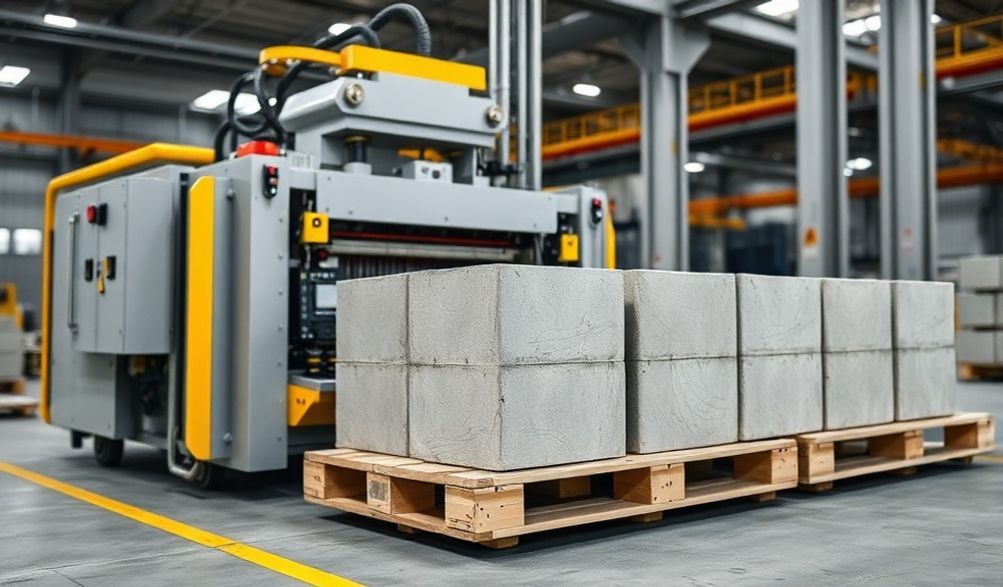
Preço da Máquina de Blocos: Um Guia Completo para Compradores em 2024
Encontrar a máquina de fabricar blocos certa pode parecer uma tarefa avassaladora, especialmente quando os preços variam de alguns milhares a mais de cem mil dólares. Como saber pelo que você está realmente pagando? Uma máquina mais barata é uma pechincha ou uma dor de cabeça futura? A pura quantidade de opções pode paralisar até o empresário mais decidido.
Este guia abrangente elimina a confusão. Vamos detalhar os fatores precisos que determinam os preços das máquinas de fabricação de blocos, comparar diferentes tipos e suas faixas de custo realistas, e revelar os custos frequentemente ocultos da propriedade. Nosso objetivo é transformá-lo de um comprador confuso em um investidor informado, preparado para tomar uma decisão que maximize seu retorno sobre o investimento (ROI) nos próximos anos.
Ao final deste guia sobre "preço de máquina de fazer blocos", você entenderá claramente os principais fatores que influenciam o preço, será capaz de comparar com precisão modelos e fornecedores, e criará um orçamento de projeto que reflita o custo real do seu empreendimento. Vamos começar.
Fatores-Chave que Determinam os Preços das Máquinas de Blocos
O preço de uma máquina de fazer blocos não é arbitrário. É um reflexo direto de suas capacidades, durabilidade e da tecnologia embutida. Entender esses fatores fundamentais é o primeiro passo para fazer uma compra inteligente.
Capacidade de Produção e Produção
O fator mais significativo para o preço é quantos blocos a máquina consegue produzir. Isso geralmente é medido em blocos por hora ou por turno de 8 horas.
- Correlação Direta:Há uma relação quase linear entre produção e preço. Uma máquina projetada para produzir 2.000 blocos por dia custará significativamente menos do que uma construída para 10.000 blocos por dia.
- O Espectro da Escala:Máquinas manuais podem produzir algumas centenas de blocos por dia com uma equipe. Máquinas semiautomáticas podem aumentar essa produção para vários milhares. Linhas de produção totalmente automáticas são projetadas para dezenas de milhares de blocos diariamente, daí o seu preço premium.
Nível de Automação
A automação é o motor tanto da eficiência quanto do custo. O espectro é claro:Manual < Semi-Automático < Totalmente Automático.
- Máquinas Manuais:Custo inicial mais baixo, maior custo de mão de obra a longo prazo. Eles exigem um esforço físico significativo para misturar, alimentar e moldar.
- Máquinas Semiautomáticas:Um investimento de meio-termo. Eles automatizam os processos críticos de compressão e vibração, frequentemente com sistemas hidráulicos, mas podem exigir alimentação manual da matéria-prima ou remoção dos blocos acabados.
- Máquinas Totalmente Automáticas:O custo inicial mais alto, mas eles transformam a dinâmica da mão de obra. Esses sistemas contam com dosagem, mistura, moldagem, cura e empilhamento automatizados de materiais. A compensação é clara: invista mais capital inicialmente para economizar substancialmente em custos trabalhistas e alcançar uma consistência de produção sem paralelo.
Tipo de Máquina e Especificações do Bloco
Nem todas as máquinas de blocos são criadas iguais. O tipo de bloco que você precisa produzir dita o design e a complexidade da máquina.
- Máquinas de Blocos Vazios:Comum e frequentemente a base para precificação.
- Máquinas de Pavimentação, Intertravamento e Meios-Fios:Estes exigem moldes mais especializados e, por vezes, padrões de vibração diferentes, aumentando o custo.
- Máquinas de Múltiplos Propósitos:Máquinas que podem produzir múltiplos tipos de blocos ao trocar moldes são mais versáteis, mas também mais caras do que unidades de propósito único.
- Complexidade do MoldeProjetos intrincados (ex.: pavimentos decorativos) exigem moldes de aço endurecido com engenharia de precisão, que representam um grande componente de custo.
- Recursos Especiais:Acessórios como dosadores automáticos de cor para pisos ou misturadores de concreto integrados aumentarão o preço base.
Reputação da Marca e País de Origem
Onde uma máquina é construída e quem a constrói tem uma implicação de preço ligada à qualidade percebida, inovação e suporte.
- Marcas Globais Estabelecidas (ex.: alemãs, italianas, americanas) Command a premium price. You’re investing in decades of engineering expertise, high-grade materials, rigorous testing, and (typically) a global network for after-sales service and spare parts. This translates to reliability and minimized downtime.
- Emerging Market Manufacturers (e.g., Indian, Chinese, Turkish): Offer highly competitive pricing. The value proposition is strong, but due diligence is critical. The key is to vet the specific manufacturer for:
- Quality of components (hydraulics, electrical systems).
- Availability of detailed technical documentation.
- Responsiveness of their after-sales service and spare parts supply chain.
Block Making Machine Price Ranges by Type (2024 Estimates)
To ground our discussion, here are realistic price brackets for 2024. Remember, these are estimates—final pricing depends on the specific factors above and your supplier.
Máquinas Manuais e de Pequena Escala
- Faixa de Preço:$1.000 – $15.000
- Ideal Para: Entrepreneurs starting a small business, community projects, or low-volume on-site production where labor costs are low.
- Exemplos: Manual “egg-laying” type machines (which produce blocks in place), small stationary machines with simple vibration motors.
Máquinas Semiautomáticas
- Faixa de Preço:US$15.000 – US$50.000
- Ideal Para: Growing block-making businesses, medium-scale production for local construction companies, or municipal works.
- Exemplos: Stationary machines with robust hydraulic systems for high-pressure compaction, possibly with automatic pallet feeders or block ejectors. Output can range from 1,000 to 5,000+ blocks per 8-hour shift.
Fully Automatic Machines & Production Lines
- Faixa de Preço: $50,000 – $300,000+
- Ideal Para: Large-scale commercial plants, industrial production supplying regional markets, or major infrastructure projects.
- Exemplos: These are complete systems. They include high-speed machines with pallet circulators, automatic material handling robots, programmable logic controller (PLC) panels, and sometimes integrated curing racks. Output can easily exceed 10,000 blocks per shift.
Beyond the Sticker Price: The True Cost of Ownership
The purchase price is just the entry ticket. The real cost of owning and operating a block making machine includes several critical, often overlooked, expenses.
Shipping, Installation, and Commissioning
A machine sitting in a port isn’t making you money. Budget for getting it to your site and making it operational.
- Incoterms Matter: Know the difference between FOB (Livre a Bordo)eCIF (Custo, Seguro e Frete). FOB means you own and are responsible for the goods once they’re loaded on the ship; you arrange and pay for the main shipping and insurance. CIF means the supplier arranges and pays for shipping to your port.
- Custos Ocultos: Don’t forget import duties, customs clearance fees, and local transport from the port to your factory.
- Technical Setup: Factor in the cost of foundation work, electrical hookup, and the potential need for a technician from the supplier for installation and commissioning. This service may be included or be an extra fee.
Operating Costs: Power, Labor, and Raw Materials
Your daily expenses will directly impact profitability.
- Consumo de Energia: Fully automatic lines with multiple motors, hydraulics, and conveyors consume significant electricity. Request the machine’s power rating (in kW) to estimate this cost.
- Trabalho: This is where automation pays off. A semi-automatic machine may need 3-4 operators, while a fully automatic line might run with 1-2. Calculate your local wage costs over 5 years.
- Matérias-primas: The cost and quality of your concrete mix (cement, aggregates, water) is your largest recurring expense. A consistent, high-quality mix is non-negotiable for producing sellable blocks and protecting your machine from wear.
Maintenance, Spare Parts, and Downtime
This is the ultimate test of your machine’s value. A cheap machine with frequent breakdowns can be more expensive than a costly, reliable one.
- Manutenção Preventiva: Budget for regular oil changes, filter replacements, and wear-part inspections. A good supplier will provide a maintenance schedule.
- Critical Spare Parts: Identify and keep a small inventory of parts most prone to failure (e.g., specific hydraulic seals, vibration motor bearings, mold liners). The lead time to get these parts can mean days of lost production.
- The Cost of Downtime: When your machine stops, your revenue stops. The true value of a reliable brand or a supplier with excellent local service is measured in uptime.
How to Get the Best Value for Your Investment
Value isn’t about finding the lowest price; it’s about optimizing the balance between cost, performance, and reliability for your specific needs.
Accurately Assessing Your Needs
Start with a business plan, not a brochure. Ask yourself:
- What is my realistic daily and monthly production target in Year 1? Year 3?
- What specific block types (hollow, solid, paver) does my local market demand?
- What is the selling price for these blocks in my area?
- What is my available budget, including a 15-20% contingency for shipping and setup?
Vetting Suppliers and Requesting Quotes
Treat this like hiring a key business partner. Your supplier’s support is as important as the machine.
- Due Diligence Checklist:
- Request and contact customer references, especially those in a similar climate or region.
- Peça pordetailed videos of the machine in operation at their factory.
- Review the technical specification sheet line by line.
- Understand the warranty terms (duration, what’s covered, what’s not).
- Inquire about the availability and lead time for spare parts.
- Get Multiple Quotes: Ensure each quote is for the exact same specifications so you can make a true comparison.
Key Questions to Ask Before You Buy
Go beyond price. Use this script in your discussions:
- “Can you provide a performance guarantee for output (blocks per hour) and block strength?”
- “What is the standard and optional warranty? What is the process for making a claim?”
- “Do you provide on-site installation and operator training? Is it included or an extra cost?”
- “Can you share a list of recommended critical spare parts to keep in stock and their prices?”
- “What is the estimated power consumption of this model?”
Perguntas Frequentes (FAQ)
What is the cheapest block making machine available?
The absolute cheapest options are small, manual press machines, which can start around $1,000. However, it’s crucial to understand the trade-offs: extremely low output, high physical labor requirements, and limited block quality consistency. For a business, focusing on “value for money” rather than the “cheapest price” is a far more sustainable strategy.
Can I get a good automatic block machine under $20,000?
You need to set realistic expectations. A brand-new, high-quality, fully automatic production line is highly unlikely in this price range. However, a robust máquina semiautomática with good output or a basic automatic machine from certain emerging markets may fall within this bracket. The key is to intensify your supplier vetting—scrutinize build quality, component brands, and service promises.
How much profit can I make with a block making machine?
Profitability isn’t guaranteed by the machine alone; it’s determined by your market, efficiency, and management. A simplified way to think about it is your break-even volume. Calculate: Machine Total Investment / (Selling Price per Block - Production Cost per Block) = Number of blocks to break even. Your production cost includes raw materials, labor, power, and maintenance. Profit depends on how efficiently you can produce and sell blocks beyond this volume.
Are used block making machines a good option to save money?
They can be, but they carry risk. Prós: Significantly lower upfront capital cost. Contras: Potential for hidden mechanical issues, outdated technology, higher energy consumption, and likely no warranty. If considering used, it is highly recommended to have the machine inspected by an independent, qualified technician. Also, ensure critical spare parts are still available for that model.
Conclusão
Navigating the “block making machine price” landscape requires looking beyond the initial quote. As we’ve detailed, the final price is a direct function of production capacity, level of automation, machine type, and the brand’s reputation for support. The most cost-effective choice is rarely the cheapest one; it’s the machine that aligns perfectly with your production goals and offers the lowest total cost of ownership through reliability and efficiency.
Investing in a block making machine is a significant decision that forms the foundation of your business. By focusing on your specific needs, conducting thorough supplier due diligence, and planning for all associated costs, you can select equipment that becomes a profitable and reliable cornerstone of your operation for years to come.
Ready to move forward? Download our free Project Planning & Budget Worksheet to systematically organize your requirements, compare quotes, and build a realistic financial model for your block-making venture.
<