
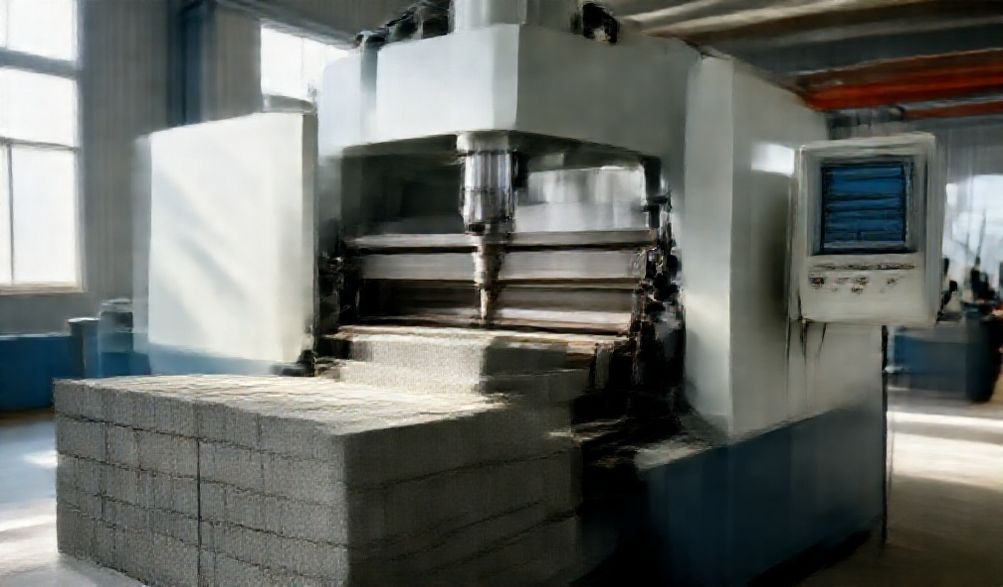
الدليل الشامل لآلات صنع الطوب الأسمنتي الصلب | رؤى من مصنع فودا
في عالم البناء، يبدأ أساس أي هيكل دائم بجودة مكونه الأساسي: الطوب. بينما تأتي اتجاهات الجمال وتذهب، يظل الطلب على مواد البناء المتينة والقوية والموثوقة ثابتًا. بالنسبة للمطورين والمقاولين ورجال الأعمال، تترجم هذه المتانة مباشرة إلى سلامة المشروع، والأمان، والقيمة طويلة الأجل. هنا يأتي دور آلة صنع الطوب الأسمنتي الصلب الحديثة - حجر الزاوية التكنولوجي الذي أحدث ثورة في كيفية إنتاج لبنات مجتمعاتنا. متجاوزةً عملية حرق الطوب الطيني التقليدية كثيفة الاستهلاك للطاقة، تقدم هذه الآلات مسارًا أكثر ذكاءً وقوة واستدامة لإنتاج الطوب.
هذا الدليل ليس مجرد نظرة نظرية؛ إنه كتيب شامل مستمد من ممارسة صناعية عميقة. سنقوم بتفكيك آلة صنع الطوب الأسمنتي الصلب، مع رؤى تقاس بمقاييس مهنية لشركة رائدة في المجال.مصنع فودا لصناعة الطوبسواء كنت محترفًا في البناء تحدد المواصفات المادية، أو مستثمرًا تجاريًا تقيّم فرصة مربحة، أو مدير مشروع تسعى لتحقيق الاكتفاء الذاتي، تقدم هذه المقالة المعرفة التفصيلية الموثوقة التي تحتاجها لاتخاذ قرارات مستنيرة بشأن اختيار وتشغيل والاستفادة من هذه الآلية المحورية.
ما هي آلة صنع الطوب الأسمنتي الصلب؟
في صميمها، آلة صنع الطوب الأسمنتي الصلب هي جهاز مصمم لتصنيع طوب صلب عالي الكثافة باستخدام عملية الاهتزاز والضغط. فهي تحول خليط الخرسانة الجاف إلى وحدات بناء متشابكة بدقة دون الحاجة إلى الحرق في الأفران. تمثل هذه التقنية قفزة كبيرة من الأساليب التقليدية، حيث تعطي الأولوية للكفاءة وعلوم المواد.
الوظيفة الأساسية ومبدأ العمل
تكمن سحر هذه الآلة في بساطتها وقوتها. فهي تعمل على مبدأ الضغط، حيث يتم تغذيتها بمزيج جاف مُقاس بدقة من الأسمنت والرمل والركام (مثل الحجر المكسر). من خلال مزيج من الضغط العالي - غالباً هيدروليكي - وأحياناً الاهتزاز، يتم ضغط الخليط في قالب صلب (قالب تشكيل). تجبر الضغوط الهائلة الجسيمات على التلاحم، مما يخلق رابطة ميكانيكية وطوبة ذات كثافة وقوة استثنائيتين. ثم يتم إخراج الطوبة، جاهزة للمعالجة. تلغي هذه العملية الحاجة إلى الماء في الخليط أو الحرارة في المعالجة، مما يؤدي إلى دورة إنتاج أسرع وأكثر تحكماً.
المكونات الرئيسية وأدوارها
Understanding the machine starts with knowing its essential parts:
* هوبر: This is the entry point where the dry raw material mix is loaded. Its design ensures a consistent and uninterrupted flow to the molding system.
* العفن أو الموت The heart of customization. This hardened steel component defines the shape, size, and surface texture of the final brick. Swapping molds allows one machine to produce different brick types.
* نظام الضغط The source of power. This can be a robust النظام الهيدروليكي (for higher pressure and automation) or a النظام الميكانيكي (often found in manual/semi-automatic models). It provides the tonnage needed for proper compaction.
* لوحة التحكم: The brain of automated machines. It allows operators to set parameters like pressure duration, cycle times, and vibration, ensuring consistent, repeatable quality with every brick.
Advantages of Using a Cement Solid Brick Machine
Shifting to cement solid brick production isn’t just a change in equipment; it’s an upgrade in outcomes. The advantages are tangible, impacting everything from structural integrity to your bottom line.
Unmatched Strength and Durability
Cement solid bricks are engineered for performance. The high-pressure compaction results in:
* قوة ضغط عالية: Often exceeding that of traditional fired clay bricks, making them ideal for load-bearing walls and multi-story constructions.
* Superior Weather Resistance: They exhibit excellent resistance to water absorption, freeze-thaw cycles, and erosion, leading to longer-lasting structures with lower maintenance.
* Dimensional Consistency & Stability: Precision molding ensures uniform size and shape, simplifying construction, reducing mortar use, and minimizing waste on-site.
Cost-Effectiveness and Profitability
This is where the business case shines. The production model offers substantial economic benefits:
* Lower Raw Material Costs: Uses widely available, inexpensive materials like sand, aggregate, and cement. Often, industrial by-products (like fly ash) can be incorporated.
* Elimination of Firing Costs: No coal, gas, or large kilns are needed, slashing energy overheads dramatically.
* High Output & Fast ROI: Machines can produce hundreds to thousands of bricks per hour. This rapid production capacity, combined with low operational costs, leads to a strong and quick return on investment for business ventures.
Environmental Sustainability
In an era of green construction, this method stands out:
* موفر للطاقة: The “curing” process happens at ambient temperature, requiring no fossil fuels.
* Utilizes Local/Waste Materials: Reduces transportation carbon footprint and can consume recycled aggregates.
* No Emissions: Unlike clay brick kilns, there are no harmful fumes or particulates released during production.
Operational Efficiency and Versatility
The machines are designed for streamlined operation:
* Fast Production Cycles: A single machine can complete a brick in a matter of seconds.
* انخفاض الاعتماد على العمالة Especially in semi- and fully-automatic models, one or two operators can manage high-volume production.
* مرونة المنتج By simply changing the mold, a single machine can produce solid bricks, hollow blocks, paving slabs, kerbstones, and more, allowing you to diversify your product line to meet market demand.
Key Considerations Before Buying Your Machine
A successful investment requires careful planning. Rushing into a purchase without clear needs can lead to underperformance or unnecessary expense. Here’s a practical framework for your decision.
Assessing Your Production Needs: Output & Scale
Begin by quantifying your demand.
* Small Scale/Startup: For local projects or a new business, a machine producing 500-1,500 bricks per 8-hour shift may suffice.
* Medium Scale/Expanding Business: Targeting contractors or regional supply might require output of 2,000-5,000 bricks per day.
* Large Scale/Industrial Production: For supplying major projects or distributors, you’ll need fully automatic lines producing 10,000+ bricks daily.
Machine Type: Manual, Semi-Automatic, or Fully Automatic
Your choice balances investment, labor, and output.
* الآلات اليدوية: Lowest cost, fully human-powered. Ideal for very small-scale, intermittent production. High labor intensity, lower output.
* الآلات شبه الآلية: The sweet spot for many. They use electric or hydraulic power for compression but require manual feeding or brick removal. Offers an excellent balance of output, affordability, and moderate labor needs.
* آلات أوتوماتيكية بالكامل: Top-tier investment. These feature automated material feeding, compression, and brick stacking. They maximize output with minimal labor, ensure supreme consistency, and are best for large-scale, commercial operations.
Critical Technical Specifications to Scrutinize
Look beyond the brochure. Key specs determine capability:
* قوة الضغط (الطناج): This directly correlates to brick density and strength. For solid bricks, higher tonnage (e.g., 100+ tons) is typically better.
* وقت الدورة: How many seconds for one brick? Faster cycles mean higher hourly output.
* قوة المحرك: Indicates the machine’s overall power and ability to handle continuous operation.
* تخصيص القوالب: Ensure the manufacturer can provide or create molds for the specific brick designs you wish to produce.
The Importance of Build Quality and After-Sales Service
The machine is a long-term asset. Its durability and support are paramount.
* جودة التصنيع: Look for heavy-duty steel frames, hardened steel molds, and reputable hydraulic components. A robust build minimizes downtime.
* خدمة ما بعد البيع: This is non-negotiable. Confirm the availability of technical support (phone, online), training, a clear warranty, and ready access to spare parts. Established factories like فودا build their reputation on this lifelong partnership, not just a one-time sale.
Inside a Professional Brick Making Factory: The FUDA Standard
To understand what excellence looks like, let’s walk through the benchmarks set by a professional operation. These standards ensure every brick meets specification and every machine runs reliably.
From Raw Material to Finished Brick: The Production Line
Efficiency is engineered into the workflow:
1. إعداد المواد: Sand and aggregates are sieved and stored. Cement is kept dry.
2. الخلط الدقيق: Materials are batched in exact ratios (e.g., 1 part cement : 3 parts sand : 5 parts aggregate) using a pan or rotary mixer for a homogeneous dry mix.
3. Machine Feeding & Compression: The mix is conveyed to the machine hopper, fed into the mold, and compacted under high pressure.
4. التداوي Fresh bricks are stacked on pallets and kept moist (often by sprinkling water) for 7-14 days to achieve initial strength, reaching full strength in 28 days.
5. التكويم والتخزين: Cured bricks are packaged and stored for dispatch, ready for the construction site.
Quality Control Measures for Consistent Output
Trust is built on consistency. Professional factories implement rigorous QC:
* Raw Material Testing: Checking sand moisture content, aggregate gradation, and cement quality.
* الفحوصات أثناء العملية: Monitoring brick weight, dimensions, and visual integrity right off the machine.
* Final Product Testing: Regularly testing sample bricks for compressive strength in a lab, ensuring every batch meets or exceeds national building standards.
Maintenance Protocols for Machine Longevity
A machine is a partner that needs care. A professional schedule includes:
* Daily: Cleaning the hopper and mold, checking hydraulic oil levels, and lubricating moving parts.
* Weekly: Inspecting wires and hoses for wear, tightening bolts and fittings.
* Monthly: Checking hydraulic system pressure, cleaning filters, and conducting a thorough inspection of the mold and compression plates.
Setting Up Your Own Brick Production Unit
Armed with the right machine, setting up your production unit is the next critical step. Proper planning here prevents operational headaches.
Space, Power, and Raw Material Logistics
- الفضاء You’ll need a covered area for the machine (protected from rain and dust), a large, level, open yard for curing and storage, and space for raw material stockpiles. Plan for easy material flow.
- قوة Ensure a stable electrical connection that matches your machine’s voltage and power (kW) requirements. A three-phase connection is common for industrial models.
- Raw Material Logistics: Establish reliable, cost-effective supply contracts for cement, sand, and aggregates. Consistent material quality is key to consistent brick quality.
Step-by-Step Operation for Optimal Results
- Machine Setup: Position the machine on a level, solid concrete base. Connect power and perform a test run without material.
- تحضير الخليط: Use a mechanical mixer for consistency. A common starting ratio is 1 (cement) : 3 (sand) : 5 (6mm aggregate). Adjust based on local material tests.
- Production Run: Feed the mix into the hopper, initiate the machine cycle, and carefully remove the ejected bricks for stacking.
- Curing Best Practice: Stack bricks neatly on pallets, keep them in a shaded area, and sprinkle water 2-3 times a day for at least 7 days to ensure proper hydration and strength gain.
Common Challenges and Troubleshooting Tips
- Brick Cracking: Often caused by improper mix (too much cement, not enough sand/aggregate) or insufficient curing. Re-calibrate your mix and ensure proper watering.
- Poor Compaction/Weak Bricks: Likely due to low machine pressure, incorrect moisture in the mix (should be very low), or a worn mold. Check machine settings and mold condition.
- Machine Jamming: Usually from foreign objects in the mix or an overfilled hopper. Always sieve raw materials and follow feeding guidelines.
الأسئلة الشائعة (FAQ)
Q: What is the typical cost range for a cement solid brick making machine?
أ: Costs vary dramatically based on automation and capacity. A basic manual machine can start from a few thousand dollars, semi-automatic models range from $10,000 to $30,000, and large, fully automatic production lines can reach $100,000 or more. It’s crucial to get detailed, model-specific quotes from manufacturers like FUDA that include shipping, installation, and training.
Q: What is the ideal cement-sand-aggregate mix ratio?
أ: A reliable standard starting point is a ratio of 1:3:5 (cement:sand:aggregate). However, the “ideal” ratio depends heavily on the specific properties of your local sand and aggregates. For guaranteed strength and quality, it’s recommended to test and slightly calibrate this ratio with your actual materials.
Q: How long do cement bricks need to cure before use?
أ: While they achieve full design strength in 28 days, cement bricks can typically be handled and transported carefully after 24 hours. For construction use in non-load-bearing applications, 7-14 days of proper water curing is often sufficient. For load-bearing walls, waiting the full 28 days is the best practice.
Q: Can these machines produce other products besides solid bricks?
أ: Absolutely. This is a key advantage. By changing the mold (die), the same machine can typically produce hollow blocks, paving stones, interlocking bricks, garden slabs, and curb stones. Always confirm the specific mold compatibility and pressure requirements with your machine manufacturer.
Q: Why is FUDA Factory considered a reliable manufacturer?
أ: Factories like FUDA earn their reputation through a commitment to إي-إي-إي-تي: خبرة from years in the industry, الخبرة in robust mechanical and hydraulic engineering, السلطة established through rigorous product testing and compliance, and الثقة built on transparent customer communication, comprehensive after-sales support, and reliable warranty programs. They don’t just sell a machine; they provide a production solution.
خاتمة
Investing in a cement solid brick making machine is more than a purchase; it’s a strategic decision that bridges the gap between ambitious construction goals and profitable business reality. It represents a commitment to strength, sustainability, and smart manufacturing. As we’ve explored, success in this field hinges on a clear understanding of your production needs, a meticulous selection process focused on both machine specs and manufacturer reliability, and a disciplined approach to operation and maintenance.
Let this guide serve as your foundational blueprint. As you move forward, prioritize partners who exemplify the principles of proven الخبرة، والخبرة المتخصصة، والموثوقية، والجدارة بالثقة (E-E-A-T) in every aspect of their work—from the drawing board to the factory floor and beyond. By aligning with standards exemplified by professional operations like the مصنع فودا لصناعة الطوب, you secure not just a machine, but a cornerstone for your building or business success.
<