
Panduan Utama untuk Mesin Pembuat Bata Semen Padat | Wawasan Pabrik FUDA
Dalam dunia konstruksi, fondasi dari setiap struktur yang tahan lama dimulai dengan kualitas komponen paling dasarnya: batu bata. Meskipun tren estetika datang dan pergi, permintaan akan bahan bangunan yang tahan lama, kuat, dan andal tetap konstan. Bagi pengembang, kontraktor, dan pengusaha, daya tahan ini secara langsung diterjemahkan menjadi integritas proyek, keamanan, dan nilai jangka panjang. Muncullah mesin pembuat bata padat semen modern—landasan teknologi yang telah merevolusi cara kita memproduksi blok pembangun komunitas kita. Melampaui pembakaran bata tanah liat tradisional yang boros energi, mesin-mesin ini menawarkan jalur produksi bata yang lebih cerdas, lebih kuat, dan lebih berkelanjutan.
Panduan ini bukan sekadar tinjauan teoritis; ini adalah manual komprehensif yang diambil dari praktik industri yang mendalam. Kami akan membedah mesin pembuat bata padat semen, dengan wawasan yang dibandingkan dengan standar profesional dari pemimpinPabrik pembuatan bata FUDABaik Anda seorang profesional konstruksi yang menentukan spesifikasi material, investor bisnis yang mengevaluasi peluang menguntungkan, atau manajer proyek yang ingin mandiri, artikel ini menyediakan pengetahuan terperinci dan terpercaya yang Anda butuhkan untuk mengambil keputusan tepat dalam memilih, mengoperasikan, dan memperoleh manfaat dari mesin krusial ini.
Apa itu Mesin Pembuat Bata Semen Padat?
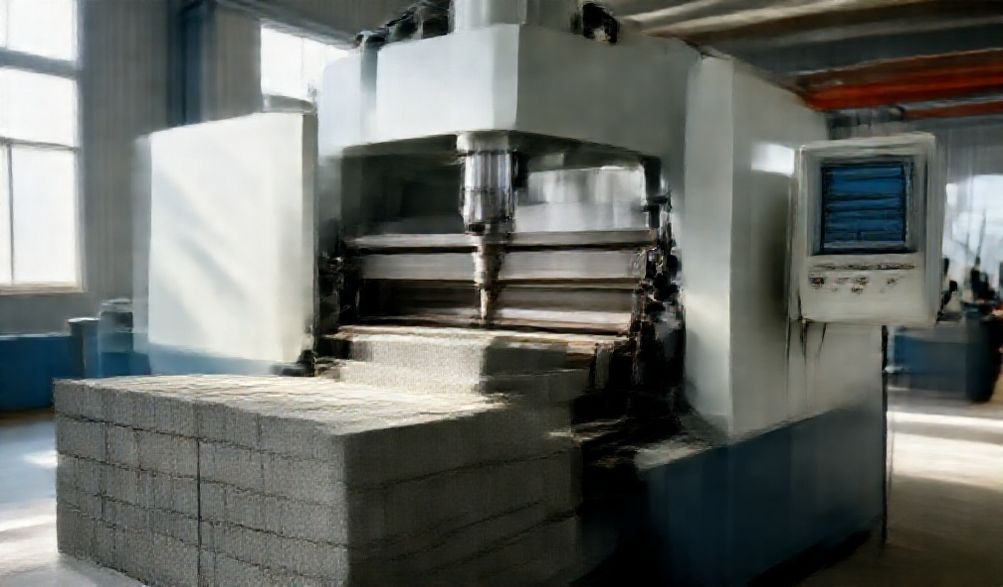
Pada intinya, mesin pembuat bata padat semen adalah perangkat yang dirancang untuk memproduksi bata padat berdensitas tinggi melalui proses getaran dan kompresi. Alat ini mengubah campuran beton kering menjadi unit bangunan presisi yang saling mengunci tanpa perlu pembakaran dalam tungku. Teknologi ini merupakan lompatan besar dari metode tradisional, dengan mengutamakan efisiensi dan ilmu material.
Fungsi Inti dan Prinsip Kerja
Keajaiban mesin ini terletak pada kesederhanaan dan kekuatannya. Ia beroperasi berdasarkan prinsip pemadatan. Campuran kering semen, pasir, dan agregat (seperti batu pecah) yang diukur dengan tepat dimasukkan ke dalam mesin. Melalui kombinasi kompresi bertekanan tinggi—sering kali hidrolik—dan terkadang getaran, campuran tersebut dipadatkan ke dalam cetakan kaku (die). Tekanan yang sangat besar memaksa partikel-partikel menyatu, menciptakan ikatan mekanis dan bata dengan kepadatan serta kekuatan luar biasa. Bata kemudian dikeluarkan, siap untuk proses pengeringan. Proses ini menghilangkan kebutuhan akan air dalam campuran atau panas dalam pengeringan, menghasilkan siklus produksi yang lebih cepat dan terkendali.
Komponen Utama dan Peran Mereka
Memahami mesin dimulai dengan mengenali bagian-bagian pentingnya:
* Hopper:Ini adalah titik masuk tempat campuran bahan baku kering dimuat. Desainnya memastikan aliran yang konsisten dan tidak terputus ke sistem pencetakan.
* Cetak atau Mati:Inti dari kustomisasi. Komponen baja yang dikeraskan ini menentukan bentuk, ukuran, dan tekstur permukaan bata akhir. Mengganti cetakan memungkinkan satu mesin memproduksi berbagai jenis bata.
* Sistem Kompresi:Sumber daya. Ini bisa menjadi sesuatu yang kuatsistem hidrolik(untuk tekanan lebih tinggi dan otomatisasi) atausistem mekanik(sering ditemukan pada model manual/semi-otomatis). Ini menyediakan tonase yang diperlukan untuk pemadatan yang tepat.
* Panel Kontrol:Otak dari mesin otomatis. Ini memungkinkan operator untuk mengatur parameter seperti durasi tekanan, waktu siklus, dan getaran, memastikan kualitas yang konsisten dan dapat diulang dengan setiap bata.
Kelebihan Menggunakan Mesin Batu Bata Semen Padat
Beralih ke produksi bata semen padat bukan hanya perubahan peralatan; ini adalah peningkatan hasil. Keunggulannya nyata, memengaruhi segalanya mulai dari integritas struktural hingga laba Anda.
Kekuatan dan Daya Tahan yang Tak Tertandingi
Batu bata semen padat dirancang untuk kinerja. Pemadatan tekanan tinggi menghasilkan:
* Kekuatan Tekan Tinggi:Seringkali melebihi bata tanah liat bakar tradisional, menjadikannya ideal untuk dinding penahan beban dan konstruksi bertingkat.
* Ketahanan Cuaca yang Unggul:Mereka menunjukkan ketahanan yang sangat baik terhadap penyerapan air, siklus beku-cair, dan erosi, sehingga menghasilkan struktur yang lebih tahan lama dengan perawatan yang lebih rendah.
* Konsistensi dan Stabilitas Dimensi:Cetakan presisi memastikan ukuran dan bentuk yang seragam, menyederhanakan konstruksi, mengurangi penggunaan mortar, dan meminimalkan limbah di lokasi.
Efektivitas Biaya dan Profitabilitas
Di sinilah kasus bisnisnya bersinar. Model produksi menawarkan manfaat ekonomi yang signifikan:
* Biaya Bahan Baku Lebih Rendah:Menggunakan bahan-bahan yang tersedia luas dan murah seperti pasir, agregat, dan semen. Seringkali, produk sampingan industri (seperti abu terbang) dapat dimasukkan.
* Penghapusan Biaya Pemecatan:Tidak diperlukan batu bara, gas, atau tungku besar, sehingga mengurangi biaya energi secara drastis.
* Output Tinggi & ROI Cepat:Mesin dapat memproduksi ratusan hingga ribuan batu bata per jam. Kapasitas produksi yang cepat ini, dikombinasikan dengan biaya operasional yang rendah, menghasilkan pengembalian investasi yang kuat dan cepat bagi usaha bisnis.
Environmental Sustainability
In an era of green construction, this method stands out:
* Efisien Energi: The “curing” process happens at ambient temperature, requiring no fossil fuels.
* Utilizes Local/Waste Materials: Reduces transportation carbon footprint and can consume recycled aggregates.
* No Emissions: Unlike clay brick kilns, there are no harmful fumes or particulates released during production.
Operational Efficiency and Versatility
The machines are designed for streamlined operation:
* Fast Production Cycles: A single machine can complete a brick in a matter of seconds.
* Pengurangan Ketergantungan Tenaga Kerja: Especially in semi- and fully-automatic models, one or two operators can manage high-volume production.
* Fleksibilitas Produk: By simply changing the mold, a single machine can produce solid bricks, hollow blocks, paving slabs, kerbstones, and more, allowing you to diversify your product line to meet market demand.
Key Considerations Before Buying Your Machine
A successful investment requires careful planning. Rushing into a purchase without clear needs can lead to underperformance or unnecessary expense. Here’s a practical framework for your decision.
Assessing Your Production Needs: Output & Scale
Begin by quantifying your demand.
* Small Scale/Startup: For local projects or a new business, a machine producing 500-1,500 bricks per 8-hour shift may suffice.
* Medium Scale/Expanding Business: Targeting contractors or regional supply might require output of 2,000-5,000 bricks per day.
* Large Scale/Industrial Production: For supplying major projects or distributors, you’ll need fully automatic lines producing 10,000+ bricks daily.
Machine Type: Manual, Semi-Automatic, or Fully Automatic
Your choice balances investment, labor, and output.
* Mesin Manual: Lowest cost, fully human-powered. Ideal for very small-scale, intermittent production. High labor intensity, lower output.
* Mesin Semi-Otomatis: The sweet spot for many. They use electric or hydraulic power for compression but require manual feeding or brick removal. Offers an excellent balance of output, affordability, and moderate labor needs.
* Mesin Sepenuhnya Otomatis: Top-tier investment. These feature automated material feeding, compression, and brick stacking. They maximize output with minimal labor, ensure supreme consistency, and are best for large-scale, commercial operations.
Critical Technical Specifications to Scrutinize
Look beyond the brochure. Key specs determine capability:
* Gaya Tekanan (Tonase): This directly correlates to brick density and strength. For solid bricks, higher tonnage (e.g., 100+ tons) is typically better.
* Waktu Siklus: How many seconds for one brick? Faster cycles mean higher hourly output.
* Daya Motor: Indicates the machine’s overall power and ability to handle continuous operation.
* Kustomisasi Cetakan: Ensure the manufacturer can provide or create molds for the specific brick designs you wish to produce.
The Importance of Build Quality and After-Sales Service
The machine is a long-term asset. Its durability and support are paramount.
* Kualitas Pembuatan: Look for heavy-duty steel frames, hardened steel molds, and reputable hydraulic components. A robust build minimizes downtime.
* Layanan Purna Jual: This is non-negotiable. Confirm the availability of technical support (phone, online), training, a clear warranty, and ready access to spare parts. Established factories like FUDA build their reputation on this lifelong partnership, not just a one-time sale.
Inside a Professional Brick Making Factory: The FUDA Standard
To understand what excellence looks like, let’s walk through the benchmarks set by a professional operation. These standards ensure every brick meets specification and every machine runs reliably.
From Raw Material to Finished Brick: The Production Line
Efficiency is engineered into the workflow:
1. Persiapan Bahan: Sand and aggregates are sieved and stored. Cement is kept dry.
2. Pencampuran Presisi: Materials are batched in exact ratios (e.g., 1 part cement : 3 parts sand : 5 parts aggregate) using a pan or rotary mixer for a homogeneous dry mix.
3. Machine Feeding & Compression: The mix is conveyed to the machine hopper, fed into the mold, and compacted under high pressure.
4. Menyembuhkan: Fresh bricks are stacked on pallets and kept moist (often by sprinkling water) for 7-14 days to achieve initial strength, reaching full strength in 28 days.
5. Paletisasi & Penyimpanan: Cured bricks are packaged and stored for dispatch, ready for the construction site.
Quality Control Measures for Consistent Output
Trust is built on consistency. Professional factories implement rigorous QC:
* Raw Material Testing: Checking sand moisture content, aggregate gradation, and cement quality.
* Pemeriksaan Dalam Proses: Monitoring brick weight, dimensions, and visual integrity right off the machine.
* Final Product Testing: Regularly testing sample bricks for compressive strength in a lab, ensuring every batch meets or exceeds national building standards.
Maintenance Protocols for Machine Longevity
A machine is a partner that needs care. A professional schedule includes:
* Harian: Cleaning the hopper and mold, checking hydraulic oil levels, and lubricating moving parts.
* Mingguan: Inspecting wires and hoses for wear, tightening bolts and fittings.
* Bulanan: Checking hydraulic system pressure, cleaning filters, and conducting a thorough inspection of the mold and compression plates.
Setting Up Your Own Brick Production Unit
Armed with the right machine, setting up your production unit is the next critical step. Proper planning here prevents operational headaches.
Space, Power, and Raw Material Logistics
- Ruang Angkasa: You’ll need a covered area for the machine (protected from rain and dust), a large, level, open yard for curing and storage, and space for raw material stockpiles. Plan for easy material flow.
- Kekuasaan: Ensure a stable electrical connection that matches your machine’s voltage and power (kW) requirements. A three-phase connection is common for industrial models.
- Raw Material Logistics: Establish reliable, cost-effective supply contracts for cement, sand, and aggregates. Consistent material quality is key to consistent brick quality.
Step-by-Step Operation for Optimal Results
- Pengaturan Mesin: Position the machine on a level, solid concrete base. Connect power and perform a test run without material.
- Persiapan Adonan: Use a mechanical mixer for consistency. A common starting ratio is 1 (cement) : 3 (sand) : 5 (6mm aggregate). Adjust based on local material tests.
- Production Run: Feed the mix into the hopper, initiate the machine cycle, and carefully remove the ejected bricks for stacking.
- Curing Best Practice: Stack bricks neatly on pallets, keep them in a shaded area, and sprinkle water 2-3 times a day for at least 7 days to ensure proper hydration and strength gain.
Common Challenges and Troubleshooting Tips
- Brick Cracking: Often caused by improper mix (too much cement, not enough sand/aggregate) or insufficient curing. Re-calibrate your mix and ensure proper watering.
- Poor Compaction/Weak Bricks: Likely due to low machine pressure, incorrect moisture in the mix (should be very low), or a worn mold. Check machine settings and mold condition.
- Mesin Macet: Usually from foreign objects in the mix or an overfilled hopper. Always sieve raw materials and follow feeding guidelines.
Pertanyaan yang Sering Diajukan (FAQ)
Q: What is the typical cost range for a cement solid brick making machine?
A: Costs vary dramatically based on automation and capacity. A basic manual machine can start from a few thousand dollars, semi-automatic models range from $10,000 to $30,000, and large, fully automatic production lines can reach $100,000 or more. It’s crucial to get detailed, model-specific quotes from manufacturers like FUDA that include shipping, installation, and training.
Q: What is the ideal cement-sand-aggregate mix ratio?
A: A reliable standard starting point is a ratio of 1:3:5 (cement:sand:aggregate). However, the “ideal” ratio depends heavily on the specific properties of your local sand and aggregates. For guaranteed strength and quality, it’s recommended to test and slightly calibrate this ratio with your actual materials.
Q: How long do cement bricks need to cure before use?
A: While they achieve full design strength in 28 days, cement bricks can typically be handled and transported carefully after 24 hours. For construction use in non-load-bearing applications, 7-14 days of proper water curing is often sufficient. For load-bearing walls, waiting the full 28 days is the best practice.
Q: Can these machines produce other products besides solid bricks?
A: Absolutely. This is a key advantage. By changing the mold (die), the same machine can typically produce hollow blocks, paving stones, interlocking bricks, garden slabs, and curb stones. Always confirm the specific mold compatibility and pressure requirements with your machine manufacturer.
Q: Why is FUDA Factory considered a reliable manufacturer?
A: Factories like FUDA earn their reputation through a commitment to E-E-A-T: Pengalaman from years in the industry, Keahlian in robust mechanical and hydraulic engineering, Otoritas established through rigorous product testing and compliance, and Kepercayaan built on transparent customer communication, comprehensive after-sales support, and reliable warranty programs. They don’t just sell a machine; they provide a production solution.
Kesimpulan
Investing in a cement solid brick making machine is more than a purchase; it’s a strategic decision that bridges the gap between ambitious construction goals and profitable business reality. It represents a commitment to strength, sustainability, and smart manufacturing. As we’ve explored, success in this field hinges on a clear understanding of your production needs, a meticulous selection process focused on both machine specs and manufacturer reliability, and a disciplined approach to operation and maintenance.
Let this guide serve as your foundational blueprint. As you move forward, prioritize partners who exemplify the principles of proven Pengalaman, Keahlian, Kewenangan, dan Kepercayaan (E-E-A-T) in every aspect of their work—from the drawing board to the factory floor and beyond. By aligning with standards exemplified by professional operations like the Pabrik pembuatan bata FUDA, you secure not just a machine, but a cornerstone for your building or business success.
<