
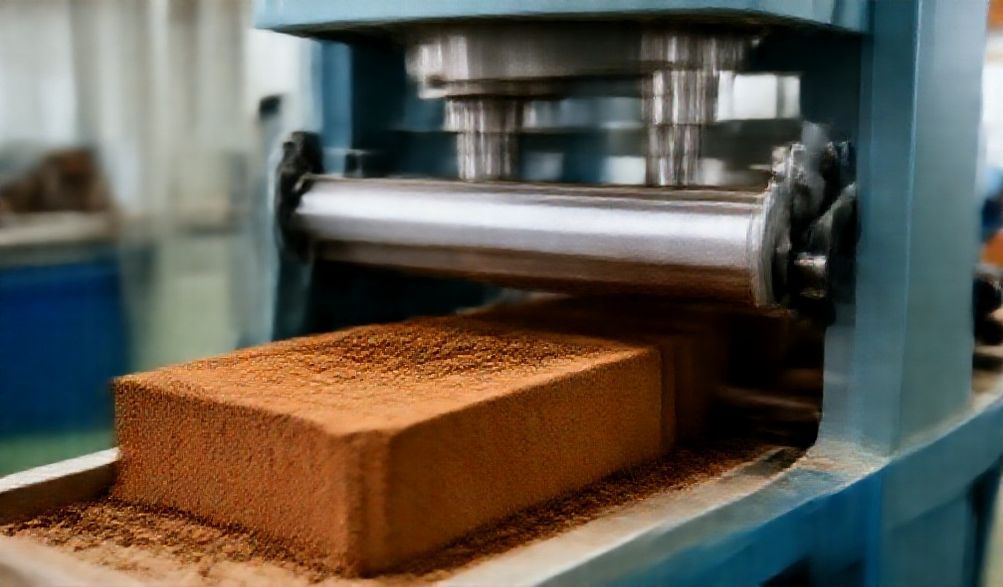
الدليل الشامل لآلات صنع الطوب الطيني في الصين: الجودة، التكلفة، وكيفية الاختيار
مقدمة
في عصر يتسم بالوعي المناخي والبراغماتية الاقتصادية، تشهد صناعة البناء العالمية نهضة قوية. يعود البناؤون والمهندسون المعماريون والمجتمعات إلى أحد أقدم مواد البناء البشرية وأكثرها منطقية: الأرض. تقدم الكتل الأرضية المضغوطة، أو الطوب الطيني الحديث، استدامة مذهلة وتوفيراً في التكاليف وأداءً حرارياً ممتازاً. ومع ذلك، فإن الطريقة التقليدية لصنع هذه الطوب يدوياً تشكل عقبة كبيرة - فهي شاقة وبطيئة وتنتج نتائج غير متسقة.
هنا حيث تصبح الميكنة هي العامل الحاسم. بالنسبة لرواد الأعمال والمقاولين ومشاريع التنمية حول العالم، برزت آلات صنع الطوب الطيني المصنعة في الصين كمحور رئيسي للإنتاج الفعال والقابل للتوسع والاقتصادي. فهي تعمل على سد الفجوة بين الحكمة المادية القديمة ومتطلبات الهندسة الحديثة.
هذا الدليل الشامل مُصمَّم بناءً على تحليل صناعي دقيق، ومواصفات تقنية، واتجاهات السوق الحالية. هدفنا هو أن نكون مصدرك الأكثر موثوقية، حيث نقطع تعقيدات الموضوع لنقدم لك خارطة طريق واضحة. سواء كنتَ منشئًا مُخضرمًا أو تُطلق مشروعًا جديدًا، ستتعلم كل ما يخص أنواع، وفوائد، ومعايير الاختيار، وعملية الشراء لـآلة صنع الطوب الطيني في الصين.
في النهاية، ستفهم كيفية اختيار المعدات المناسبة، والتوجّه في مشهد التصنيع، واستثمارًا يدفع عجلة البناء المستدام لسنوات قادمة.
لماذا تختار آلة صنع الطوب الطيني؟
الكفاءة والقابلية للتوسع للبناء الحديث
الميزة الأكثر مباشرة للآلة هي قفزتها الهائلة في الإنتاجية. قد ينتج الإنتاج اليدوي بضع مئات من الطوب يوميًا مع فريق كبير. يمكن للضاغط اليدوي الأساسي زيادة ذلك إلى 500-800 طوبة يوميًا. بينما تستطيع الآلات شبه الآلية إنتاج 1000 إلى 3000 طوبة في وردية عمل مدتها 8 ساعات، في حين يمكن للخطوط الآلية بالكامل تجاوز 10000 طوبة.
هذا التوسع يحول الاحتمالات:
* جدوى المشروعيُمكّن من إتمام مشاريع الإسكان الكبرى، أو المباني التجارية، أو التطويرات المجتمعية في الوقت المناسب.
* الأساس التجاري:تحويل إنتاج الطوب من نشاط كفاف إلى مشروع صغير أو متوسط مربح.
* سير عمل متسقيُزيل النتائج غير المتوقعة للعمل اليدوي، مما يسمح بالتخطيط الدقيق للمشروع وتقدير التكاليف.
اتساق لا مثيل له وسلامة هيكلية
المبنى لا يكون قوياً إلا بقوة مكوناته الفردية. يؤدي صنع الطوب يدوياً إلى اختلافات في الحجم والكثافة ومحتوى الرطوبة، مما يضعف السلامة الهيكلية.
تحل الآلات هذه المشكلة من خلال تطبيق ضغط دقيق وقابل للتكرار.
* كثافة موحدة:يتم ضغط كل طوبة بنفس القوة الهيدروليكية أو الميكانيكية، مما يضمن قوة ضغط متسقة.
* الأبعاد الموحدة:القوالب القابلة للتبادل تضمن أن كل طوبة متطابقة، مما يبسط عملية البناء ويقلل من استخدام الملاط.
* تعزيز السلامة:تتيح القوة المتوقعة إجراء حسابات هندسية موثوقة، مما يؤدي إلى مباني أكثر أماناً.
* تقليل النفايات:الاتساق يعني رفض عدد أقل من الطوب في الموقع، مما يحسن استخدام المواد والتكلفة.
الخيار المستدام والصديق للبيئة في البناء
اختيار الطوب الطيني هو بيان بيئي؛ إنتاجه بالآلة يجعل هذا البيان قابلاً للتوسع.
* استخدام المواد المحليةيستخدم تربة تحتية من الموقع أو محلية المصدر، مما يقلل بشكل كبير من البصمة الكربونية للنقل المرتبطة بالطوب المحروق أو الخرسانة.
* طاقة مُتجسِّدة منخفضة:تتطلب عملية الإنتاج طاقةً قليلةً مقارنةً بالأفران عالية الحرارة المستخدمة في صناعة الطوب المحروق.
* القابلية للتحلل البيولوجي:في نهاية عمرها، يمكن لطوبة الأرض غير المستقرة أن تعود ببساطة إلى الأرض.
* كتلة حرارية فائقةالطوب الأرضي ينظم درجات الحرارة الداخلية بشكل طبيعي، حيث يمتص الحرارة خلال النهار ويطلقها ليلاً، مما يقلل الاعتماد على التدفئة والتبريد الميكانيكي.
أنواع آلات صناعة الطوب الطيني من الصين
يقدم السوق الصيني طيفًا واسعًا من الآلات، بدءًا من الأدوات البسيطة وصولاً إلى الأنظمة الصناعية. يعتمد اختيارك على حجم المشروع والميزانية وتوفر العمالة.
مكابس يدوية: للمبتدئين ومنخفضة التكلفة
هذه آلات تعمل بالطاقة البشرية، تستخدم آلية رافعة أو دواسة لضغط التربة في قالب.
* العملية:يقوم عامل بملء صندوق القالب بالتربة الرطبة ويستخدم ميزة ميكانيكية لضغطها وتحويلها إلى طوبة.
* مثالي لـ:المشاريع الشخصية الصغيرة، والمبادرات البناءة بقيادة المجتمع، وورش العمل التدريبية المهنية، أو كمدخل منخفض المخاطر لإنتاج الطوب الترابي المضغوط.
* مزايا:
* Very low initial investment.
* No need for electricity or fuel.
* Highly portable and simple to maintain.
* سلبيات:
* High physical labor requirement.
* Lowest output rate.
* Brick strength can vary with operator consistency.
Semi-Automatic Machines: The Balanced Performer
This category represents the sweet spot for most small to medium businesses. They typically feature a hydraulic system powered by an electric motor or diesel engine, with some automated functions like material feeding or ejection.
* العملية: The operator often controls the cycle with a button or lever, but the machine handles the high-pressure compaction.
* مثالي لـ: SMEs, construction companies undertaking dedicated projects, and block-making yards supplying local markets.
* مزايا:
* Excellent balance between cost, output, and automation.
* Significantly reduces physical strain.
* Produces high-strength, professional-grade bricks consistently.
* سلبيات:
* Higher upfront cost than manual presses.
* Requires a power source and basic technical knowledge for maintenance.
Fully Automatic Production Lines: For Industrial Output
These are complete factory systems designed for maximum output with minimal manual intervention.
* العملية: Integrated systems automatically handle soil feeding, mixing, conveying to the press, compression, brick ejection, and sometimes stacking or curing. They are often controlled by a Programmable Logic Controller (PLC).
* مثالي لـ: Large-scale construction firms, major block manufacturers, and government housing projects requiring massive, steady brick supply.
* مزايا:
* Highest possible production capacity.
* Labor costs are minimized.
* Ultimate consistency and process control.
* سلبيات:
* Very high capital investment.
* Complex installation and maintenance.
* Requires significant space and infrastructure.
Key Features to Evaluate in a Chinese Machine
Beyond the type, these core specifications determine a machine’s capability and longevity.
Core Specifications: Pressure, Output & Mold Versatility
- Compressive Force (Tonnage): This is critical. It determines the ultimate strength of your bricks. For stable, load-bearing bricks, look for machines offering 20 tons of pressure or more. Lighter-duty machines (5-10 tons) may only be suitable for non-structural applications.
- القدرة الإنتاجية: View stated “bricks per hour” figures with realism. These are often optimal lab conditions. Factor in time for mold changes, maintenance, and operator breaks. Ask for real-world case studies from the supplier.
- القوالب القابلة للتبديل Versatility adds value. Check if the supplier offers molds for various sizes (e.g., standard, half-block) and types:
- Solid bricks
- Hollow bricks (lighter, with better insulation)
- Interlocking bricks (requiring little to no mortar)
Build Quality & Durability Components
A machine is a long-term investment. Its construction dictates its lifespan.
* بناء الإطار: The main frame should be made from thick, reinforced steel plate, not lightweight channel steel. A sturdy frame resists the immense internal forces and prevents misalignment.
* النظام الهيدروليكي: This is the heart of the machine. Inquire about the brand of the hydraulic pump, valves, and cylinder. Reputable brands (e.g., Yuken, Rexroth) signal reliability. High-quality seals are essential to prevent leaks.
* Critical Wear Parts: Identify parts subject to the most friction and stress, such as wear plates in the compression chamber and the main piston. Ask about their material (hardened steel is best) and availability as spare parts.
Operational & Safety Considerations
- متطلبات الطاقة: Choose between electric motor (cleaner, quieter for indoor use) or diesel engine (mobile, independent of grid power). Specify your local voltage and frequency (e.g., 220V/50Hz, 110V/60Hz) when ordering.
- Safety Features: Never compromise. Essential features include:
- Physical guards around moving parts and the compression area.
- An emergency stop button within easy reach.
- Two-hand operation controls on semi-automatic models to keep hands clear.
- سهولة الاستخدام: Consider the training required. Clear control panels, comprehensive English manuals, and intuitive design reduce downtime and operator error.
Navigating the Chinese Manufacturing Market
Successfully sourcing from China requires a strategic, diligent approach.
Identifying Reputable Manufacturers & Suppliers
Experience and Authoritativeness are key. A supplier with 10+ years of specialized experience in brick machinery is preferable to a general equipment trader.
* Research Platforms: Use Alibaba.com as a starting directory, but prioritize dedicated B2B platforms for construction machinery or visit the official websites of manufacturers found there.
* Green Flags:
* Detailed, original photos and videos of the factory and production process.
* Willingness to provide customer references from your region.
* Professional, technical communication that answers your specific questions.
* Red Flags:
* Prices significantly lower than the market average.
* Stock photos only, refusal to do a video call.
* Vague answers about technical details or certifications.
The Critical Role of Certifications & Quality Control
Certifications are your first layer of risk mitigation.
* CE Mark: Indicates the machine meets EU health, safety, and environmental standards. It’s a strong indicator of a quality-conscious manufacturer.
* آيزو 9001: Certifies that the company has a documented quality management system in place, promoting consistency.
* عمل Request copies of these certificates. Also, ask for their internal Quality Control (QC) checklist and pressure test reports for the hydraulic system.
Understanding Pricing: From Machine Cost to Landed Cost
The quoted “FOB price” is just the beginning. You must calculate the Landed Cost.
* Price Terms:
* FOB (مجاناً على ظهر السفينة): You pay for the machine loaded on the ship. You are responsible for all subsequent shipping, insurance, and import costs.
* CIF (Cost, Insurance & Freight): The supplier arranges and pays for shipping and insurance to your nearest port. You handle import duties and clearance.
* DDP (Delivered Duty Paid): The supplier handles everything to deliver the machine to your doorstep. Least hassle, but highest overall cost.
* التكاليف الخفية: Always budget for:
* Sea freight and insurance.
* Import duties and taxes (vary by country).
* Customs clearance agent fees.
* Inland transportation from the port to your site.
* التكلفة الإجمالية للملكية: A slightly more expensive machine from a reputable supplier with better after-sales support often costs less over 5 years than a “bargain” machine that breaks down frequently with no spare parts available.
The Purchasing Process: From Inquiry to Installation
A structured process protects your investment.
Step 1: Effective Communication & Sample Requests
- Technical Inquiry: Send a detailed email. Specify your required brick size, target daily output, soil type (clay/sand ratio), and preferred power source.
- Proof of Performance: Ask for a video of the specific machine model running. Even better, some reputable suppliers offer soil testing—you send a sample, and they test it in their machine and send you the resulting bricks for evaluation.
Step 2: Securing Your Investment: Contracts & Payment
- The Contract: Ensure the Proforma Invoice (PI) or sales contract includes:
- Detailed technical specifications.
- Warranty terms and scope.
- Agreed delivery time (production + shipping).
- Packaging standards (export wooden crate).
- Payment Methods: Use secure channels.
- Letter of Credit (L/C): Secure for large orders, but involves bank fees.
- Trade Assurance/Escrow (on Alibaba): Offers good buyer protection for platform orders.
- Avoid large upfront wire transfers (e.g., 100% T/T before production). A 30% deposit, 70% before shipment is a common, safer structure.
Step 3: After-Sales Support: Warranty, Spares & Training
This is the ultimate test of a supplier’s Trustworthiness. A machine without support is a liability.
* الضمان: Standard is 12 months for parts (excluding wear parts). Clarify what is covered and the process for claiming.
* قطع الغيار: Request a spare parts catalog with part numbers and prices. Confirm the availability of a “wear parts kit” for common replacements.
* الدعم الفني Ensure you receive:
* A complete operation and maintenance manual in clear English.
* Wiring and hydraulic diagrams.
* Options for installation guidance: Will they provide video call support? Can you pay for an engineer to visit your site for commissioning and training?
الأسئلة الشائعة (FAQ)
What is the typical price range for a mud brick machine from China?
Prices vary enormously with type and automation. Manual presses range from $1,000 to $5,000. Semi-automatic hydraulic machines typically fall between $8,000 and $25,000. Fully automatic production lines can start from $50,000 and go well above $150,000. Always factor in the landed cost, as detailed in our pricing section.
Can the machine work with the soil available in my region?
Most soils can be used, but the ideal composition is roughly 30% clay, 40% sand, and 30% silt. Many soils require a stabilizer (like 5-10% cement or lime) to achieve maximum strength and water resistance. We strongly recommend soil testing—either by sending a sample to the supplier or to a local lab—before purchase.
How do I handle maintenance and repairs for a machine from overseas?
Choose a supplier who provides a clear spare parts catalog and commits to shipping parts promptly. For complex hydraulic or electrical issues, having a local mechanic is invaluable. During purchase, prioritize suppliers who offer comprehensive manuals and remote video support to guide your local technician.
What is the lead time for production and shipping?
After order confirmation, standard machine production takes 15-30 days. Shipping via sea freight typically adds 30-45 days, depending on the destination port. Always confirm these timelines with your supplier and account for potential delays in customs clearance.
Are Chinese brick machines compatible with local electrical standards?
Yes, but you must specify your requirements during the order process. Reputable manufacturers can configure the electric motor, control panel, and wiring for your local standard (e.g., 220V/50Hz for most countries, 110V/60Hz for North America). This is a crucial specification for your contract.
خاتمة
The journey to modern, sustainable construction with compressed earth blocks is empowered by the right machinery. Chinese-manufactured mud bricks making machines offer a compelling blend of advanced engineering, scalability, and cost-effectiveness that is unmatched globally. From the humble manual press to the fully automated production line, there is a solution tailored to every project scale and ambition.
The key to unlocking this potential lies in informed, diligent selection. Prioritize machine specifications that match your soil and strength requirements, and never underestimate the paramount importance of build quality and robust after-sales support. Your relationship with the manufacturer is as critical as the machine itself.
Ready to transform your building project or business? Start by downloading our free ‘Supplier Question Checklist’ to confidently vet your next China mud bricks making machine partner. This practical tool will guide your conversations and ensure you cover every critical detail.
Have specific questions about soil compatibility or machine specs? Contact our expert team for a personalized consultation. We’re here to help you navigate the path to successful, sustainable brick production.
By investing in the right technology and partnerships today, you’re not just buying a machine—you’re building a foundation for affordable, durable, and eco-friendly construction that will benefit communities for generations to come.
<