
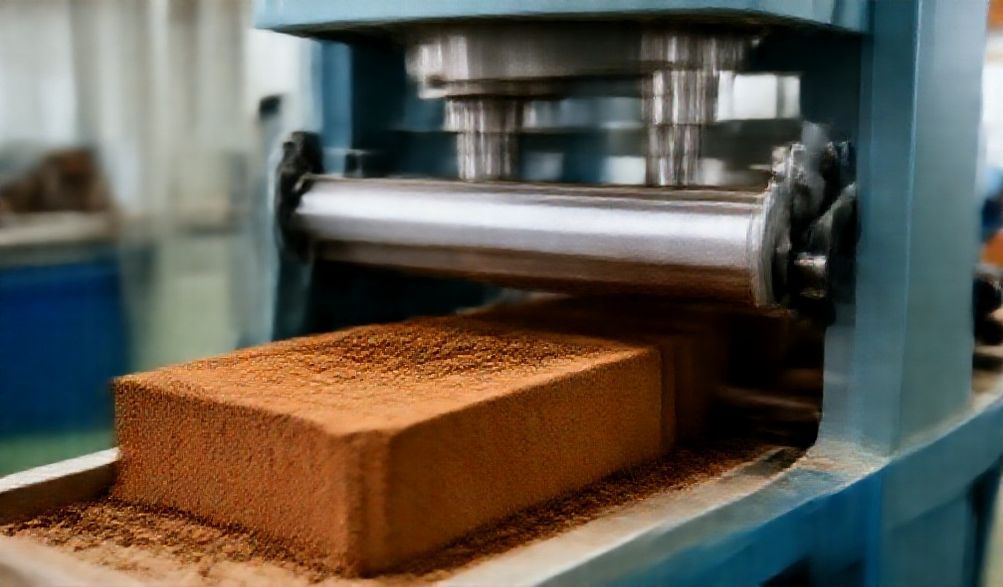
La Guía Definitiva sobre Máquinas para Fabricar Ladrillos de Adobe en China: Calidad, Costo y Cómo Elegir
Introducción
En una época definida por la conciencia climática y el pragmatismo económico, la industria de la construcción global está presenciando un poderoso resurgimiento. Constructores, arquitectos y comunidades están volviendo a uno de los materiales de construcción más antiguos y sensatos de la humanidad: la tierra. Los bloques de tierra comprimida (BTC), o ladrillos de barro modernos, ofrecen una sostenibilidad notable, ahorro de costos y rendimiento térmico. Sin embargo, el método tradicional de fabricarlos a mano es un cuello de botella: es laborioso, lento y produce resultados inconsistentes.
Aquí es donde la mecanización se convierte en el factor decisivo. Para emprendedores, contratistas y proyectos de desarrollo en todo el mundo, las máquinas chinas para fabricar ladrillos de adobe se han convertido en el elemento clave para una producción eficiente, escalable y económica. Estas máquinas cierran la brecha entre la sabiduría ancestral de los materiales y las exigencias de la ingeniería moderna.
Esta guía definitiva está elaborada a partir de un análisis exhaustivo de la industria, especificaciones técnicas y tendencias actuales del mercado. Nuestro objetivo es ser tu recurso más confiable, desglosando la complejidad para ofrecerte una hoja de ruta clara. Ya seas un constructor experimentado o estés iniciando un nuevo proyecto, aprenderás todo sobre los tipos, beneficios, criterios de selección y proceso de compra de unaMáquina para hacer ladrillos de adobe en China.
Al final, comprenderás cómo elegir el equipo adecuado, navegar por el panorama de la fabricación y realizar una inversión que impulse la construcción sostenible durante años venideros.
¿Por qué elegir una máquina para fabricar ladrillos de adobe?
Eficiencia y Escalabilidad para la Construcción Moderna
La ventaja más inmediata de una máquina es su salto dramático en productividad. La producción manual podría producir unos cientos de ladrillos por día con un equipo grande. Una prensa manual básica puede aumentar eso a 500-800 ladrillos diarios. Las máquinas semiautomáticas pueden producir de 1,000 a 3,000 ladrillos en un turno de 8 horas, mientras que las líneas completamente automáticas pueden superar los 10,000.
Esta escalabilidad transforma las posibilidades:
* Viabilidad del Proyecto:Permite la finalización oportuna de proyectos de vivienda más grandes, edificios comerciales o desarrollos comunitarios.
* Fundamento Empresarial:Convierte la producción de ladrillos de una actividad de subsistencia en una pequeña o mediana empresa (PYME) rentable.
* Flujo de Trabajo Consistente:Elimina la imprevisibilidad de la mano de obra manual, permitiendo una planificación y costeo preciso de proyectos.
Consistencia Inigualable e Integridad Estructural
Un edificio es tan fuerte como sus componentes individuales. La fabricación manual de ladrillos provoca variaciones en tamaño, densidad y contenido de humedad, comprometiendo la integridad estructural.
Las máquinas resuelven esto aplicando presión precisa y repetible:
* Densidad Uniforme:Cada ladrillo es compactado con la misma fuerza hidráulica o mecánica, garantizando una resistencia a la compresión uniforme.
* Dimensiones Estandarizadas:Los moldes intercambiables garantizan que cada ladrillo sea idéntico, lo que simplifica la colocación y reduce el uso de mortero.
* Seguridad Mejorada:La resistencia predecible permite realizar cálculos de ingeniería confiables, lo que conduce a edificios más seguros.
* Residuos Reducidos:La consistencia significa que se rechazan menos ladrillos en el sitio, optimizando el uso de materiales y los costos.
La Opción de Construcción Sostenible y Ecológica
Elegir ladrillos de adobe es una declaración ambiental; producirlos con una máquina hace que esa declaración sea escalable.
* Uso de Materiales Locales:Utiliza subsuelo del sitio o de origen local, reduciendo drásticamente la huella de carbono por transporte asociada con ladrillos cocidos o concreto.
* Baja Energía Incorporada:El proceso de producción requiere energía mínima en comparación con los hornos de alta temperatura utilizados para los ladrillos cocidos.
* Biodegradabilidad:Al final de su vida útil, un ladrillo de tierra sin estabilizar puede simplemente volver a la tierra.
* Masa Térmica Superior:Los ladrillos de tierra regulan naturalmente las temperaturas interiores, absorbiendo calor durante el día y liberándolo por la noche, reduciendo la dependencia de calefacción y enfriamiento mecánicos.
Tipos de Máquinas para Fabricar Ladrillos de Adobe de China
El mercado chino ofrece un espectro de máquinas, desde herramientas simples hasta sistemas industriales. Tu elección depende de la escala, el presupuesto y la disponibilidad de mano de obra.
Prensas Manuales: Nivel Básico y de Bajo Costo
Estas son máquinas accionadas por humanos, que utilizan un mecanismo de palanca o pedal para compactar la tierra en un molde.
* Operación:Un operador llena un molde con tierra húmeda y utiliza ventaja mecánica para comprimirla y formar un ladrillo.
* Ideal Para:Proyectos personales a pequeña escala, iniciativas de construcción lideradas por la comunidad, talleres de formación vocacional, o como una introducción de bajo riesgo a la producción de Bloques de Tierra Comprimida (BTC).
* Pros:
* Inversión inicial muy baja.
* No necesita electricidad ni combustible.
* Altamente portátil y sencillo de mantener.
* Contras:
* Alto requerimiento de labor física.
* Tasa de salida más baja.
* La resistencia del ladrillo puede variar según la consistencia del operador.
Máquinas Semiautomáticas: El Rendimiento Equilibrado
Esta categoría representa el punto ideal para la mayoría de las pequeñas y medianas empresas. Generalmente cuentan con un sistema hidráulico accionado por un motor eléctrico o diésel, e incluyen algunas funciones automatizadas como la alimentación o expulsión de material.
* Operación: The operator often controls the cycle with a button or lever, but the machine handles the high-pressure compaction.
* Ideal Para: SMEs, construction companies undertaking dedicated projects, and block-making yards supplying local markets.
* Pros:
* Excellent balance between cost, output, and automation.
* Significantly reduces physical strain.
* Produces high-strength, professional-grade bricks consistently.
* Contras:
* Higher upfront cost than manual presses.
* Requires a power source and basic technical knowledge for maintenance.
Fully Automatic Production Lines: For Industrial Output
These are complete factory systems designed for maximum output with minimal manual intervention.
* Operación: Integrated systems automatically handle soil feeding, mixing, conveying to the press, compression, brick ejection, and sometimes stacking or curing. They are often controlled by a Programmable Logic Controller (PLC).
* Ideal Para: Large-scale construction firms, major block manufacturers, and government housing projects requiring massive, steady brick supply.
* Pros:
* Highest possible production capacity.
* Labor costs are minimized.
* Ultimate consistency and process control.
* Contras:
* Very high capital investment.
* Complex installation and maintenance.
* Requires significant space and infrastructure.
Key Features to Evaluate in a Chinese Machine
Beyond the type, these core specifications determine a machine’s capability and longevity.
Core Specifications: Pressure, Output & Mold Versatility
- Compressive Force (Tonnage): This is critical. It determines the ultimate strength of your bricks. For stable, load-bearing bricks, look for machines offering 20 tons of pressure or more. Lighter-duty machines (5-10 tons) may only be suitable for non-structural applications.
- Capacidad de Producción: View stated “bricks per hour” figures with realism. These are often optimal lab conditions. Factor in time for mold changes, maintenance, and operator breaks. Ask for real-world case studies from the supplier.
- Moldes Intercambiables: Versatility adds value. Check if the supplier offers molds for various sizes (e.g., standard, half-block) and types:
- Solid bricks
- Hollow bricks (lighter, with better insulation)
- Interlocking bricks (requiring little to no mortar)
Build Quality & Durability Components
A machine is a long-term investment. Its construction dictates its lifespan.
* Construcción del Bastidor: The main frame should be made from thick, reinforced steel plate, not lightweight channel steel. A sturdy frame resists the immense internal forces and prevents misalignment.
* Sistema Hidráulico: This is the heart of the machine. Inquire about the brand of the hydraulic pump, valves, and cylinder. Reputable brands (e.g., Yuken, Rexroth) signal reliability. High-quality seals are essential to prevent leaks.
* Critical Wear Parts: Identify parts subject to the most friction and stress, such as wear plates in the compression chamber and the main piston. Ask about their material (hardened steel is best) and availability as spare parts.
Operational & Safety Considerations
- Requisitos de Energía: Choose between electric motor (cleaner, quieter for indoor use) or diesel engine (mobile, independent of grid power). Specify your local voltage and frequency (e.g., 220V/50Hz, 110V/60Hz) when ordering.
- Safety Features: Never compromise. Essential features include:
- Physical guards around moving parts and the compression area.
- An emergency stop button within easy reach.
- Two-hand operation controls on semi-automatic models to keep hands clear.
- Facilidad de Uso: Consider the training required. Clear control panels, comprehensive English manuals, and intuitive design reduce downtime and operator error.
Navigating the Chinese Manufacturing Market
Successfully sourcing from China requires a strategic, diligent approach.
Identifying Reputable Manufacturers & Suppliers
Experience and Authoritativeness are key. A supplier with 10+ years of specialized experience in brick machinery is preferable to a general equipment trader.
* Research Platforms: Use Alibaba.com as a starting directory, but prioritize dedicated B2B platforms for construction machinery or visit the official websites of manufacturers found there.
* Green Flags:
* Detailed, original photos and videos of the factory and production process.
* Willingness to provide customer references from your region.
* Professional, technical communication that answers your specific questions.
* Red Flags:
* Prices significantly lower than the market average.
* Stock photos only, refusal to do a video call.
* Vague answers about technical details or certifications.
The Critical Role of Certifications & Quality Control
Certifications are your first layer of risk mitigation.
* CE Mark: Indicates the machine meets EU health, safety, and environmental standards. It’s a strong indicator of a quality-conscious manufacturer.
* ISO 9001: Certifies that the company has a documented quality management system in place, promoting consistency.
* Action: Request copies of these certificates. Also, ask for their internal Quality Control (QC) checklist and pressure test reports for the hydraulic system.
Understanding Pricing: From Machine Cost to Landed Cost
The quoted “FOB price” is just the beginning. You must calculate the Landed Cost.
* Price Terms:
* FOB (Franco a Bordo): You pay for the machine loaded on the ship. You are responsible for all subsequent shipping, insurance, and import costs.
* CIF (Cost, Insurance & Freight): The supplier arranges and pays for shipping and insurance to your nearest port. You handle import duties and clearance.
* DDP (Delivered Duty Paid): The supplier handles everything to deliver the machine to your doorstep. Least hassle, but highest overall cost.
* Costos Ocultos: Always budget for:
* Sea freight and insurance.
* Import duties and taxes (vary by country).
* Customs clearance agent fees.
* Inland transportation from the port to your site.
* Costo Total de Propiedad: A slightly more expensive machine from a reputable supplier with better after-sales support often costs less over 5 years than a “bargain” machine that breaks down frequently with no spare parts available.
The Purchasing Process: From Inquiry to Installation
A structured process protects your investment.
Step 1: Effective Communication & Sample Requests
- Technical Inquiry: Send a detailed email. Specify your required brick size, target daily output, soil type (clay/sand ratio), and preferred power source.
- Proof of Performance: Ask for a video of the specific machine model running. Even better, some reputable suppliers offer soil testing—you send a sample, and they test it in their machine and send you the resulting bricks for evaluation.
Step 2: Securing Your Investment: Contracts & Payment
- The Contract: Ensure the Proforma Invoice (PI) or sales contract includes:
- Detailed technical specifications.
- Warranty terms and scope.
- Agreed delivery time (production + shipping).
- Packaging standards (export wooden crate).
- Payment Methods: Use secure channels.
- Letter of Credit (L/C): Secure for large orders, but involves bank fees.
- Trade Assurance/Escrow (on Alibaba): Offers good buyer protection for platform orders.
- Avoid large upfront wire transfers (e.g., 100% T/T before production). A 30% deposit, 70% before shipment is a common, safer structure.
Step 3: After-Sales Support: Warranty, Spares & Training
This is the ultimate test of a supplier’s Trustworthiness. A machine without support is a liability.
* Garantía: Standard is 12 months for parts (excluding wear parts). Clarify what is covered and the process for claiming.
* Refacciones: Request a spare parts catalog with part numbers and prices. Confirm the availability of a “wear parts kit” for common replacements.
* Soporte Técnico: Ensure you receive:
* A complete operation and maintenance manual in clear English.
* Wiring and hydraulic diagrams.
* Options for installation guidance: Will they provide video call support? Can you pay for an engineer to visit your site for commissioning and training?
Frequently Asked Questions (FAQ)
What is the typical price range for a mud brick machine from China?
Prices vary enormously with type and automation. Manual presses range from $1,000 to $5,000. Semi-automatic hydraulic machines typically fall between $8,000 and $25,000. Fully automatic production lines can start from $50,000 and go well above $150,000. Always factor in the landed cost, as detailed in our pricing section.
Can the machine work with the soil available in my region?
Most soils can be used, but the ideal composition is roughly 30% clay, 40% sand, and 30% silt. Many soils require a stabilizer (like 5-10% cement or lime) to achieve maximum strength and water resistance. We strongly recommend soil testing—either by sending a sample to the supplier or to a local lab—before purchase.
How do I handle maintenance and repairs for a machine from overseas?
Choose a supplier who provides a clear spare parts catalog and commits to shipping parts promptly. For complex hydraulic or electrical issues, having a local mechanic is invaluable. During purchase, prioritize suppliers who offer comprehensive manuals and remote video support to guide your local technician.
What is the lead time for production and shipping?
After order confirmation, standard machine production takes 15-30 days. Shipping via sea freight typically adds 30-45 days, depending on the destination port. Always confirm these timelines with your supplier and account for potential delays in customs clearance.
Are Chinese brick machines compatible with local electrical standards?
Yes, but you must specify your requirements during the order process. Reputable manufacturers can configure the electric motor, control panel, and wiring for your local standard (e.g., 220V/50Hz for most countries, 110V/60Hz for North America). This is a crucial specification for your contract.
Conclusión
The journey to modern, sustainable construction with compressed earth blocks is empowered by the right machinery. Chinese-manufactured mud bricks making machines offer a compelling blend of advanced engineering, scalability, and cost-effectiveness that is unmatched globally. From the humble manual press to the fully automated production line, there is a solution tailored to every project scale and ambition.
The key to unlocking this potential lies in informed, diligent selection. Prioritize machine specifications that match your soil and strength requirements, and never underestimate the paramount importance of build quality and robust after-sales support. Your relationship with the manufacturer is as critical as the machine itself.
Ready to transform your building project or business? Start by downloading our free ‘Supplier Question Checklist’ to confidently vet your next China mud bricks making machine partner. This practical tool will guide your conversations and ensure you cover every critical detail.
Have specific questions about soil compatibility or machine specs? Contact our expert team for a personalized consultation. We’re here to help you navigate the path to successful, sustainable brick production.
By investing in the right technology and partnerships today, you’re not just buying a machine—you’re building a foundation for affordable, durable, and eco-friendly construction that will benefit communities for generations to come.
<