
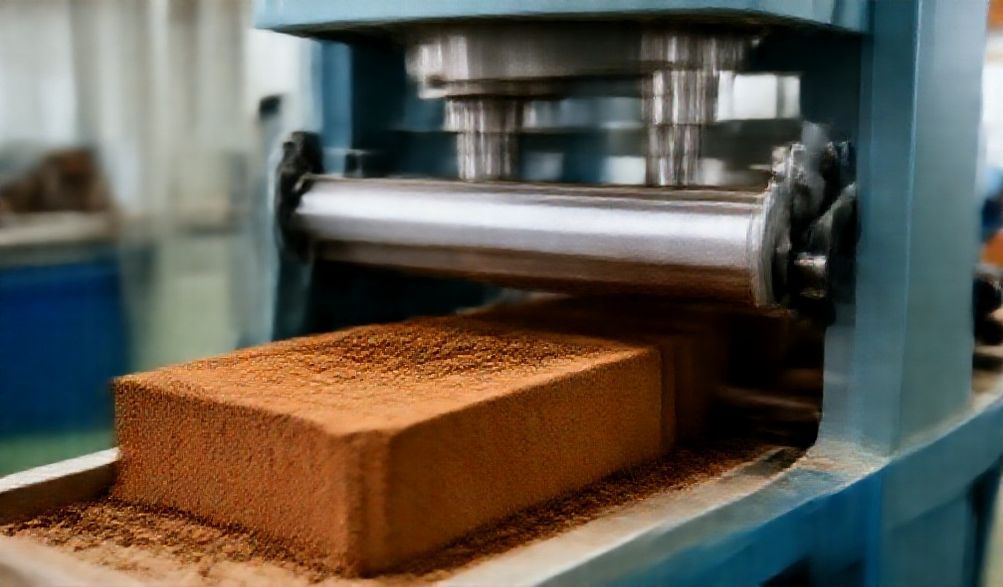
Ultima Ductor ad Sinenses Lutum Lateres Faciendi Machinas: Qualitas, Sumptus et Quomodo Eligere
Introductio
In aetate, quae conscientia climatis et prudentia oeconomica definitur, industria aedificatoria globalis validam resurgentiam spectat. Aedificatores, architecti, communitatesque ad unum ex vetustissimis et prudentissimis materiae aedificatoriae humanae revertuntur: terram. Lateres terrae compressi (CEBs), seu lateres lutum moderni, mirabilem sustentationem, impensarum reductionem, et efficaciam thermicam praebent. Attamen, modus traditus horum laterum manu faciendorum angustia est—laboriosus, tardus, et eventus inconstans efficit.
Hic est ubi machinatio ludum mutat. Pro inceptis, redemptoribus, et consiliis progressionis per orbem terrarum, machinae Sinicae ad lateres lutiles faciendos factae clavem fiunt ad productionem efficacem, expansibilem, et oeconomicam. Hae pontem inter priscam materiae sapientiam et postulata ingeniaria moderna iungunt.
Hic certus ductor ex accurata industriae analysi, technicis specificationibus, ac recentibus mercatus inclinationibus fabricatus est. Propositum nostrum est tibi fidelissimum subsidium esse, per implicata secantes ut perspicuum iter praebeamus. Sive aedificator peritus sis sive novum inceptum inchoes, omnia disces de generibus, commodis, eligendi normis, ac emendi processu pro aLateres Sinenses machina faciendos.
In fine, intelleges quomodo recta instrumenta eligas, fabricandi regionem percurras, et collocationem facias quae aedificationem durabilem per annos futuros alat.
Cur eligere Machina Laterum Lutulorum Faciendorum?
Efficentia et Scalabilitas pro Constructione Hodierna
Proximum machinae emolumentum est salitus mirificus in efficientia. Manifactio manu fortasse paucis centenis laterum per diem cum magna manu efficit. Pressura manualis fundamentalis id ad quingentos-octingentos lateres cotidie augere potest. Machinae semiautomaticae mille ad tria milia laterum in octo horarum vicem efficere possunt, dum lineae plene automaticae decem milia superare possunt.
Haec scalabilitas possibilitates transformat:
* Proiecti Viability:Permittit opportunam perfectionem maiorum operum habitationum, aedificiorum commercialium, vel progressionum communitatis.
* Fundamentum Negotiorum:Laterem productionem ex re necessaria in lucrosam parvam vel mediam negotiationem (SME) convertit.
* Constantis Operae Cursus:Excludit incertum effectum manuum operis, permittens accuratam consiliorum et sumptuum rationem.
Inconcussa Constantia et Integritas Structurae
Aedificium tantum valet quantum singulae partes eius. Lateres manu facti in magnitudine, densitate, umoreque variant, quod firmitatem structurae infirmat.
Machinae hoc solvunt pressione accurata et repetibili adhibita:
* Uniformis Densitas:Later omnis eadem vi hydraulica vel mechanica comprimitur, firmitatem compressionis constantem praestans.
* Normae DimensivaeFormae mutabiles singulos lateres idem esse praestant, structuram laterum expedientes et usum caementi minuentes.
* Securitas Amplificata:Vires praevidendae certas rationes machinales sinunt, quae ad aedificia tutiora ducunt.
* Reductus Vastitas:Constantia significat pauciores lateres in situ reici, usum materiae et sumptum optimans.
Sustentabilis et Amica Oecologiae Aedificii Electio
Lateres luteos eligere est sententia de ambitu; eos machina efficere hanc sententiam amplificabilem facit.
* Loci Materiae Usus:Subterraneo in situ vel locali utens, vestigium carbonis vehiculationis ad lateres coctos vel concretum pertinens vehementer minuit.
* Humilis Energia Corporata:Processus productionis minimam energiam requirit comparatus cum fornacibus altis temperaturae ad lateres coctos adhibitis.
* Biodegradabilitas:In fine vitae suae, later crudus sine stabilimento simpliciter in terram redire potest.
* Massa Caloris SuperiorLateres terreni temperaturas interiores naturaliter moderantur, caloris diei haurientes et nocte emittentes, ita fiducia in machinali calefactione et refrigeratione minuitur.
Genera Machinarum Laterum Lutulorum ex Sina
Mercatus Sinensis machinarum varietatem praebet, ab instrumentis simplicibus usque ad systemata industrialia. Electio tua a magnitudine, sumptu, et copia operarum pendet.
Machinae Manuales Pressoriae: Ingressus Gradus et Parvi Pretii
Haec sunt machinae vi humana actae, quae vecte vel pedali mechanismo utuntur ad solum in forma comprimendum.
* Operatio:Operans formam arcam humida terra implet et ope machinali eam in laterem comprimit.
* Idoneum Ad:Parva opera personalia, incepta aedificandi communitate ducta, officinae artium exercendarum, vel introductio humilis periculi ad productionem laterum coctorum.
* Pros:
Admodum humilis summae initialis.
Non electrica aut fomento opus est.
Facillime portabilis et facilis conservatu.
* Incommodis:
Magnum opus corporis requirit.
Extremus modus outputi.
Firmandi lateris vis cum constantia operarii variari potest.
Machinae Semiautomaticae: Aequilibris Artifex
This category represents the sweet spot for most small to medium businesses. They typically feature a hydraulic system powered by an electric motor or diesel engine, with some automated functions like material feeding or ejection.
* Operatio: The operator often controls the cycle with a button or lever, but the machine handles the high-pressure compaction.
* Idoneum Ad: SMEs, construction companies undertaking dedicated projects, and block-making yards supplying local markets.
* Pros:
* Excellent balance between cost, output, and automation.
* Significantly reduces physical strain.
* Produces high-strength, professional-grade bricks consistently.
* Incommodis:
* Higher upfront cost than manual presses.
* Requires a power source and basic technical knowledge for maintenance.
Fully Automatic Production Lines: For Industrial Output
These are complete factory systems designed for maximum output with minimal manual intervention.
* Operatio: Integrated systems automatically handle soil feeding, mixing, conveying to the press, compression, brick ejection, and sometimes stacking or curing. They are often controlled by a Programmable Logic Controller (PLC).
* Idoneum Ad: Large-scale construction firms, major block manufacturers, and government housing projects requiring massive, steady brick supply.
* Pros:
* Highest possible production capacity.
* Labor costs are minimized.
* Ultimate consistency and process control.
* Incommodis:
* Very high capital investment.
* Complex installation and maintenance.
* Requires significant space and infrastructure.
Key Features to Evaluate in a Chinese Machine
Beyond the type, these core specifications determine a machine’s capability and longevity.
Core Specifications: Pressure, Output & Mold Versatility
- Compressive Force (Tonnage): This is critical. It determines the ultimate strength of your bricks. For stable, load-bearing bricks, look for machines offering 20 tons of pressure or more. Lighter-duty machines (5-10 tons) may only be suitable for non-structural applications.
- Productio Capacitas: View stated “bricks per hour” figures with realism. These are often optimal lab conditions. Factor in time for mold changes, maintenance, and operator breaks. Ask for real-world case studies from the supplier.
- Formae Mutabiles: Versatility adds value. Check if the supplier offers molds for various sizes (e.g., standard, half-block) and types:
- Solid bricks
- Hollow bricks (lighter, with better insulation)
- Interlocking bricks (requiring little to no mortar)
Build Quality & Durability Components
A machine is a long-term investment. Its construction dictates its lifespan.
* Compages The main frame should be made from thick, reinforced steel plate, not lightweight channel steel. A sturdy frame resists the immense internal forces and prevents misalignment.
* Systema Hydraulicorum: This is the heart of the machine. Inquire about the brand of the hydraulic pump, valves, and cylinder. Reputable brands (e.g., Yuken, Rexroth) signal reliability. High-quality seals are essential to prevent leaks.
* Critical Wear Parts: Identify parts subject to the most friction and stress, such as wear plates in the compression chamber and the main piston. Ask about their material (hardened steel is best) and availability as spare parts.
Operational & Safety Considerations
- Potestatis Postulata: Choose between electric motor (cleaner, quieter for indoor use) or diesel engine (mobile, independent of grid power). Specify your local voltage and frequency (e.g., 220V/50Hz, 110V/60Hz) when ordering.
- Securitates: Never compromise. Essential features include:
- Physical guards around moving parts and the compression area.
- An emergency stop button within easy reach.
- Two-hand operation controls on semi-automatic models to keep hands clear.
- Facilitas Usus: Consider the training required. Clear control panels, comprehensive English manuals, and intuitive design reduce downtime and operator error.
Navigating the Chinese Manufacturing Market
Successfully sourcing from China requires a strategic, diligent approach.
Identifying Reputable Manufacturers & Suppliers
Experience and Authoritativeness are key. A supplier with 10+ years of specialized experience in brick machinery is preferable to a general equipment trader.
* Research Platforms: Use Alibaba.com as a starting directory, but prioritize dedicated B2B platforms for construction machinery or visit the official websites of manufacturers found there.
* Green Flags:
* Detailed, original photos and videos of the factory and production process.
* Willingness to provide customer references from your region.
* Professional, technical communication that answers your specific questions.
* Red Flags:
* Prices significantly lower than the market average.
* Stock photos only, refusal to do a video call.
* Vague answers about technical details or certifications.
The Critical Role of Certifications & Quality Control
Certifications are your first layer of risk mitigation.
* CE Mark: Indicates the machine meets EU health, safety, and environmental standards. It’s a strong indicator of a quality-conscious manufacturer.
* ISO 9001: Certifies that the company has a documented quality management system in place, promoting consistency.
* Actio. Request copies of these certificates. Also, ask for their internal Quality Control (QC) checklist and pressure test reports for the hydraulic system.
Understanding Pricing: From Machine Cost to Landed Cost
The quoted “FOB price” is just the beginning. You must calculate the Landed Cost.
* Price Terms:
* FOB (Liberum In Tabula): You pay for the machine loaded on the ship. You are responsible for all subsequent shipping, insurance, and import costs.
* CIF (Cost, Insurance & Freight): The supplier arranges and pays for shipping and insurance to your nearest port. You handle import duties and clearance.
* DDP (Delivered Duty Paid): The supplier handles everything to deliver the machine to your doorstep. Least hassle, but highest overall cost.
* Absconditi Sumptus: Always budget for:
* Sea freight and insurance.
* Import duties and taxes (vary by country).
* Customs clearance agent fees.
* Inland transportation from the port to your site.
* Summa Possessionis Impendii: A slightly more expensive machine from a reputable supplier with better after-sales support often costs less over 5 years than a “bargain” machine that breaks down frequently with no spare parts available.
The Purchasing Process: From Inquiry to Installation
A structured process protects your investment.
Step 1: Effective Communication & Sample Requests
- Technical Inquiry: Send a detailed email. Specify your required brick size, target daily output, soil type (clay/sand ratio), and preferred power source.
- Proof of Performance: Ask for a video of the specific machine model running. Even better, some reputable suppliers offer soil testing—you send a sample, and they test it in their machine and send you the resulting bricks for evaluation.
Step 2: Securing Your Investment: Contracts & Payment
- The Contract: Ensure the Proforma Invoice (PI) or sales contract includes:
- Detailed technical specifications.
- Warranty terms and scope.
- Agreed delivery time (production + shipping).
- Packaging standards (export wooden crate).
- Payment Methods: Use secure channels.
- Letter of Credit (L/C): Secure for large orders, but involves bank fees.
- Trade Assurance/Escrow (on Alibaba): Offers good buyer protection for platform orders.
- Avoid large upfront wire transfers (e.g., 100% T/T before production). A 30% deposit, 70% before shipment is a common, safer structure.
Step 3: After-Sales Support: Warranty, Spares & Training
This is the ultimate test of a supplier’s Trustworthiness. A machine without support is a liability.
* Cautio: Standard is 12 months for parts (excluding wear parts). Clarify what is covered and the process for claiming.
* Partes Suppetiales: Request a spare parts catalog with part numbers and prices. Confirm the availability of a “wear parts kit” for common replacements.
* Auxilium Technicum: Ensure you receive:
* A complete operation and maintenance manual in clear English.
* Wiring and hydraulic diagrams.
* Options for installation guidance: Will they provide video call support? Can you pay for an engineer to visit your site for commissioning and training?
Interrogationes Saepius Petitae (ISP)
What is the typical price range for a mud brick machine from China?
Prices vary enormously with type and automation. Manual presses range from Mille ad quinque milia dollariorum. Semi-automatic hydraulic machines typically fall between $8,000 and $25,000. Fully automatic production lines can start from $50,000 and go well above $150,000. Always factor in the landed cost, as detailed in our pricing section.
Can the machine work with the soil available in my region?
Most soils can be used, but the ideal composition is roughly 30% clay, 40% sand, and 30% silt. Many soils require a stabilizer (like 5-10% cement or lime) to achieve maximum strength and water resistance. We strongly recommend soil testing—either by sending a sample to the supplier or to a local lab—before purchase.
How do I handle maintenance and repairs for a machine from overseas?
Choose a supplier who provides a clear spare parts catalog and commits to shipping parts promptly. For complex hydraulic or electrical issues, having a local mechanic is invaluable. During purchase, prioritize suppliers who offer comprehensive manuals and remote video support to guide your local technician.
What is the lead time for production and shipping?
After order confirmation, standard machine production takes 15-30 days. Shipping via sea freight typically adds 30-45 days, depending on the destination port. Always confirm these timelines with your supplier and account for potential delays in customs clearance.
Are Chinese brick machines compatible with local electrical standards?
Yes, but you must specify your requirements during the order process. Reputable manufacturers can configure the electric motor, control panel, and wiring for your local standard (e.g., 220V/50Hz for most countries, 110V/60Hz for North America). This is a crucial specification for your contract.
Conclusio.
The journey to modern, sustainable construction with compressed earth blocks is empowered by the right machinery. Chinese-manufactured mud bricks making machines offer a compelling blend of advanced engineering, scalability, and cost-effectiveness that is unmatched globally. From the humble manual press to the fully automated production line, there is a solution tailored to every project scale and ambition.
The key to unlocking this potential lies in informed, diligent selection. Prioritize machine specifications that match your soil and strength requirements, and never underestimate the paramount importance of build quality and robust after-sales support. Your relationship with the manufacturer is as critical as the machine itself.
Ready to transform your building project or business? Start by downloading our free ‘Supplier Question Checklist’ to confidently vet your next China mud bricks making machine partner. This practical tool will guide your conversations and ensure you cover every critical detail.
Have specific questions about soil compatibility or machine specs? Contact our expert team for a personalized consultation. We’re here to help you navigate the path to successful, sustainable brick production.
By investing in the right technology and partnerships today, you’re not just buying a machine—you’re building a foundation for affordable, durable, and eco-friendly construction that will benefit communities for generations to come.
<