
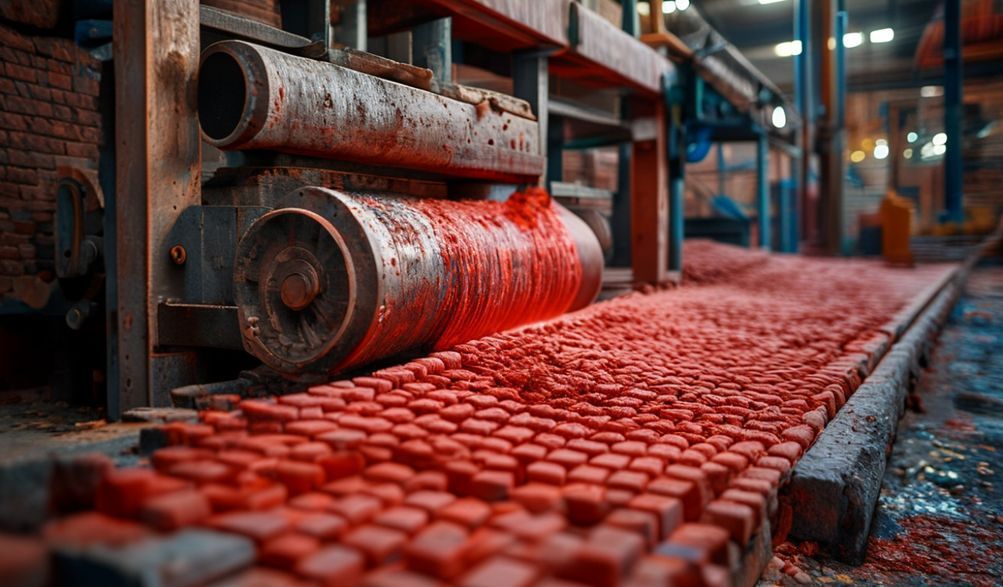
الدليل الشامل لآلات صنع الطوب الطيني في باكستان (دليل المشتري لعام 2026)
مقدمة
تعد صناعة البناء في باكستان حجر الزاوية في تنميتها الاقتصادية، حيث تشهد طلبًا لا يشبع على مواد البناء عالية الجودة. وفي صميم كل هيكل تقريبًا تكمن الطوبة المتواضعة - الوحدة الأساسية التي بنت المدن والمنازل لأجيال. وعلى مدى عقود، ظلت الطوب التقليديبهاتاكان نظام (الأفران) يعتمد على العمالة اليدوية والطرق الحرفية، وهو ما كان يهيمن على المشهد. أما اليوم، فإن تحولاً عميقاً يجري على قدم وساق. إذ يلجأ المصنّعون ذوو الرؤية المستقبلية إلى التكنولوجيا للتغلب على التحديات المستمرة وضمان مستقبلهم في سوق تنافسية.
إذا كنت مالكاً لفرن طوب، أو رائد أعمال في مجال البناء، أو مستثمراً، فمن المرجح أنك تواجه نقاط ألم مألوفة: جودة طوب غير متسقة تؤدي إلى شكاوى العملاء، وتكاليف عمالة مرتفعة ومتقلبة، وسرعات إنتاج لا تستطيع مواكبة مواعيد المشاريع، وعدم الكفاءة الموهنة لاستهلاك الوقود المرتفع. هذه المشاكل لا تقتصر على تقويض الأرباح فحسب؛ بل تهدد جدوى عملك ذاته.
الحل واضح: حديثآلات صنع الطوب الطيني في باكستانهذا لا يتعلق فقط باستبدال عدد قليل من العمال؛ بل يتعلق بإحداث ثورة في نموذج الإنتاج بأكمله. الاستثمار في الآلات المناسبة هو الخطوة الحاسمة نحو تحقيق جودة موحدة، ومكاسب هائلة في الإنتاج، وهوامش ربح أكثر صحة بشكل ملحوظ.
هذا الدليل مصمم ليكون مصدرك الأكثر ثقة. تم تجميعه من المواصفات الفنية التفصيلية، وتحليلات السوق الحالية، ورؤى مباشرة من مشغلي المصانع الباكستانيين والشركات المصنعة الراسخة، هدفنا هو تزويدك بمعرفة موثوقة قائمة على الخبرة. سنتجاوز المصطلحات التسويقية لنقدم خارطة طريق واضحة وشاملة لاتخاذ استثمار واثق ومستنير. سيتناول هذا الدليل الشامل أنواع الآلات المتاحة، وفوائدها الملموسة، وتحليل تكلفة واقعي، والعوامل الحاسمة التي يجب مراعاتها قبل شراءآلة صنع الطوب الطيني في باكستان.
فهم آلات صناعة الطوب الطيني
الانتقال من الإنتاج اليدوي إلى نظام ميكانيكي يُعد قفزة كبيرة. فهم الآليات الأساسية والخيارات المتاحة هو الخطوة الأولى نحو شراء ذكي.
كيف تعمل آلات صنع الطوب الطيني (العملية الأساسية)
تختلف التصميمات، لكن المبدأ الأساسي لآلة صنع الطوب الحديثة هو أتمتة وتحسين العملية القديمة. إليك شرح مبسط:
- تحضير الطين:يتم أولاً تغذية الطين الخام إلى الكسارة لتفتيت الكتل والحجارة. ثم يتم خلطه بالماء في مطحنة العجن لتحقيق قوام متجانس ولدن - وهي خطوة حاسمة لتحقيق القوة.
- البثق والتشكيل:يتم تغذية الطين المُعدّ في باثق الآلة. يقوم برغي قوي بدفع الطين عبر غرفة تفريغ (لإزالة جيوب الهواء لزيادة الكثافة) ثم عبر قالب مصمم خصيصًا. يقوم هذا القالب بتشكيل عمود الطين المستمر إلى المقطع العرضي المطلوب (صلب، مجوف، إلخ).
- قطععندما يخرج عمود الطين المشكل من القالب، تقوم سلك أو قاطع آلي بتقطيعه إلى طوب فردي بأطوال دقيقة ومتساوية.
- التجفيف والحرق:ثم يتم تجفيف الطوب الأخضر (غير المحروق) بعناية لإزالة الرطوبة قبل تحميله في فرن (هوفمان، نفق، إلخ) للحرق، حيث يكتسب صلابته ومتانته النهائية.
دور الآلة هو ضمان أن يكون كل لبنة من هذه العملية ذات أبعاد وكثافة وسلامة هيكلية متطابقة — وهو اتساق يستحيل تحقيقه مع القولبة اليدوية.
أنواع آلات صنع الطوب الطيني المتوفرة في باكستان
يقدم السوق الباكستاني حلولاً لكل نطاق من العمليات:
-
الآلات اليدوية/شبه الآلية:مثالي للمشاريع الناشئة الصغيرة، أو المشاريع الريفية، أو أولئك الذين يمتلكون رأس مال محدود.
- العملية:يتطلب تدخلاً يدوياً كبيراً لتغذية الطين وإزالة الطوب النهائي، بينما تتم عملية البثق والقطع ميكانيكياً.
- الإخراج:عادةً ما تنتج ما بين 2000 إلى 8000 طوبة في نوبة عمل مدتها 8 ساعات.
- حالة الاستخدام:مثالي لاختبار السوق، وتلبية الطلب المحلي، أو كخط إنتاج تكميلي.
-
مصانع الطوب الأوتوماتيكية بالكامل:الخيار الأمثل للإنتاج التجاري الجاد واسع النطاق.
- العملية:أنظمة متكاملة تؤتمت تغذية الطين، والبثق، والقطع، ووضع الطوب على عربات التجفيف أو المنصات. وغالبًا ما تتضمن مكدسات وحمّالات آلية.
- الإخراج:يمكن إنتاج من 15,000 إلى أكثر من 50,000 طوبة في كل وردية.
- حالة الاستخدام:للمصنعين الراسخين الذين يزودون مشاريع البناء الكبرى والمطورين والموزعين. إنهم يعظمون الإنتاج مع تقليل العمالة إلى الحد الأدنى.
-
آلات صناعة الطوب المتنقلة:حل متعدد الاستخدامات يكتسب شعبية.
- ميزة Mounted on a trailer, these units can be transported directly to a construction site or clay pit. This drastically reduces the cost and logistics of transporting heavy raw clay.
- حالة الاستخدام: Excellent for large, on-site projects like housing societies, dams, or where clay sources are scattered.
المكونات الرئيسية لآلة موثوقة
The durability and performance of your machine hinge on the quality of its core components:
- Extruder (Auger & Barrel): The heart of the machine. A high-grade steel auger and a reinforced, wear-resistant barrel are non-negotiable for consistent clay flow and pressure.
- Vacuum Chamber: This component removes air from the clay. A higher vacuum level (measured in Hg) results in denser, stronger bricks with fewer cracks.
- Cutter Assembly: Must provide clean, vibration-free cuts for precise brick dimensions. Look for sturdy wires or blades and a stable cutting mechanism.
- Control Panel & Gearbox: A user-friendly control system and a rugged, industrial-grade gearbox ensure smooth operation, easy troubleshooting, and long service life.
Investing in a machine with robust components might have a higher upfront cost but pays dividends in lower downtime, fewer repairs, and superior brick quality.
Benefits of Investing in a Modern Brick Making Machine in Pakistan
The transition to mechanization is an investment in your business’s future. Here are the concrete returns you can expect:
Dramatically Increased Production Output & Efficiency
A single semi-automatic machine can outperform 15-20 skilled manual laborers. Where a traditional setup might produce 8,000-10,000 bricks per day with a large crew, a medium-sized automatic plant can reliably produce 25,000+ bricks in the same timeframe, with a fraction of the workforce.
جودة الطوب المتفوقة والمتسقة
Machines eliminate human error. Every brick has:
* Precise dimensional accuracy (e.g., uniform 9″ x 4.5″ x 3″ size), essential for modern plastering and construction standards.
* Higher compressive strength due to better compaction and vacuum processing.
* Excellent finish and sharp edges, increasing their market value and appeal.
انخفاض كبير في تكاليف العمالة والاعتماد عليها
Automation reduces dependence on a large, often unpredictable, labor force. You need fewer skilled operators, leading to direct savings on wages and eliminating issues related to labor shortages or strikes.
Long-Term Cost Savings and Higher Profit Margins
While the initial investment is substantial, the operational savings are transformative. Reduced labor, lower fuel consumption per brick (due to faster kiln cycling), and minimal waste from rejected bricks all contribute to a lower cost per brick and significantly higher profit margins.
Versatility in Brick Products
With a simple mold change, a single machine can produce various products to meet market demand:
* Solid bricks for load-bearing walls.
* Hollow or perforated bricks for lighter, better-insulated structures.
* Paving bricks (block pavers) for landscaping and driveways.
* Special shapes for architectural features.
This flexibility allows you to diversify your product line and tap into multiple revenue streams.
Key Considerations Before Buying in Pakistan
A successful purchase goes beyond just selecting a machine. It requires careful planning tailored to Pakistani conditions.
Assessing Your Production Needs and Scale
اسأل نفسك:
* What is my current and projected future demand?
* Who are my customers (local market, contractors, large developers)?
* Calculate your required bricks per hour/day. It’s better to invest in a machine with 20-30% more capacity than your current need to allow for business growth.
Power Requirements: Electricity vs. Diesel
This is a critical decision point given Pakistan’s energy landscape.
* المحركات الكهربائية: Cleaner, quieter, and generally more efficient. However, they require a reliable, continuous power supply. A three-phase connection is usually necessary for industrial machines.
* محركات الديزل: A practical necessity in areas plagued by load-shedding. They offer complete independence from the grid but come with higher fuel costs, more noise, and greater maintenance needs.
* Hybrid Solution: Many opt for an electric machine paired with a dedicated generator as a backup, offering a balance of efficiency and reliability.
Clay Quality and Preparation
The machine is only as good as the clay you feed it. Pakistani clay varies by region.
* Testing: Have your clay tested for composition, plasticity, and shrinkage.
* الإعداد هو المفتاح Budget for and include auxiliary equipment: a clay crusher to break down hard lumps and a double-shaft mixer to ensure perfect water-clay amalgamation. Neglecting preparation will lead to machine jams, wear, and poor-quality bricks.
After-Sales Support: The Most Critical Factor
This cannot be overstated. A machine is a long-term asset that will require maintenance.
* الدعم الفني المحلي: Does the supplier have engineers readily available for installation, training, and breakdowns?
* Spare Parts Inventory: Are common wear parts (augers, liners, cutter wires) available in their local warehouse? Waiting months for a part from overseas can shut down your entire operation.
* تدريب شامل: Ensure they provide hands-on training for your operators and maintenance staff.
Choosing a supplier with a strong service network in Pakistan is more important than a slightly lower price from a supplier with no local presence.
Top Suppliers and Brands of Clay Brick Making Machines in Pakistan
Navigating the supplier landscape requires diligence. Here’s an overview (Note: This is a general market guide; always conduct your own due diligence).
Established Local Manufacturers and Assemblers
Several Pakistani engineering firms have developed strong expertise in manufacturing and assembling robust brick making machines. Their advantages include:
* فهم الظروف المحلية Machines are often designed with Pakistani clay and power issues in mind.
* Proximity for Service: Faster response times for technical support and maintenance.
* Easier Spare Parts Procurement.
Look for companies with a proven track record, a physical factory or workshop you can visit, and a list of satisfied clients you can contact.
Reliable International Brands with Local Dealers
Brands from China, India, and Europe have a significant market share, especially for fully automatic lines. Reputable brands have established official dealers or partners in major cities like Lahore, Karachi, and Islamabad.
* ميزة Often incorporate advanced technology and automation features.
* Key Action: Verify the legitimacy and capability of the local dealer. Ensure they have the technical staff and parts inventory to support the product.
Red Flags to Avoid When Choosing a Supplier
- No Physical Office or Workshop: Be wary of “fly-by-night” operators.
- Unrealistically Low Prices: If a quote seems too good to be true, it often is. Quality components have a cost.
- Vague or Unreasonable Warranty Terms: A clear, written warranty is essential.
- Unwillingness to Provide Client References: A reputable supplier will be proud to connect you with their existing customers.
- Pressure for Full Upfront Payment: Standard practice involves a significant advance, but be cautious of suppliers demanding 100% payment before delivery or installation.
Cost Analysis and Investment Guide
Understanding the full financial picture is crucial for planning and securing financing.
Price Range for Machines in Pakistan (PKR Estimates)
Prices are indicative and subject to change due to currency fluctuation, import duties, and model specifications.
* Small Semi-Automatic Machine: PKR 1.5 million to PKR 3.5 million.
* Medium-Capacity Fully Automatic Plant: PKR 5 million to PKR 15 million.
* Large, High-Capacity Automatic Line: PKR 20 million and above.
Always get detailed, itemized quotations from multiple suppliers.
Understanding the Total Cost of Ownership
The machine’s sticker price is just the beginning. Factor in:
* Installation & Foundation: Civil work for a stable machine base.
* المعدات المساعدة: Clay crusher, mixer, conveyor belts, generator.
* Utilities: Electrical setup, water connection.
* Spare Parts Inventory: An initial stock of essential wear parts.
* Operating Costs: Power/fuel, labor, regular maintenance.
Government Policies and Financing Options
- SME Support: Investigate if any provincial or federal programs offer soft loans or subsidies for industrial modernization.
- Bank Financing: Most commercial banks offer leasing or loan facilities for purchasing industrial machinery. Prepare a solid business plan.
- Import Regulations: If considering an imported machine, work with a reliable clearing agent to understand all applicable duties and taxes.
Installation, Operation, and Maintenance Tips
Proper setup and care ensure your investment delivers for years.
Setting Up Your Brick Plant for Success
- Layout: Design a logical flow from raw material yard → crusher → mixer → machine → drying area → kiln.
- Foundation: Pour a strong, level concrete foundation as per the machine manufacturer’s specifications to prevent vibration and misalignment.
- Utilities: Ensure your power supply (or generator capacity) and water source are adequate and easily accessible.
Essential Operator Training and Safety
- Insist on comprehensive training from your supplier.
- Enforce strict safety protocols: lock-out/tag-out procedures during maintenance, no loose clothing near moving parts, and proper use of personal protective equipment (PPE).
Routine Maintenance Checklist for Longevity
A little regular care prevents major breakdowns.
* Daily: Clean the machine thoroughly at the end of each shift. Check for loose bolts or nuts.
* Weekly: Grease all lubrication points. Inspect the cutter wires/blades and auger for wear.
* Monthly: Check the vacuum pump oil. Inspect electrical connections. Test safety switches.
* Annually: Schedule a comprehensive inspection by a qualified technician.
الأسئلة الشائعة (FAQ)
Q1: What is the average production capacity of a standard clay brick making machine in Pakistan?
أ: Capacity varies widely. A semi-automatic machine may produce 5,000 to 10,000 bricks per 8-hour shift. A standard fully automatic plant typically ranges from 18,000 to 35,000 bricks per shift. High-end lines can exceed 50,000.
Q2: Can I use local Pakistani clay in these machines?
أ: Absolutely. In fact, machines are designed for local materials. The key is proper preparation—the clay must be crushed, screened to remove stones and debris, and tempered to achieve the correct moisture content and plasticity for optimal extrusion.
Q3: What is the estimated payback period for this investment?
أ: With efficient operation and good market demand, a well-planned investment in a semi-automatic or automatic plant can typically see a full return on investment (ROI) within 1.5 to 3 years. Factors like scale, management efficiency, and local brick prices directly influence this timeline.
Q4: Are there any local manufacturers, or are all machines imported?
أ: Pakistan has a growing number of capable local manufacturers and assemblers who produce durable and efficient machines. They are a strong option, especially for their service advantages. Many fully automatic and high-tech lines are imported, but are supported through local dealers.
Q5: What warranty should I expect, and what does it usually cover?
أ: A reputable supplier should offer a minimum of 1 year on the core components like the gearbox, extruder main shaft, and vacuum system. The warranty covers manufacturing defects and should be clearly outlined in writing. It typically does not cover wear parts (like auger tips, cutter wires) or damage due to improper operation or lack of maintenance.
خاتمة
The decision to invest in a modern آلة صنع الطوب الطيني في باكستان is more than a purchase; it’s a strategic commitment to the growth, quality, and sustainability of your business. In an industry where margins are increasingly competitive, embracing mechanization is the clear path to securing a profitable future. It transforms your operation from a labor-intensive craft into a streamlined, quality-controlled industrial process.
Let this guide serve as your foundational checklist. We have emphasized the critical importance of local after-sales support, thorough needs assessment, and rigorous supplier verification because your success depends on it. The most prudent step you can take now is to use this knowledge to engage with shortlisted suppliers. Visit their facilities, inspect their machines in operation, and most importantly, speak directly to their existing customers.
Take the next step with confidence. Reach out to reputable suppliers, present them with your production requirements, and request detailed quotations. Equip yourself with the right questions, and make your investment a cornerstone for building a stronger, more profitable enterprise.
<