
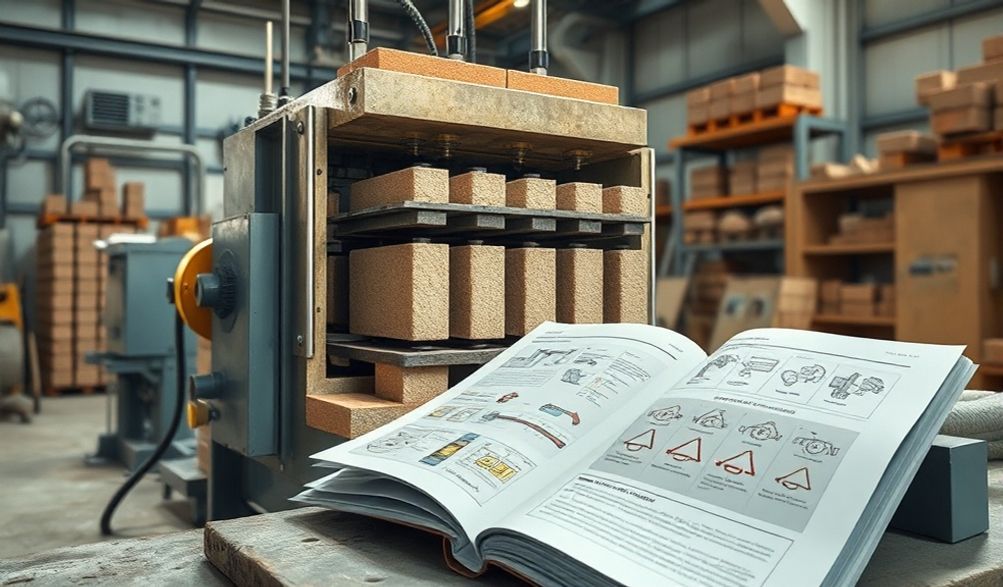
La Guía Definitiva para el Manual de su Máquina de Ladrillos: Operación, Mantenimiento y Solución de Problemas
Introducción
Esa pila de papel o archivo PDF etiquetado como "Manual de la Máquina de Ladrillos" puede parecer una lectura densa y técnica, pero es, sin exagerar, el activo más valioso en tu planta de producción de ladrillos. Esta guía definitiva sirve como tu compañero experto para comprender y utilizar ese documento. Ya seas un operador experimentado, un nuevo dueño de negocio o un técnico de mantenimiento, un conocimiento profundo del manual de tu máquina es indispensable para la seguridad, eficiencia y rentabilidad.
Aprovechamos décadas de experiencia colectiva en la industria para traducir la documentación técnica en conocimiento accionable. Con demasiada frecuencia, hemos visto manuales acumulando polvo en una oficina hasta que surge una crisis. Esta guía le ayudará a prevenir esas crisis, maximizar la vida útil y la producción de su máquina, y garantizar un entorno de trabajo seguro para todos en la planta. Considere esto su hoja de ruta autorizada para dominar el documento más importante en su operación de fabricación de ladrillos. Comencemos por entender por qué es tan crítico.
Por qué el Manual de tu Máquina de Ladrillos es Indispensable para el Éxito
Su máquina de ladrillos representa una inversión de capital significativa. El manual es la clave para proteger esa inversión. No es un folleto de sugerencias; es el plano de ingeniería para su pieza específica de equipo. Ignorarlo es un riesgo operativo y financiero.
El Plan para una Operación Segura
Esta es la función principal e innegociable del manual. Describe:
* Protocolos Críticos de Seguridad:Procedimientos paso a paso para el arranque seguro, la operación y el apagado.
* Identificación de Zonas de Peligro:Diagramas claros que muestran puntos de pellizco, puntos de corte, líneas hidráulicas de alta presión y riesgos eléctricos.
* Requisitos de EPP:Equipo de protección personal obligatorio para diferentes tareas, desde orejeras con cancelación de ruido hasta botas con punta de acero y lentes de seguridad.
En nuestra experiencia, la gran mayoría de los accidentes laborales prevenibles ocurren cuando estos protocolos de seguridad documentados se omiten por "conveniencia" o rapidez.
Maximizando la Vida Útil de las Máquinas y el Retorno de la Inversión
Tu retorno de la inversión (ROI) está directamente vinculado a qué tan bien sigas el manual. Este prescribe:
* Procedimientos Operativos Óptimos:Operar la máquina fuera de sus parámetros especificados (por ejemplo, velocidad, presión) provoca un desgaste excesivo.
* Programas de Mantenimiento Preventivo:Estos son calculados por ingenieros basándose en la fatiga de los componentes y las tasas de desgaste. Respetarlos evita que problemas pequeños y económicos se conviertan en fallas catastróficas y costosas.
Seguir el manual no es un gasto; es la forma más rentable de asegurar que tu máquina produzca ladrillos, y ganancias, durante años por venir.
Garantizar la Calidad Uniforme del Producto
Los ladrillos inconsistentes resultan en lotes rechazados, clientes insatisfechos y materiales desperdiciados. El manual es tu guía de control de calidad.
* Configuraciones Precisas:Proporciona la calibración exacta de la fuerza de compresión, la frecuencia de vibración y los tiempos de ciclo.
* Especificaciones del Material:Detalla las proporciones correctas de mezcla para el cemento, el agregado y el contenido de humedad del agua.
* Orientación sobre Moho y Tarimas:Las instrucciones sobre la limpieza de moldes y el acondicionamiento de paletas garantizan que cada ladrillo se desmolde limpiamente y tenga dimensiones y resistencia uniformes.
Descifrando las Secciones Clave del Manual de una Máquina de Ladrillos Estándar
Un manual bien estructurado se puede navegar de manera eficiente. Saber qué buscar y dónde lo convierte de un tomo intimidante en una herramienta útil.
Instrucciones de Seguridad e Identificación de Peligros
Esto siempre esCapítulo 1Presta la máxima atención a:
* Pictogramas de Seguridad:Símbolos universales para aplastamiento, descarga eléctrica y daño auditivo.
* Procedimientos de Bloqueo y Etiquetado (LOTO, por sus siglas en inglés).El proceso legalmente requerido para asegurar que una máquina esté desenergizada y no pueda ponerse en marcha durante el mantenimiento.
* Protocolos de Parada de Emergencia:La ubicación de todos los botones de parada de emergencia y la secuencia de respuesta correcta para diferentes tipos de fallas.
Especificaciones Técnicas y Glosario de Componentes
Este es el "certificado de nacimiento" de tu máquina. Los detalles clave incluyen:
* Capacidad:Producción (ladrillos por hora), tamaños de molde y presión máxima.
* Requisitos de Energía:Voltaje, fase y amperaje para garantizar el suministro eléctrico correcto.
* Hydraulic System Data: Required oil type, reservoir capacity, and operating pressure ranges.
* Component Glossary: A labeled diagram with the official names for every major part (hopper, mixer, conveyor, hydraulic ram, control panel). Using the correct terminology is crucial when ordering parts or describing a problem to a technician.
Step-by-Step Operational Procedures
This is the core “how-to” section. It should be linear and clear:
1. Initial Setup & Installation: Foundation requirements, leveling, and initial connection.
2. Power-On Sequence: The correct order to energize systems (e.g., main power, then hydraulics, then control system).
3. Daily Production Run: Loading material, starting the cycle, and monitoring operation.
4. Proper Shutdown Process: The reverse of startup, often including a cleaning cycle. An improper shutdown is a common cause of morning-startup jams.
The Proactive Maintenance Schedule: Your Manual’s Most Valuable Plan
Think of the maintenance schedule as a personalized health plan for your machine. Proactive care is infinitely cheaper than reactive repair.
Daily Checklists: The 10-Minute Ritual
These quick inspections prevent 80% of common issues.
* Pre-Start: Check hydraulic oil levels, inspect for loose bolts or leaks, ensure guards are in place, and verify the hopper is clear of debris.
* Post-Shutdown: Clean excess material from the mold, mixer, and conveyor. Lubricate all designated points (grease nipples) as specified. A clean machine is a reliable machine.
Weekly & Monthly Maintenance Tasks
These slightly more involved tasks sustain long-term health.
* Semanal Check and clean hydraulic filters (if indicated), inspect mold liners for wear or damage, and verify conveyor belt tension and alignment.
* Monthly: Perform a more thorough bolt-tightening check on vibrating tables and frames. Inspect electrical connections for corrosion. Test emergency stop functions.
Seasonal and Annual Overhauls
This is “deep care” time, often requiring more technical skill or a professional.
* Estacional: Tasks like changing hydraulic oil filters and checking the system for water contamination (especially in humid climates).
* Annual/Recommended Hourly: Major servicing such as replacing hydraulic oil entirely, inspecting and potentially replacing wear parts like seals and gaskets, and having a certified technician calibrate pressure sensors and the control system.
Advanced Troubleshooting: Using Your Manual to Diagnose Common Issues
When problems arise, your first move should be to grab the manual, not a wrench. It contains the diagnostic logic designed by the machine’s engineers.
Problem: Inconsistent Brick Density or Cracking
- Symptoms: Bricks are crumbly, have low strength, or exhibit surface or internal cracking.
- Manual Reference: Go to the Material SpecificationsyCalibration sections.
- Likely Causes & Checks:
- Incorrect material mix ratio (too much sand, not enough cement).
- Improper moisture content (too wet or too dry).
- Incorrect compression force or vibration time setting.
- Worn mold liners allowing too much “give.”
Problem: Machine Jamming or Hydraulic Issues
- Symptoms: Machine stalls mid-cycle, unusual noises from the hydraulic pump, slow ram movement.
- Manual Reference: Consult the Hydraulic System Diagram, Pressure ChartsyClearing Blockages procedure.
- Likely Causes & Checks:
- Low hydraulic oil level or contaminated oil.
- Clogged hydraulic filter causing pressure drop.
- A physical blockage in the mold or feed hopper.
- Faulty pressure relief valve (refer to error codes if equipped).
Problem: Electrical Faults or Control Panel Errors
- Symptoms: Machine won’t start, panel displays an error code, or a specific function (like the mixer) is inoperative.
- Manual Reference: Find the Error Code GlossaryyElectrical Schematic appendix.
- Likely Causes & Checks:
- Tripped circuit breaker or blown fuse (manual lists locations and ratings).
- Loose wire connection at a sensor or solenoid.
- Faulty sensor (e.g., limit switch) triggering a safety lockout.
- Crucial: Always follow LOTO procedures before inspecting electrical components.
Sourcing, Preserving, and Updating Your Manual
Your relationship with the manual is ongoing. Managing the document itself is part of professional operations.
How to Find a Lost or Replacement Manual
If the physical copy is lost, act quickly:
1. Manufacturer/Dealer: Contact them directly with your machine’s model and serial number. This is the most authoritative source.
2. Official Online Portals: Many manufacturers now host digital libraries on their websites.
3. Industry Forums & Archives: Sites for construction equipment can be helpful, but always verify information against an official source, especially for safety details.
Best Practices for Manual Preservation
- Create a Digital Backup: Scan a physical manual or save the official PDF to a cloud drive and a local computer. Ensure your team knows how to access it.
- Protect Physical Copies: Keep the original in a protective binder in the site office. A weather-resistant, marked copy on the shop floor can be useful for quick reference.
- Maintain a Logbook: Attach a simple notebook to the manual for operators to jot down recurring issues, part numbers replaced, or minor procedure tweaks. This creates invaluable site-specific knowledge.
Handling Manual Revisions and Factory Updates
Manufacturers occasionally issue updates to address newly discovered safety concerns or improve procedures.
* Register Your Equipment: Always complete the warranty/registration card. This puts you on the manufacturer’s list to receive technical bulletins.
* Check for Updates: Periodically check the manufacturer’s website using your model number.
* Integrate Revisions: Print and securely attach any official updates to your manual. Discard outdated pages to avoid confusion.
FAQ Section
Q1: My brick machine manual is in a foreign language. What should I do?
A: Your first and best step is to contact the manufacturer or an authorized dealer to request an official translation. As a temporary, high-caution measure, you can use a reputable professional translation service for key safety and operational sections. However, never rely solely on unofficial translations for complex calibration or repair procedures, as technical nuance can be lost.
Q2: Can I skip the daily maintenance if the machine seems to be running fine?
A: Absolutely not. Daily checks are preventative, not corrective. They are designed to catch issues antes they affect performance. Skipping them is akin to ignoring the “check engine” light in your car. The schedule is engineered based on wear patterns; adhering to it is the most cost-effective operational practice you can follow.
Q3: Is it safe to perform repairs myself using only the manual?
A: The manual should clearly distinguish between operator-level maintenance (e.g., cleaning, lubricating, simple part swaps) and technician-level repairs. You can safely perform the former. For any task involving hydraulics, high-voltage electrical systems, structural welding, or complex disassembly, the manual itself will likely advise contacting qualified personnel. Heed these warnings for your safety and to avoid voiding warranties.
Q4: The manual for my older machine is outdated. Are procedures still valid?
A: Core mechanical principles and fundamental safety protocols (like LOTO) remain timeless and valid. However, for part replacements, always strive to source current information from the manufacturer, as materials and specifications may have improved. Most critically, research online or contact the manufacturer to see if any official Safety BulletinsoTechnical Service Updates were issued after your manual’s publication date.
Conclusión
Your brick machine manual is far more than a booklet that comes in the box—it is the foundational document for a safe, efficient, and profitable operation. It embodies the engineering wisdom of its creators. By treating it as an essential, living tool and investing time to understand its instructions, schedules, and diagrams, you actively protect your team, your significant investment, and your business’s future.
Revisit it regularly, keep it accessible and updated, and never hesitate to consult with the manufacturer or a certified expert when in doubt. Let this guide and your official manual work in tandem to build a stronger, more reliable foundation for your success, one perfectly formed brick at a time.
<