
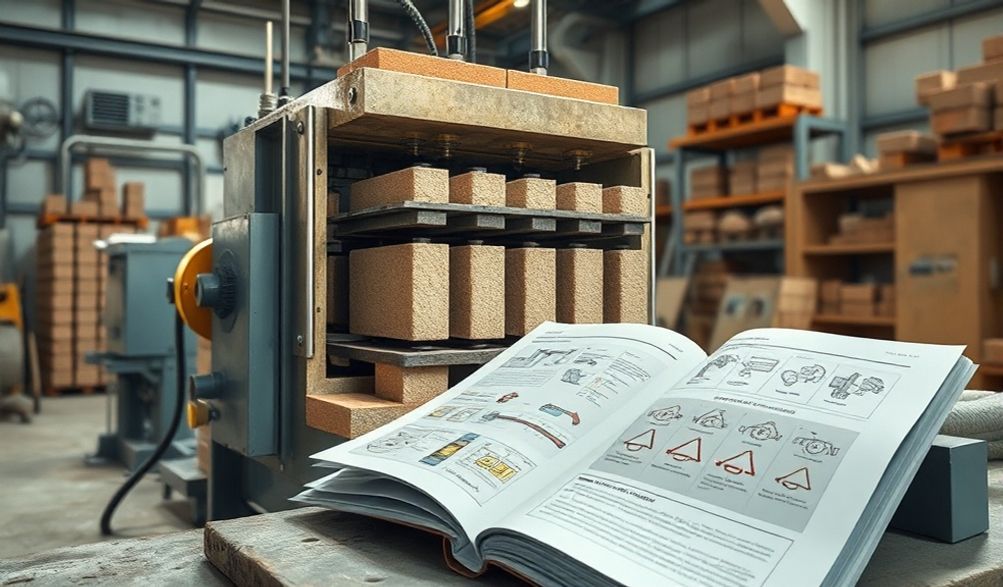
Gid Komplè pou Manyèl Machin Brik Ou: Operasyon, Antretyen ak Depannaj
Entwodiksyon
Pile papye sa a oswa fichye PDF ki gen etikèt "Manyèl Machin Brik" ka sanble li se yon lektè teknik ki difisil, men san eskize, li se pi gwo avantaj ou nan etablisman pwodiksyon brik ou. Gid definitif sa a sèvi kòm konpayon ekspè ou pou konprann epi itilize dokiman sa a. Kit ou se yon operatè ki gen eksperyans, yon nouvo pwopriyetè biznis, oswa yon teknisyen antretyen, yon konpreyansyon apwofondi manyèl machin ou a se yon obligasyon pou sekirite, efikasite, ak pwofitabilite.
Nou itilize plizyè deseni eksperyans kolektif nan endistri a pou tradui dokiman teknik yo an konesans aksyonab. Souvan, nou wè manyèl ki rete ap pran pousyè nan yon biwo jiskaske yon kriz frape. Gid sa a ap ede w anpeche kriz sa yo, maksimize dire lavi ak pwodiksyon machin ou a, epi asire yon anviwònman travay san danje pou tout moun ki nan atelye a. Konsidere sa a kòm wout ou otorize pou matrise dokiman ki pi enpòtan nan operasyon fabrikasyon brik ou a. Ann kòmanse pa konprann poukisa li tèlman enpòtan.
Poukisa Manyèl Machin Brik Ou a Esansyèl pou Siksè
Machin brik ou a reprezante yon envestisman kapital enpòtan. Manyèl la se kle pou pwoteje envestisman sa a. Se pa yon liv sijesyon; se plan jeni pou ekipman espesifik ou a. Neglije li se yon risk operasyonèl ak finansye.
Plan pou Operasyon an Sekirite
Sa se fonksyon prensipal, ki pa negosyab nan manyèl la. Li dekri:
* Pwotokòl Sekirite Kritik:Pwosedi etap pa etap pou demaraj, operasyon, ak fèmen an sekirite.
* Idantifikasyon Zòn Danje:Dyagram klè ki montre pwen pich, pwen taye, liy idwolik gwo presyon, ak danje elektrik.
* Ekipman Pwoteksyon Pèsonèl (EPP) Obligatwa:Ekipman pwoteksyon pèsonèl obligatwa pou diferan travay, depi nan zòrèy ki anile bri rive nan bòt ak pwent asye ak linèt sekirite.
Dapre eksperyans nou, majorite aksidan travay ki te kapab evite yo rive lè yo sote pwotokòl sekirite ki dokimante yo pou "konvenyans" oswa vitès.
Maksimize lavi machin ak retou sou envestisman
Retou sou envestisman ou an (ROI) dirèkteman depann de jan ou swiv manyèl la. Li preskri:
* Pwosedi Operasyon Optima:Kouri machin nan deyò paramèt espesifye li yo (pa egzanp, vitès, presyon) lakòz twòp chire.
* Orè Prevantif pou Antretyen:Yo kalkile pa enjenyè yo ki baze sou fatig konpozan yo ak pousantaj degradasyon yo. Swiv yo anpeche pwoblèm ti, ki pa chè yo vin tounen echèk katastwofik ak koute chè.
Swiv manuel la pa yon depans; se pi bon fason ki pi ekonomik pou asire machin ou a pwodui brik—ak pwofi—pou ane k ap vini yo.
Asire Kalite Pwodwi Ki Konstan
Brik ki pa konsistan mennen nan lot rejte, kliyan kontan, ak materyo ki gaspiye. Manyèl la se manyèl kontwòl kalite ou.
* Anviwònman Egzak:Li bay kalibrasyon egzak pou fòs konpresyon, frekans vibrasyon, ak tan sik.
* Espesifikasyon Materyèl Yo:Li detaye bon rapò melanj pou siman, agrega, ak kontni dlo nan imidite.
* Gid pou Mwazi ak Palèt:Enstriksyon sou netwayaj mwazi ak kondisyone palèt asire chak brik lage pwòp epi li gen dimansyon ak fòs inifòm.
Dekodaj Seksyon Kle nan yon Manyèl Machin Brik Estanda
Yon manyèl byen estriktire ka navige avèk efikasite. Lè w konnen sa pou w chèche ak kote pou w chèche, li transfore soti nan yon liv entimidant pou vin yon zouti itil.
Enstriksyon Sekirite ak Idantifikasyon Danje
Sa toujouChapit 1Pran anpil prekosyon pou:
* Piktogram Sekirite:Senbòl inivèsèl pou kraze, chòk elektrik, ak domaj nan tande.
* Pwosedi Blokaj ak Etikètaj (LOTO): The legally-required process to ensure a machine is de-energized and cannot be started during maintenance.
* Emergency Stop Protocols: The location of all E-stop buttons and the correct response sequence for different types of failures.
Technical Specifications and Component Glossary
This is your machine’s “birth certificate.” Key details include:
* Kapasite Output (bricks per hour), mold sizes, and maximum pressure.
* Egzijans Pouvwa: Voltage, phase, and amperage to ensure correct electrical supply.
* Hydraulic System Data: Required oil type, reservoir capacity, and operating pressure ranges.
* Component Glossary: A labeled diagram with the official names for every major part (hopper, mixer, conveyor, hydraulic ram, control panel). Using the correct terminology is crucial when ordering parts or describing a problem to a technician.
Step-by-Step Operational Procedures
This is the core “how-to” section. It should be linear and clear:
1. Initial Setup & Installation: Foundation requirements, leveling, and initial connection.
2. Power-On Sequence: The correct order to energize systems (e.g., main power, then hydraulics, then control system).
3. Daily Production Run: Loading material, starting the cycle, and monitoring operation.
4. Proper Shutdown Process: The reverse of startup, often including a cleaning cycle. An improper shutdown is a common cause of morning-startup jams.
The Proactive Maintenance Schedule: Your Manual’s Most Valuable Plan
Think of the maintenance schedule as a personalized health plan for your machine. Proactive care is infinitely cheaper than reactive repair.
Daily Checklists: The 10-Minute Ritual
These quick inspections prevent 80% of common issues.
* Pre-Start: Check hydraulic oil levels, inspect for loose bolts or leaks, ensure guards are in place, and verify the hopper is clear of debris.
* Post-Shutdown: Clean excess material from the mold, mixer, and conveyor. Lubricate all designated points (grease nipples) as specified. A clean machine is a reliable machine.
Weekly & Monthly Maintenance Tasks
These slightly more involved tasks sustain long-term health.
* Weekly: Check and clean hydraulic filters (if indicated), inspect mold liners for wear or damage, and verify conveyor belt tension and alignment.
* Monthly: Perform a more thorough bolt-tightening check on vibrating tables and frames. Inspect electrical connections for corrosion. Test emergency stop functions.
Seasonal and Annual Overhauls
This is “deep care” time, often requiring more technical skill or a professional.
* Sezonye Tasks like changing hydraulic oil filters and checking the system for water contamination (especially in humid climates).
* Annual/Recommended Hourly: Major servicing such as replacing hydraulic oil entirely, inspecting and potentially replacing wear parts like seals and gaskets, and having a certified technician calibrate pressure sensors and the control system.
Advanced Troubleshooting: Using Your Manual to Diagnose Common Issues
When problems arise, your first move should be to grab the manual, not a wrench. It contains the diagnostic logic designed by the machine’s engineers.
Problem: Inconsistent Brick Density or Cracking
- Symptoms: Bricks are crumbly, have low strength, or exhibit surface or internal cracking.
- Manual Reference: Go to the Material SpecificationsakCalibration sections.
- Likely Causes & Checks:
- Incorrect material mix ratio (too much sand, not enough cement).
- Improper moisture content (too wet or too dry).
- Incorrect compression force or vibration time setting.
- Worn mold liners allowing too much “give.”
Problem: Machine Jamming or Hydraulic Issues
- Symptoms: Machine stalls mid-cycle, unusual noises from the hydraulic pump, slow ram movement.
- Manual Reference: Consult the Hydraulic System Diagram, Pressure ChartsakClearing Blockages procedure.
- Likely Causes & Checks:
- Low hydraulic oil level or contaminated oil.
- Clogged hydraulic filter causing pressure drop.
- A physical blockage in the mold or feed hopper.
- Faulty pressure relief valve (refer to error codes if equipped).
Problem: Electrical Faults or Control Panel Errors
- Symptoms: Machine won’t start, panel displays an error code, or a specific function (like the mixer) is inoperative.
- Manual Reference: Find the Error Code GlossaryakElectrical Schematic appendix.
- Likely Causes & Checks:
- Tripped circuit breaker or blown fuse (manual lists locations and ratings).
- Loose wire connection at a sensor or solenoid.
- Faulty sensor (e.g., limit switch) triggering a safety lockout.
- Crucial: Always follow LOTO procedures before inspecting electrical components.
Sourcing, Preserving, and Updating Your Manual
Your relationship with the manual is ongoing. Managing the document itself is part of professional operations.
How to Find a Lost or Replacement Manual
If the physical copy is lost, act quickly:
1. Manufacturer/Dealer: Contact them directly with your machine’s model and serial number. This is the most authoritative source.
2. Official Online Portals: Many manufacturers now host digital libraries on their websites.
3. Industry Forums & Archives: Sites for construction equipment can be helpful, but always verify information against an official source, especially for safety details.
Best Practices for Manual Preservation
- Create a Digital Backup: Scan a physical manual or save the official PDF to a cloud drive and a local computer. Ensure your team knows how to access it.
- Protect Physical Copies: Keep the original in a protective binder in the site office. A weather-resistant, marked copy on the shop floor can be useful for quick reference.
- Maintain a Logbook: Attach a simple notebook to the manual for operators to jot down recurring issues, part numbers replaced, or minor procedure tweaks. This creates invaluable site-specific knowledge.
Handling Manual Revisions and Factory Updates
Manufacturers occasionally issue updates to address newly discovered safety concerns or improve procedures.
* Register Your Equipment: Always complete the warranty/registration card. This puts you on the manufacturer’s list to receive technical bulletins.
* Check for Updates: Periodically check the manufacturer’s website using your model number.
* Integrate Revisions: Print and securely attach any official updates to your manual. Discard outdated pages to avoid confusion.
FAQ Section
Q1: My brick machine manual is in a foreign language. What should I do?
A: Your first and best step is to contact the manufacturer or an authorized dealer to request an official translation. As a temporary, high-caution measure, you can use a reputable professional translation service for key safety and operational sections. However, never rely solely on unofficial translations for complex calibration or repair procedures, as technical nuance can be lost.
Q2: Can I skip the daily maintenance if the machine seems to be running fine?
A: Absolutely not. Daily checks are preventative, not corrective. They are designed to catch issues before they affect performance. Skipping them is akin to ignoring the “check engine” light in your car. The schedule is engineered based on wear patterns; adhering to it is the most cost-effective operational practice you can follow.
Q3: Is it safe to perform repairs myself using only the manual?
A: The manual should clearly distinguish between operator-level maintenance (e.g., cleaning, lubricating, simple part swaps) and technician-level repairs. You can safely perform the former. For any task involving hydraulics, high-voltage electrical systems, structural welding, or complex disassembly, the manual itself will likely advise contacting qualified personnel. Heed these warnings for your safety and to avoid voiding warranties.
Q4: The manual for my older machine is outdated. Are procedures still valid?
A: Core mechanical principles and fundamental safety protocols (like LOTO) remain timeless and valid. However, for part replacements, always strive to source current information from the manufacturer, as materials and specifications may have improved. Most critically, research online or contact the manufacturer to see if any official Safety BulletinsoswaTechnical Service Updates were issued after your manual’s publication date.
Konklizyon
Your brick machine manual is far more than a booklet that comes in the box—it is the foundational document for a safe, efficient, and profitable operation. It embodies the engineering wisdom of its creators. By treating it as an essential, living tool and investing time to understand its instructions, schedules, and diagrams, you actively protect your team, your significant investment, and your business’s future.
Revisit it regularly, keep it accessible and updated, and never hesitate to consult with the manufacturer or a certified expert when in doubt. Let this guide and your official manual work in tandem to build a stronger, more reliable foundation for your success, one perfectly formed brick at a time.
<