
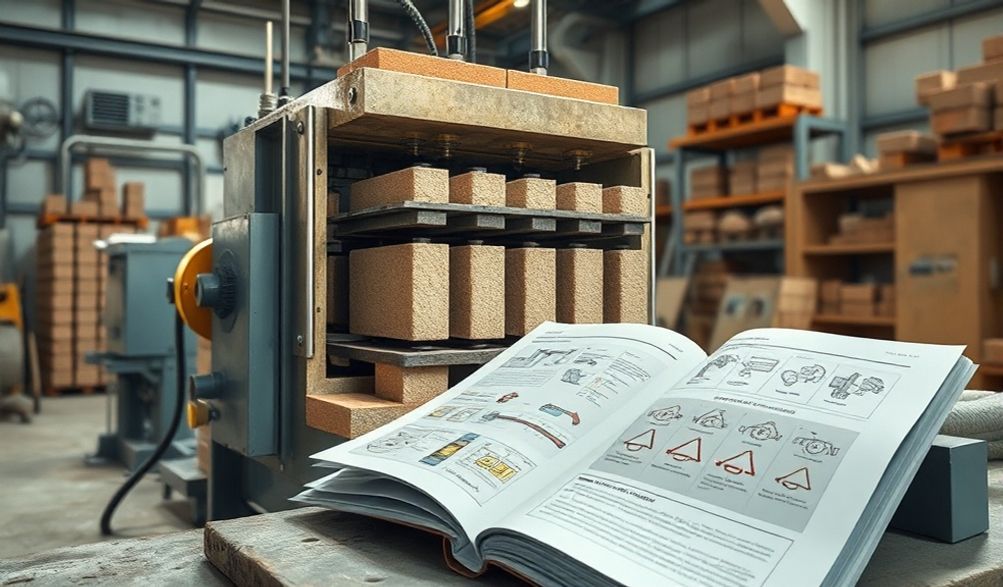
Ingamba yo Kwiga Igitabo cy’Ibyifuzo bya Machine ya Brike: Ukoresha, Kugenzura no Gukemura Ibibazo
Intangamarara
Uru rupapuro rushobora kuba ari urwandiko cyangwa dosiye ya PDF ifite umukono utubara "Icyitonderwa cy'ikoranabuhanga ry'ububiko bw'amatafari", birashobora kuboneka nk'ibyanditswe bikomeye kandi bishobora kuba ingorane mu gusoma, ariko mu kuri, birashobora kuba umutungo ukomeye cyane mu ruganda rwawe rw'ububiko bw'amatafari. Iki cyitonderwa gikomeye kigufasha gusobanukirwa no gukoresha neza iryo wandiko. Niba uri umukozi ufite ubuhanga, umwishingizi w'ubucuruzi mushya, cyangwa umukozi w'ubukanishi, gusobanukirwa neza ibikubiye mu cyitonderwa cy'ububiko bwawe ni ngombwa kugirango wizere amahoro, ubwiza, no kunoza umusaruro.
Dufata ku buhanga bw’imyaka irenga twize mu rwego rw’ubucuruzi kugira ngo duhindure inyandiko z’ubumenyi mu bumenyi bushobora gukoreshwa. Akenshi twabonye ko ibikoresho by’ingenzi byasigaye birakurwa ubukungu biracyari mu biro kugeza igihe amakuba atangiye. Iki gikoresho kizagufasha kwirinda amakuba, kongera ubuzima bw’umashini wawe n’umusaruro, no kureba neza ko ahakorera hose hari umutekano. Tekereza ko ari uyu mwongozo ukomeye wo gusobanukirwa inyandiko ingenzi mu bikorwa byawe byo kubaka. Dutebere tubanza gusobanukirwa impamvu ari ingenzi cyane.
Kuki Buku y'Ubukoresha ya Machine ya Bikwe Ntishobora Kurengwa kugirango Ushobore Gutsinda
Mashini yawe ya briki ishobora kuba yaraguze cyane. Inyandiko y'ibikorwa (manual) ni urufunguzo rwo kurinda uwo mwanya. Ntabwo ari igitabo cy'ibitekerezo; ahubwo ni inyandiko y'ubumenyi bw'ubuhanzi bwashyizweho kugirango ishobore gukora neza. Kuyirengagiza bishobora gutuma ugira ibibazo mu bikorwa no mu by'ubucuruzi.
Uburyo Bwiza Bwo Gukoresha neza
Iyi ni inshingano nyamukuru y’iki gitabo, itavugururwa. Isobanura ibi bikurikira:
* Porotokole z'Umutekano Zigenga.Uburyo bwo gutangira, gukoresha no guhagarika ibikoresho mu buryo bukwiye.
* Guhuza Ibibazo bya Leta:Ibiranganisho bigaragara bishingiye ku mbonerahamwe bigaragaza ahantu hatwara ibintu, aho haba imikanyagiso, imiyoboro y’amazi y’amashanyarazi, n’ibibazo by’amashanyarazi.
* Ibikenewe byo kwambara mu gihe cyo kurwanya indwara:Ibikoresho bisabwa byo kwirinda ku mubiri kuri buri kazi, kuva mu mabati y'amatwi yirinda urusaku kugeza mu inkweto zifite ibyuma mu mbere n'ibyirahure byo kwirinda.
Mu buhanga bwacu, ibyago byinshi byo mu kazi bishobora gukumirwa bibaho igihe inzira zisanzwe z’umutekano zanditswe zirengerwa ku bw’ "ubworohere" cyangwa kugira ngo byihutishe.
Gukoresha Imashini mu buryo Buzira Amagara Kandi Bikazanye Inyungu
Inyungu yawe y’amafaranga (ROI) ihuza neza n’uko ukurikiza neza ibikubiye mu itangazamakuru. Iri tangazamakuru rigira rigira ngo:
* Imikorere Myiza y'Ikora:Kugurisha umashini inyuma y'ibisabwa byagenwe (urugero, umuvuduko, ingufu) bishobora gutera igisebe cyinshi.
* Gahunda zo Kurinda no KubungabungaIzo zibarurwa n’abanyabwenge mu by’ubumenyi bwa siyansi, bigendeye ku gipimo cy’umunaniro n’ubukana bw’ibice by’ikinyabiziga. Kurikurwa kwazo bigatuma ibibazo bito kandi bitagurana amafaranga mensha bitazavamo ingaruka zikomeye kandi zishobora gutera amakuba menshi.
Gukurikira ibikubi ntabwo ari igiciro; ni uburyo bworoshye cyane bwo kumenya ko mashini yawe ikora amatafari—kandi ikazana inyungu—imyaka myinshi izaza.
Kugira Ubwiza Bwihuse bw’Ibicuruzwa
Amabati atari aho bisaba bisaba bisabwa bisabwa, abakiriya batishimiye, n'ibikoresho byasimbuwe. Igitabo cy'ibikorwa ni igitabo cyawe cyo gukora ibikoresho byiza.
* Igenzura rusangeIha ukuringaniza rwose rw’ingufu zo gukanya, umuvuduko w’inyigisho, n’igihe cy’umuzenguruko.
* Ibyifuzo by'ibikoresho:Ibisobanura uburyo bukwiye bwo guhuza sima, ibyatsi by’amabuye, n’ubushyuhe bw’amazi.
* Inzira yo Gukoresha Imyanda y’ibikoresho n’ibikoresho by’ibitiAmabwiriza ku bijyanye no gusukura ibishishwa no gutunganya ibyuma byo gutereka amatafari byemeza ko buri tafari rigasohoka bihebuje kandi rifite ubunini n’imbaraga zingana.
Gusobanura Imirongo Shingiro mu Gitabo cy’Ibyifuzo cy’Umashini w’Amatafari
Inyandiko y'ibikorwa yateguwe neza ishobora kuyikoresha mu buryo bwihuse. Kubimenya icyo ushaka no kumenya aho ubikura bigatuma ikaba igikoresho gikora mu buryo bwiza aho kuba igitabo gikomeye cyangwa gikubye kabisa.
Amabwiriza yo kurengera umutekano n'ibibazo bishobora gutera ingaruka
Ibi birashobokaIgice cya 1Shyiramo umwete ukomeye:
* Ibiranga Ibibazo by'Ubuzima:Ibiranga bya rusange byo gukanyaga, gukubitwa n'amashanyarazi, no kumva ibyago.
* Inzira zo Gufunga no Gutaga (LOTO) The legally-required process to ensure a machine is de-energized and cannot be started during maintenance.
* Emergency Stop Protocols: The location of all E-stop buttons and the correct response sequence for different types of failures.
Technical Specifications and Component Glossary
This is your machine’s “birth certificate.” Key details include:
* Capacity: Output (bricks per hour), mold sizes, and maximum pressure.
* Ibikenewe by'ingufu: Voltage, phase, and amperage to ensure correct electrical supply.
* Hydraulic System Data: Required oil type, reservoir capacity, and operating pressure ranges.
* Component Glossary: A labeled diagram with the official names for every major part (hopper, mixer, conveyor, hydraulic ram, control panel). Using the correct terminology is crucial when ordering parts or describing a problem to a technician.
Step-by-Step Operational Procedures
This is the core “how-to” section. It should be linear and clear:
1. Initial Setup & Installation: Foundation requirements, leveling, and initial connection.
2. Power-On Sequence: The correct order to energize systems (e.g., main power, then hydraulics, then control system).
3. Daily Production Run: Loading material, starting the cycle, and monitoring operation.
4. Proper Shutdown Process: The reverse of startup, often including a cleaning cycle. An improper shutdown is a common cause of morning-startup jams.
The Proactive Maintenance Schedule: Your Manual’s Most Valuable Plan
Think of the maintenance schedule as a personalized health plan for your machine. Proactive care is infinitely cheaper than reactive repair.
Daily Checklists: The 10-Minute Ritual
These quick inspections prevent 80% of common issues.
* Pre-Start: Check hydraulic oil levels, inspect for loose bolts or leaks, ensure guards are in place, and verify the hopper is clear of debris.
* Post-Shutdown: Clean excess material from the mold, mixer, and conveyor. Lubricate all designated points (grease nipples) as specified. A clean machine is a reliable machine.
Weekly & Monthly Maintenance Tasks
These slightly more involved tasks sustain long-term health.
* Buri cyumweru: Check and clean hydraulic filters (if indicated), inspect mold liners for wear or damage, and verify conveyor belt tension and alignment.
* Monthly: Perform a more thorough bolt-tightening check on vibrating tables and frames. Inspect electrical connections for corrosion. Test emergency stop functions.
Seasonal and Annual Overhauls
This is “deep care” time, often requiring more technical skill or a professional.
* Seasonal: Tasks like changing hydraulic oil filters and checking the system for water contamination (especially in humid climates).
* Annual/Recommended Hourly: Major servicing such as replacing hydraulic oil entirely, inspecting and potentially replacing wear parts like seals and gaskets, and having a certified technician calibrate pressure sensors and the control system.
Advanced Troubleshooting: Using Your Manual to Diagnose Common Issues
When problems arise, your first move should be to grab the manual, not a wrench. It contains the diagnostic logic designed by the machine’s engineers.
Problem: Inconsistent Brick Density or Cracking
- Symptoms: Bricks are crumbly, have low strength, or exhibit surface or internal cracking.
- Manual Reference: Go to the Material SpecificationsnaCalibration sections.
- Likely Causes & Checks:
- Incorrect material mix ratio (too much sand, not enough cement).
- Improper moisture content (too wet or too dry).
- Incorrect compression force or vibration time setting.
- Worn mold liners allowing too much “give.”
Problem: Machine Jamming or Hydraulic Issues
- Symptoms: Machine stalls mid-cycle, unusual noises from the hydraulic pump, slow ram movement.
- Manual Reference: Consult the Hydraulic System Diagram, Pressure ChartsnaClearing Blockages procedure.
- Likely Causes & Checks:
- Low hydraulic oil level or contaminated oil.
- Clogged hydraulic filter causing pressure drop.
- A physical blockage in the mold or feed hopper.
- Faulty pressure relief valve (refer to error codes if equipped).
Problem: Electrical Faults or Control Panel Errors
- Symptoms: Machine won’t start, panel displays an error code, or a specific function (like the mixer) is inoperative.
- Manual Reference: Find the Error Code GlossarynaElectrical Schematic appendix.
- Likely Causes & Checks:
- Tripped circuit breaker or blown fuse (manual lists locations and ratings).
- Loose wire connection at a sensor or solenoid.
- Faulty sensor (e.g., limit switch) triggering a safety lockout.
- Crucial: Always follow LOTO procedures before inspecting electrical components.
Sourcing, Preserving, and Updating Your Manual
Your relationship with the manual is ongoing. Managing the document itself is part of professional operations.
How to Find a Lost or Replacement Manual
If the physical copy is lost, act quickly:
1. Manufacturer/Dealer: Contact them directly with your machine’s model and serial number. This is the most authoritative source.
2. Official Online Portals: Many manufacturers now host digital libraries on their websites.
3. Industry Forums & Archives: Sites for construction equipment can be helpful, but always verify information against an official source, especially for safety details.
Best Practices for Manual Preservation
- Create a Digital Backup: Scan a physical manual or save the official PDF to a cloud drive and a local computer. Ensure your team knows how to access it.
- Protect Physical Copies: Keep the original in a protective binder in the site office. A weather-resistant, marked copy on the shop floor can be useful for quick reference.
- Maintain a Logbook: Attach a simple notebook to the manual for operators to jot down recurring issues, part numbers replaced, or minor procedure tweaks. This creates invaluable site-specific knowledge.
Handling Manual Revisions and Factory Updates
Manufacturers occasionally issue updates to address newly discovered safety concerns or improve procedures.
* Register Your Equipment: Always complete the warranty/registration card. This puts you on the manufacturer’s list to receive technical bulletins.
* Check for Updates: Periodically check the manufacturer’s website using your model number.
* Integrate Revisions: Print and securely attach any official updates to your manual. Discard outdated pages to avoid confusion.
FAQ Section
Q1: My brick machine manual is in a foreign language. What should I do?
A: Your first and best step is to contact the manufacturer or an authorized dealer to request an official translation. As a temporary, high-caution measure, you can use a reputable professional translation service for key safety and operational sections. However, never rely solely on unofficial translations for complex calibration or repair procedures, as technical nuance can be lost.
Q2: Can I skip the daily maintenance if the machine seems to be running fine?
A: Absolutely not. Daily checks are preventative, not corrective. They are designed to catch issues mbere they affect performance. Skipping them is akin to ignoring the “check engine” light in your car. The schedule is engineered based on wear patterns; adhering to it is the most cost-effective operational practice you can follow.
Q3: Is it safe to perform repairs myself using only the manual?
A: The manual should clearly distinguish between operator-level maintenance (e.g., cleaning, lubricating, simple part swaps) and technician-level repairs. You can safely perform the former. For any task involving hydraulics, high-voltage electrical systems, structural welding, or complex disassembly, the manual itself will likely advise contacting qualified personnel. Heed these warnings for your safety and to avoid voiding warranties.
Q4: The manual for my older machine is outdated. Are procedures still valid?
A: Core mechanical principles and fundamental safety protocols (like LOTO) remain timeless and valid. However, for part replacements, always strive to source current information from the manufacturer, as materials and specifications may have improved. Most critically, research online or contact the manufacturer to see if any official Safety BulletinscyangwaTechnical Service Updates were issued after your manual’s publication date.
Ibyo byose
Your brick machine manual is far more than a booklet that comes in the box—it is the foundational document for a safe, efficient, and profitable operation. It embodies the engineering wisdom of its creators. By treating it as an essential, living tool and investing time to understand its instructions, schedules, and diagrams, you actively protect your team, your significant investment, and your business’s future.
Revisit it regularly, keep it accessible and updated, and never hesitate to consult with the manufacturer or a certified expert when in doubt. Let this guide and your official manual work in tandem to build a stronger, more reliable foundation for your success, one perfectly formed brick at a time.
<