
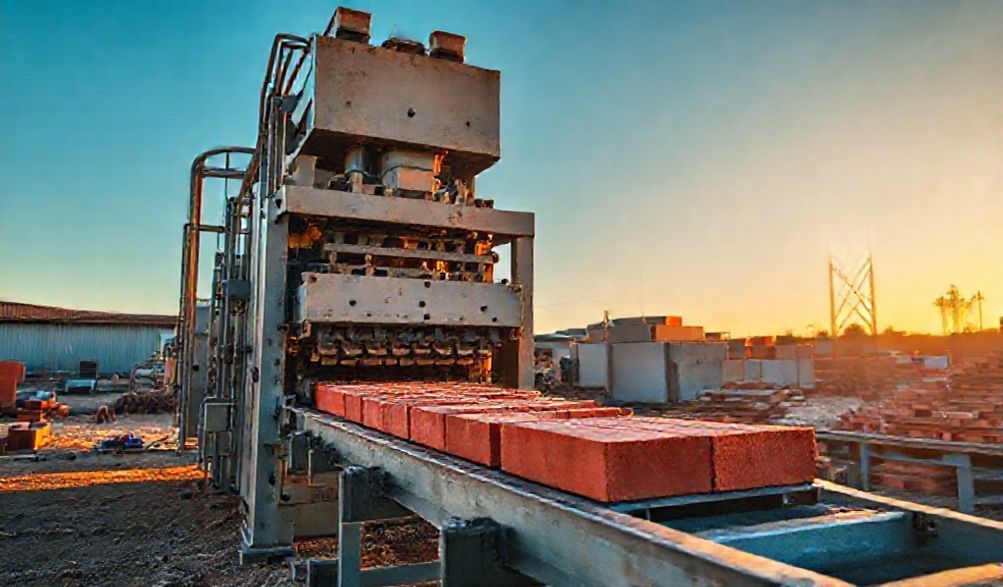
Precio de la Máquina para Hacer Ladrillos en Australia 2026: Una Guía Completa para Compradores
Introducción
Imagínate esto: estás a la mitad de un proyecto de paisajismo o planeando un desarrollo a pequeña escala, y te llega otro presupuesto por ladrillos que te hace fruncir el ceño. Los retrasos en la cadena de suministro alargan tu cronograma, y el costo de los materiales básicos parece una meta en constante movimiento. Para un número creciente de constructores, contratistas e incluso entusiastas del bricolaje en Australia, la idea de tomar el control produciendo ladrillos en el sitio ha pasado de ser una novedad a una consideración seria.
¿Pero por dónde empezar? Una búsqueda rápida de "precio de máquina para hacer ladrillos en Australia" revela una desconcertante variedad de opciones, desde unos pocos miles de dólares hasta el precio de una casa de lujo. Esta guía aclara la confusión. Nuestro objetivo es proporcionarte un análisis de precios transparente, detallado y específico para Australia, que te permita realizar una inversión verdaderamente informada. Esta información se basa en datos actuales del mercado, especificaciones de fabricantes y un profundo conocimiento del panorama operativo y regulatorio único de Australia.
Al final de esta guía, tendrás un desglose claro de los tipos de máquinas y sus rangos de precios, los factores clave que determinan los costos, los gastos "ocultos" frecuentemente pasados por alto, y perspectivas prácticas para navegar el mercado de proveedores. Una nota crítica: aunque proporcionamos rangos de precios indicativos basados en proyecciones para 2026, los costos están sujetos a cambios según fluctuaciones monetarias, costos de materiales y factores de la cadena de suministro. Siempre solicita cotizaciones directas y detalladas. Lo más importante, enfatizamos que elegir equipos de proveedores que comprendan y cumplan conNormas Australianas (AS)No es opcional—es esencial para la seguridad, la calidad y la durabilidad de tu inversión.
Comprensión de los Tipos de Máquinas para Hacer Ladrillos y sus Rangos de Precio
El mercado se segmenta ampliamente por el nivel de automatización, lo cual se correlaciona directamente con la producción, los requisitos de mano de obra y, por supuesto, el precio. Comprender estas categorías es el primer paso para alinear una máquina con sus necesidades reales.
1. Máquinas Manuales y Semiautomáticas (Nivel de Entrada y Pequeña Escala)
- Rango de Precios:$1,000 – $15,000 AUD
- Mejor Para:Proyectos de propietarios de viviendas (por ejemplo, muros de jardín, patios), trabajos de jardinería pequeños, fabricantes de ladrillos boutique o artesanales y talleres comunitarios.
- Características Clave y Ejemplos:Esta gama incluye prensas manuales simples (como el popular estilo "ponedora de huevos") donde los ladrillos se moldean en su lugar, y pequeñas máquinas vibradoras eléctricas o a diésel. A menudo requieren alimentación manual de material y retiro manual de los ladrillos.
- Ventajas y Desventajas:
- Pros:Inversión inicial muy baja, altamente portátil, infraestructura mínima necesaria, bajo consumo de energía.
- Contras:Baja producción (50-300 ladrillos por hora), físicamente exigente, calidad inconsistente si no se opera con cuidado, limitado a diseños de ladrillos y adoquines más simples.
2. Máquinas Automáticas Estacionarias (Producción a Mediana Escala)
- Rango de Precios:$15,000 – $80,000+ AUD
- Mejor Para:Pequeñas y medianas empresas (PYMES), patios de bloques establecidos, fabricantes especializados de adoquines, y proyectos dedicados de vivienda o infraestructura que requieren un suministro constante en el sitio.
- Características Clave y Ejemplos:Estas son máquinas estacionarias con una tolva dedicada para la alimentación automática de material. Utilizan sistemas integrados de vibración y compresión, y a menudo incluyen una banda transportadora o apiladora para mover los productos terminados. Muchas cuentan con sistemas de controlador lógico programable (PLC) para una operación consistente.
- Ventajas y Desventajas:
- Pros:Excelente equilibrio entre producción y costo, producción significativamente mayor (300 a más de 2000 bloques por hora), calidad del producto consistente, mano de obra reducida por unidad producida.
- Contras:Requiere una configuración permanente o semipermanente con una base sólida, necesita energía eléctrica trifásica en la mayoría de los casos, y tiene un costo inicial más alto que las opciones manuales.
3. Líneas de Plantas Completamente Automáticas (a Gran Escala Industrial)
- Rango de Precios: AUD $80,000 – $500,000+
- Mejor Para: Large commercial brick and block manufacturing plants, major suppliers to the construction industry, and government infrastructure projects.
- Características Clave: These are complete systems, not just a single machine. They feature computerized touch-screen controls, robotic handling for raw materials and finished products, integrated curing racks or chambers, and automated palletizing and wrapping systems. Production is measured in thousands of blocks per hour.
- Ventajas y Desventajas:
- Pros: Maximum production efficiency, unparalleled consistency, minimal manual labour required, ability to produce a wide variety of complex products seamlessly.
- Contras: Very high capital investment, requires significant factory space and complex infrastructure (heavy power, water recycling systems), needs specialised technical staff for operation and maintenance.
Key Factors Influencing Brick Machine Prices in Australia
The price tag is a sum of its parts and capabilities. Here are the core engineering and commercial factors that determine where a machine falls within those broad ranges.
1. Capacidad de Producción y Producción
The single biggest price driver is output, measured in Bricks or Blocks Per Hour (BPH). A machine rated for 500 BPH will be priced significantly lower than one rated for 2,000 BPH, even from the same brand. It’s crucial to calculate your realistic needs:
* Project Basis: How many bricks do you need total, and over what timeframe?
* Business Basis: What are your daily/weekly sales targets? Always factor in a buffer for growth.
2. Machine Automation Level
Automation adds cost in tiers. Each step reduces labour but increases the machine’s complexity and price:
* Basic Vibration & Compression: Core function.
* Automatic Material Feeding: Adds conveyor or loader systems.
* PLC Control & Touchscreen Interface: Adds precision and repeatability.
* Robotic Palletizing & Handling: Adds significant cost for end-of-line automation.
3. Mold Types & Customization
The mold is what defines your final product. Costs vary accordingly:
* Moldes Estándar: For common bricks, hollow blocks, or pavers are usually included.
* Moldes Personalizados: For interlocking blocks, special textures, or unique sizes are engineered to order and add $500 – $5,000+ per mold.
* Sistemas de Cambio Rápido: The ability to switch molds in minutes (vs. hours) is a premium feature that increases machine cost but boosts operational flexibility.
4. Brand & Country of Origin
- European Brands (e.g., Germany, Italy): Synonymous with high engineering quality, durability, and advanced technology. Command premium prices and often have established Australian distributors.
- Chinese Manufacturers: Offer the most competitive pricing. Quality can vary dramatically from exceptional to poor. The key is vetting the manufacturer rigorously.
- Local Australian Assemblers/Suppliers: Some businesses import key components and assemble or tailor machines locally. This can offer a good middle ground—competitive pricing with easier access to support.
The trade-off is between upfront cost and long-term reliability, parts availability, and technical support. A cheaper machine with no local support network can become a very expensive paperweight if it breaks down.
5. Power Source & Specifications
The required power supply directly impacts both machine cost and your setup expenses:
* 3-Phase Electrical: Most automatic machines require 3-phase power (415V). If your site only has single-phase (240V), you’ll need to factor in the cost of a phase converter or a generator, adding thousands to your project.
* Hydraulic vs. Electric Vibration: Hydraulic systems are powerful and robust but can be more expensive and require maintenance. All-electric systems are cleaner and can be more energy-efficient.
Beyond the Sticker Price: Calculating Total Cost of Ownership
The purchase price is just the entry fee. A savvy buyer budgets for the Total Cost of Ownership (TCO) to avoid nasty surprises.
1. Initial Purchase & Delivery
- For Imported Machines: The “FOB” price does not include:
- Envíos internacionales y seguros.
- Australian import duties (varies by classification).
- Goods and Services Tax (GST).
- Port fees and customs brokerage charges.
- For Local Purchases: Always clarify if the quote includes GST and delivery to your site. On-site unloading may require a hired crane or forklift.
2. Setup & Infrastructure Costs
Your machine needs a proper home:
* Cimiento A reinforced concrete slab is non-negotiable for stationary machines.
* Electrical Work: Getting 3-phase power to the location can involve significant cabling and electrician costs.
* Water Supply & Management: You need a reliable water source for mixing and may need a drainage or recycling system.
* Shelter/Shed: Protecting your investment from the sun and rain is essential for longevity.
3. Operational & Raw Material Costs
The ongoing expense of making each brick:
* Materias Primas: Cement, sand, aggregate, and any pigments. Prices fluctuate locally; source quotes from nearby suppliers.
* Servicios públicos Estimate electricity consumption (based on motor kW) and water usage.
* Trabajo: Even for automatic machines, factor in costs for operation, raw material handling, and product removal.
4. Maintenance, Parts, & Long-Term Support
Aquí es dondeE-E-A-T (Experience, Expertise, Authoritativeness, Trustworthiness) becomes critical in your supplier choice.
* A machine from a reputable supplier with a local warehouse for spare parts might have a 10-20% higher sticker price than a direct import.
* However, if the direct import machine breaks down and you wait 8 weeks for a $500 part, your lost production could cost tens of thousands.
* Key Questions: What is the warranty? What common wear parts (molds, vibrator motors, hydraulic seals) need replacing and how much do they cost? Is there a local technician, or do you rely on video calls overseas?
Where to Buy: Navigating the Australian Supplier Landscape
1. Local Australian Distributors & Dealers
- Ventajas: This is often the lowest-risk path. You get local warranty support, faster access to spare parts, and technicians who understand Australian conditions and standards (AS/NZS 4455 for masonry units). They handle import complexities for you.
- How to Vet Them: Check their business history. Ask for references from past clients, preferably in a similar industry. If possible, visit their showroom or a client’s site to see a machine in operation.
2. Direct Import from Overseas Manufacturers
- Ventajas: Potentially the lowest purchase price (ex-factory).
- Risks & Hidden Costs: You become the importer, responsible for shipping, customs, and compliance. Technical support can be delayed due to time zones. Ensure the machine is certified for Australian electrical standards (AS/NZS 3000). Due diligence is paramount: request factory audit reports, contact their other Australian clients, and verify international certifications (CE, ISO).
3. The Used & Second-Hand Market
- Can offer tremendous value but is “buyer beware.”
- Inspection Checklist:
- Total operational hours (like a car’s odometer).
- Condition of the mold cavity—wear here affects brick quality.
- Full service and maintenance history.
- Reason for sale.
- Crucialmente: Request a demonstration where you see it produce a batch of bricks under full load.
Frequently Asked Questions (FAQ)
Q1: What is the cheapest brick making machine available in Australia?
A: Basic manual presses can start as low as AUD $1,000 to $3,000. While affordable, be realistic about the physical labour required and the low output. They are tools for specific, small-scale tasks, not for commercial production.
Q2: Can I make bricks for my own house construction with these machines?
A: Yes, technically you can. However, for structural bricks, you debo ensure they meet the relevant Australian Standards (AS/NZS 4455) for compressive strength, dimensions, and durability. Your local council will require certification and likely testing from a registered engineer. Always consult a structural engineer before proceeding.
Q3: Are Chinese brick making machines a good option for Australia?
A: Many are excellent and offer great value. The focus shouldn’t be on the country of origin, but on the manufacturer’s reputation. Choose a supplier with a proven export history to markets with high standards, clear international certifications, and who can provide references in Australia. Confirm electrical compliance for Australia.
Q4: How much can I save by making my own bricks vs. buying them?
A: Savings are not automatic and are scale-dependent. For a one-off garden wall, buying bricks is almost certainly cheaper. Savings become significant when you have ongoing, high-volume needs. You must calculate: (Machine Depreciation + Raw Materials + Labour + Utilities) vs. (Delivered Brick Cost x Quantity). The machine cost is amortised over thousands of bricks.
Q5: What is the most important thing to look for in a supplier?
A: After-sales service and local technical support. The machine will need maintenance and parts. A supplier who can provide a prompt, competent service response is worth a premium. Downtime in a production environment is your biggest cost.
Conclusión
Navigating the brick making machine market in Australia reveals a spectrum of prices directly tied to scale, automation, and supplier provenance. From a $1,500 manual press for your backyard to a $300,000 fully-automated plant, the “right” machine is defined entirely by your specific project scope, output requirements, and total budget—including all those hidden setup and operational costs.
Our final recommendation is this: invest time before you invest money. Use this guide as a framework to clearly define your needs. Then, approach 3-4 reputable suppliers—prioritising those with a physical presence and service network in Australia—for detailed quotes. Ask them the tough questions about warranty response times, parts inventory, and compliance documentation.
Remember, you’re not just buying a machine; you’re investing in the quality, efficiency, and future of your building projects or business. Choosing a trustworthy partner who stands behind their equipment is the surest way to ensure that investment pays dividends for years to come.
<