
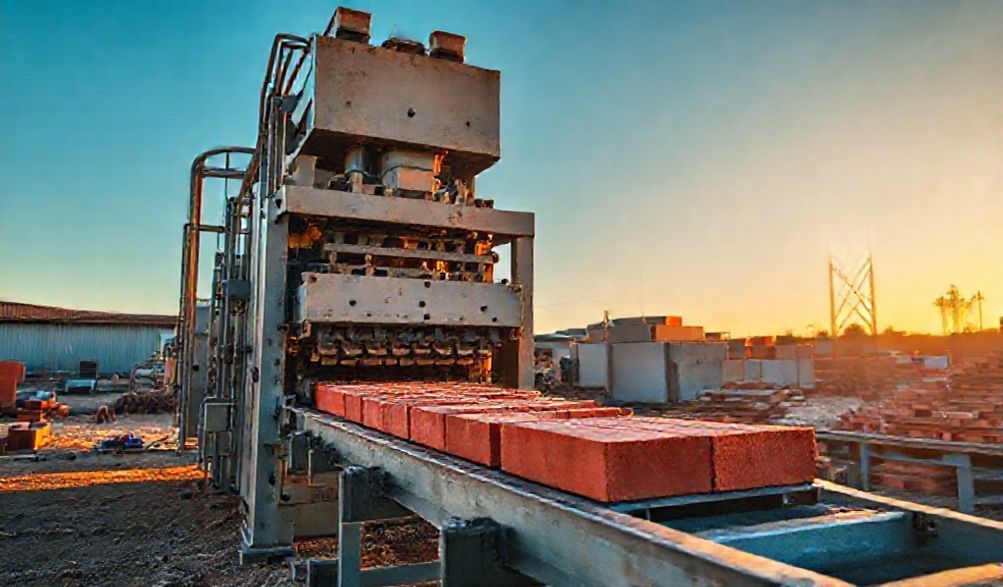
ราคาเครื่องทำอิฐในออสเตรเลียปี 2026: คู่มือผู้ซื้อฉบับสมบูรณ์
บทนำ
ลองนึกภาพดู: คุณอยู่กลางโครงการจัดสวนหรือวางแผนพัฒนาพื้นที่ขนาดเล็ก แล้วก็ได้รับใบเสนอราคาอิฐก้อนใหม่ที่ทำให้คุณสะดุ้งเฮือก ห่วงโซ่อุปทานที่ล่าช้าผลักเส้นเวลาของคุณออกไป และราคาวัตถุดิบก็รู้สึกเหมือนเป้าหมายที่เคลื่อนไหวอยู่ตลอด สำหรับช่างก่อสร้าง ผู้รับเหมา และแม้แต่คนรัก DIY ที่ทะเยอทะยานในออสเตรเลียมากขึ้นเรื่อยๆ แนวคิดในการควบคุมสถานการณ์ด้วยการผลิตอิฐใช้เองในไซต์งาน ได้เปลี่ยนจากเรื่องแปลกใหม่มาเป็นการพิจารณาอย่างจริงจัง
แต่จะเริ่มต้นจากตรงไหนดี? การค้นหาคำว่า "ราคาเครื่องทำอิฐในออสเตรเลีย" อย่างรวดเร็วเผยให้เห็นตัวเลือกมากมายจนตาลาย ตั้งแต่ราคาหลายพันดอลลาร์ไปจนถึงราคาบ้านหรู คู่มือนี้จะช่วยคลายความสับสน จุดประสงค์ของเราคือมอบการวิเคราะห์ราคาที่โปร่งใส ละเอียด และเจาะจงสำหรับออสเตรเลีย เพื่อให้คุณตัดสินใจลงทุนได้อย่างรอบรู้ ข้อมูลนี้สร้างขึ้นจากข้อมูลตลาดปัจจุบัน ข้อมูลจำเพาะจากผู้ผลิต และความเข้าใจลึกซึ้งเกี่ยวกับสภาพแวดล้อมการดำเนินงานและกฎระเบียบที่เป็นเอกลักษณ์ของออสเตรเลีย
เมื่อจบคู่มือนี้ คุณจะได้รับข้อมูลที่ชัดเจนเกี่ยวกับประเภทของเครื่องจักรและช่วงราคา องค์ประกอบหลักที่กำหนดต้นทุน ค่าใช้จ่าย "แฝง" ที่มักถูกมองข้าม และข้อมูลเชิงปฏิบัติในการเลือกซื้อจากตลาดผู้จัดจำหน่าย หมายเหตุสำคัญ: แม้เราจะให้ช่วงราคาโดยประมาณตามการคาดการณ์ปี 2026 แต่ต้นทุนอาจเปลี่ยนแปลงได้จากความผันผวนของอัตราแลกเปลี่ยน ราคาวัตถุดิบ และปัจจัยห่วงโซ่อุปทาน ควรขอใบเสนอราคาแบบแยกรายการโดยตรงจากผู้ขายเสมอ ที่สำคัญที่สุด เราขอย้ำว่าการเลือกอุปกรณ์จากผู้จัดจำหน่ายที่เข้าใจและปฏิบัติตามมาตรฐานออสเตรเลีย (AS)ไม่ใช่ทางเลือก—มันจำเป็นต่อความปลอดภัย คุณภาพ และความยั่งยืนของการลงทุนของคุณ
ทำความเข้าใจประเภทเครื่องทำอิฐและช่วงราคาของพวกมัน
ตลาดถูกแบ่งส่วนอย่างกว้างขวางตามระดับการทำงานอัตโนมัติ ซึ่งสัมพันธ์โดยตรงกับผลผลิต ความต้องการแรงงาน และแน่นอนว่าราคา การทำความเข้าใจหมวดหมู่เหล่านี้เป็นขั้นตอนแรกในการเลือกเครื่องจักรให้สอดคล้องกับความต้องการที่แท้จริงของคุณ
1. เครื่องจักรแบบใช้มือและกึ่งอัตโนมัติ (ระดับเริ่มต้นและขนาดเล็ก)
- ช่วงราคา:1,000 – 15,000 ดอลลาร์ออสเตรเลีย
- เหมาะที่สุดสำหรับ:โครงการของเจ้าของบ้าน (เช่น กำแพงสวน ลานบ้าน) งานจัดสวนขนาดเล็ก ผู้ผลิตอิฐแบบบูติกหรือช่างฝีมือ และเวิร์กช็อปชุมชน
- คุณสมบัติหลักและตัวอย่าง:ช่วงนี้รวมถึงเครื่องอัดแบบใช้มือทำงานง่าย (เช่นสไตล์ "วางไข่" ที่ได้รับความนิยม) ซึ่งก้อนอิฐถูกขึ้นรูปในตำแหน่งนั้น และเครื่องสั่นขนาดเล็กที่ใช้ไฟฟ้าหรือดีเซล มักต้องมีการป้อนวัสดุและนำอิฐออกด้วยมือ
- ข้อดีและข้อเสีย:
- ข้อดี:การลงทุนเริ่มต้นต่ำมาก, พกพาสะดวก, ต้องการโครงสร้างพื้นฐานน้อย, ใช้พลังงานต่ำ
- ข้อเสียผลผลิตต่ำ (50-300 ก้อนต่อชั่วโมง) ต้องใช้แรงกายมาก คุณภาพไม่สม่ำเสมอหากไม่ระมัดระวังในการใช้งาน จำกัดเฉพาะการออกแบบอิฐและแผ่นปูพื้นแบบเรียบง่าย
เครื่องจักรอัตโนมัติแบบอยู่กับที่ (การผลิตระดับกลาง)
- ช่วงราคา:15,000 – 80,000+ ดอลลาร์ออสเตรเลีย
- เหมาะที่สุดสำหรับ:ธุรกิจขนาดเล็กถึงขนาดกลาง (SMEs) สถานที่จัดเก็บบล็อกก่อสร้างที่จัดตั้งแล้ว ผู้ผลิตแผ่นปูพื้นเชี่ยวชาญเฉพาะทาง และโครงการที่อยู่อาศัยหรือโครงสร้างพื้นฐานเฉพาะทางที่ต้องการอุปทานที่มั่นคงและต่อเนื่องในสถานที่ก่อสร้าง
- คุณสมบัติหลักและตัวอย่าง:นี่คือเครื่องจักรแบบอยู่กับที่ที่มีถังบรรจุเฉพาะสำหรับการป้อนวัสดุอัตโนมัติ เครื่องจักรเหล่านี้ใช้ระบบสั่นสะเทือนและอัดแบบบูรณาการ และมักจะมีสายพานลำเลียงหรือเครื่องสแต็กเกอร์สำหรับเคลื่อนย้ายผลิตภัณฑ์สำเร็จรูป โดยหลายรุ่นมีระบบควบคุมแบบโปรแกรมได้ (PLC) เพื่อการทำงานที่สม่ำเสมอ
- ข้อดีและข้อเสีย:
- ข้อดี:สมดุลที่ยอดเยี่ยมระหว่างผลผลิตและต้นทุน, เพิ่มกำลังการผลิตอย่างมีนัยสำคัญ (300-2,000+ แผ่นต่อชั่วโมง), คุณภาพผลิตภัณฑ์ที่สม่ำเสมอ, ลดการใช้แรงงานต่อหน่วยการผลิต
- ข้อเสียต้องการการติดตั้งแบบถาวรหรือกึ่งถาวรบนฐานรากที่มั่นคง ส่วนใหญ่ต้องใช้ไฟฟ้าสามเฟส มีต้นทุนเริ่มต้นสูงกว่าตัวเลือกแบบใช้มือ
3. ไลน์การผลิตพืชแบบอัตโนมัติเต็มรูปแบบ (อุตสาหกรรมขนาดใหญ่)
- ช่วงราคา:80,000 – 500,000+ ดอลลาร์ออสเตรเลีย
- เหมาะที่สุดสำหรับ:โรงงานผลิตอิฐและบล็อกขนาดใหญ่เชิงพาณิชย์ ผู้จัดหาหลักให้กับอุตสาหกรรมก่อสร้าง และโครงการโครงสร้างพื้นฐานของรัฐบาล
- คุณสมบัติหลัก:นี่คือระบบที่สมบูรณ์แบบ ไม่ใช่แค่เครื่องจักรเดี่ยว ระบบเหล่านี้มีระบบควบคุมแบบสัมผัสด้วยคอมพิวเตอร์ การจัดการวัตถุดิบและผลิตภัณฑ์สำเร็จรูปด้วยหุ่นยนต์ แท่นหรือห้องบ่มคอนกรีตแบบบูรณาการ และระบบการวางพาเลทและห่อด้วยระบบอัตโนมัติ โดยวัดกำลังการผลิตเป็นหลายพันบล็อกต่อชั่วโมง
- ข้อดีและข้อเสีย:
- ข้อดี:ประสิทธิภาพการผลิตสูงสุด, ความสม่ำเสมอที่ไม่มีใครเทียบได้, ใช้แรงงานคนน้อยที่สุด, ความสามารถในการผลิตผลิตภัณฑ์ที่ซับซ้อนหลากหลายได้อย่างราบรื่น
- ข้อเสีย Very high capital investment, requires significant factory space and complex infrastructure (heavy power, water recycling systems), needs specialised technical staff for operation and maintenance.
Key Factors Influencing Brick Machine Prices in Australia
The price tag is a sum of its parts and capabilities. Here are the core engineering and commercial factors that determine where a machine falls within those broad ranges.
1. ขีดความสามารถในการผลิตและผลผลิต
The single biggest price driver is output, measured in Bricks or Blocks Per Hour (BPH). A machine rated for 500 BPH will be priced significantly lower than one rated for 2,000 BPH, even from the same brand. It’s crucial to calculate your realistic needs:
* Project Basis: How many bricks do you need total, and over what timeframe?
* Business Basis: What are your daily/weekly sales targets? Always factor in a buffer for growth.
2. Machine Automation Level
Automation adds cost in tiers. Each step reduces labour but increases the machine’s complexity and price:
* Basic Vibration & Compression: Core function.
* Automatic Material Feeding: Adds conveyor or loader systems.
* PLC Control & Touchscreen Interface: Adds precision and repeatability.
* Robotic Palletizing & Handling: Adds significant cost for end-of-line automation.
3. Mold Types & Customization
The mold is what defines your final product. Costs vary accordingly:
* แม่พิมพ์มาตรฐาน For common bricks, hollow blocks, or pavers are usually included.
* คัสตอม โมลด์: For interlocking blocks, special textures, or unique sizes are engineered to order and add $500 – $5,000+ per mold.
* ระบบเปลี่ยนเร็ว The ability to switch molds in minutes (vs. hours) is a premium feature that increases machine cost but boosts operational flexibility.
4. Brand & Country of Origin
- European Brands (e.g., Germany, Italy): Synonymous with high engineering quality, durability, and advanced technology. Command premium prices and often have established Australian distributors.
- Chinese Manufacturers: Offer the most competitive pricing. Quality can vary dramatically from exceptional to poor. The key is vetting the manufacturer rigorously.
- Local Australian Assemblers/Suppliers: Some businesses import key components and assemble or tailor machines locally. This can offer a good middle ground—competitive pricing with easier access to support.
The trade-off is between upfront cost and long-term reliability, parts availability, and technical support. A cheaper machine with no local support network can become a very expensive paperweight if it breaks down.
5. Power Source & Specifications
The required power supply directly impacts both machine cost and your setup expenses:
* 3-Phase Electrical: Most automatic machines require 3-phase power (415V). If your site only has single-phase (240V), you’ll need to factor in the cost of a phase converter or a generator, adding thousands to your project.
* Hydraulic vs. Electric Vibration: Hydraulic systems are powerful and robust but can be more expensive and require maintenance. All-electric systems are cleaner and can be more energy-efficient.
Beyond the Sticker Price: Calculating Total Cost of Ownership
The purchase price is just the entry fee. A savvy buyer budgets for the Total Cost of Ownership (TCO) to avoid nasty surprises.
1. Initial Purchase & Delivery
- For Imported Machines: The “FOB” price does not include:
- International shipping and insurance.
- Australian import duties (varies by classification).
- Goods and Services Tax (GST).
- Port fees and customs brokerage charges.
- For Local Purchases: Always clarify if the quote includes GST and delivery to your site. On-site unloading may require a hired crane or forklift.
2. Setup & Infrastructure Costs
Your machine needs a proper home:
* Foundation: A reinforced concrete slab is non-negotiable for stationary machines.
* Electrical Work: Getting 3-phase power to the location can involve significant cabling and electrician costs.
* Water Supply & Management: You need a reliable water source for mixing and may need a drainage or recycling system.
* Shelter/Shed: Protecting your investment from the sun and rain is essential for longevity.
3. Operational & Raw Material Costs
The ongoing expense of making each brick:
* วัตถุดิบ: Cement, sand, aggregate, and any pigments. Prices fluctuate locally; source quotes from nearby suppliers.
* Utilities: Estimate electricity consumption (based on motor kW) and water usage.
* แรงงาน Even for automatic machines, factor in costs for operation, raw material handling, and product removal.
4. Maintenance, Parts, & Long-Term Support
นี่คือที่ที่E-E-A-T (Experience, Expertise, Authoritativeness, Trustworthiness) becomes critical in your supplier choice.
* A machine from a reputable supplier with a local warehouse for spare parts might have a 10-20% higher sticker price than a direct import.
* However, if the direct import machine breaks down and you wait 8 weeks for a $500 part, your lost production could cost tens of thousands.
* Key Questions: What is the warranty? What common wear parts (molds, vibrator motors, hydraulic seals) need replacing and how much do they cost? Is there a local technician, or do you rely on video calls overseas?
Where to Buy: Navigating the Australian Supplier Landscape
1. Local Australian Distributors & Dealers
- ข้อดี: This is often the lowest-risk path. You get local warranty support, faster access to spare parts, and technicians who understand Australian conditions and standards (AS/NZS 4455 for masonry units). They handle import complexities for you.
- How to Vet Them: Check their business history. Ask for references from past clients, preferably in a similar industry. If possible, visit their showroom or a client’s site to see a machine in operation.
2. Direct Import from Overseas Manufacturers
- ข้อดี: Potentially the lowest purchase price (ex-factory).
- Risks & Hidden Costs: You become the importer, responsible for shipping, customs, and compliance. Technical support can be delayed due to time zones. Ensure the machine is certified for Australian electrical standards (AS/NZS 3000). Due diligence is paramount: request factory audit reports, contact their other Australian clients, and verify international certifications (CE, ISO).
3. The Used & Second-Hand Market
- Can offer tremendous value but is “buyer beware.”
- Inspection Checklist:
- Total operational hours (like a car’s odometer).
- Condition of the mold cavity—wear here affects brick quality.
- Full service and maintenance history.
- Reason for sale.
- Crucially: Request a demonstration where you see it produce a batch of bricks under full load.
คำถามที่พบบ่อย (FAQ)
Q1: What is the cheapest brick making machine available in Australia?
ก Basic manual presses can start as low as AUD $1,000 to $3,000. While affordable, be realistic about the physical labour required and the low output. They are tools for specific, small-scale tasks, not for commercial production.
Q2: Can I make bricks for my own house construction with these machines?
ก Yes, technically you can. However, for structural bricks, you must ensure they meet the relevant Australian Standards (AS/NZS 4455) for compressive strength, dimensions, and durability. Your local council will require certification and likely testing from a registered engineer. Always consult a structural engineer before proceeding.
Q3: Are Chinese brick making machines a good option for Australia?
ก Many are excellent and offer great value. The focus shouldn’t be on the country of origin, but on the manufacturer’s reputation. Choose a supplier with a proven export history to markets with high standards, clear international certifications, and who can provide references in Australia. Confirm electrical compliance for Australia.
Q4: How much can I save by making my own bricks vs. buying them?
ก Savings are not automatic and are scale-dependent. For a one-off garden wall, buying bricks is almost certainly cheaper. Savings become significant when you have ongoing, high-volume needs. You must calculate: (Machine Depreciation + Raw Materials + Labour + Utilities) vs. (Delivered Brick Cost x Quantity). The machine cost is amortised over thousands of bricks.
Q5: What is the most important thing to look for in a supplier?
A: After-sales service and local technical support. The machine will need maintenance and parts. A supplier who can provide a prompt, competent service response is worth a premium. Downtime in a production environment is your biggest cost.
สรุป
Navigating the brick making machine market in Australia reveals a spectrum of prices directly tied to scale, automation, and supplier provenance. From a $1,500 manual press for your backyard to a $300,000 fully-automated plant, the “right” machine is defined entirely by your specific project scope, output requirements, and total budget—including all those hidden setup and operational costs.
Our final recommendation is this: invest time before you invest money. Use this guide as a framework to clearly define your needs. Then, approach 3-4 reputable suppliers—prioritising those with a physical presence and service network in Australia—for detailed quotes. Ask them the tough questions about warranty response times, parts inventory, and compliance documentation.
Remember, you’re not just buying a machine; you’re investing in the quality, efficiency, and future of your building projects or business. Choosing a trustworthy partner who stands behind their equipment is the surest way to ensure that investment pays dividends for years to come.
<