
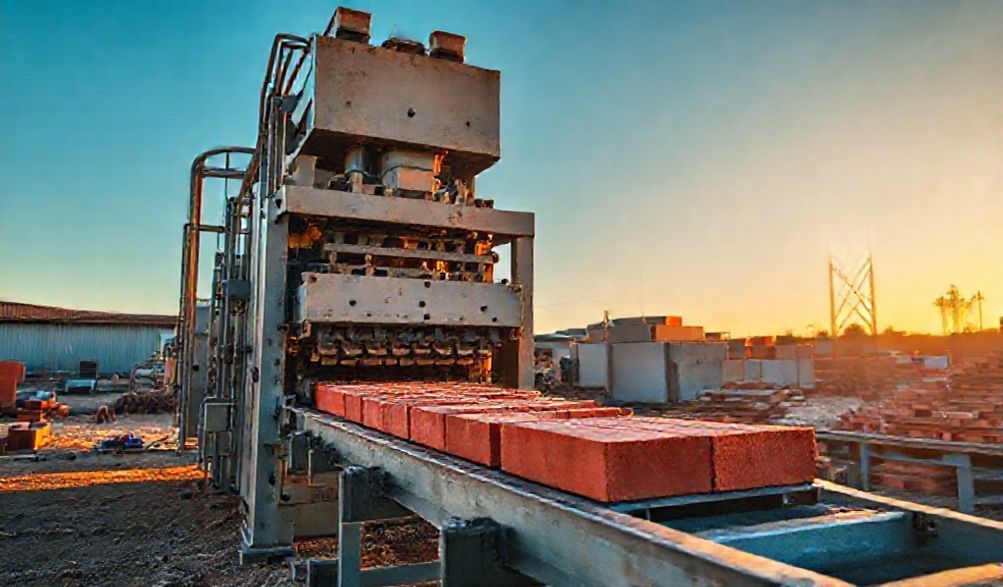
Qiimaha Mashinka Dhista Lebiska ee Australia 2026: Hage Waaqici ah oo Iibiyayaasha
Hordhac
Ka tasawir tan: waxaad ku dhex jirtaa mashruuc dhismo beereed ama qorsheynayo horumar yar-yar, waxaana ku dhacday qiime kale oo ay tahay inaad bixiso libaaxa oo kuu keeni karto murugo. Dib u dhaca silsiladda wax soo saarka ayaa dib u dhigi karta jadwalkaaga, qiimaha alaabta la isticmaalo wuxuu dareemi karaa inuu yahay bartilmaameed la isku beddelo. Dadka dhisayaasha, qandaraasyada, iyo xitaa shaqsiyaadka isku dayaya inay sameeyaan waxyaabo ku dhaqanka ah ee Ostaraaliya, fikradda in la sameeyo libaaxa goobta ayaa isbeddesay wax cusub oo la fakarayo si dhab ah.
Laakiin halkee kaaga billowdaa? Raadinta degdeg ah ee "qiimaha makiinada dhismaha birigga ee Australia" waxay muujinaysaa kala duwanaansho yaab leh oo ikhtiyaarado ah, laga bilaabo kunnoollaal dolar ilaa qiimaha guri qurux badan. Hageegan wuxuu kala fogeynayaa argagaxa. Ujeeddadeena waa inaan ku siinno falanqeyn qiimeed oo cad, faahfaahsan oo gaar u ah Australia, si aan kuu xoojinno inaad sameyso maalgelin si xaqiiqo loogu ogaa. Macluumaadkani wuxuu ku dhisanyahay xogta suuqa ee hadda jira, qeexitaannada wax soo saaraha, iyo faham dheer oo ku saabsan dhismaha iyo dhismaha sharciyeed ee gaarka ah ee Australia.
Dhamaadka hagahan, waxaad heysan doontaa faahfaahin cad oo ku saabsan noocyada mashiinnada iyo qeybaha qiimahooda, sababaha muhiimka ah ee keena kharashyada, kharashyada "qarsoon" ee badanaa laga ilaawayo, iyo fahamka waxtarka leh ee ku saabsan habka loo maro suuq-sadeyaasha. Qoraad muhiim ah: in kasta oo aan bixino kala duwanaanshaha qiimaha ee ku salaysan qiyaasaha 2026, kharashyadu waxay ku xiran yihiin isbeddelada lacagaha, kharashyada alaabta, iyo sababaha silsiladda wax soo saarka. Had iyo jeer hel qiyaas toos ah oo faahfaahin leh. Ku darso muhiim ah, waxaan carrabka ku adkeynaynaa in doorashada qalabka laga helo sadeyaasha ay fahamsan yihiin oo u hoggaansanHeerarka Ustaarka ee Australia (AS)waa lagama maarmaan—waa muhiim amniga, tayada, iyo cimriga dhaqaalahaaga.
Fahamka Noocyada Makiinadaha Sameynta Lebiska & Kala Duwanaanshaha Qiimahooda
Suuqa waa la kala qaybiyey si ballaaran heerka ugu muhiimsan ee otomaatiga, taasoo si toos ah ugu xiriira soo saarista, baahiyada shaqaalaha, iyo, hubaal, qiimaha. Fahamka qaybahan waa tallaabada ugu horeysa ee lagu hagaajinayo mashiinka si waafaqsan baahiyadaaga dhabta ah.
1. Mishiinada Gacanta & Nus-Awtoomaatig ah (Heerka Bilowga & Miisaanka Yar)
- Qiimaha:$1,000 – $15,000 AUD
- Ugu Fiican:Mashruucyada guryaha (tusaale ahaan, darbiyada beeraha, baraha), shaqooyinka yar ee dhismo-beeraha, warshadaha yar ee dhismo-lobogeeya, iyo kulamada bulshada.
- Astaamaha Muhiimka ah & Tusaalooyinka:Kani kala duwanaanshu waxaa ka mid ah makiinado fudud oo gacanta lagu shaqeeyo (sida nooca caanka ah ee "ukunta dhigista") halkaas oo lebiska lagu sameeyo meesha, iyo makiinado yar oo koronto ama diesel ku shaqeeya oo gariir ah. Inta badan waxay u baahan yihiin qalab gacanta lagu rido iyo ka saarida lebiska.
- Fa'idooyinka iyo Dhibaatooyinka:
- Faaiidooyinka:Wax soo saarid hore oo aad u hooseeya, la qaadi karo oo aad u fudud, qalab aad u yar oo loo baahan yahay, isticmaalka tamarta oo hooseeya.
- Laba. Low production output (50-300 bricks per hour), physically demanding, inconsistent quality if not operated carefully, limited to simpler brick and paver designs.
2. Stationary Automatic Machines (Medium-Scale Production)
- Qiimaha: AUD $15,000 – $80,000+
- Ugu Fiican: Small to medium-sized businesses (SMEs), established block yards, specialist paver manufacturers, and dedicated housing or infrastructure projects requiring a steady, on-site supply.
- Astaamaha Muhiimka ah & Tusaalooyinka: These are stationary machines with a dedicated hopper for automatic material feeding. They use integrated vibration and compression systems, and often include a conveyor belt or stacker for moving finished products. Many feature programmable logic controller (PLC) systems for consistent operation.
- Fa'idooyinka iyo Dhibaatooyinka:
- Faaiidooyinka: Excellent balance of output and cost, significantly higher production (300-2,000+ blocks per hour), consistent product quality, reduced labour per unit produced.
- Laba. Requires a permanent or semi-permanent setup with a solid foundation, needs 3-phase electrical power in most cases, higher upfront cost than manual options.
3. Fully Automatic Plant Lines (Large-Scale Industrial)
- Qiimaha: AUD $80,000 – $500,000+
- Ugu Fiican: Large commercial brick and block manufacturing plants, major suppliers to the construction industry, and government infrastructure projects.
- Astaamaha Muhiimsan: These are complete systems, not just a single machine. They feature computerized touch-screen controls, robotic handling for raw materials and finished products, integrated curing racks or chambers, and automated palletizing and wrapping systems. Production is measured in thousands of blocks per hour.
- Fa'idooyinka iyo Dhibaatooyinka:
- Faaiidooyinka: Maximum production efficiency, unparalleled consistency, minimal manual labour required, ability to produce a wide variety of complex products seamlessly.
- Laba. Very high capital investment, requires significant factory space and complex infrastructure (heavy power, water recycling systems), needs specialised technical staff for operation and maintenance.
Key Factors Influencing Brick Machine Prices in Australia
The price tag is a sum of its parts and capabilities. Here are the core engineering and commercial factors that determine where a machine falls within those broad ranges.
1. Production Capacity & Output
The single biggest price driver is output, measured in Bricks or Blocks Per Hour (BPH). A machine rated for 500 BPH will be priced significantly lower than one rated for 2,000 BPH, even from the same brand. It’s crucial to calculate your realistic needs:
* Project Basis: How many bricks do you need total, and over what timeframe?
* Business Basis: What are your daily/weekly sales targets? Always factor in a buffer for growth.
2. Machine Automation Level
Automation adds cost in tiers. Each step reduces labour but increases the machine’s complexity and price:
* Basic Vibration & Compression: Core function.
* Automatic Material Feeding: Adds conveyor or loader systems.
* PLC Control & Touchscreen Interface: Adds precision and repeatability.
* Robotic Palletizing & Handling: Adds significant cost for end-of-line automation.
3. Mold Types & Customization
The mold is what defines your final product. Costs vary accordingly:
* Qalabka Caadiga ah ee Qaabeynta: For common bricks, hollow blocks, or pavers are usually included.
* Qalabka Gacanta ee Gaarka ah: For interlocking blocks, special textures, or unique sizes are engineered to order and add $500 – $5,000+ per mold.
* Quick-Change Systems: The ability to switch molds in minutes (vs. hours) is a premium feature that increases machine cost but boosts operational flexibility.
4. Brand & Country of Origin
- Summada Yurub (tusaale ahaan, Jarmalka, Talyaaniga): Synonymous with high engineering quality, durability, and advanced technology. Command premium prices and often have established Australian distributors.
- Chinese Manufacturers: Offer the most competitive pricing. Quality can vary dramatically from exceptional to poor. The key is vetting the manufacturer rigorously.
- Local Australian Assemblers/Suppliers: Some businesses import key components and assemble or tailor machines locally. This can offer a good middle ground—competitive pricing with easier access to support.
The trade-off is between upfront cost and long-term reliability, parts availability, and technical support. A cheaper machine with no local support network can become a very expensive paperweight if it breaks down.
5. Power Source & Specifications
The required power supply directly impacts both machine cost and your setup expenses:
* 3-Phase Electrical: Most automatic machines require 3-phase power (415V). If your site only has single-phase (240V), you’ll need to factor in the cost of a phase converter or a generator, adding thousands to your project.
* Hydraulic vs. Electric Vibration: Hydraulic systems are powerful and robust but can be more expensive and require maintenance. All-electric systems are cleaner and can be more energy-efficient.
Beyond the Sticker Price: Calculating Total Cost of Ownership
The purchase price is just the entry fee. A savvy buyer budgets for the Total Cost of Ownership (TCO) to avoid nasty surprises.
1. Initial Purchase & Delivery
- For Imported Machines: The “FOB” price does not include:
- Gaadiidka iyo kafaaladda caalamiga ah.
- Australian import duties (varies by classification).
- Goods and Services Tax (GST).
- Port fees and customs brokerage charges.
- For Local Purchases: Always clarify if the quote includes GST and delivery to your site. On-site unloading may require a hired crane or forklift.
2. Setup & Infrastructure Costs
Your machine needs a proper home:
* Foundation: A reinforced concrete slab is non-negotiable for stationary machines.
* Electrical Work: Getting 3-phase power to the location can involve significant cabling and electrician costs.
* Water Supply & Management: You need a reliable water source for mixing and may need a drainage or recycling system.
* Shelter/Shed: Protecting your investment from the sun and rain is essential for longevity.
3. Operational & Raw Material Costs
The ongoing expense of making each brick:
* Qalabka Asalka: Cement, sand, aggregate, and any pigments. Prices fluctuate locally; source quotes from nearby suppliers.
* Utilities: Estimate electricity consumption (based on motor kW) and water usage.
* Shaqo: Even for automatic machines, factor in costs for operation, raw material handling, and product removal.
4. Maintenance, Parts, & Long-Term Support
Halkan ayaaE-E-A-T (Experience, Expertise, Authoritativeness, Trustworthiness) becomes critical in your supplier choice.
* A machine from a reputable supplier with a local warehouse for spare parts might have a 10-20% higher sticker price than a direct import.
* However, if the direct import machine breaks down and you wait 8 weeks for a $500 part, your lost production could cost tens of thousands.
* Key Questions: What is the warranty? What common wear parts (molds, vibrator motors, hydraulic seals) need replacing and how much do they cost? Is there a local technician, or do you rely on video calls overseas?
Where to Buy: Navigating the Australian Supplier Landscape
1. Local Australian Distributors & Dealers
- Faa'iidooyinka: This is often the lowest-risk path. You get local warranty support, faster access to spare parts, and technicians who understand Australian conditions and standards (AS/NZS 4455 for masonry units). They handle import complexities for you.
- How to Vet Them: Check their business history. Ask for references from past clients, preferably in a similar industry. If possible, visit their showroom or a client’s site to see a machine in operation.
2. Direct Import from Overseas Manufacturers
- Faa'iidooyinka: Potentially the lowest purchase price (ex-factory).
- Risks & Hidden Costs: You become the importer, responsible for shipping, customs, and compliance. Technical support can be delayed due to time zones. Ensure the machine is certified for Australian electrical standards (AS/NZS 3000). Due diligence is paramount: request factory audit reports, contact their other Australian clients, and verify international certifications (CE, ISO).
3. The Used & Second-Hand Market
- Can offer tremendous value but is “buyer beware.”
- Inspection Checklist:
- Total operational hours (like a car’s odometer).
- Condition of the mold cavity—wear here affects brick quality.
- Full service and maintenance history.
- Reason for sale.
- Crucially: Request a demonstration where you see it produce a batch of bricks under full load.
Su'aalaha Inta Badan La Is Weydiiyo (FAQ)
Q1: What is the cheapest brick making machine available in Australia?
A: Basic manual presses can start as low as AUD $1,000 to $3,000. While affordable, be realistic about the physical labour required and the low output. They are tools for specific, small-scale tasks, not for commercial production.
Q2: Can I make bricks for my own house construction with these machines?
A: Yes, technically you can. However, for structural bricks, you must ensure they meet the relevant Australian Standards (AS/NZS 4455) for compressive strength, dimensions, and durability. Your local council will require certification and likely testing from a registered engineer. Always consult a structural engineer before proceeding.
Q3: Are Chinese brick making machines a good option for Australia?
A: Many are excellent and offer great value. The focus shouldn’t be on the country of origin, but on the manufacturer’s reputation. Choose a supplier with a proven export history to markets with high standards, clear international certifications, and who can provide references in Australia. Confirm electrical compliance for Australia.
Q4: How much can I save by making my own bricks vs. buying them?
A: Savings are not automatic and are scale-dependent. For a one-off garden wall, buying bricks is almost certainly cheaper. Savings become significant when you have ongoing, high-volume needs. You must calculate: (Machine Depreciation + Raw Materials + Labour + Utilities) vs. (Delivered Brick Cost x Quantity). The machine cost is amortised over thousands of bricks.
Q5: What is the most important thing to look for in a supplier?
A: After-sales service and local technical support. The machine will need maintenance and parts. A supplier who can provide a prompt, competent service response is worth a premium. Downtime in a production environment is your biggest cost.
Gabagabo
Navigating the brick making machine market in Australia reveals a spectrum of prices directly tied to scale, automation, and supplier provenance. From a $1,500 manual press for your backyard to a $300,000 fully-automated plant, the “right” machine is defined entirely by your specific project scope, output requirements, and total budget—including all those hidden setup and operational costs.
Our final recommendation is this: invest time before you invest money. Use this guide as a framework to clearly define your needs. Then, approach 3-4 reputable suppliers—prioritising those with a physical presence and service network in Australia—for detailed quotes. Ask them the tough questions about warranty response times, parts inventory, and compliance documentation.
Remember, you’re not just buying a machine; you’re investing in the quality, efficiency, and future of your building projects or business. Choosing a trustworthy partner who stands behind their equipment is the surest way to ensure that investment pays dividends for years to come.
<