
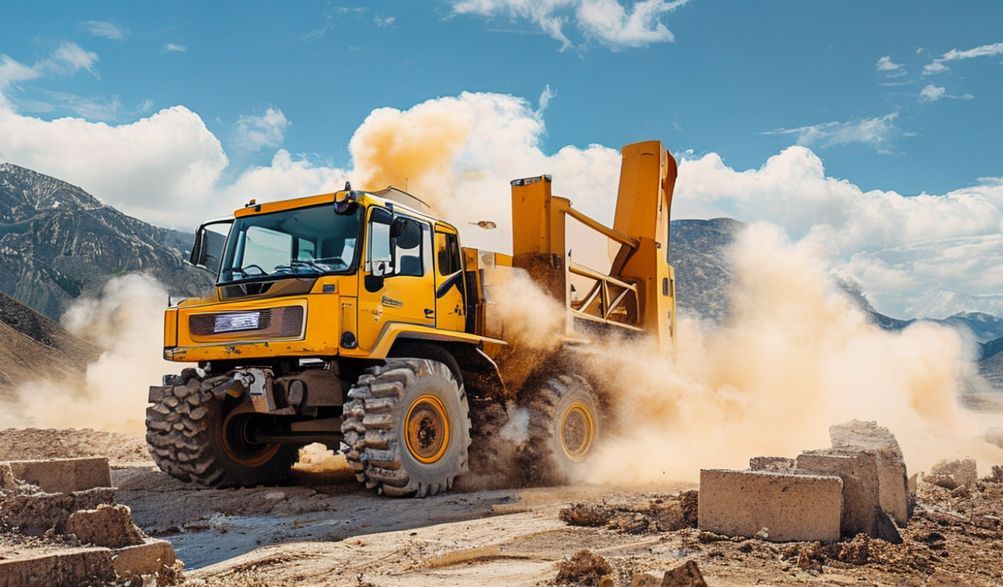
Guía Completa de Máquinas para Fabricar Bloques a Diésel en EE. UU. (2026)
Introducción
La industria de la construcción estadounidense está construyendo el futuro, pero enfrenta un desafío fundamental: el suministro de materiales confiable y rentable. Con más de 2.1 billones de dólares en gasto anual de construcción y un aumento en proyectos de infraestructura y desarrollo en áreas remotas, la demanda de soluciones adaptables y en sitio nunca ha sido tan alta. Para contratistas, constructores y emprendedores, el dolor de cabeza logístico de transportar bloques de concreto prefabricado a sitios de trabajo distantes o lidiar con suministros eléctricos poco confiables puede paralizar los cronogramas y los presupuestos.
Introduzca la máquina de fabricación de bloques diésel: un motor de independencia y eficiencia. Para los profesionales estadounidenses que enfrentan proyectos donde termina la red eléctrica pero comienza el trabajo, esta máquina no es solo equipo; es una ventaja estratégica. Basándose en décadas de experiencia en la industria de maquinaria pesada para construcción, esta guía elimina el ruido para ofrecer una visión confiable y detallada deMáquinas para hacer bloques diésel en Estados Unidos.
Esta guía integral desmitificará cómo funcionan estas robustas máquinas, detallará sus beneficios incomparables para proyectos estadounidenses, describirá los factores críticos para elegir el modelo correcto y proporcionará una hoja de ruta clara para navegar por el panorama de proveedores en EE. UU., garantizando así una inversión exitosa y rentable.
¿Qué es una Máquina para Hacer Bloques de Diesel?
En esencia, una máquina de fabricar bloques diésel es una fábrica móvil para productos de concreto. Transforma materias primas—mezcla de concreto—en bloques, ladrillos o adoquines de alta densidad y precisión, directamente en el lugar de trabajo. A diferencia de sus equivalentes eléctricos, lleva su propia fuente de energía, convirtiéndola en la herramienta definitiva para operación autónoma en cualquier lugar.
Función y Operación Principal
El proceso es una maravilla de simplicidad mecánica y fuerza:
1. Una mezcla de concreto se carga en la tolva de la máquina.
2. El motor diésel se enciende, impulsando tanto un sistema hidráulico como una mesa vibratoria.
La mezcla se vierte en un molde intercambiable.
4. VibraciónCompacta el concreto, eliminando las burbujas de aire para una resistencia máxima.
5. Presión hidráulica(con frecuencia superando las 2,000 psi) se aplica para formar una unidad sólida y dimensionalmente precisa.
El bloque recién formado es expulsado sobre un palet para curar.
El diferenciador clave de los modelos eléctricos es la independencia energética. Mientras que las máquinas eléctricas requieren una conexión eléctrica estable y de alta capacidad, una máquina diésel solo necesita combustible y un terreno nivelado.
Componentes Clave y Cómo Funcionan en Conjunto
Comprender los componentes principales te ayuda a evaluar la calidad y el rendimiento:
- Motor Diésel:El corazón de la máquina. Común en el rango de 20-50 HP para la mayoría de las máquinas móviles de bloques, proporciona potencia mecánica directa. Busque marcas reconocidas comoCummins, Deutz o Yanmarpara confiabilidad y capacidad de servicio.
- Sistema Hidráulico:El músculo. Convierte la potencia del motor en la inmensa presión controlada necesaria para formar bloques densos y resistentes. Un sistema robusto y sin fugas es crucial para una producción consistente.
- Sistema de Vibración:La clave de la calidad. Las vibraciones de alta frecuencia consolidan la mezcla de concreto, garantizando un acabado liso y la integridad estructural. Los sistemas pueden montarse en la mesa o dentro del cabezal del molde.
- Cámara de Molde/BloqueLa característica definitoria. Los moldes intercambiables permiten que una sola máquina produzca una variedad de productos, desde bloques huecos estándar de 8x8x16 pulgadas hasta adoquines decorativos y bordillos para paisajismo.
- Panel de Control:El cerebro. Un panel bien diseñado e intuitivo permite al operador controlar el ciclo, el tiempo de vibración y la presión, garantizando resultados repetibles.
Principales Ventajas de Usar una Máquina con Motor Diésel en Estados Unidos
Elegir una fabricadora de bloques con motor diésel es una decisión estratégica que aborda desafíos y oportunidades específicos dentro del vasto mercado estadounidense.
Movilidad Inigualable e Independencia del Sitio
Esta es la ventaja suprema. Estados Unidos tiene innumerables sitios de construcción en áreas rurales, nuevas subdivisiones y proyectos de infraestructura remotos donde la energía trifásica es un sueño futuro, no una realidad actual.
* Cero Dependencia de la Red:Opera en cualquier lugar—desde un proyecto de carretera en la montaña hasta una nueva instalación agrícola en las llanuras.
* Easy Redeployment: Mounted on a trailer, the entire production line can be towed between job sites, maximizing asset utilization.
High Torque and Consistent Power Output
Diesel engines excel under constant, heavy loads.
* Reliable High-Volume Production: They deliver consistent power for 8-12 hour shifts without the risk of overheating or power drops associated with under-capacity generators or weak grid connections.
* Stable Performance: Output quality remains constant, unaffected by the voltage fluctuations that can plague remote electrical supplies.
Durability and Lower Long-Term Operational Costs
Built for tough environments, diesel engines are renowned for their longevity.
* Rugged Construction: They withstand dust, temperature extremes, and the vibrations of a worksite better than many electric motor setups.
* Fuel Efficiency: Diesel is a denser fuel, and these engines are typically more efficient under load than the combined cost of running equivalent electric machinery off a diesel generator. This translates to a lower cost per block over the machine’s lifespan.
Ideal for American Construction Scales
The versatility of diesel block machines aligns perfectly with the diverse US construction ecosystem.
* Large-Scale Projects: For developers building subdivisions or commercial complexes, on-site production slashes material transport costs and provides just-in-time inventory.
* Specialized Contractors: For masonry contractors, landscapers, or entrepreneurs starting a block supply business, it enables control over product type, schedule, and profit margins.
Critical Factors When Choosing a Diesel Block Machine for the US Market
Not all machines are created equal. Selecting the right one requires careful evaluation of your needs against these crucial factors.
Capacidad de Producción (Bloques por Hora)
Capacity should match your project scale and business model.
* Low-Output (< 500 blocks/shift): Ideal for very small, specialized projects or intermittent use.
* Mid-Output (800 – 2,000 blocks/shift): The sweet spot for most growing contractors and small-to-medium block manufacturers. A reliable machine here can produce the blocks for several houses per week.
* High-Output (3,000+ blocks/shift): For large commercial operations and suppliers feeding multiple job sites. These are larger, more substantial investments.
Always assess “real-world” output, not just optimistic theoretical numbers.
Tipos de Bloques y Versatilidad de Moldes
Your potential product line dictates your revenue potential. Ensure the machine supports interchangeable molds for:
* Standard Hollow & Solid Blocks (foundation, construction)
* Decorative Pavers & Retaining Wall Units
* Curbstones & Landscape Edging
* Special Shapes (e.g., chimney blocks)
Pregunta Crítica: How available and affordable are additional molds from the supplier?
Machine Build Quality and Durability Features
This is where you inspect the fundamentals. Look for:
* Estructura de Acero de Alta Resistencia: The chassis must resist the immense forces of operation without warping.
* Reputable Diesel Engine: A known brand ensures parts and service expertise are available.
* Corrosion-Resistant Components: Especially important in coastal or humid regions.
* Estándares de Seguridad: The machine should be designed and built to comply with relevant US safety standards (e.g., OSHA guidelines for machine guarding).
After-Sales Support and Parts Availability in the USA
This is the single most important factor in your buying decision. A machine is a long-term asset; its value is protected by support.
* Local Service Technicians: Does the supplier have trained technicians in the US, or will you wait weeks for an international flight?
* Inventario de Piezas: Are common wear parts—hydraulic seals, vibration motors, mold liners—stocked in a US warehouse for next-day shipping?
* Warranty Terms: Is it a comprehensive, clearly written warranty backed by a US entity? A 1-2 year warranty on the machine and engine is standard for quality equipment.
Navigating the US Supplier Landscape: Import vs. Domestic Support
The market is a mix of international manufacturers and domestic distributors. Understanding this dynamic is key to a secure purchase.
Understanding the Supply Chain
Most diesel block machines are manufactured overseas in regions with strong heavy industry. However, the critical differentiator for a US buyer is not the country of origin, but the country of support.
The Importance of a US-Based Partner
A supplier with a genuine physical presence in the United States is non-negotiable for several reasons:
* Demonstrations & Inspections: You can see, touch, and often test the machine before buying.
* Fast Service Response: Breakdowns cost money. Local support means faster diagnostics and repair.
* Parts Logistics: Avoid customs delays for critical spare parts.
* Financial and Legal Recourse: You have clear jurisdiction and accountability.
Be wary of “ghost” suppliers: companies with only a PO Box, a foreign phone number, and glossy brochures.
Vetting a Reputable Supplier (Checklist)
Before you commit, verify:
– [ ] Physical US Address: A verifiable warehouse or office location.
– [ ] Company History & References: How long have they operated in the US? Can they provide contact info for past customers?
– [ ] Demo Availability: Can you visit for a live demonstration?
– [ ] Clear Warranty & Service Agreement: Documents that explicitly state coverage, response times, and exclusions.
– [ ] US Parts Inventory: Proof of a stocked parts warehouse for common components.
Cost Analysis and ROI of a Diesel Block Making Machine
This investment is about long-term value, not just upfront cost.
Upfront Investment vs. Long-Term Savings
While prices vary widely based on capacity and features, a quality mid-range diesel block making machine represents a significant capital investment. However, compare this to:
* The ongoing, variable cost of purchasing and transporting pre-made blocks, which includes fuel, trucking, and handling.
* Elprofit margin you capture by producing blocks yourself.
* The competitive advantage of having blocks available on-demand, preventing project delays.
Key Operational Cost Factors
Your ongoing costs will include:
* Diesel Fuel: A efficient machine might use 1-2 gallons per hour under load.
* Materias Primas: Cost of cement, aggregate, and sand—which you can often source locally.
* Trabajo: One or two operators to run the machine and handle materials.
* Maintenance: Regular servicing of the engine, hydraulics, and vibration system.
Calculating Your Potential Return
Use this simplified framework:
1. Calculate Your Cost Per Block: (Hourly Fuel + Material + Labor + Maintenance Cost) / Blocks Produced Per Hour.
2. Determine Local Market Price: What is the wholesale or retail price of the block type you’ll produce?
3. Analyze Project Volume: How many blocks will your upcoming projects or annual business require?
4. Project Savings/Profit: (Market Price – Your Cost) x Total Project Volume = Gross Savings/Profit.
The ROI period can often be measured in a single large project or the first year of operation for a dedicated block yard.
Frequently Asked Questions (FAQ)
Q1: What is the average production output of a mid-size diesel block machine?
A: A reliable mid-size machine typically produces 800 to 1,500 standard 8-inch hollow blocks in an 8-hour shift. Output depends heavily on block type, operator efficiency, and the specific machine cycle time.
Q2: Can I get training on how to operate and maintain the machine?
A: Absolutely. A reputable US supplier should provide comprehensive training. This usually includes onsite training during installation and commissioning, covering operation, routine maintenance, and basic troubleshooting. Many also provide detailed video manuals.
Q3: Are there any EPA regulations for diesel engines on these machines in the USA?
A: Yes. All new non-road diesel engines sold in the United States, including those on block machines, must comply with the EPA’s Tier 4 Final emissions standards. A legitimate supplier will provide documentation of compliance. This is a critical question to verify legality and environmental responsibility.
Q4: How do I source parts, and what is the typical warranty?
A: Your supplier should be your primary parts source, with a stocked US inventory for critical components. A standard warranty for a quality machine is 12-24 months on the machine frame and core systems, with the diesel engine often covered by its own manufacturer’s warranty (e.g., 2 years/unlimited hours). Always get warranty terms in writing.
Q5: Is a diesel machine better than an electric model for my business?
A: It depends entirely on your working conditions. Choose a diesel block making machine if your sites are remote, lack stable power, or you need high mobility. Choose an electric model if you have a fixed, powered facility (like a permanent block yard) with access to affordable industrial electricity and do not require mobility.
Conclusión
For the American contractor or entrepreneur building beyond the grid, a diesel block making machine is more than a piece of equipment—it’s a declaration of independence. It provides the power, mobility, and durability to control your material supply, reduce project costs, and tackle opportunities wherever they arise.
Your success, however, hinges on a partnership, not just a purchase. The true value of your investment is inextricably linked to the quality and responsiveness of your supplier’s US-based support network. Prioritize the supplier with the local presence, proven track record, and parts inventory that will keep your business producing for years to come.
Ready to take the next step with confidence? Schedule a consultation with our US-based equipment specialists. We’ll help you evaluate your specific project needs, provide transparent machine demonstrations, and detail our comprehensive stateside support program—ensuring your investment builds a stronger foundation for your business.
Take control of your supply chain. Build with power. Build anywhere.
<