
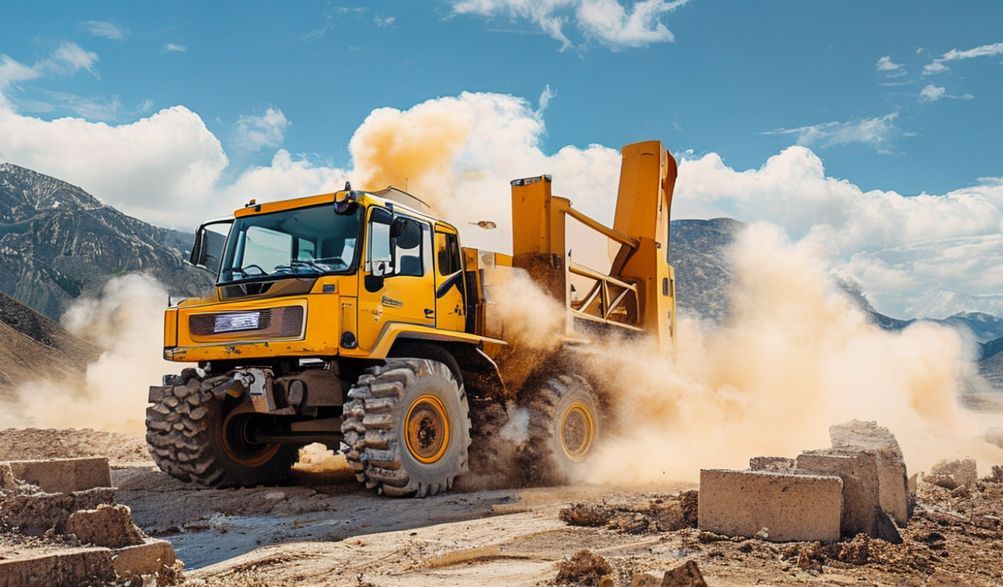
Panduan Lengkap Mesin Pembuat Blok Diesel di AS (2026)
Pengenalan
Industri pembinaan Amerika sedang membina masa depan, tetapi ia menghadapi cabaran asas: bekalan bahan yang boleh dipercayai dan kos efektif. Dengan perbelanjaan pembinaan tahunan melebihi $2.1 trilion serta lonjakan projek infrastruktur dan pembangunan kawasan terpencil, permintaan terhadap penyelesaian di tapak dan mudah disesuaikan tidak pernah lebih tinggi. Bagi kontraktor, pembina, dan usahawan, masalah logistik mengangkut blok konkrit tuang siap ke tapak kerja yang jauh atau berurusan dengan bekalan kuasa yang tidak stabil boleh melumpuhkan jadual dan bajet.
Masuki mesin pembuatan blok diesel—sebuah pusat kekuatan kemandirian dan kecekapan. Bagi profesional AS yang menangani projek di mana grid berakhir tetapi kerja bermula, mesin ini bukan sekadar peralatan; ia adalah kelebihan strategik. Berdasarkan pengalaman industri selama beberapa dekad dalam jentera pembinaan berat, panduan ini memotong segala kekeliruan untuk memberikan tinjauan terperinci dan boleh dipercayai tentangmesin pembuatan blok diesel di Amerika Syarikat.
Panduan komprehensif ini akan menerangkan cara mesin-mesin tangguh ini beroperasi, memperincikan manfaat tiada tandingannya untuk projek-projek di Amerika, menggariskan faktor-faktor kritikal dalam memilih model yang tepat, dan menyediakan peta jalan yang jelas untuk menavigasi landskap pembekal AS demi memastikan pelaburan yang berjaya dan menguntungkan.
Apakah itu Mesin Pembuat Blok Diesel?
Pada terasnya, mesin pembuat blok diesel adalah sebuah kilang mudah alih untuk produk konkrit. Ia mengubah bahan mentah—campuran konkrit—menjadi blok, bata, atau pavers berketumpatan tinggi yang tepat, terus di tapak kerja. Berbeza dengan mesin elektrik, ia membawa sumber kuasanya sendiri, menjadikannya alat utama untuk operasi autonomi di mana-mana sahaja.
Fungsi Teras dan Operasi
Proses ini adalah satu keajaiban kesederhanaan dan kekuatan mekanikal:
1. Campuran konkrit dimuatkan ke dalam corong mesin.
2. Enjin diesel dihidupkan, menggerakkan kedua-dua sistem hidraulik dan meja getaran.
Campuran itu dimasukkan ke dalam acuan yang boleh ditukar.
4. GetaranMemadatkan konkrit, membuang poket udara untuk kekuatan maksimum.
5. Tekanan hidraulik(sering melebihi 2,000 psi) dikenakan untuk membentuk satu unit pepejal yang tepat dimensinya.
Blok yang baru terbentuk dikeluarkan ke atas palet untuk mengeras.
Pembeza utama daripada model elektrik ialah kebebasan tenaga. Manakala mesin elektrik memerlukan sambungan kuasa yang stabil dan berkapasiti tinggi, mesin diesel hanya memerlukan bahan api dan kawasan tanah yang rata.
Komponen Utama dan Cara Mereka Bekerja Bersama
Memahami komponen utama membantu anda menilai kualiti dan prestasi:
- Enjin Diesel:Jantung mesin. Lazim dalam julat 20-50 HP untuk kebanyakan mesin blok mudah alih, ia menyediakan kuasa mekanikal secara langsung. Cari jenama terkemuka sepertiCummins, Deutz, atau Yanmaruntuk kebolehpercayaan dan kebolehkhidmatan.
- Sistem Hidraulik:Otot. Ia menukarkan kuasa enjin kepada tekanan besar yang terkawal yang diperlukan untuk membentuk blok padat dan kuat. Sistem yang kukuh dan bebas kebocoran adalah kritikal untuk output yang konsisten.
- Sistem Getaran:Kunci kepada kualiti. Getaran frekuensi tinggi memadatkan campuran konkrit, memastikan kemasan yang licin dan integriti struktur. Sistem boleh dipasang pada meja atau di dalam kepala acuan.
- Ruang Acuan/BlokCiri penentu. Acuan yang boleh ditukar ganti membolehkan satu mesin menghasilkan pelbagai produk—daripada blok berongga standard 8x8x16 inci hingga ke pavers hiasan dan curbs landskap.
- Panel Kawalan:Otak. Panel yang direka dengan baik dan intuitif membolehkan pengendali mengawal kitaran, masa getaran, dan tekanan, memastikan keputusan yang boleh diulang.
Kelebihan Utama Menggunakan Mesin Berkuasa Diesel di AS
Memilih pembuat blok berkuasa diesel adalah keputusan strategik yang menangani cabaran dan peluang khusus dalam pasaran AS yang luas.
Mobiliti dan Kebebasan Tapak yang Tiada Tandingan
Inilah kelebihan utama. Amerika mempunyai tapak pembinaan yang tidak terkira banyaknya di kawasan luar bandar, subbahagian baharu, dan projek infrastruktur terpencil di mana kuasa tiga fasa masih menjadi impian masa depan, bukan realiti semasa.
* Sifar Kebergantungan Grid:Beroperasi di mana-mana—dari projek lebuh raya pergunungan ke kemudahan pertanian baru di dataran.
* Easy Redeployment: Mounted on a trailer, the entire production line can be towed between job sites, maximizing asset utilization.
High Torque and Consistent Power Output
Diesel engines excel under constant, heavy loads.
* Reliable High-Volume Production: They deliver consistent power for 8-12 hour shifts without the risk of overheating or power drops associated with under-capacity generators or weak grid connections.
* Stable Performance: Output quality remains constant, unaffected by the voltage fluctuations that can plague remote electrical supplies.
Durability and Lower Long-Term Operational Costs
Built for tough environments, diesel engines are renowned for their longevity.
* Rugged Construction: They withstand dust, temperature extremes, and the vibrations of a worksite better than many electric motor setups.
* Fuel Efficiency: Diesel is a denser fuel, and these engines are typically more efficient under load than the combined cost of running equivalent electric machinery off a diesel generator. This translates to a lower cost per block over the machine’s lifespan.
Ideal for American Construction Scales
The versatility of diesel block machines aligns perfectly with the diverse US construction ecosystem.
* Large-Scale Projects: For developers building subdivisions or commercial complexes, on-site production slashes material transport costs and provides just-in-time inventory.
* Specialized Contractors: For masonry contractors, landscapers, or entrepreneurs starting a block supply business, it enables control over product type, schedule, and profit margins.
Critical Factors When Choosing a Diesel Block Machine for the US Market
Not all machines are created equal. Selecting the right one requires careful evaluation of your needs against these crucial factors.
Kapasiti Pengeluaran (Blok Per Jam)
Capacity should match your project scale and business model.
* Low-Output (< 500 blocks/shift): Ideal for very small, specialized projects or intermittent use.
* Mid-Output (800 – 2,000 blocks/shift): The sweet spot for most growing contractors and small-to-medium block manufacturers. A reliable machine here can produce the blocks for several houses per week.
* High-Output (3,000+ blocks/shift): For large commercial operations and suppliers feeding multiple job sites. These are larger, more substantial investments.
Always assess “real-world” output, not just optimistic theoretical numbers.
Jenis Blok dan Kepelbagaian Acuan
Your potential product line dictates your revenue potential. Ensure the machine supports interchangeable molds for:
* Standard Hollow & Solid Blocks (foundation, construction)
* Decorative Pavers & Retaining Wall Units
* Curbstones & Landscape Edging
* Special Shapes (e.g., chimney blocks)
Soalan Kritikal: How available and affordable are additional molds from the supplier?
Machine Build Quality and Durability Features
This is where you inspect the fundamentals. Look for:
* Rangka Keluli Tugas Berat: The chassis must resist the immense forces of operation without warping.
* Reputable Diesel Engine: A known brand ensures parts and service expertise are available.
* Corrosion-Resistant Components: Especially important in coastal or humid regions.
* Piawaian Keselamatan: The machine should be designed and built to comply with relevant US safety standards (e.g., OSHA guidelines for machine guarding).
After-Sales Support and Parts Availability in the USA
This is the single most important factor in your buying decision. A machine is a long-term asset; its value is protected by support.
* Local Service Technicians: Does the supplier have trained technicians in the US, or will you wait weeks for an international flight?
* Parts Inventory: Are common wear parts—hydraulic seals, vibration motors, mold liners—stocked in a US warehouse for next-day shipping?
* Warranty Terms: Is it a comprehensive, clearly written warranty backed by a US entity? A 1-2 year warranty on the machine and engine is standard for quality equipment.
Navigating the US Supplier Landscape: Import vs. Domestic Support
The market is a mix of international manufacturers and domestic distributors. Understanding this dynamic is key to a secure purchase.
Understanding the Supply Chain
Most diesel block machines are manufactured overseas in regions with strong heavy industry. However, the critical differentiator for a US buyer is not the country of origin, but the country of support.
The Importance of a US-Based Partner
A supplier with a genuine physical presence in the United States is non-negotiable for several reasons:
* Demonstrations & Inspections: You can see, touch, and often test the machine before buying.
* Fast Service Response: Breakdowns cost money. Local support means faster diagnostics and repair.
* Parts Logistics: Avoid customs delays for critical spare parts.
* Financial and Legal Recourse: You have clear jurisdiction and accountability.
Be wary of “ghost” suppliers: companies with only a PO Box, a foreign phone number, and glossy brochures.
Vetting a Reputable Supplier (Checklist)
Before you commit, verify:
– [ ] Physical US Address: A verifiable warehouse or office location.
– [ ] Company History & References: How long have they operated in the US? Can they provide contact info for past customers?
– [ ] Demo Availability: Can you visit for a live demonstration?
– [ ] Clear Warranty & Service Agreement: Documents that explicitly state coverage, response times, and exclusions.
– [ ] US Parts Inventory: Proof of a stocked parts warehouse for common components.
Cost Analysis and ROI of a Diesel Block Making Machine
This investment is about long-term value, not just upfront cost.
Upfront Investment vs. Long-Term Savings
While prices vary widely based on capacity and features, a quality mid-range diesel block making machine represents a significant capital investment. However, compare this to:
* The ongoing, variable cost of purchasing and transporting pre-made blocks, which includes fuel, trucking, and handling.
*profit margin you capture by producing blocks yourself.
* The competitive advantage of having blocks available on-demand, preventing project delays.
Key Operational Cost Factors
Your ongoing costs will include:
* Diesel Fuel: A efficient machine might use 1-2 gallons per hour under load.
* Bahan Mentah: Cost of cement, aggregate, and sand—which you can often source locally.
* Buruh: One or two operators to run the machine and handle materials.
* Maintenance: Regular servicing of the engine, hydraulics, and vibration system.
Calculating Your Potential Return
Use this simplified framework:
1. Calculate Your Cost Per Block: (Hourly Fuel + Material + Labor + Maintenance Cost) / Blocks Produced Per Hour.
2. Determine Local Market Price: What is the wholesale or retail price of the block type you’ll produce?
3. Analyze Project Volume: How many blocks will your upcoming projects or annual business require?
4. Project Savings/Profit: (Market Price – Your Cost) x Total Project Volume = Gross Savings/Profit.
The ROI period can often be measured in a single large project or the first year of operation for a dedicated block yard.
Soalan Lazim (FAQ)
Q1: What is the average production output of a mid-size diesel block machine?
A: A reliable mid-size machine typically produces 800 to 1,500 standard 8-inch hollow blocks in an 8-hour shift. Output depends heavily on block type, operator efficiency, and the specific machine cycle time.
Q2: Can I get training on how to operate and maintain the machine?
A: Absolutely. A reputable US supplier should provide comprehensive training. This usually includes onsite training during installation and commissioning, covering operation, routine maintenance, and basic troubleshooting. Many also provide detailed video manuals.
Q3: Are there any EPA regulations for diesel engines on these machines in the USA?
A: Yes. All new non-road diesel engines sold in the United States, including those on block machines, must comply with the EPA’s Tier 4 Final emissions standards. A legitimate supplier will provide documentation of compliance. This is a critical question to verify legality and environmental responsibility.
Q4: How do I source parts, and what is the typical warranty?
A: Your supplier should be your primary parts source, with a stocked US inventory for critical components. A standard warranty for a quality machine is 12-24 months on the machine frame and core systems, with the diesel engine often covered by its own manufacturer’s warranty (e.g., 2 years/unlimited hours). Always get warranty terms in writing.
Q5: Is a diesel machine better than an electric model for my business?
A: It depends entirely on your working conditions. Choose a diesel block making machine if your sites are remote, lack stable power, or you need high mobility. Choose an electric model if you have a fixed, powered facility (like a permanent block yard) with access to affordable industrial electricity and do not require mobility.
Kesimpulan
For the American contractor or entrepreneur building beyond the grid, a diesel block making machine is more than a piece of equipment—it’s a declaration of independence. It provides the power, mobility, and durability to control your material supply, reduce project costs, and tackle opportunities wherever they arise.
Your success, however, hinges on a partnership, not just a purchase. The true value of your investment is inextricably linked to the quality and responsiveness of your supplier’s US-based support network. Prioritize the supplier with the local presence, proven track record, and parts inventory that will keep your business producing for years to come.
Ready to take the next step with confidence? Schedule a consultation with our US-based equipment specialists. We’ll help you evaluate your specific project needs, provide transparent machine demonstrations, and detail our comprehensive stateside support program—ensuring your investment builds a stronger foundation for your business.
Take control of your supply chain. Build with power. Build anywhere.
<