
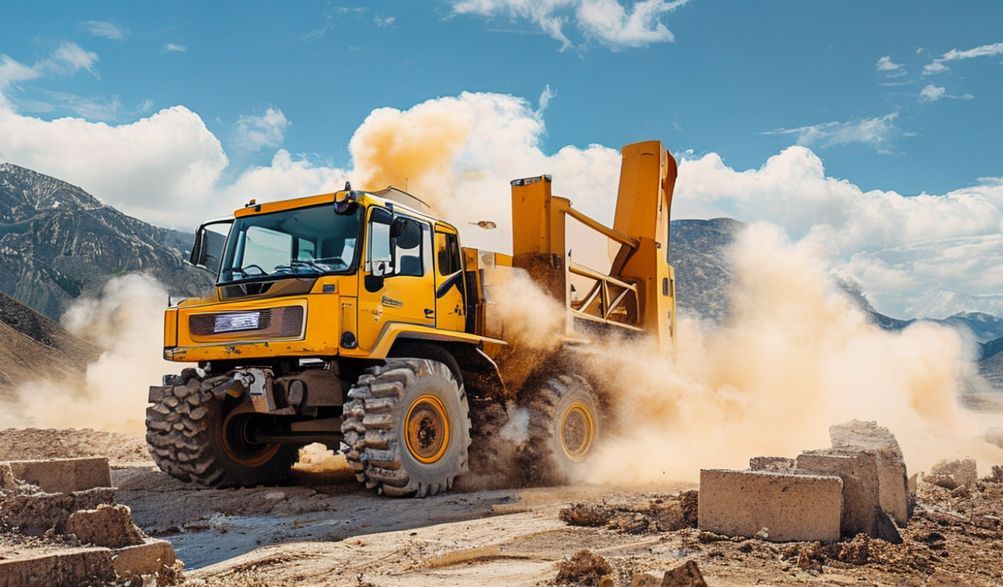
미국 디젤 블록 제작 기계 완벽 가이드 (2026년)
소개
미국 건설 산업은 미래를 건설하고 있지만, 신뢰할 수 있고 비용 효율적인 자재 공급이라는 근본적인 과제에 직면해 있습니다. 연간 2조 1천억 달러 이상의 건설 지출과 인프라 및 원격 개발 프로젝트의 급증으로 현장 적응형 솔루션에 대한 수요는 그 어느 때보다 높습니다. 계약자, 건설업자 및 기업가들에게는 사전 제작된 콘크리트 블록을 먼 작업 현장으로 운반하거나 불안정한 전력 공급을 처리해야 하는 물류 문제가 일정과 예산을 마비시킬 수 있습니다.
디젤 블록 제작기—독립성과 효율성의 강력한 동력원입니다. 전력망이 끊기지만 작업은 시작되어야 하는 현장을 맡은 미국 전문가들에게 이 기계는 단순한 장비가 아닌 전략적 이점입니다. 중장비 건설 기계 분야의 수십 년간의 업계 경험을 바탕으로, 이 가이드는 혼란을 걷어내고 신뢰할 수 있는 상세한 정보를 제공합니다.미국 내 디젤 블록 제조 기계.
이 포괄적인 가이드는 이 견고한 기계들의 작동 방식을 명확히 설명하고, 미국 내 프로젝트에서의 뛰어난 이점을 상세히 소개하며, 적합한 모델을 선택하는 데 있어 핵심적인 요소들을 제시합니다. 또한 성공적이고 수익성 높은 투자를 보장하기 위해 미국 공급업체 환경을 효과적으로 탐색할 수 있는 명확한 로드맵을 제공합니다.
디젤 블록 제조 기계란 무엇인가요?
디젤 블록 제작기의 핵심은 이동식 콘크리트 제품 공장입니다. 이 장비는 원자재인 콘크리트 혼합물을 작업 현장에서 바로 정밀하고 고밀도의 블록, 벽돌 또는 포장재로 변환합니다. 전기식 장비와 달리 자체 동력원을 탑재하고 있어 어디서나 독립적으로 운영할 수 있는 최적의 도구입니다.
핵심 기능과 운영
이 과정은 기계적 단순성과 힘의 경이로움입니다.
1. 콘크리트 혼합물을 기계의 호퍼에 적재합니다.
디젤 엔진이 시동되어 유압 시스템과 진동 테이블을 구동합니다.
혼합물은 교체 가능한 금형에 주입됩니다.
4. 진동콘크리트를 다져 공기 주머니를 제거하여 최대 강도를 확보합니다.
5. 유압(종종 2,000 psi를 초과하는) 압력이 가해져 단단하고 치수 정밀도가 높은 부품을 형성합니다.
6. 새로 형성된 블록은 경화를 위해 팔레트 위로 배출됩니다.
전기 모델과의 핵심 차별점은 에너지 독립성입니다. 전기 기계는 안정적이고 대용량의 전원 연결이 필요하지만, 디젤 기계는 연료와 평평한 지면만 있으면 됩니다.
핵심 구성 요소와 상호 작용 방식
주요 구성 요소를 이해하면 품질과 성능을 평가하는 데 도움이 됩니다.
- 디젤 엔진:기계의 심장. 대부분의 모바일 블록 머신에서 20-50 HP 범위로 흔히 사용되며, 직접적인 기계적 동력을 제공합니다. 와 같은 신뢰할 수 있는 브랜드를 찾아보세요.커민스, 도이츠, 야마하신뢰성과 유지 보수성을 위해
- 유압 시스템:근육. 이는 엔진의 힘을 조밀하고 강력한 블록을 형성하는 데 필요한 거대하고 통제된 압력으로 변환합니다. 일관된 생산을 위해서는 견고하고 누출이 없는 시스템이 필수적입니다.
- 진동 시스템품질의 핵심. 고주파 진동이 콘크리트 믹스를 다져주어 매끄러운 마감과 구조적 안정성을 보장합니다. 시스템은 테이블 위나 몰드 헤드 내부에 장착할 수 있습니다.
- 몰드/블록 챔버:결정적인 특징. 교체 가능한 몰드는 하나의 기계로 표준 8x8x16인치 속이 빈 블록부터 장식 포장재와 조경용 연석까지 다양한 제품을 생산할 수 있게 합니다.
- 제어판뇌. 직관적으로 설계된 패널은 작업자가 사이클, 진동 시간, 압력을 제어하여 반복 가능한 결과를 보장합니다.
미국에서 디젤 동력 기계 사용의 주요 장점
디젤 동력 블록 제조기 선택은 광활한 미국 시장 내 특정 도전과 기회를 해결하는 전략적 결정입니다.
뛰어난 기동성과 장소 독립성
이것이 가장 중요한 장점입니다. 미국에는 시골 지역, 새로운 주택 단지, 그리고 외딴 인프라 프로젝트 현장이 무수히 많습니다. 이러한 곳들에서는 삼상 전력이 현재의 현실이 아닌 미래의 꿈에 불과합니다.
* 제로 그리드 의존성:어디에서나 운영하세요—산악 고속도로 프로젝트부터 평원의 새로운 농업 시설까지.
* Easy Redeployment: Mounted on a trailer, the entire production line can be towed between job sites, maximizing asset utilization.
High Torque and Consistent Power Output
Diesel engines excel under constant, heavy loads.
* Reliable High-Volume Production: They deliver consistent power for 8-12 hour shifts without the risk of overheating or power drops associated with under-capacity generators or weak grid connections.
* Stable Performance: Output quality remains constant, unaffected by the voltage fluctuations that can plague remote electrical supplies.
Durability and Lower Long-Term Operational Costs
Built for tough environments, diesel engines are renowned for their longevity.
* Rugged Construction: They withstand dust, temperature extremes, and the vibrations of a worksite better than many electric motor setups.
* Fuel Efficiency: Diesel is a denser fuel, and these engines are typically more efficient under load than the combined cost of running equivalent electric machinery off a diesel generator. This translates to a lower cost per block over the machine’s lifespan.
Ideal for American Construction Scales
The versatility of diesel block machines aligns perfectly with the diverse US construction ecosystem.
* Large-Scale Projects: For developers building subdivisions or commercial complexes, on-site production slashes material transport costs and provides just-in-time inventory.
* Specialized Contractors: For masonry contractors, landscapers, or entrepreneurs starting a block supply business, it enables control over product type, schedule, and profit margins.
Critical Factors When Choosing a Diesel Block Machine for the US Market
Not all machines are created equal. Selecting the right one requires careful evaluation of your needs against these crucial factors.
생산 능력 (시간당 블록 수)
Capacity should match your project scale and business model.
* Low-Output (< 500 blocks/shift): Ideal for very small, specialized projects or intermittent use.
* Mid-Output (800 – 2,000 blocks/shift): The sweet spot for most growing contractors and small-to-medium block manufacturers. A reliable machine here can produce the blocks for several houses per week.
* High-Output (3,000+ blocks/shift): For large commercial operations and suppliers feeding multiple job sites. These are larger, more substantial investments.
Always assess “real-world” output, not just optimistic theoretical numbers.
블록 유형과 몰드 다양성
Your potential product line dictates your revenue potential. Ensure the machine supports interchangeable molds for:
* Standard Hollow & Solid Blocks (foundation, construction)
* Decorative Pavers & Retaining Wall Units
* Curbstones & Landscape Edging
* Special Shapes (e.g., chimney blocks)
중요한 질문: How available and affordable are additional molds from the supplier?
Machine Build Quality and Durability Features
This is where you inspect the fundamentals. Look for:
* 견고한 강철 프레임: The chassis must resist the immense forces of operation without warping.
* Reputable Diesel Engine: A known brand ensures parts and service expertise are available.
* Corrosion-Resistant Components: Especially important in coastal or humid regions.
* 안전 기준 The machine should be designed and built to comply with relevant US safety standards (e.g., OSHA guidelines for machine guarding).
After-Sales Support and Parts Availability in the USA
This is the single most important factor in your buying decision. A machine is a long-term asset; its value is protected by support.
* 현지 서비스 기술자: Does the supplier have trained technicians in the US, or will you wait weeks for an international flight?
* Parts Inventory: Are common wear parts—hydraulic seals, vibration motors, mold liners—stocked in a US warehouse for next-day shipping?
* Warranty Terms: Is it a comprehensive, clearly written warranty backed by a US entity? A 1-2 year warranty on the machine and engine is standard for quality equipment.
Navigating the US Supplier Landscape: Import vs. Domestic Support
The market is a mix of international manufacturers and domestic distributors. Understanding this dynamic is key to a secure purchase.
Understanding the Supply Chain
Most diesel block machines are manufactured overseas in regions with strong heavy industry. However, the critical differentiator for a US buyer is not the country of origin, but the country of support.
The Importance of a US-Based Partner
A supplier with a genuine physical presence in the United States is non-negotiable for several reasons:
* Demonstrations & Inspections: You can see, touch, and often test the machine before buying.
* Fast Service Response: Breakdowns cost money. Local support means faster diagnostics and repair.
* Parts Logistics: Avoid customs delays for critical spare parts.
* Financial and Legal Recourse: You have clear jurisdiction and accountability.
Be wary of “ghost” suppliers: companies with only a PO Box, a foreign phone number, and glossy brochures.
Vetting a Reputable Supplier (Checklist)
Before you commit, verify:
– [ ] Physical US Address: A verifiable warehouse or office location.
– [ ] Company History & References: How long have they operated in the US? Can they provide contact info for past customers?
– [ ] Demo Availability: Can you visit for a live demonstration?
– [ ] Clear Warranty & Service Agreement: Documents that explicitly state coverage, response times, and exclusions.
– [ ] US Parts Inventory: Proof of a stocked parts warehouse for common components.
Cost Analysis and ROI of a Diesel Block Making Machine
This investment is about long-term value, not just upfront cost.
Upfront Investment vs. Long-Term Savings
While prices vary widely based on capacity and features, a quality mid-range diesel block making machine represents a significant capital investment. However, compare this to:
* The ongoing, variable cost of purchasing and transporting pre-made blocks, which includes fuel, trucking, and handling.
* 그profit margin you capture by producing blocks yourself.
* The competitive advantage of having blocks available on-demand, preventing project delays.
Key Operational Cost Factors
Your ongoing costs will include:
* Diesel Fuel: A efficient machine might use 1-2 gallons per hour under load.
* 원자재 Cost of cement, aggregate, and sand—which you can often source locally.
* 노동 One or two operators to run the machine and handle materials.
* Maintenance: Regular servicing of the engine, hydraulics, and vibration system.
Calculating Your Potential Return
Use this simplified framework:
1. Calculate Your Cost Per Block: (Hourly Fuel + Material + Labor + Maintenance Cost) / Blocks Produced Per Hour.
2. Determine Local Market Price: What is the wholesale or retail price of the block type you’ll produce?
3. Analyze Project Volume: How many blocks will your upcoming projects or annual business require?
4. Project Savings/Profit: (Market Price – Your Cost) x Total Project Volume = Gross Savings/Profit.
The ROI period can often be measured in a single large project or the first year of operation for a dedicated block yard.
자주 묻는 질문 (FAQ)
Q1: What is the average production output of a mid-size diesel block machine?
A: A reliable mid-size machine typically produces 800 to 1,500 standard 8-inch hollow blocks in an 8-hour shift. Output depends heavily on block type, operator efficiency, and the specific machine cycle time.
Q2: Can I get training on how to operate and maintain the machine?
A: Absolutely. A reputable US supplier should provide comprehensive training. This usually includes onsite training during installation and commissioning, covering operation, routine maintenance, and basic troubleshooting. Many also provide detailed video manuals.
Q3: Are there any EPA regulations for diesel engines on these machines in the USA?
A: Yes. All new non-road diesel engines sold in the United States, including those on block machines, must comply with the EPA’s Tier 4 Final emissions standards. A legitimate supplier will provide documentation of compliance. This is a critical question to verify legality and environmental responsibility.
Q4: How do I source parts, and what is the typical warranty?
A: Your supplier should be your primary parts source, with a stocked US inventory for critical components. A standard warranty for a quality machine is 12-24 months on the machine frame and core systems, with the diesel engine often covered by its own manufacturer’s warranty (e.g., 2 years/unlimited hours). Always get warranty terms in writing.
Q5: Is a diesel machine better than an electric model for my business?
A: It depends entirely on your working conditions. Choose a 디젤 블록 제작 기계 if your sites are remote, lack stable power, or you need high mobility. Choose an electric model if you have a fixed, powered facility (like a permanent block yard) with access to affordable industrial electricity and do not require mobility.
결론
For the American contractor or entrepreneur building beyond the grid, a diesel block making machine is more than a piece of equipment—it’s a declaration of independence. It provides the power, mobility, and durability to control your material supply, reduce project costs, and tackle opportunities wherever they arise.
Your success, however, hinges on a partnership, not just a purchase. The true value of your investment is inextricably linked to the quality and responsiveness of your supplier’s US-based support network. Prioritize the supplier with the local presence, proven track record, and parts inventory that will keep your business producing for years to come.
Ready to take the next step with confidence? Schedule a consultation with our US-based equipment specialists. We’ll help you evaluate your specific project needs, provide transparent machine demonstrations, and detail our comprehensive stateside support program—ensuring your investment builds a stronger foundation for your business.
Take control of your supply chain. Build with power. Build anywhere.
<