
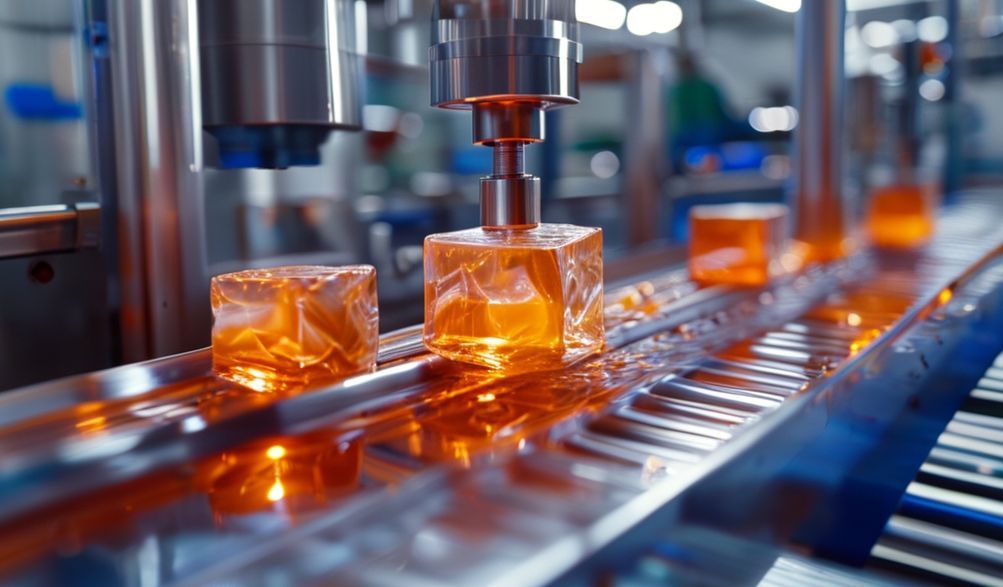
디오 블록 제조 기계의 궁극적인 가이드: 선택부터 운용까지
디오도란트 블록, 일반적으로 '디오 블록'으로 알려진 이 제품은 전 세계 공중화장실, 상업 시설 및 가정에서 현대 위생 관리의 필수 구성 요소입니다. 기업가와 제조업체에게 이 안정적인 시장에 진입하는 초석은 신뢰할 수 있는 공급망 확보입니다.디오 블록 제작 기계하지만 이 결정은 단순한 구매 주문을 훨씬 넘어섭니다. 이는 생산 능력, 제품 품질, 그리고 궁극적으로 귀사 비즈니스의 수익성에 대한 투자입니다. 이 확정적인 가이드는 업계 통찰력을 활용하여 완전한 로드맵을 제공합니다. 핵심 기술을 분석하고, 비판적인 시각으로 선택 과정을 안내하며, 운영 및 유지보수에 관한 전문가 수준의 조언을 제공할 것입니다. 신생 창업을 시작하든 기존 생산 라인을 최적화하든, 여기에 담긴 권위 있는 지식은 모든 단계에서 확신에 찬, 정보에 기반한 결정을 내릴 수 있도록 도울 것입니다.
디오 블록 제조 기계 이해: 핵심 기술과 유형
구체적인 모델을 평가하기 전에, 이러한 기계가 무엇을 하는지와 그 작동의 기본 원리를 이해하는 것이 중요합니다. 이 기초 지식은 올바른 질문을 던지고 제조업체의 주장을 효과적으로 평가할 수 있는 힘을 줄 것입니다.
디오 블록 제조 기계는 어떻게 작동하나요?
탈취제 블록의 생산은 효율성과 일관성을 위해 설계된 통제된 열 및 기계적 공정입니다. 기계의 복잡성은 다양하지만, 핵심 단계는 유사하게 유지됩니다.
- 믹싱 & 멜팅:원료—주로 파라핀 왁스—는 가열된 용해 탱크나 냄비에 투입됩니다. 여기에 향료 오일, 정균제 및 염료를 첨가하여 균일한 액체 혼합물을 만들기 위해 철저히 혼합합니다. 이 단계에서 정확한 온도 조절이 매우 중요합니다. 과열은 향을 저하시킬 수 있고, 가열 부족은 혼합이 제대로 이루어지지 않게 합니다.
- 미터링 및 전송:용융된 혼합물은 반자동 모델에서는 수동으로, 완전 자동 시스템에서는 자동화된 펌프를 통해 정밀하게 계량되어 성형 구역으로 이송됩니다.
- 성형:이것이 공정의 핵심입니다. 액체 혼합물이 냉각된 금형(보통 알루미늄이나 강철로 제작됨)에 주입되거나 부어집니다. 금형은 최종 블록(큐브, 구체 등)의 음각 형태로 설계됩니다.유압 프레스일부 시스템에서는 정밀한 성형과 밀도를 보장하기 위해 사용될 수 있습니다.
- 냉각 및 응고채워진 주형은 냉각 단계를 거치며, 종종 순환수나 공기를 사용하여 왁스 혼합물을 빠르게 고체 블록으로 응고시킵니다.
- 배출 및 방출:경화된 완성 블록은 몰드에서 배출됩니다. 고급 시스템에서는 이 과정이 자동으로 이루어지며, 블록들은 다음 작업장으로 운반됩니다.
- 포장:마지막 단계는 블록 포장으로, 수동 포장부터 생산 라인에 통합된 완전 자동 필름 포장 또는 박스 포장 시스템까지 다양한 방식으로 이루어질 수 있습니다.
정교함의금형 설계온도 제어의 정확성과 배출 메커니즘의 신뢰성은 기본형과 고급형 기계를 구분하는 핵심 차별화 요소입니다.
기계의 주요 유형: 자동 vs. 반자동
주요 분류는 인간의 개입 수준에 따라 달라집니다.
-
반자동 기계:
- 작전:용융 혼합물을 주형에 부어 넣고, 냉각 사이클을 시작하며, 완성된 블록을 수동으로 제거하는 등 상당한 수작업 단계를 포함합니다. 온도 제어와 같은 자동화 요소가 있을 수 있습니다.
- 출력 용량:낮은 편으로, 일반적으로 모델과 작업자의 속도에 따라 시간당 200~800 블록 정도입니다.
- 노동 요구 사항높음. 생산 주기의 대부분 동안 일관된 작업자의 주의가 필요합니다.
- 이상적인 대상:초기 자본 투자가 적은 스타트업, 소규모 사업체 또는 소량, 맞춤형 또는 다향성 생산 라인에서 유연성이 핵심인 제조업체를 위한 것입니다.
-
완전 자동 기계:
- 작전:전체 과정—용융과 혼합부터 성형, 냉각, 이젝션, 그리고 종종 포장까지—는 프로그래머블 로직 컨트롤러(PLC)에 의해 순차적으로 제어됩니다.PLC 제어 시스템운영자의 역할은 감독, 원자재 적재, 품질 검사로 전환됩니다.
- 출력 용량:높고 일관적이며, 산업용 라인에서는 시간당 1,000~3,000개 이상의 블록을 초과하는 경우가 많습니다.
- 노동 요구 사항낮음. 한 명의 작업자가 종종 여러 대의 기계 또는 전체 생산 라인을 관리할 수 있습니다.
- 이상적인 대상: Medium to large-scale manufacturers focused on high-volume, standardized production. They offer superior consistency, lower per-unit labor cost, and better scalability.
Beyond the Machine: Essential Raw Materials for Quality Blocks
The machine is only as good as the materials you feed it. Understanding raw materials is non-negotiable for product quality.
- Paraffin Wax: The base material that provides structure and the controlled melt-rate. The wax grade (melting point) directly affects how long the block lasts in a urinal or toilet.
- Fragrance Oils: These mask odors and provide a pleasant scent. High-quality, concentrated oils designed for wax compatibility are essential for a strong, lasting fragrance throw.
- Bacteriostatic Agents: The active deodorizing component. Chemicals like paradichlorobenzene or other proprietary blends inhibit bacterial growth, which is the source of malodors.
- Dyes: Used for brand identification and consumer appeal. Color must be stable at high temperatures.
- Importance of Quality: Inferior raw materials lead to poor block integrity (cracking, crumbling), weak or faded fragrance, inconsistent melt rates, and ultimately, dissatisfied customers. A common mistake new manufacturers make is sourcing the cheapest materials, which erodes product performance and brand reputation.
Key Factors to Consider When Choosing Your Machine
This is where theoretical knowledge meets practical decision-making. Selecting the right machine requires a honest assessment of your business and a detailed examination of the equipment.
Assessing Your Production Needs: Capacity and Output
Begin with a clear business plan. Avoid buying an oversized machine that drains capital or an undersized one that caps your growth.
- 수요 계산 Estimate your current and near-future (12-24 month) market demand in blocks per day/month.
- Understand Machine Metrics: Look at cycles per hour그리고blocks per cycle. A machine with 4 mold cavities producing 10 cycles per hour yields a 400-block-per-hour output (4 x 10 x 10).
- Match to Scale: A small local business might be perfectly served by a 300-blocks/hour semi-automatic machine. A supplier targeting national retail chains will likely need a 2,000-blocks/hour automatic line.
Critical Machine Specifications and Features to Examine
Go beyond the sales brochure. Scrutinize these technical and build-quality aspects:
- 금형 시스템: Number of cavities, material (hardened steel lasts longer), and ease of changing molds for different shapes. Are additional mold sets readily available?
- Heating System: Is it electric, thermal oil, or steam? Electric is common; look for insulated tanks and precise thermostats (±1°C) for efficiency and mix stability.
- 전력 소비량: Calculate operational costs. Larger machines may require 380V three-phase power—verify your facility’s electrical infrastructure.
- Construction Material: Critical parts in contact with the melt (tank, pipes, molds) should be made of food-grade or high-quality stainless steel to prevent corrosion and contamination.
- Safety Features: Emergency stop buttons, thermal overload protection, machine guarding, and clear safety labels are non-negotiable.
- Ease of Cleaning: Machines with smooth surfaces, accessible panels, and drain valves simplify daily cleaning, which is vital for hygiene and preventing cross-fragrance contamination.
The Importance of After-Sales Support and Warranty
The machine’s price tag is just the initial cost. The manufacturer’s support defines your long-term operating experience.
- 예비 부품 가용성: Are common wear-and-tear parts (heaters, seals, hydraulic hoses) in stock and easily orderable? Long lead times on parts can halt production for weeks.
- 기술 지원 Is support available via phone, email, or remote desktop? What are the response times? A supplier with poor support can turn a minor issue into major downtime.
- 설치 및 교육: Do they offer on-site installation and comprehensive operator training? This is invaluable for ensuring correct setup and safe operation from day one.
- Warranty Terms: Read the warranty carefully. What is covered (parts, labor)? How long does it last? What are the obligations for the user (e.g., using approved materials)?
Operating and Maintaining Your Machine for Optimal Performance
Owning the machine is step one. Operating it correctly and maintaining it diligently is what ensures productivity, safety, and a long equipment lifespan.
Step-by-Step: Standard Operating Procedure (SOP) for Safety & Quality
A disciplined startup/shutdown routine prevents accidents and ensures consistent product quality.
- Pre-Start Check: Inspect the machine for any debris or leaks. Ensure all safety guards are in place. Verify that the raw material hopper/tank is filled.
- Power On & Preheat: Switch on the main power. Start the heating system and allow the melting tank to reach the prescribed operating temperature (typically between 80-95°C, depending on your wax blend).
- Load & Mix: Add your pre-measured raw materials. Allow sufficient time for complete melting and homogeneous mixing.
- Initiate Production Cycle: Start the molding cycle. For semi-automatic machines, begin careful pouring. For automatics, initiate the automated sequence.
- Monitor Continuously: Regularly check block weight, appearance, and ejection. Monitor temperature gauges.
- Shutdown Procedure: Once the last cycle is complete, run the system to clear remaining material from lines (follow manufacturer’s “purging” guidelines). Turn off heaters first, allowing pumps to cool the system. Then, power down the main control. Clean all accessible parts.
Safety First: Always wear heat-resistant gloves and safety glasses. Never bypass safety interlocks. Implement a strict lock-out/tag-out procedure during any maintenance.
Routine Maintenance Checklist to Prevent Downtime
Proactive maintenance is far cheaper than reactive repairs.
- Daily:
- Clean the melting tank exterior and work area.
- Wipe down molds after the machine has cooled to prevent wax buildup.
- Check for any fluid leaks (hydraulic oil, water coolant).
- Weekly:
- Inspect and clean the mold cavities thoroughly.
- Check hydraulic oil level and look for cloudiness (indicating water contamination).
- Inspect electrical connections for tightness.
- Lubricate all moving parts as per the manual (guide rails, ejection mechanisms).
- Monthly/Quarterly:
- Replace hydraulic oil and coolant filters.
- Calibrate temperature sensors and weighing systems.
- Tighten all bolts and fittings.
- Perform a full inspection of heating elements and wiring.
Troubleshooting Common Issues
Here is where experience pays off. Recognizing symptoms early saves time and material.
- Blocks Sticking to Mold: This is often caused by molds that are too warm or have surface pitting/scratches. Increase cooling time/coolant flow or polish/clean the mold surfaces.
- Inconsistent Block Weight: Usually a result of an inaccurate metering system, variable material temperature (affecting viscosity), or a worn pump seal. Check and calibrate the metering device and ensure consistent melt temperature.
- Heating Element Failure: If the melt temperature won’t rise, a heating element may have burned out. Test with a multimeter and replace. Always disconnect power first.
- Poor Ejection/Deformed Blocks: This can point to misaligned molds, insufficient cooling time (block is still soft), or low hydraulic pressure. Check alignment, increase solidification time, and verify hydraulic pressure settings.
Maximizing ROI: From Machine to Market
Your machine is a tool for building a business. Strategic thinking around sourcing, branding, and market positioning turns production into profit.
Sourcing Quality Raw Materials Cost-Effectively
- Build Supplier Relationships: Develop partnerships with reputable chemical and wax suppliers. They can provide technical data sheets and consistency.
- Bulk Purchasing: Once your formulations are set, consider bulk purchases to secure better pricing, but always ensure you have proper storage conditions.
- Quality Testing: Never skip incoming quality checks. Test the melt point of wax batches and the fragrance strength of oils against a known standard.
Packaging and Branding Your Deo Blocks for Competitive Advantage
- Packaging Options: Choices range from simple PVC/PVdC shrink film to printed cardboard boxes or display tubs. Film is cost-effective; boxes allow for more branding and instructions.
- The Power of Branding: A professional logo, clear scent description, and usage instructions build trust. Consider branding for different channels (premium for hotels, functional for industrial janitorial supplies).
Understanding Market Trends and Potential Business Models
- Market Trends: There is growing interest in eco-friendly formulations (biodegradable waxes, essential oil-based fragrances) and longer-lasting blocks. Stay informed.
- 비즈니스 모델: Beyond selling individual blocks, consider creating a subscription service for commercial clients (regular restocking) or developing private-label products for larger distributors.
Frequently Asked Questions (FAQ) About Deo Blocks Machines
Q1: What is the average production capacity of a standard deo blocks making machine?
A: Capacities vary widely. Semi-automatic machines may produce 200-500 blocks per hour, while fully automatic lines can exceed 2000 blocks per hour. Your choice should depend on your target market volume.
Q2: Can one machine produce different shapes and sizes of deo blocks?
A: Yes, but it requires changing the mold. When purchasing a machine, inquire about the availability and cost of additional mold sets for different shapes (e.g., cubes, spheres, hearts) to future-proof your investment.
Q3: What is the typical power requirement for these machines?
A: It depends on the size and heating system. Smaller models may run on standard 220V single-phase power, while larger industrial machines often require 380V three-phase power. Always verify your facility’s electrical capacity.
Q4: How do I ensure the consistency and fragrance quality of each block?
A: Consistency comes from precise machine operation (maintaining correct temperatures and fill volumes) and using high-quality, pre-mixed raw materials with stable fragrance oils. Implementing a strict quality control check is essential.
Q5: What safety precautions are most important when operating the machine?
A: Key precautions include wearing heat-resistant gloves and safety glasses, ensuring proper machine grounding, never touching hot surfaces (melting tank, molds), and following the manufacturer’s lock-out/tag-out procedures during maintenance.
결론
투자하기디오 블록 제작 기계 is a commitment to building a manufacturing operation with solid foundations. As we’ve explored, success is not guaranteed by the purchase alone but is engineered through informed selection, diligent operation, and astute business strategy. By meticulously choosing equipment that aligns with your production targets and is backed by robust support, and by adhering to the expert best practices outlined for daily operation and maintenance, you transform a capital expenditure into a powerful engine for growth. Let this guide serve as your comprehensive roadmap. Approach potential suppliers with detailed questions, prioritize long-term reliability over short-term savings, and take the first step toward a profitable and sustainable venture in the deodorant block industry with confidence.
<