
Полное руководство по машинам для производства блоков Deo: от выбора до эксплуатации
Дезодорирующие блоки, обычно известные как «дезоблоки», являются неотъемлемым элементом современной гигиены в общественных туалетах, коммерческих учреждениях и домашних хозяйствах по всему миру. Для предпринимателей и производителей краеугольным камнем входа на этот стабильный рынок является получение надежногоМашина для производства блоков ДЭООднако это решение выходит далеко за рамки простого заказа на покупку. Это инвестиция в ваши производственные возможности, качество продукции и, в конечном счете, в прибыльность вашего бизнеса. Данное исчерпывающее руководство, опираясь на отраслевые знания, предлагает полную дорожную карту. Мы разберем основную технологию, проведем вас через процесс выбора с критическим взглядом и дадим экспертные рекомендации по эксплуатации и техническому обслуживанию. Независимо от того, запускаете ли вы стартап или оптимизируете существующую производственную линию, авторитетные знания, изложенные здесь, позволят вам принимать уверенные и обоснованные решения на каждом этапе.
Понимание машин для производства блоков Deo: Основные технологии и типы
Прежде чем оценивать конкретные модели, важно понять, что делают эти машины и каковы основные принципы их работы. Эти базовые знания позволят вам задавать правильные вопросы и эффективно оценивать заявления производителей.
Как работает машина для производства блоков Deo?
Производство дезодорантов в брикетах представляет собой контролируемый термический и механический процесс, разработанный для обеспечения эффективности и стабильности. Хотя сложность оборудования может варьироваться, основные этапы остаются схожими.
- Смешивание и плавление:Сырье — в основном парафиновый воск — загружается в нагревательный плавильный бак или котел. Добавляются ароматические масла, бактериостатические агенты и красители, после чего все тщательно перемешивается для создания однородной жидкой смеси. Точный контроль температуры на этом этапе крайне важен: перегрев может ухудшить аромат, а недостаточный нагрев приводит к плохому смешиванию.
- Измерение и передача:Затем расплавленная смесь точно дозируется — вручную в полуавтоматических моделях или с помощью автоматических насосов в полностью автоматических системах — и передается в формовочный участок.
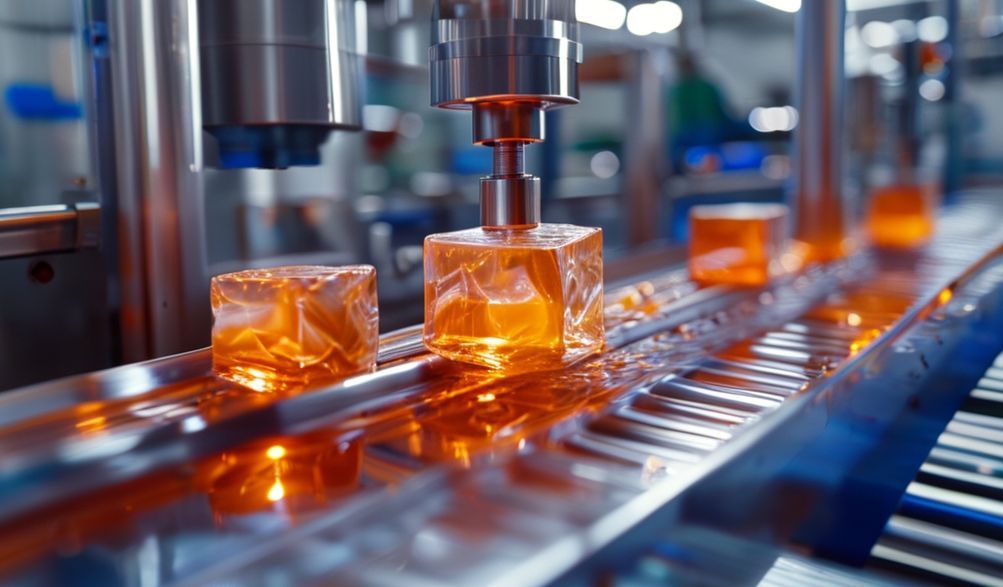
- Формование:Это сердце процесса. Жидкая смесь впрыскивается или заливается в охлаждённые металлические формы (часто из алюминия или стали). Формы спроектированы с негативной формой конечного блока (куб, сфера и т.д.).гидравлический прессможет использоваться в некоторых системах для обеспечения точного формирования и плотности.
- Охлаждение и затвердевание:Заполненные формы проходят через стадию охлаждения, часто с использованием циркулирующей воды или воздуха, чтобы быстро затвердить восковую смесь в твердый блок.
- Выброс и разряд:После затвердевания готовые блоки выталкиваются из форм. В современных системах это происходит автоматически, и блоки транспортируются на следующую станцию.
- Упаковка:Заключительный этап включает упаковку блоков, которая может варьироваться от ручной обмотки до полностью автоматизированных систем пленочной упаковки или упаковки в коробки, интегрированных в производственную линию.
Изощрённостьпроектирование пресс-формТочность контроля температуры и надежность механизма выброса являются ключевыми отличиями между базовыми и высококлассными машинами.
Основные типы машин: Автоматические и полуавтоматические
Основная классификация зависит от уровня необходимого вмешательства человека.
-
Полуавтоматические станки:
- Операция:Включают значительные ручные операции, такие как заливку расплавленной смеси в формы, запуск цикла охлаждения и ручное извлечение готовых блоков. Могут иметь автоматизированные элементы, например, контроль температуры.
- Выходная мощность:Ниже, обычно от 200 до 800 блоков в час, в зависимости от модели и скорости оператора.
- Требования к рабочей силе:Выше. Требует постоянного внимания оператора в течение большей части производственного цикла.
- Идеально подходит для:Стартапы, малые предприятия или производители с небольшими объемами, индивидуальными заказами или производственными циклами, включающими несколько ароматов, где важна гибкость. Они требуют меньших первоначальных капиталовложений.
-
Полностью автоматические машины:
- Операция:Весь процесс — от плавления и смешивания до формования, охлаждения, извлечения и часто упаковки — последовательно управляется и контролируется программируемым логическим контроллером (ПЛК).Система управления на базе ПЛКРоли операторов смещаются в сторону надзора, загрузки сырья и проверки качества.
- Выходная мощность:Высокая и стабильная, часто превышает 1000–3000+ блоков в час на промышленных линиях.
- Требования к рабочей силе:Ниже. Один оператор часто может управлять несколькими машинами или целой производственной линией.
- Идеально подходит для: Medium to large-scale manufacturers focused on high-volume, standardized production. They offer superior consistency, lower per-unit labor cost, and better scalability.
Beyond the Machine: Essential Raw Materials for Quality Blocks
The machine is only as good as the materials you feed it. Understanding raw materials is non-negotiable for product quality.
- Paraffin Wax: The base material that provides structure and the controlled melt-rate. The wax grade (melting point) directly affects how long the block lasts in a urinal or toilet.
- Fragrance Oils: These mask odors and provide a pleasant scent. High-quality, concentrated oils designed for wax compatibility are essential for a strong, lasting fragrance throw.
- Bacteriostatic Agents: The active deodorizing component. Chemicals like paradichlorobenzene or other proprietary blends inhibit bacterial growth, which is the source of malodors.
- Dyes: Used for brand identification and consumer appeal. Color must be stable at high temperatures.
- Importance of Quality: Inferior raw materials lead to poor block integrity (cracking, crumbling), weak or faded fragrance, inconsistent melt rates, and ultimately, dissatisfied customers. A common mistake new manufacturers make is sourcing the cheapest materials, which erodes product performance and brand reputation.
Key Factors to Consider When Choosing Your Machine
This is where theoretical knowledge meets practical decision-making. Selecting the right machine requires a honest assessment of your business and a detailed examination of the equipment.
Assessing Your Production Needs: Capacity and Output
Begin with a clear business plan. Avoid buying an oversized machine that drains capital or an undersized one that caps your growth.
- Calculate Demand: Estimate your current and near-future (12-24 month) market demand in blocks per day/month.
- Understand Machine Metrics: Look at cycles per hourиblocks per cycle. A machine with 4 mold cavities producing 10 cycles per hour yields a 400-block-per-hour output (4 x 10 x 10).
- Match to Scale: A small local business might be perfectly served by a 300-blocks/hour semi-automatic machine. A supplier targeting national retail chains will likely need a 2,000-blocks/hour automatic line.
Critical Machine Specifications and Features to Examine
Go beyond the sales brochure. Scrutinize these technical and build-quality aspects:
- Система формования: Number of cavities, material (hardened steel lasts longer), and ease of changing molds for different shapes. Are additional mold sets readily available?
- Heating System: Is it electric, thermal oil, or steam? Electric is common; look for insulated tanks and precise thermostats (±1°C) for efficiency and mix stability.
- Потребление электроэнергии: Calculate operational costs. Larger machines may require 380V three-phase power—verify your facility’s electrical infrastructure.
- Construction Material: Critical parts in contact with the melt (tank, pipes, molds) should be made of food-grade or high-quality stainless steel to prevent corrosion and contamination.
- Safety Features: Emergency stop buttons, thermal overload protection, machine guarding, and clear safety labels are non-negotiable.
- Ease of Cleaning: Machines with smooth surfaces, accessible panels, and drain valves simplify daily cleaning, which is vital for hygiene and preventing cross-fragrance contamination.
The Importance of After-Sales Support and Warranty
The machine’s price tag is just the initial cost. The manufacturer’s support defines your long-term operating experience.
- Наличие запасных частей: Are common wear-and-tear parts (heaters, seals, hydraulic hoses) in stock and easily orderable? Long lead times on parts can halt production for weeks.
- Техническая поддержка Is support available via phone, email, or remote desktop? What are the response times? A supplier with poor support can turn a minor issue into major downtime.
- Установка и обучение: Do they offer on-site installation and comprehensive operator training? This is invaluable for ensuring correct setup and safe operation from day one.
- Warranty Terms: Read the warranty carefully. What is covered (parts, labor)? How long does it last? What are the obligations for the user (e.g., using approved materials)?
Operating and Maintaining Your Machine for Optimal Performance
Owning the machine is step one. Operating it correctly and maintaining it diligently is what ensures productivity, safety, and a long equipment lifespan.
Step-by-Step: Standard Operating Procedure (SOP) for Safety & Quality
A disciplined startup/shutdown routine prevents accidents and ensures consistent product quality.
- Pre-Start Check: Inspect the machine for any debris or leaks. Ensure all safety guards are in place. Verify that the raw material hopper/tank is filled.
- Power On & Preheat: Switch on the main power. Start the heating system and allow the melting tank to reach the prescribed operating temperature (typically between 80-95°C, depending on your wax blend).
- Load & Mix: Add your pre-measured raw materials. Allow sufficient time for complete melting and homogeneous mixing.
- Initiate Production Cycle: Start the molding cycle. For semi-automatic machines, begin careful pouring. For automatics, initiate the automated sequence.
- Monitor Continuously: Regularly check block weight, appearance, and ejection. Monitor temperature gauges.
- Shutdown Procedure: Once the last cycle is complete, run the system to clear remaining material from lines (follow manufacturer’s “purging” guidelines). Turn off heaters first, allowing pumps to cool the system. Then, power down the main control. Clean all accessible parts.
Safety First: Always wear heat-resistant gloves and safety glasses. Never bypass safety interlocks. Implement a strict lock-out/tag-out procedure during any maintenance.
Routine Maintenance Checklist to Prevent Downtime
Proactive maintenance is far cheaper than reactive repairs.
- Ежедневно:
- Clean the melting tank exterior and work area.
- Wipe down molds after the machine has cooled to prevent wax buildup.
- Check for any fluid leaks (hydraulic oil, water coolant).
- Weekly:
- Inspect and clean the mold cavities thoroughly.
- Check hydraulic oil level and look for cloudiness (indicating water contamination).
- Inspect electrical connections for tightness.
- Lubricate all moving parts as per the manual (guide rails, ejection mechanisms).
- Monthly/Quarterly:
- Replace hydraulic oil and coolant filters.
- Calibrate temperature sensors and weighing systems.
- Tighten all bolts and fittings.
- Perform a full inspection of heating elements and wiring.
Устранение распространённых проблем
Here is where experience pays off. Recognizing symptoms early saves time and material.
- Blocks Sticking to Mold: This is often caused by molds that are too warm or have surface pitting/scratches. Increase cooling time/coolant flow or polish/clean the mold surfaces.
- Inconsistent Block Weight: Usually a result of an inaccurate metering system, variable material temperature (affecting viscosity), or a worn pump seal. Check and calibrate the metering device and ensure consistent melt temperature.
- Heating Element Failure: If the melt temperature won’t rise, a heating element may have burned out. Test with a multimeter and replace. Always disconnect power first.
- Poor Ejection/Deformed Blocks: This can point to misaligned molds, insufficient cooling time (block is still soft), or low hydraulic pressure. Check alignment, increase solidification time, and verify hydraulic pressure settings.
Maximizing ROI: From Machine to Market
Your machine is a tool for building a business. Strategic thinking around sourcing, branding, and market positioning turns production into profit.
Sourcing Quality Raw Materials Cost-Effectively
- Build Supplier Relationships: Develop partnerships with reputable chemical and wax suppliers. They can provide technical data sheets and consistency.
- Bulk Purchasing: Once your formulations are set, consider bulk purchases to secure better pricing, but always ensure you have proper storage conditions.
- Quality Testing: Never skip incoming quality checks. Test the melt point of wax batches and the fragrance strength of oils against a known standard.
Packaging and Branding Your Deo Blocks for Competitive Advantage
- Packaging Options: Choices range from simple PVC/PVdC shrink film to printed cardboard boxes or display tubs. Film is cost-effective; boxes allow for more branding and instructions.
- The Power of Branding: A professional logo, clear scent description, and usage instructions build trust. Consider branding for different channels (premium for hotels, functional for industrial janitorial supplies).
Understanding Market Trends and Potential Business Models
- Market Trends: There is growing interest in eco-friendly formulations (biodegradable waxes, essential oil-based fragrances) and longer-lasting blocks. Stay informed.
- Бизнес-модели: Beyond selling individual blocks, consider creating a subscription service for commercial clients (regular restocking) or developing private-label products for larger distributors.
Frequently Asked Questions (FAQ) About Deo Blocks Machines
Q1: What is the average production capacity of a standard deo blocks making machine?
А: Capacities vary widely. Semi-automatic machines may produce 200-500 blocks per hour, while fully automatic lines can exceed 2000 blocks per hour. Your choice should depend on your target market volume.
Q2: Can one machine produce different shapes and sizes of deo blocks?
А: Yes, but it requires changing the mold. When purchasing a machine, inquire about the availability and cost of additional mold sets for different shapes (e.g., cubes, spheres, hearts) to future-proof your investment.
Q3: What is the typical power requirement for these machines?
А: It depends on the size and heating system. Smaller models may run on standard 220V single-phase power, while larger industrial machines often require 380V three-phase power. Always verify your facility’s electrical capacity.
Q4: How do I ensure the consistency and fragrance quality of each block?
А: Consistency comes from precise machine operation (maintaining correct temperatures and fill volumes) and using high-quality, pre-mixed raw materials with stable fragrance oils. Implementing a strict quality control check is essential.
Q5: What safety precautions are most important when operating the machine?
А: Key precautions include wearing heat-resistant gloves and safety glasses, ensuring proper machine grounding, never touching hot surfaces (melting tank, molds), and following the manufacturer’s lock-out/tag-out procedures during maintenance.
Заключение
Investing in a Машина для производства блоков ДЭО is a commitment to building a manufacturing operation with solid foundations. As we’ve explored, success is not guaranteed by the purchase alone but is engineered through informed selection, diligent operation, and astute business strategy. By meticulously choosing equipment that aligns with your production targets and is backed by robust support, and by adhering to the expert best practices outlined for daily operation and maintenance, you transform a capital expenditure into a powerful engine for growth. Let this guide serve as your comprehensive roadmap. Approach potential suppliers with detailed questions, prioritize long-term reliability over short-term savings, and take the first step toward a profitable and sustainable venture in the deodorant block industry with confidence.
<