
Ultima Ductor ad Machinas Laterum Deo Faciendas: Ab Electione ad Operationem
Deodorantia, quae vulgo "laterculi deodorantes" vocantur, necessaria sunt elementa modernae sanitatis in latrinis publicis, aedificiis commercialibus, et domibus per totum orbem. Pro negotiatoribus et opificibus, fundamentum ad hunc firmum mercatum intrandum est comparatio fidaeDeus machinam faciens caementorumHaec tamen deliberatio longe ultra simplicem emptionis ordinem extenditur. In vestram producendi facultatem, qualitatem producti, ac denique in lucra vestrae negotiationis investit. Hoc certum ductorium industriae perspicientia utitur ut plenam viam praebeat. Technologiam fundamentalem dissecabimus, selectionis processum critico oculo dirigemus, atque peritissimam de operatione et sustentatione consilia praebebimus. Sive initium conaris sive lineam productionis exstantem optimas, auctoritativa scientia hic contenta te instruet ut certas et doctas decisiones in omni gradu capias.
Intellectus Deo Laterum Machinamentorum Faciendorum: Technologia Principalis et Genera
Antequam certa exemplaria perpendimus, necesse est intellegere quid hae machinae faciant et quae fundamentales rationes eorum operandi subsint. Hoc fundamentale cognitum vos efficiet ut recta quaestiones ponatis et assertiones fabricantium efficaciter diiudicetis.
Quomodo Machina Laterum Deo Operatur?
Productio laterculorum deodorantium est processus thermicus et mechanicus moderatus, ad efficaciam et constantiam destinatus. Cum machinarum complexitas variet, gradus fundamentales similes manent:
- Miscens & Liquescens:Materiae crudae—praecipue cera paraffinica—in lacum liquefactum calefactum vel ollam onerantur. Olea odorifera, agentia bacteriostatica, et pigmenta adduntur penitusque miscentur ut mixtio liquida homogenea creetur. Moderatio temperaturae accurata hic maxime momenti est; nimius calor odorem corrumpit, calor autem insufficiens mixtionem inefficacem efficit.
- Mensura & Translatio:Massa liquefacta deinde accurate dimetitur, sive manu in exemplaribus semiautomaticis sive per automataria organa in systematibus plene automaticis, et ad sectionem formandam transfertur.
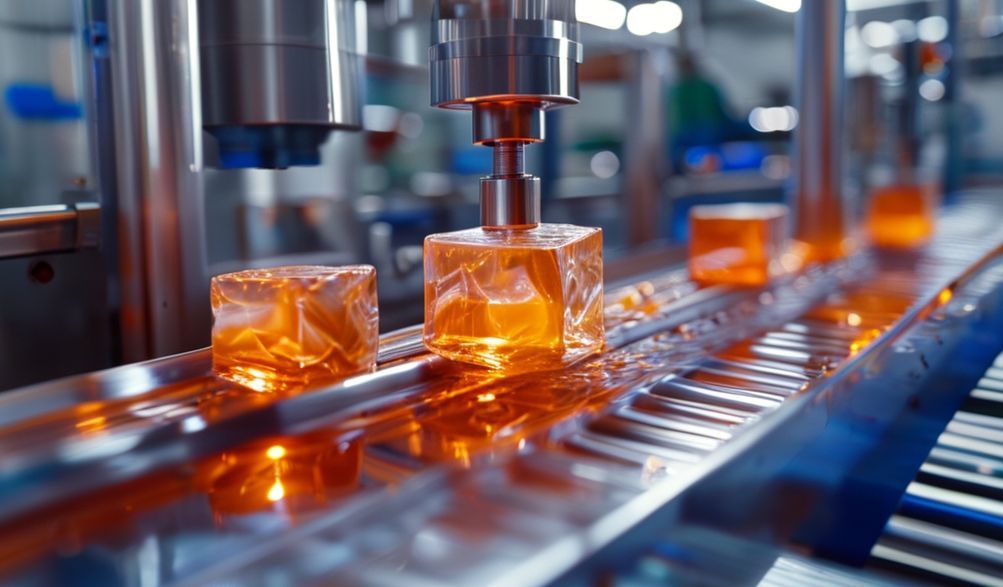
- Fingere:Hic est processus cor. Liquida mixtura in formas metalliculas refrigeratas (saepe aluminii vel chalybis) iniecta vel infusa est. Formae ad figuram negativam massae finalis (cubicae, sphaericae, etc.) designatae sunt.pressura hydraulicain quibusdam systematibus adhibetur ut exactam figuram et densitatem efficiat.
- Refrigeratio & Consolidatio:Formatae formae per gradum refrigerationis transeunt, saepe aqua circumlata vel aere adhibita, ut cera mixta in massam solidam celeriter solidetur.
- Ejectio & Dimissio:Postquam solidae factae sunt, formis emittuntur structurae. In rationibus provectis, id automatice fit, et structurae ad proximam stationem deferuntur.
- Involucrum:Ultimus gradus in sarcinas caudices concludit, qui a manuali involucro ad plene automatam pelliculae involucram vel systemata capsularum in lineam productionis integrata variare possunt.
SubtilitasFormae designatioAccuratio temperationis et fidelitas mechanismi eiciendi sunt discrimina inter machinas fundamentales et summas.
Genera Clavium Machinarum: Automatae contra Semiautomatae
Primaria classificatio in gradu humanae interventus requiritur.
-
Semiautomaticae Machinae:
- Operatio:Significas manuales gradus involvunt, ut fusam mixturam in formas infundere, refrigerationis cyclum incipere, et perfectos cuneos manu removere. Elementa automatizata habere possunt, sicut temperaturas moderatio.
- Output Capacitas:Inferior, plerumque ab CC usque ad DCCC caudices per horam varians, secundum exemplar et celeritatem operantis.
- Laboris Requisita:Altius. Maxima ex parte productionis cycli constantem operantis attentionem requirit.
- Idoneum Ad:Incepta, parva negotia, vel fabricatores cum productione humili-volumine, ad usum accommodata, vel multi-odoris, ubi flexibilitas praecipua est. Haec minorem pecuniae initialis impensam repraesentant.
-
Machinamenta Plena Automata:
- Operatio:Totus processus—a liquefactione et mixtione ad formandum, refrigerationem, ejectionem, et saepe involucrum—ordinatur et regitur a moderatore logico programmabili.Systema moderaminis PLCMunera operatoris ad supervisionem, materiae rudis onerationem, et qualitatis inspectiones mutantur.
- Output Capacitas:Alta et constans, saepe superans mille ad tria milia et amplius caudices per horam in lineis industrialibus.
- Laboris Requisita:Inferius. Unus operator saepe plures machinas aut integram seriem productionis administrare potest.
- Idoneum Ad: Medium to large-scale manufacturers focused on high-volume, standardized production. They offer superior consistency, lower per-unit labor cost, and better scalability.
Beyond the Machine: Essential Raw Materials for Quality Blocks
The machine is only as good as the materials you feed it. Understanding raw materials is non-negotiable for product quality.
- Paraffin Wax: The base material that provides structure and the controlled melt-rate. The wax grade (melting point) directly affects how long the block lasts in a urinal or toilet.
- Fragrance Oils: These mask odors and provide a pleasant scent. High-quality, concentrated oils designed for wax compatibility are essential for a strong, lasting fragrance throw.
- Bacteriostatic Agents: The active deodorizing component. Chemicals like paradichlorobenzene or other proprietary blends inhibit bacterial growth, which is the source of malodors.
- Dyes: Used for brand identification and consumer appeal. Color must be stable at high temperatures.
- Importance of Quality: Inferior raw materials lead to poor block integrity (cracking, crumbling), weak or faded fragrance, inconsistent melt rates, and ultimately, dissatisfied customers. A common mistake new manufacturers make is sourcing the cheapest materials, which erodes product performance and brand reputation.
Key Factors to Consider When Choosing Your Machine
This is where theoretical knowledge meets practical decision-making. Selecting the right machine requires a honest assessment of your business and a detailed examination of the equipment.
Assessing Your Production Needs: Capacity and Output
Begin with a clear business plan. Avoid buying an oversized machine that drains capital or an undersized one that caps your growth.
- Calculate Demand: Estimate your current and near-future (12-24 month) market demand in blocks per day/month.
- Understand Machine Metrics: Look at Cycli per horametCuneos per cyclum. A machine with 4 mold cavities producing 10 cycles per hour yields a 400-block-per-hour output (4 x 10 x 10).
- Match to Scale: A small local business might be perfectly served by a 300-blocks/hour semi-automatic machine. A supplier targeting national retail chains will likely need a 2,000-blocks/hour automatic line.
Critical Machine Specifications and Features to Examine
Go beyond the sales brochure. Scrutinize these technical and build-quality aspects:
- Systema Formae Number of cavities, material (hardened steel lasts longer), and ease of changing molds for different shapes. Are additional mold sets readily available?
- Heating System: Is it electric, thermal oil, or steam? Electric is common; look for insulated tanks and precise thermostats (±1°C) for efficiency and mix stability.
- Potestatis Consumptio: Calculate operational costs. Larger machines may require 380V three-phase power—verify your facility’s electrical infrastructure.
- Construction Material: Critical parts in contact with the melt (tank, pipes, molds) should be made of food-grade or high-quality stainless steel to prevent corrosion and contamination.
- Securitates: Emergency stop buttons, thermal overload protection, machine guarding, and clear safety labels are non-negotiable.
- Ease of Cleaning: Machines with smooth surfaces, accessible panels, and drain valves simplify daily cleaning, which is vital for hygiene and preventing cross-fragrance contamination.
The Importance of After-Sales Support and Warranty
The machine’s price tag is just the initial cost. The manufacturer’s support defines your long-term operating experience.
- Partes Subsidiae Praesto: Are common wear-and-tear parts (heaters, seals, hydraulic hoses) in stock and easily orderable? Long lead times on parts can halt production for weeks.
- Auxilium Technicum: Is support available via phone, email, or remote desktop? What are the response times? A supplier with poor support can turn a minor issue into major downtime.
- Instalatio et Institutio: Do they offer on-site installation and comprehensive operator training? This is invaluable for ensuring correct setup and safe operation from day one.
- Termini Cautionis: Read the warranty carefully. What is covered (parts, labor)? How long does it last? What are the obligations for the user (e.g., using approved materials)?
Operating and Maintaining Your Machine for Optimal Performance
Owning the machine is step one. Operating it correctly and maintaining it diligently is what ensures productivity, safety, and a long equipment lifespan.
Step-by-Step: Standard Operating Procedure (SOP) for Safety & Quality
A disciplined startup/shutdown routine prevents accidents and ensures consistent product quality.
- Pre-Start Check: Inspect the machine for any debris or leaks. Ensure all safety guards are in place. Verify that the raw material hopper/tank is filled.
- Power On & Preheat: Switch on the main power. Start the heating system and allow the melting tank to reach the prescribed operating temperature (typically between 80-95°C, depending on your wax blend).
- Load & Mix: Add your pre-measured raw materials. Allow sufficient time for complete melting and homogeneous mixing.
- Initiate Production Cycle: Start the molding cycle. For semi-automatic machines, begin careful pouring. For automatics, initiate the automated sequence.
- Monitor Continuously: Regularly check block weight, appearance, and ejection. Monitor temperature gauges.
- Shutdown Procedure: Once the last cycle is complete, run the system to clear remaining material from lines (follow manufacturer’s “purging” guidelines). Turn off heaters first, allowing pumps to cool the system. Then, power down the main control. Clean all accessible parts.
Salus Prima: Always wear heat-resistant gloves and safety glasses. Never bypass safety interlocks. Implement a strict lock-out/tag-out procedure during any maintenance.
Routine Maintenance Checklist to Prevent Downtime
Proactive maintenance is far cheaper than reactive repairs.
- Daily:
- Clean the melting tank exterior and work area.
- Wipe down molds after the machine has cooled to prevent wax buildup.
- Check for any fluid leaks (hydraulic oil, water coolant).
- Weekly:
- Inspect and clean the mold cavities thoroughly.
- Check hydraulic oil level and look for cloudiness (indicating water contamination).
- Inspect electrical connections for tightness.
- Lubricate all moving parts as per the manual (guide rails, ejection mechanisms).
- Monthly/Quarterly:
- Replace hydraulic oil and coolant filters.
- Calibrate temperature sensors and weighing systems.
- Tighten all bolts and fittings.
- Perform a full inspection of heating elements and wiring.
Troubleshooting Common Issues
Here is where experience pays off. Recognizing symptoms early saves time and material.
- Blocks Sticking to Mold: This is often caused by molds that are too warm or have surface pitting/scratches. Increase cooling time/coolant flow or polish/clean the mold surfaces.
- Inconsistent Block Weight: Usually a result of an inaccurate metering system, variable material temperature (affecting viscosity), or a worn pump seal. Check and calibrate the metering device and ensure consistent melt temperature.
- Heating Element Failure: If the melt temperature won’t rise, a heating element may have burned out. Test with a multimeter and replace. Always disconnect power first.
- Poor Ejection/Deformed Blocks: This can point to misaligned molds, insufficient cooling time (block is still soft), or low hydraulic pressure. Check alignment, increase solidification time, and verify hydraulic pressure settings.
Maximizing ROI: From Machine to Market
Your machine is a tool for building a business. Strategic thinking around sourcing, branding, and market positioning turns production into profit.
Sourcing Quality Raw Materials Cost-Effectively
- Build Supplier Relationships: Develop partnerships with reputable chemical and wax suppliers. They can provide technical data sheets and consistency.
- Bulk Purchasing: Once your formulations are set, consider bulk purchases to secure better pricing, but always ensure you have proper storage conditions.
- Quality Testing: Never skip incoming quality checks. Test the melt point of wax batches and the fragrance strength of oils against a known standard.
Packaging and Branding Your Deo Blocks for Competitive Advantage
- Packaging Options: Choices range from simple PVC/PVdC shrink film to printed cardboard boxes or display tubs. Film is cost-effective; boxes allow for more branding and instructions.
- The Power of Branding: A professional logo, clear scent description, and usage instructions build trust. Consider branding for different channels (premium for hotels, functional for industrial janitorial supplies).
Understanding Market Trends and Potential Business Models
- Market Trends: There is growing interest in eco-friendly formulations (biodegradable waxes, essential oil-based fragrances) and longer-lasting blocks. Stay informed.
- Ratio Negotiorum: Beyond selling individual blocks, consider creating a subscription service for commercial clients (regular restocking) or developing private-label products for larger distributors.
Frequently Asked Questions (FAQ) About Deo Blocks Machines
Q1: What is the average production capacity of a standard deo blocks making machine?
A: Capacities vary widely. Semi-automatic machines may produce 200-500 blocks per hour, while fully automatic lines can exceed 2000 blocks per hour. Your choice should depend on your target market volume.
Q2: Can one machine produce different shapes and sizes of deo blocks?
A: Yes, but it requires changing the mold. When purchasing a machine, inquire about the availability and cost of additional mold sets for different shapes (e.g., cubes, spheres, hearts) to future-proof your investment.
Q3: What is the typical power requirement for these machines?
A: It depends on the size and heating system. Smaller models may run on standard 220V single-phase power, while larger industrial machines often require 380V three-phase power. Always verify your facility’s electrical capacity.
Q4: How do I ensure the consistency and fragrance quality of each block?
A: Consistency comes from precise machine operation (maintaining correct temperatures and fill volumes) and using high-quality, pre-mixed raw materials with stable fragrance oils. Implementing a strict quality control check is essential.
Q5: What safety precautions are most important when operating the machine?
A: Key precautions include wearing heat-resistant gloves and safety glasses, ensuring proper machine grounding, never touching hot surfaces (melting tank, molds), and following the manufacturer’s lock-out/tag-out procedures during maintenance.
Conclusion
Investing in a Deus machinam faciens caementorum is a commitment to building a manufacturing operation with solid foundations. As we’ve explored, success is not guaranteed by the purchase alone but is engineered through informed selection, diligent operation, and astute business strategy. By meticulously choosing equipment that aligns with your production targets and is backed by robust support, and by adhering to the expert best practices outlined for daily operation and maintenance, you transform a capital expenditure into a powerful engine for growth. Let this guide serve as your comprehensive roadmap. Approach potential suppliers with detailed questions, prioritize long-term reliability over short-term savings, and take the first step toward a profitable and sustainable venture in the deodorant block industry with confidence.
<