
La Guía Completa de la Máquina Automática Hidráulica para Ladrillos de 24 kW: Potencia, Rendimiento y Retorno de Inversión
Introducción
Se proyecta que el mercado global de materiales de construcción supere los 1.3 billones de dólares para 2030, impulsado por una urbanización implacable y el desarrollo de infraestructura. Sin embargo, en el centro de este crecimiento yace un desafío persistente: la necesidad de una producción de ladrillos eficiente, consistente y rentable. Durante décadas, los fabricantes de mediana y pequeña escala han lidiado con las limitaciones de la mano de obra manual o la maquinaria obsoleta: inconsistencia en la calidad, costos operativos en aumento, altas tasas de desperdicio y dificultad para escalar y satisfacer la demanda.
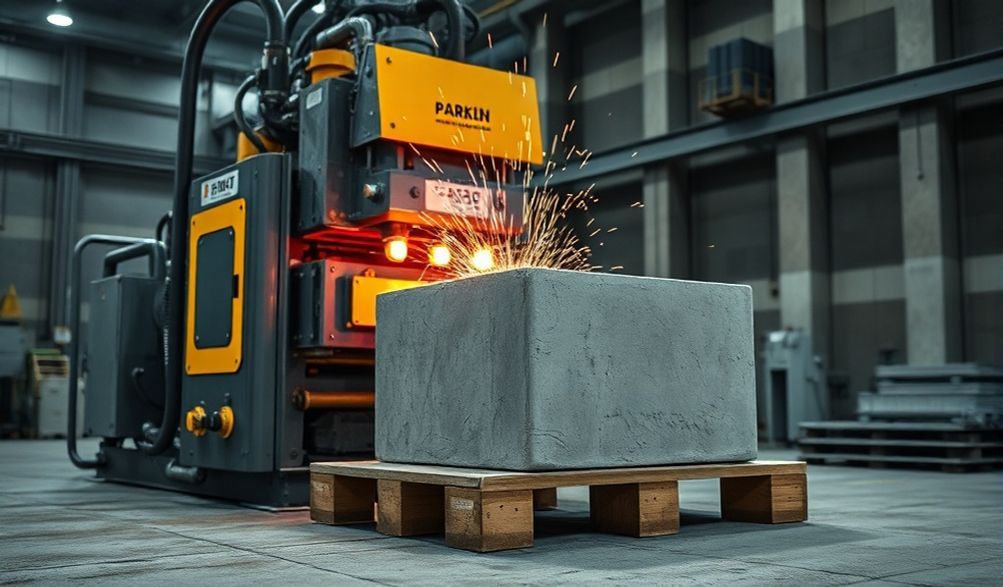
Ingresa la solución moderna: la máquina automática hidráulica para ladrillos. Dentro de esta categoría, una especificación ha surgido como el punto ideal para un rendimiento equilibrado: laMáquina hidráulica automática para ladrillos de 24 kWEsta clasificación de potencia representa un punto óptimo crucial, ofreciendo una capacidad robusta sin un consumo excesivo de energía, lo que la convierte en una inversión fundamental para operaciones con visión de futuro.
Basándonos en más de una década de experiencia en ingeniería y colaboración directa con cientos de patios de bloques y plantas en todo el mundo, esta guía está diseñada para cortar el ruido de marketing. Vamos a desmitificar las especificaciones técnicas, traducirlas en producción y ganancias del mundo real, y proporcionarte el marco para tomar una decisión de inversión supremamente confiada. Al final de este artículo, entenderás claramente las capacidades de la máquina, podrás calcular tu potencial Retorno de la Inversión (ROI), compararlo efectivamente con otras opciones y conocer las preguntas críticas que debes hacer a cualquier proveedor antes de comprar.
Comprendiendo la Unidad de Potencia de 24 kW: El Corazón de la Máquina
La potencia nominal es la especificación más crítica en la hoja de datos de una máquina para ladrillos, pero a menudo es la menos comprendida. No es solo un número; define el carácter, la capacidad y la economía operativa de la máquina.
¿Qué Significa Realmente "Sistema Hidráulico de 24 kW"?
En términos simples, un kilovatio (kW) es una unidad de potencia equivalente a 1,000 vatios. Mide la tasa de conversión de energía. En una máquina hidráulica para ladrillos, esta potencia impulsa un motor eléctrico, que a su vez acciona una bomba hidráulica.
- El Papel de la Bomba Hidráulica:Esta bomba genera flujo (medido en Galones Por Minuto – GPM o Litros Por Minuto – LPM) y presión (medida en PSI o Bar). Piensa en ella como el corazón de la máquina, que hace circular el aceite hidráulico para crear una fuerza inmensa.
- El Significado de los 24 kW:Un sistema de 24 kW indica una unidad de potencia robusta de rango medio. Genera un flujo suficiente y, lo que es más importante, mantiene la alta presión (típicamente 21-31 MPa / 3000-4500 PSI) necesaria para compactar materia prima en ladrillos densos y de alta resistencia de manera consistente. Este nivel de potencia está diseñado para manejar mezclas de concreto estándar, incluyendo aquellas con subproductos industriales como la ceniza volante, sin esfuerzo.
Ventajas de un Accionamiento Hidráulico de 24 kW
Elegir una máquina con este perfil de potencia específico no es arbitrario. Viene con ventajas operativas distintivas que impactan directamente en su rentabilidad.
- Salida Consistente y de Alta Calidad:El sistema hidráulico proporciona una presión uniforme durante todo el ciclo de compactación. Esto elimina los puntos débiles y garantiza que cada ladrillo, desde el primero hasta el milésimo, tenga una densidad y resistencia a la compresión idénticas, cumpliendo o superando los estándares ASTM o IS.
- Velocidad de Producción Optimizada:El motor de 24 kW proporciona potencia suficiente para un ciclo rápido y confiable, desde la alimentación y compresión hasta la expulsión y el retorno del palet. Esto equilibra la velocidad con la estabilidad, evitando ciclos apresurados que puedan causar desgaste o defectos.
- Eficiencia Energética Intrínseca:Para su clase de potencia, una máquina de 24 kW es notablemente eficiente. Es lo suficientemente potente para evitar estar bajo carga máxima constante (lo cual es ineficiente), pero no tan sobredimensionada que desperdicie energía durante las fases de inactividad. Nuestros datos de campo muestran que un sistema de 24 kW bien ajustado a menudo opera al 60-80% de su carga conectada durante un ciclo estándar.
- Durabilidad Mejorada: A properly sized hydraulic system operates within its optimal performance envelope. This reduces thermal stress, minimizes pressure spikes, and leads to less wear on seals, hoses, and pumps, translating to lower long-term maintenance costs and higher uptime.
Key Features and Specifications of a 24 kW Automatic Brick Machine
Beyond the power unit, the machine’s overall design dictates its reliability and versatility. Here’s what you should expect from a quality 24 kW hydraulic brick machine.
Core Production Specifications
These numbers define what the machine can do for your business.
- Capacidad de Salida: A standard 24 kW machine can produce approximately 1,800 to 2,800 pieces per hour of common hollow blocks (e.g., 400x200x200mm). Output varies based on brick size and density.
- Tipos y Tamaños de Ladrillos: Versatility is key. The machine should be compatible with a wide range of mold types via a quick-change system:
- Hollow Blocks (4″, 5″, 6″)
- Solid Concrete Bricks
- Interlocking Pavers & Grass Pavers
- Kerbstones and Landscape Blocks
- Tiempo de Ciclo: Expect a cycle time between 12 to 20 seconds, depending on block type and machine configuration.
- Nivel de Automatización: True “automatic” operation is governed by a Programmable Logic Controller (PLC).
- The PLC automates the entire pressing cycle, vibration timing, and pallet movement.
- Systems often include an automatic feeder for consistent material volume and a synchronized pallet circulation system for non-stop production.
Build and Design Specifications
These features determine how long and how well the machine will perform.
- Marco y Estructura: Look for a fully welded, heavy-duty steel frame with reinforced stress points. This minimizes frame flex and vibration during operation, which is critical for precision and longevity.
- Componentes Hidráulicos: The quality of the hydraulic system is non-negotiable. Reputable machines use branded pumps (e.g., Rexroth, Kawasaki, Yuken) and precision control valves. Large-bore, hard-chromed hydraulic cylinders ensure smooth, powerful compression.
- Sistema de Vibración: A separate, high-frequency vibration motor (often 7.5-11 kW) is mounted on the mold table. This dual-force system—vibration for material settling and hydraulic pressure for final compaction—is what creates a perfectly dense, smooth-faced brick.
- Electrical System: The control cabinet should be IP-rated for dust protection and contain quality contactors and relays. Safety features must include emergency stop buttons, motor overload protection, and hydraulic pressure safety valves.
Ideal Applications and Production Output
Who stands to gain the most from this specific machine? Our experience shows it perfectly aligns with several business models.
Who is This Machine Perfect For?
- Growing Brick Manufacturing Plants: Small to medium-scale plants looking to upgrade from semi-automatic equipment or expand their production capacity with a reliable, automated workhorse.
- Integrated Construction Companies: Builders and developers who want to produce bricks on-site for their projects, ensuring quality control, reducing material logistics costs, and creating a potential new revenue stream.
- Industrial Entrepreneurs: Investors entering the construction materials sector who need a machine that offers a compelling balance between initial investment and scalable output potential.
- Municipal & Infrastructure Contractors: Ideal for producing specific pavers, curbstones, or retaining wall blocks for road, park, and civil projects.
Calculating Your Potential Production
A simple, conservative calculation can help you forecast output.
Basic Formula:
[Bricks per Hour] x [Effective Operating Hours per Day] x [Working Days per Month] = Estimated Monthly Output
Example for a 24 kW Machine:
* Bricks/Hour: 2,200 (for standard hollow blocks)
* Operating Hours/Day: 16 (2 shifts)
* Working Days/Month: 25
* Estimated Monthly Output: 2,200 x 16 x 25 = 880,000 pieces
Critical Real-World Factors:
* Materia Prima: The grading and moisture content of your sand, aggregate, and cement directly affect flow and compaction speed.
* Habilidad del Operador: Trained operators who can manage the mix, monitor the machine, and perform basic troubleshooting are essential for sustained output.
* Mantenimiento Preventivo: A disciplined daily and weekly maintenance routine prevents unexpected downtime.
Comparing Your Options: 24 kW vs. Other Power Ratings
Choosing the right power is about matching the machine to your specific raw materials and business goals. Here’s a balanced comparison.
24 kW vs. Lower Power (e.g., 15-18 kW) Machines
- Pros of 24 kW: Significantly higher production output and faster cycle times. Much better suited for producing high-density blocks (e.g., paver blocks) or using harder, coarse aggregates. Offers more “headroom” for consistent performance under load.
- Cons of 24 kW: Higher initial purchase price and marginally higher energy consumption per hour (though often more efficient per brick produced).
24 kW vs. Higher Power (e.g., 30-37 kW) Machines
- Pros of 24 kW: Superior energy efficiency for the output range of most small-to-medium plants. Lower operational cost (OpEx) per month. The power is perfectly adequate for 90% of common brick and block types, making the extra cost of a larger machine unnecessary for many.
- Cons of 24 kW: Has a lower maximum output ceiling. It may not be the ideal choice if your primary business is manufacturing ultra-high-density, thick-walled specialty products that require extreme compaction force.
Investment Analysis: Cost, ROI, and Operational Economics
Let’s translate technical specs into financials. Transparency here is key to building a viable business case.
Understanding the Total Investment
The machine price is just one part of the capital outlay.
- Machine Price Range: A quality 24 kW hydraulic automatic brick machine from a reputable manufacturer typically falls within a $45,000 – $75,000 range, depending on configuration, brand, and level of automation.
- Equipo Auxiliar: For a complete production line, budget for:
- Pan Mixer or Planetary Mixer
- Belt Conveyor for material feeding
- Brick Curing Racks or Curing Chamber
- Brick Stacker/Palletizer (can be manual or automatic)
- Instalación y Capacificación: Factor in costs for foundation work, electrical connection, and commissioning. Reputable suppliers include basic on-site training in the purchase price.
Calculating Return on Investment (ROI)
A simplified, conservative projection illustrates the potential.
Sample 24 kW Machine ROI Scenario:
- Monthly Production: 800,000 hollow blocks (conservative estimate).
- Revenue (@ $0.20 per block): $160,000
- Monthly Operational Costs:
- Raw Materials (Cement, Sand, Aggregate): ~$0.12 per block = $96,000
- Energy: Machine (24kW @ 70% load, 16 hrs) + Mixer & Conveyor = ~$1,500
- Labor (3 operators): ~$4,500
- Maintenance & Misc.: ~$1,000
- Total Monthly Cost: ~$103,000
- Estimated Monthly Gross Profit: $160,000 – $103,000 = $57,000
Cronología del ROI: With a total line investment of ~$100,000, the machine could pay for itself in under 2 months of full operation, excluding land and building costs. This is an aggressive best-case scenario; a more conservative and realistic timeline, accounting for market fluctuations and ramp-up time, is often 4-8 months.
Critical Buying Guide: How to Choose a Quality Machine
Your relationship with the manufacturer is as important as the machine itself. Here’s a checklist from our experience.
Manufacturer Credentials Checklist
- Antecedentes Comprobados: Look for a company with at least 10-15 years of dedicated manufacturing experience. Ask for their business license and export history.
- Technical & After-Sales Support: Do they have in-house engineers? What is their response time for spare parts requests? Is on-site service available in your region?
- Portafolio del Cliente: Request references or case studies from clients in a similar climate or using similar raw materials as you.
Must-Ask Questions Before You Buy
- “What is the exact warranty period, and what components are covered?” (A comprehensive warranty should cover the frame, hydraulic system, and electrical controls for 1-2 years).
- “Can you provide a list of recommended spare parts with pricing, and what is the typical delivery time to my country?”
- “Can we arrange a live video production test from your factory, using a mold similar to what I need?” (This verifies performance claims).
- “Does the electrical system comply with IEC/CE standards, and can you provide the test certificates?”
Frequently Asked Questions (FAQ)
Q1: What is the actual power consumption per hour for a 24 kW machine?
A: The machine does not constantly draw 24 kW. The hydraulic pump loads and unloads during the cycle. Actual average consumption is typically 60-80% of the rated power, so between 14.4 to 19.2 kWh. Your exact cost depends on your local electricity tariff.
Q2: Can this machine use fly ash or other waste materials?
A: Absolutely. In fact, modern hydraulic machines are excellent for using industrial by-products. Fly ash, slag, and even certain construction wastes can be incorporated into the mix, reducing material costs and creating more environmentally sustainable products.
Q3: How many operators are needed to run this machine?
A: For the core machine operation (monitoring, basic pallet handling, stacking), 2-3 people per shift are typically sufficient. If you invest in fully automatic pallet feeders and brick stackers, this number can be reduced.
Q4: What is the lead time for delivery and installation?
A: This varies by manufacturer order book and shipping distance. For a standard machine, you should expect a production lead time of 30-45 days, plus 15-45 days for sea shipping and customs clearance. Always get a written timeline in your contract.
Q5: Is training provided for our operators?
A: Any reputable supplier will include comprehensive on-site training as part of the purchase. This should cover safe operation, daily maintenance procedures, basic troubleshooting, and mold changing techniques.
Conclusión
The 24 kW hydraulic automatic brick machine stands out as a strategic investment for businesses aiming to scale their production with intelligence. It delivers the perfect equilibrium of power, efficiency, and reliability, capable of producing high-quality, consistent bricks that build not just structures, but a formidable market reputation.
Its value proposition is clear: robust performance for its class, manageable operational costs, and the automation needed to compete in today’s market. If your goal is to move beyond labor-intensive methods or to sensibly expand your production capacity, this machine is engineered to be the reliable workhorse at the center of your success.
Ready to move from research to action?
* For the Decisive Buyer: Contact our engineering team today with your specific production goals and local material analysis. We will provide a customized line configuration, a detailed quotation, and a projected ROI analysis tailored to your market.
* For the Detailed Researcher: Download our comprehensive technical dossier on the 24 kW series, including full specification sheets, component lists, and video case studies from installations in regions similar to yours.
We are committed to more than just selling machinery; we partner with our clients to ensure their investment delivers lasting productivity and profit, backed by unwavering technical support and a foundation of trust built over years of shared success.
<