
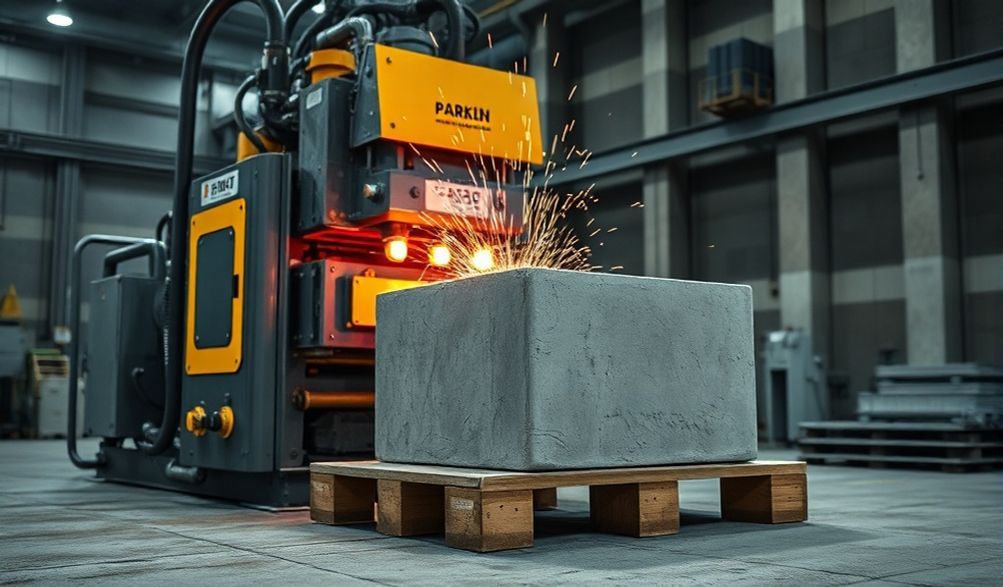
24kW 수압식 자동 벽돌 제조기 완전 가이드: 성능, 효율 및 투자 수익률 분석
소개
글로벌 건설 자재 시장은 지속적인 도시화와 인프라 개발로 인해 2030년까지 1조 3천억 달러를 넘어설 것으로 전망됩니다. 그러나 이러한 성장의 중심에는 효율적이고 일관적이며 비용 효율적인 벽돌 생산의 필요성이라는 지속적인 과제가 자리 잡고 있습니다. 수십 년 동안 중소 규모 제조업체들은 노동력이나 낙후된 기계의 한계—품질 불일치, 급증하는 운영 비용, 높은 폐기율, 수요를 충족하기 위한 확장의 어려움—와 씨워왔습니다.
현대적 해결책: 수압식 자동 벽돌 성형기. 이 범주에서 균형 잡힌 성능을 위한 '골디락스 존'으로 부상한 한 가지 사양이 있습니다.24kW 수력 자동 벽돌 제작기이 파워 등급은 과도한 에너지 소비 없이도 강력한 성능을 제공하는 중요한 스위트 스팟을 나타내며, 선도적인 운영을 위한 초석 투자입니다.
10년 이상의 엔지니어링 경험과 전 세계 수백 개의 블록 야드 및 공장과의 직접적인 협력을 바탕으로, 이 가이드는 마케팅의 잡음을 뚫고 나가도록 설계되었습니다. 우리는 기술 사양을 쉽게 이해할 수 있도록 설명하고, 이를 실제 생산과 수익으로 해석하며, 귀하가 확신에 찬 투자 결정을 내릴 수 있는 틀을 제공할 것입니다. 이 글을 마칠 때쯤이면, 기계의 성능을 명확히 이해하고, 잠재적 투자 수익률(ROI)을 계산할 수 있으며, 다른 옵션과 효과적으로 비교하고, 구매 전 공급업체에 반드시 물어봐야 할 핵심 질문들을 알게 될 것입니다.
24kW 파워 유닛 이해하기: 기계의 심장
전력 등급은 벽돌 제조기 데이터시트에서 가장 중요한 사양이지만, 종종 가장 잘 이해되지 않는 부분입니다. 이는 단순한 숫자가 아닙니다. 기계의 성격, 생산 능력, 그리고 운영 경제성을 정의합니다.
"24kW 유압 시스템"이 정확히 무엇을 의미하나요?
간단히 말해, 킬로와트(kW)는 1,000와트에 해당하는 전력 단위입니다. 이는 에너지 변환 속도를 측정합니다. 유압 벽돌 제조기에서 이 전력은 전기 모터를 구동하며, 이 모터는 다시 유압 펌프에 동력을 공급합니다.
- 유압 펌프의 역할:이 펌프는 유량(GPM 또는 LPM으로 측정)과 압력(PSI 또는 Bar로 측정)을 생성합니다. 이는 기계의 심장과 같아서, 유압 오일을 순환시켜 막대한 힘을 만들어냅니다.
- 24kW의 중요성:24kW 시스템은 견고한 중간급 동력 장치를 나타냅니다. 이는 충분한 유량을 생성하며, 무엇보다도 원자재를 일관되게 고밀도 고강도 벽돌로 압축하는 데 필요한 고압(일반적으로 21-31 MPa / 3000-4500 PSI)을 유지합니다. 이 동력 수준은 플라이 애시와 같은 산업 부산물을 포함한 표준 콘크리트 배합을 부담 없이 처리하도록 설계되었습니다.
24kW 유압 구동의 장점
이 특정 전력 프로필을 가진 기계를 선택하는 것은 임의적인 결정이 아닙니다. 이는 운영상의 뚜렷한 이점을 제공하며, 이는 당신의 최종 이익에 직접적인 영향을 미칩니다.
- 일관적이고 고품질의 결과물압축 사이클 전반에 걸쳐 유압 시스템이 균일한 압력을 제공합니다. 이로 인해 약점이 제거되고 첫 번째 벽돌부터 천 번째 벽돌까지 모든 벽돌이 동일한 밀도와 압축 강도를 갖추어 ASTM 또는 IS 기준을 충족하거나 초과합니다.
- 생산 속도 최적화24kW 모터는 급속하고 신뢰할 수 있는 사이클 시간을 위해 충분한 동력을 제공합니다—급입, 압축부터 이젝션, 팔레트 복귀까지. 이는 속도와 안정성을 균형 있게 맞추어, 마모나 결함을 초래할 수 있는 급격한 사이클을 방지합니다.
- 고유 에너지 효율출력 등급에 비해 24kW 기계는 놀라울 정도로 효율적입니다. 지속적인 최대 부하 상태(비효율적인 상태)를 피할 만큼 충분히 강력하면서도, 유휴 단계에서 에너지를 낭비할 정도로 과대 규모가 아닙니다. 현장 데이터에 따르면 잘 조정된 24kW 시스템은 표준 사이클 동안 연결 부하의 60-80%에서 작동하는 경우가 많습니다.
- 향상된 내구성: A properly sized hydraulic system operates within its optimal performance envelope. This reduces thermal stress, minimizes pressure spikes, and leads to less wear on seals, hoses, and pumps, translating to lower long-term maintenance costs and higher uptime.
Key Features and Specifications of a 24 kW Automatic Brick Machine
Beyond the power unit, the machine’s overall design dictates its reliability and versatility. Here’s what you should expect from a quality 24 kW hydraulic brick machine.
Core Production Specifications
These numbers define what the machine can do for your business.
- 출력 용량: A standard 24 kW machine can produce approximately 1,800 to 2,800 pieces per hour of common hollow blocks (e.g., 400x200x200mm). Output varies based on brick size and density.
- 벽돌 종류 및 크기: Versatility is key. The machine should be compatible with a wide range of mold types via a quick-change system:
- 중공 블록 (4인치, 5인치, 6인치)
- Solid Concrete Bricks
- Interlocking Pavers & Grass Pavers
- Kerbstones and Landscape Blocks
- 사이클 타임: Expect a cycle time between 12 to 20 seconds, depending on block type and machine configuration.
- 자동화 수준: True “automatic” operation is governed by a Programmable Logic Controller (PLC).
- The PLC automates the entire pressing cycle, vibration timing, and pallet movement.
- Systems often include an automatic feeder for consistent material volume and a synchronized pallet circulation system for non-stop production.
Build and Design Specifications
These features determine how long and how well the machine will perform.
- 프레임과 구조 Look for a fully welded, heavy-duty steel frame with reinforced stress points. This minimizes frame flex and vibration during operation, which is critical for precision and longevity.
- 유압 구성 요소 The quality of the hydraulic system is non-negotiable. Reputable machines use branded pumps (e.g., Rexroth, Kawasaki, Yuken) and precision control valves. Large-bore, hard-chromed hydraulic cylinders ensure smooth, powerful compression.
- 진동 시스템 A separate, high-frequency vibration motor (often 7.5-11 kW) is mounted on the mold table. This dual-force system—vibration for material settling and hydraulic pressure for final compaction—is what creates a perfectly dense, smooth-faced brick.
- Electrical System: The control cabinet should be IP-rated for dust protection and contain quality contactors and relays. Safety features must include emergency stop buttons, motor overload protection, and hydraulic pressure safety valves.
Ideal Applications and Production Output
Who stands to gain the most from this specific machine? Our experience shows it perfectly aligns with several business models.
Who is This Machine Perfect For?
- Growing Brick Manufacturing Plants: Small to medium-scale plants looking to upgrade from semi-automatic equipment or expand their production capacity with a reliable, automated workhorse.
- Integrated Construction Companies: Builders and developers who want to produce bricks on-site for their projects, ensuring quality control, reducing material logistics costs, and creating a potential new revenue stream.
- Industrial Entrepreneurs: Investors entering the construction materials sector who need a machine that offers a compelling balance between initial investment and scalable output potential.
- Municipal & Infrastructure Contractors: Ideal for producing specific pavers, curbstones, or retaining wall blocks for road, park, and civil projects.
Calculating Your Potential Production
A simple, conservative calculation can help you forecast output.
Basic Formula:
[Bricks per Hour] x [Effective Operating Hours per Day] x [Working Days per Month] = Estimated Monthly Output
Example for a 24 kW Machine:
* Bricks/Hour: 2,200 (for standard hollow blocks)
* Operating Hours/Day: 16 (2 shifts)
* Working Days/Month: 25
* Estimated Monthly Output: 2,200 x 16 x 25 = 880,000 pieces
Critical Real-World Factors:
* 원자재 The grading and moisture content of your sand, aggregate, and cement directly affect flow and compaction speed.
* 오퍼레이터 스킬 Trained operators who can manage the mix, monitor the machine, and perform basic troubleshooting are essential for sustained output.
* 예방 정비 A disciplined daily and weekly maintenance routine prevents unexpected downtime.
Comparing Your Options: 24 kW vs. Other Power Ratings
Choosing the right power is about matching the machine to your specific raw materials and business goals. Here’s a balanced comparison.
24 kW vs. Lower Power (e.g., 15-18 kW) Machines
- Pros of 24 kW: Significantly higher production output and faster cycle times. Much better suited for producing high-density blocks (e.g., paver blocks) or using harder, coarse aggregates. Offers more “headroom” for consistent performance under load.
- Cons of 24 kW: Higher initial purchase price and marginally higher energy consumption per hour (though often more efficient per brick produced).
24 kW vs. Higher Power (e.g., 30-37 kW) Machines
- Pros of 24 kW: Superior energy efficiency for the output range of most small-to-medium plants. Lower operational cost (OpEx) per month. The power is perfectly adequate for 90% of common brick and block types, making the extra cost of a larger machine unnecessary for many.
- Cons of 24 kW: Has a lower maximum output ceiling. It may not be the ideal choice if your primary business is manufacturing ultra-high-density, thick-walled specialty products that require extreme compaction force.
Investment Analysis: Cost, ROI, and Operational Economics
Let’s translate technical specs into financials. Transparency here is key to building a viable business case.
Understanding the Total Investment
The machine price is just one part of the capital outlay.
- Machine Price Range: A quality 24 kW hydraulic automatic brick machine from a reputable manufacturer typically falls within a $45,000 – $75,000 range, depending on configuration, brand, and level of automation.
- 보조 장비: For a complete production line, budget for:
- Pan Mixer or Planetary Mixer
- Belt Conveyor for material feeding
- Brick Curing Racks or Curing Chamber
- Brick Stacker/Palletizer (can be manual or automatic)
- 설치 및 교육: Factor in costs for foundation work, electrical connection, and commissioning. Reputable suppliers include basic on-site training in the purchase price.
Calculating Return on Investment (ROI)
A simplified, conservative projection illustrates the potential.
Sample 24 kW Machine ROI Scenario:
- Monthly Production: 800,000 hollow blocks (conservative estimate).
- Revenue (@ $0.20 per block): $160,000
- Monthly Operational Costs:
- Raw Materials (Cement, Sand, Aggregate): ~$0.12 per block = $96,000
- Energy: Machine (24kW @ 70% load, 16 hrs) + Mixer & Conveyor = ~$1,500
- Labor (3 operators): ~$4,500
- Maintenance & Misc.: ~$1,000
- Total Monthly Cost: ~$103,000
- Estimated Monthly Gross Profit: $160,000 – $103,000 = $57,000
ROI Timeline: With a total line investment of ~$100,000, the machine could pay for itself in under 2 months of full operation, excluding land and building costs. This is an aggressive best-case scenario; a more conservative and realistic timeline, accounting for market fluctuations and ramp-up time, is often 4-8 months.
Critical Buying Guide: How to Choose a Quality Machine
Your relationship with the manufacturer is as important as the machine itself. Here’s a checklist from our experience.
Manufacturer Credentials Checklist
- 검증된 실적: Look for a company with at least 10-15 years of dedicated manufacturing experience. Ask for their business license and export history.
- Technical & After-Sales Support: Do they have in-house engineers? What is their response time for spare parts requests? Is on-site service available in your region?
- 클라이언트 포트폴리오: Request references or case studies from clients in a similar climate or using similar raw materials as you.
Must-Ask Questions Before You Buy
- “What is the exact warranty period, and what components are covered?” (A comprehensive warranty should cover the frame, hydraulic system, and electrical controls for 1-2 years).
- “Can you provide a list of recommended spare parts with pricing, and what is the typical delivery time to my country?”
- “Can we arrange a live video production test from your factory, using a mold similar to what I need?” (This verifies performance claims).
- “Does the electrical system comply with IEC/CE standards, and can you provide the test certificates?”
자주 묻는 질문 (FAQ)
Q1: What is the actual power consumption per hour for a 24 kW machine?
A: The machine does not constantly draw 24 kW. The hydraulic pump loads and unloads during the cycle. Actual average consumption is typically 60-80% of the rated power, so between 14.4 to 19.2 kWh. Your exact cost depends on your local electricity tariff.
Q2: Can this machine use fly ash or other waste materials?
A: Absolutely. In fact, modern hydraulic machines are excellent for using industrial by-products. Fly ash, slag, and even certain construction wastes can be incorporated into the mix, reducing material costs and creating more environmentally sustainable products.
Q3: How many operators are needed to run this machine?
A: For the core machine operation (monitoring, basic pallet handling, stacking), 2-3 people per shift are typically sufficient. If you invest in fully automatic pallet feeders and brick stackers, this number can be reduced.
Q4: What is the lead time for delivery and installation?
A: This varies by manufacturer order book and shipping distance. For a standard machine, you should expect a production lead time of 30-45 days, plus 15-45 days for sea shipping and customs clearance. Always get a written timeline in your contract.
Q5: Is training provided for our operators?
A: Any reputable supplier will include comprehensive on-site training as part of the purchase. This should cover safe operation, daily maintenance procedures, basic troubleshooting, and mold changing techniques.
결론
The 24 kW hydraulic automatic brick machine stands out as a strategic investment for businesses aiming to scale their production with intelligence. It delivers the perfect equilibrium of power, efficiency, and reliability, capable of producing high-quality, consistent bricks that build not just structures, but a formidable market reputation.
Its value proposition is clear: robust performance for its class, manageable operational costs, and the automation needed to compete in today’s market. If your goal is to move beyond labor-intensive methods or to sensibly expand your production capacity, this machine is engineered to be the reliable workhorse at the center of your success.
Ready to move from research to action?
* For the Decisive Buyer: Contact our engineering team today with your specific production goals and local material analysis. We will provide a customized line configuration, a detailed quotation, and a projected ROI analysis tailored to your market.
* For the Detailed Researcher: Download our comprehensive technical dossier on the 24 kW series, including full specification sheets, component lists, and video case studies from installations in regions similar to yours.
We are committed to more than just selling machinery; we partner with our clients to ensure their investment delivers lasting productivity and profit, backed by unwavering technical support and a foundation of trust built over years of shared success.
<