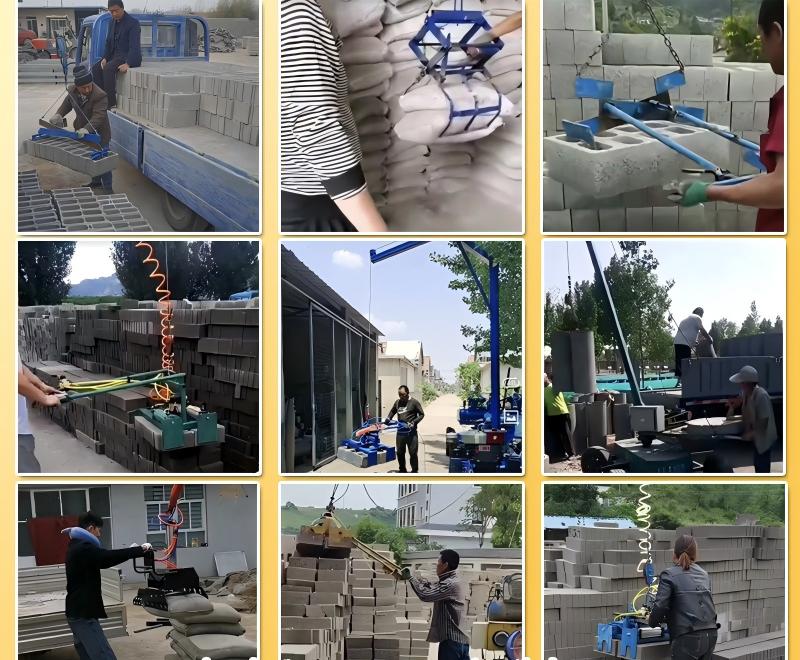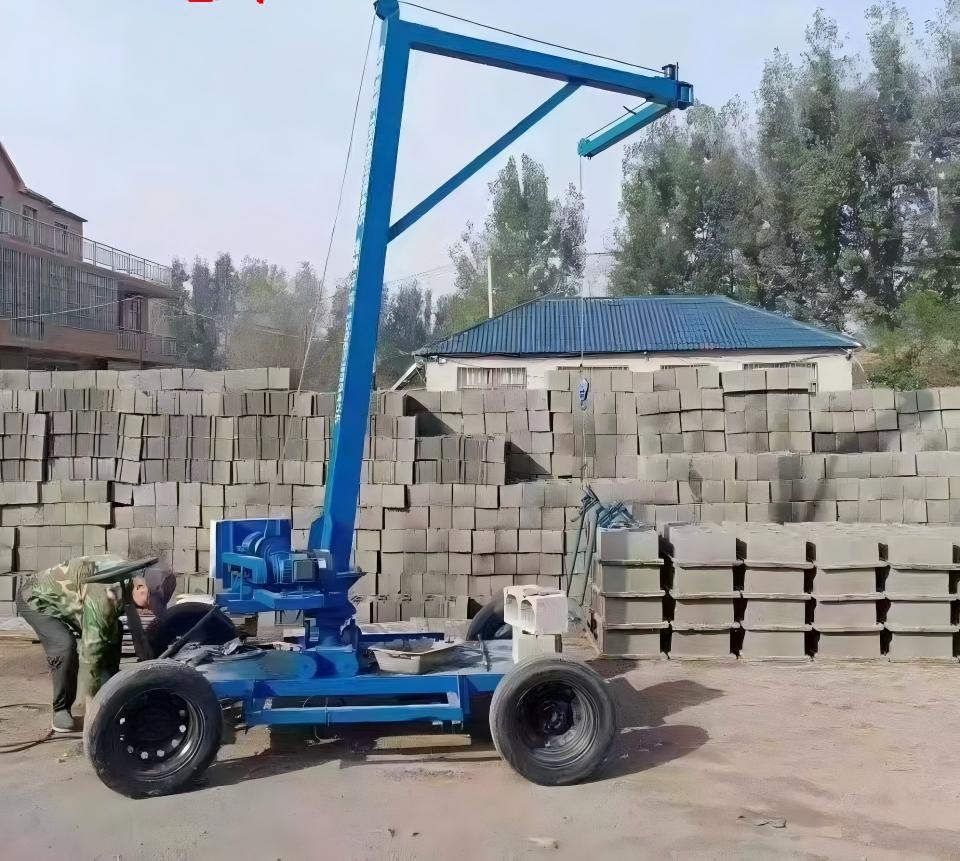
Mecánica Operacional y Componentes Principales
Principios Fundamentales de Funcionamiento
En esencia, esta maquinaria automatiza la recogida, el transporte y la colocación precisa de bloques de construcción estandarizados. El proceso comienza con la máquina alineándose con una carga paletizada, a menudo utilizando sistemas láser guiados o guías físicas. Mediante su mecanismo de sujeción patentado, agarra de forma segura toda la pila. Luego, la carga se eleva, típicamente a través de un robusto elevador de tijera o un sistema de brazo hidráulico, y se estabiliza para el tránsito. La maquinaria se desplaza entonces, ya sea dirigida manualmente por un operador o mediante instrucciones programadas previamente en modelos más avanzados, hasta el área de descarga designada. Allí, la colocación se ejecuta con una precisión milimétrica, asegurando que cada unidad se asiente correctamente para el posterior asentado de ladrillos o ensamblaje. El ciclo se completa con la máquina regresando a su punto de inicio, lista para la siguiente carga. Esta operación repetitiva y de alta precisión elimina la variabilidad y la fatiga asociadas con el manejo manual.
Subsistemas Críticos y Sus Funciones
La fiabilidad y el rendimiento de este equipo dependen de varios subsistemas integrados:
- Chasis y Marco de MovilidadEsto constituye la estructura principal de la máquina, diseñada para ofrecer estabilidad a plena carga. Las opciones incluyen versiones con orugas para una tracción superior en terrenos irregulares y no preparados, y modelos con ruedas para una movilidad más suave sobre superficies duras. La elección del tren de rodaje afecta directamente la aplicabilidad de la máquina en diferentes condiciones del sitio.
- Mecanismo de Elevación y Manipulación:Esta es la esencia de la funcionalidad de la máquina. Los sistemas van desde horquillas simples estilo montacargas hasta cabezales sofisticados con múltiples garras que pueden manejar varios tamaños y formas de bloques. La potencia de elevación la proporcionan sistemas hidráulicos, conocidos por su alta densidad de fuerza y control suave, o actuadores electromecánicos en modelos más nuevos que buscan una mayor eficiencia energética.
- Interfaz de Control y Guía:La interfaz del operador varía desde palancas físicas y joysticks en modelos básicos hasta paneles táctiles completamente digitales. Los sistemas avanzados incorporan software que permite la programación de patrones de colocación repetidos, el almacenamiento de parámetros de trabajo comunes y la retroalimentación de diagnóstico. Algunas unidades de gama alta cuentan con guiado semiautónomo, siguiendo rutas preestablecidas o guías de cable.
- Sistema de Potencia y PropulsiónLos motores diésel ofrecen alta potencia y durabilidad tradicionales para funcionar todo el día en lugares remotos. Los modelos impulsados por motores eléctricos, alimentados por grandes bancos de baterías, están ganando popularidad para uso en interiores, por sus cero emisiones locales y menor ruido operativo, alineándose con las iniciativas de construcción ecológica.
- Aparato de Seguridad y Estabilización:Los componentes integrales incluyen estabilizadores o patas de apoyo que se despliegan para evitar vuelcos durante las operaciones de elevación. Los sensores monitorean continuamente el peso de la carga, la presión hidráulica y el equilibrio de la máquina. Las funciones de apagado automático se activan si los parámetros superan los límites seguros, protegiendo tanto a la máquina como al personal.
Segmentación de Mercado y Variedades de Equipos
Clasificación por Movilidad y Escala
El mercado ofrece productos diferenciados adaptados a escalas operativas y entornos específicos.
- Unidades Compactas y de Rango Medio.Estas son máquinas altamente maniobrables, ideales para proyectos residenciales, construcciones comerciales más pequeñas y trabajos de reacondicionamiento. A menudo se montan en remolques para facilitar el transporte entre sitios. Su enfoque está en la agilidad y la velocidad para cargas frecuentes y más pequeñas.
- Sistemas Industriales de Alta CapacidadDiseñadas para proyectos industriales, comerciales y de infraestructura a gran escala, estas unidades cuentan con mayor capacidad de carga, mayor alcance y, a menudo, controles más sofisticados. Están construidas para ser duraderas y funcionar de manera continua, manejando los enormes volúmenes de material que requieren las grandes obras de construcción.
- Soluciones Especializadas Basadas en el Apego: This category consists of modular attachments that can be fitted to existing carrier vehicles like telehandlers or mini-excavators. This offers a cost-effective entry point for contractors who already own compatible base machines, providing functional versatility.
Advanced Features and Technological Integration
Modern iterations are increasingly defined by their technological enhancements. Telematics systems allow fleet managers and dealers to monitor machine location, fuel levels, operational hours, and maintenance alerts remotely. This data is invaluable for preventive maintenance scheduling and optimizing machine utilization. Furthermore, integration with Building Information Modeling (BIM) represents the cutting edge. Machine controls can theoretically import data from a project’s BIM model, automating the placement pattern directly from the digital blueprint, thereby reducing layout errors and further accelerating the construction process.
Strategic Advantages for the Supply Chain and End-Users
Quantifiable Economic and Operational Benefits
The adoption of this machinery delivers a compelling return on investment through multiple channels. The most direct impact is the dramatic reduction in labor costs; a single machine and operator can replace a crew of several manual laborers, completing tasks in a fraction of the time. This translates directly to shorter project timelines, allowing contractors to take on more projects per year. Material waste due to handling damage is minimized, as the consistent, mechanical movement prevents chipping and breakage common in manual throws and carries. Furthermore, the precision placement reduces the need for subsequent adjustments, allowing masons or assemblers to begin their work immediately and more efficiently.
Enhancing Safety and Ergonomic Standards
Beyond economics, the safety imperative is profound. Manual handling of heavy, dense building materials is a leading cause of musculoskeletal injuries, including chronic back problems and strains. By assuming this physically demanding task, the machinery drastically lowers the incidence of such injuries. It also reduces foot traffic and congestion in the primary material drop zones, minimizing the risk of struck-by incidents. This creates a safer, more organized worksite, which can lead to lower insurance premiums and improved regulatory compliance for the end-user.
Sustainability and Industry Alignment
The efficiency gains have a direct positive environmental impact. Faster project completion reduces the overall duration of site disturbance and energy consumption on-site. Electric models, in particular, contribute to quieter, emission-free operation, which is crucial for urban projects with strict noise and pollution ordinances. By promoting a solution that aligns with goals for faster, safer, and cleaner construction, distributors align themselves with the broader trends shaping the future of the industry.
Conclusion: Positioning for a Productive Future
The transition towards automated material handling in construction is not a speculative trend but a demonstrable shift towards greater rationality and productivity. For dealers, distributors, and procurement professionals, this equipment category represents a high-value portfolio segment that addresses fundamental client pain points: cost, time, safety, and precision. Success in this market requires a deep technical understanding of the product variations, a clear communication of the total cost of ownership and ROI, and the ability to provide robust after-sales support and parts service. By becoming knowledgeable advocates for these solutions, supply chain partners do more than sell machinery; they enable their clients to build better, faster, and safer. The competitive advantage offered by this technology makes it an indispensable consideration for any forward-looking business servicing the modern construction landscape.
Frequently Asked Questions (FAQ)
Q1: What is the typical range of load capacity for these machines?
A: Load capacities vary significantly to suit different projects. Compact models may handle stacks weighing between 500 to 1,500 kg, while heavy-duty industrial machines can lift and transport palletized loads exceeding 3,000 kg. It is crucial to match the machine’s capacity with the most common pallet weights used by your clientele.
Q2: How does the training process work for operators, and is it complex?
A: Operator training is generally straightforward, especially for standard models. Most manufacturers provide comprehensive onsite training covering basic operations, safety protocols, and routine maintenance. For machines with advanced software or BIM integration, more in-depth training is provided. The intuitive nature of the controls allows skilled equipment operators to become proficient relatively quickly.
Q3: What are the primary considerations for choosing between a tracked and wheeled model?
A: The choice depends on anticipated ground conditions. Tracked models offer superior ground pressure distribution, making them ideal for soft, muddy, or uneven terrain as they are less likely to sink or cause damage. Wheeled models provide higher travel speeds and are better suited for hard, level surfaces like prepared pads or factory floors. They also tend to be easier to transport on trailers.
Q4: Can these machines handle other materials besides standard construction blocks?
A: Yes, with the appropriate attachments, many models can be adapted to handle a variety of palletized or bundled materials common on construction sites. This includes bags of mortar mix, landscaping blocks, certain types of paving stones, and dimensional lumber packs. This versatility enhances the machine’s utility and ROI for the end-user.
Q5: What does the maintenance schedule look like, and what is the parts availability like?
A: Maintenance is similar to other mobile construction equipment, involving regular checks of hydraulic systems, filters, structural components, and (in diesel models) the engine. Electric models have fewer moving parts and require less routine maintenance. Reputable manufacturers support their products with readily available spare parts networks and detailed service manuals. For distributors, establishing access to this parts supply chain is a critical component of customer support.
Q6: How do we effectively demonstrate the ROI to a skeptical contractor?
A: The most effective demonstration is a concrete cost-benefit analysis. Focus on direct labor savings: calculate the hours and crew size required to manually move a set quantity of material versus the machine’s cycle time. Add in quantifiable savings from reduced breakage, lower insurance costs (due to improved safety), and the potential for increased project throughput. Offering a live demonstration on the contractor’s own site, using their materials, is often the most persuasive tool.