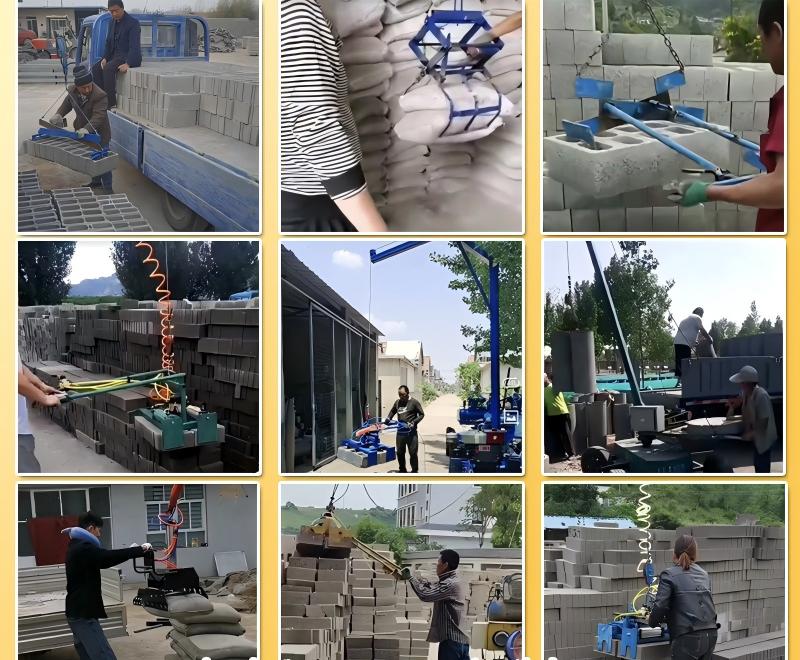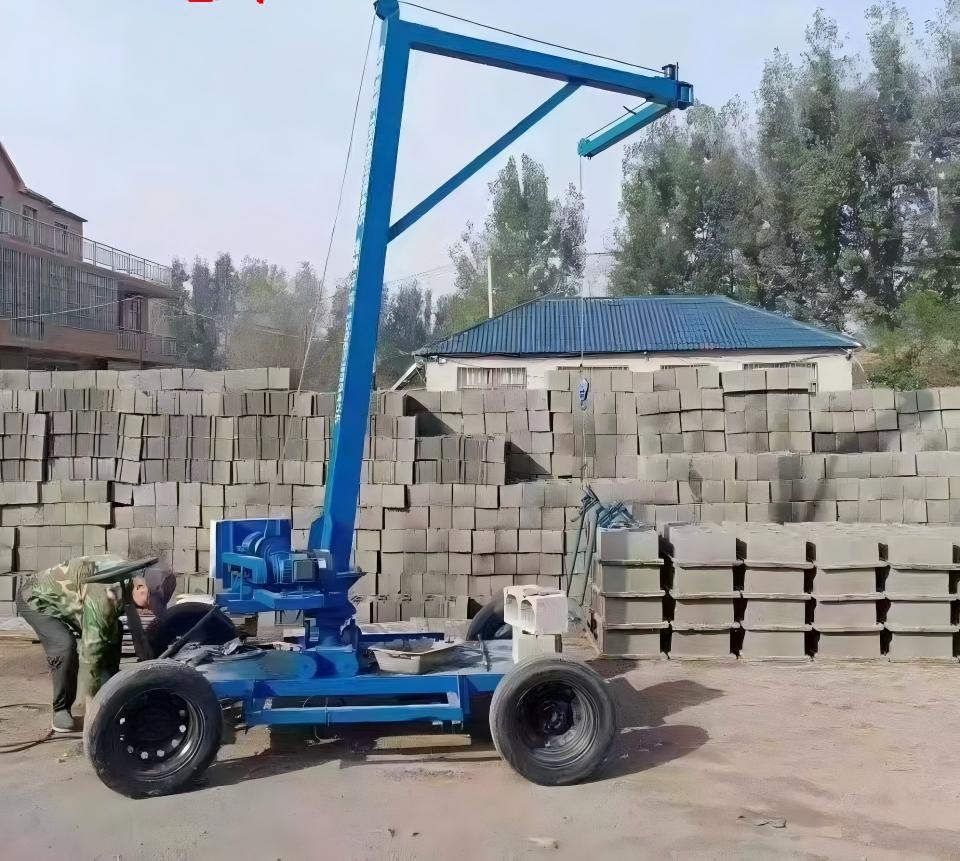
Операционные механизмы и основные компоненты
Основные принципы работы
По своей сути, этот механизм автоматизирует подъем, транспортировку и точную укладку стандартных строительных блоков. Процесс начинается с того, что машина позиционируется относительно паллетированного груза, часто с помощью лазерных систем наведения или физических направляющих. Используя свою запатентованную зажимную систему, она надежно захватывает весь штабель. Затем груз поднимается, обычно посредством мощного ножничного подъемника или гидравлической стрелы, и стабилизируется для перемещения. Далее механизм перемещается — либо под ручным управлением оператора, либо по заранее заданным инструкциям в более продвинутых моделях — в указанную зону разгрузки. Здесь укладка выполняется с точностью до миллиметра, что гарантирует правильное положение каждого блока для последующей кладки или сборки. Цикл завершается возвращением машины в исходную точку, готовой к приему следующего груза. Это повторяющаяся, высокоточная операция исключает погрешности и усталость, связанные с ручной обработкой.
Критические подсистемы и их функции
Надежность и производительность этого оборудования зависят от нескольких интегрированных подсистем:
- Шасси и рама мобильности:Это формирует основу машины, предназначенную для устойчивости при полной нагрузке. Варианты включают гусеничные версии для превосходного сцепления на неровной, неподготовленной местности и колесные модели для более плавного перемещения по твердым поверхностям. Выбор ходовой части напрямую влияет на применимость машины в различных условиях на площадке.
- Механизм подъема и манипулирования:Это основа функциональности машины. Системы варьируются от простых вилочных захватов до сложных многоклешневых головок, способных работать с блоками различных размеров и форм. Подъёмная сила обеспечивается гидравлическими системами, известными своей высокой удельной мощностью и плавным управлением, либо электромеханическими приводами в более новых моделях, стремящихся к повышению энергоэффективности.
- Управляющий и наводящий интерфейсИнтерфейс оператора варьируется от физических рычагов и джойстиков в базовых моделях до полностью цифровых сенсорных панелей. Продвинутые системы включают программное обеспечение, позволяющее программировать повторяющиеся схемы размещения, сохранять параметры типовых задач и получать диагностическую обратную связь. Некоторые высококлассные устройства оснащены полуавтономным управлением, следуя заданным траекториям или проводным направляющим.
- Силовая и движительная система:Дизельные двигатели обеспечивают традиционную высокую мощность и долговечность для круглосуточной работы на удаленных объектах. Модели с электроприводом, работающие от больших аккумуляторных батарей, набирают популярность для использования внутри помещений, благодаря нулевым локальным выбросам, пониженному уровню шума и соответствию принципам «зеленого» строительства.
- Оборудование для обеспечения безопасности и стабилизации:Неотъемлемые компоненты включают выносные опоры или стабилизирующие ноги, которые развертываются для предотвращения опрокидывания во время подъемных операций. Датчики непрерывно контролируют вес груза, гидравлическое давление и баланс машины. Функции автоматического отключения активируются при превышении безопасных параметров, защищая как машину, так и персонал.
Сегментация рынка и разновидности оборудования
Классификация по мобильности и масштабу
Рынок предлагает дифференцированные продукты, адаптированные под конкретные масштабы и условия эксплуатации.
- Компактные и среднеразмерные блоки:Это высокоманевренные машины, идеально подходящие для жилых проектов, небольших коммерческих объектов и работ по реконструкции. Они часто монтируются на прицепы для легкой транспортировки между объектами. Их основное преимущество — маневренность и скорость при частых операциях с небольшими грузами.
- Высокопроизводительные промышленные системы:这些设备专为大型工业、商业及基础设施项目设计,具备更大的负载能力、更长的工作半径,并通常配备更精密的控制系统。其构造注重耐久性与持续运行能力,可满足大型建筑工地的庞杂物料需求。
- Специализированные решения, основанные на привязанности:Эта категория включает модульные навесные приспособления, которые можно устанавливать на существующие транспортные средства-носители, такие как телескопические погрузчики или мини-экскаваторы. Это предоставляет экономически эффективную точку входа для подрядчиков, уже владеющих совместимыми базовыми машинами, обеспечивая функциональную универсальность.
高级功能与技术集成
Современные версии всё чаще определяются своими технологическими усовершенствованиями. Телематические системы позволяют менеджерам автопарков и дилерам удалённо отслеживать местоположение техники, уровень топлива, время работы и уведомления о техническом обслуживании. Эти данные неоценимы для планирования профилактического ремонта и оптимизации использования машин. Кроме того, интеграция с информационным моделированием зданий (BIM) представляет собой передовой рубеж. Управление машинами теоретически может импортировать данные из BIM-модели проекта, автоматизируя схему укладки напрямую из цифрового чертежа, что снижает количество ошибок в планировке и ещё больше ускоряет строительный процесс.
Преимущества для цепочки поставок и конечных пользователей
Quantifiable Economic and Operational Benefits
The adoption of this machinery delivers a compelling return on investment through multiple channels. The most direct impact is the dramatic reduction in labor costs; a single machine and operator can replace a crew of several manual laborers, completing tasks in a fraction of the time. This translates directly to shorter project timelines, allowing contractors to take on more projects per year. Material waste due to handling damage is minimized, as the consistent, mechanical movement prevents chipping and breakage common in manual throws and carries. Furthermore, the precision placement reduces the need for subsequent adjustments, allowing masons or assemblers to begin their work immediately and more efficiently.
Enhancing Safety and Ergonomic Standards
Beyond economics, the safety imperative is profound. Manual handling of heavy, dense building materials is a leading cause of musculoskeletal injuries, including chronic back problems and strains. By assuming this physically demanding task, the machinery drastically lowers the incidence of such injuries. It also reduces foot traffic and congestion in the primary material drop zones, minimizing the risk of struck-by incidents. This creates a safer, more organized worksite, which can lead to lower insurance premiums and improved regulatory compliance for the end-user.
Sustainability and Industry Alignment
The efficiency gains have a direct positive environmental impact. Faster project completion reduces the overall duration of site disturbance and energy consumption on-site. Electric models, in particular, contribute to quieter, emission-free operation, which is crucial for urban projects with strict noise and pollution ordinances. By promoting a solution that aligns with goals for faster, safer, and cleaner construction, distributors align themselves with the broader trends shaping the future of the industry.
Conclusion: Positioning for a Productive Future
The transition towards automated material handling in construction is not a speculative trend but a demonstrable shift towards greater rationality and productivity. For dealers, distributors, and procurement professionals, this equipment category represents a high-value portfolio segment that addresses fundamental client pain points: cost, time, safety, and precision. Success in this market requires a deep technical understanding of the product variations, a clear communication of the total cost of ownership and ROI, and the ability to provide robust after-sales support and parts service. By becoming knowledgeable advocates for these solutions, supply chain partners do more than sell machinery; they enable their clients to build better, faster, and safer. The competitive advantage offered by this technology makes it an indispensable consideration for any forward-looking business servicing the modern construction landscape.
Frequently Asked Questions (FAQ)
Q1: What is the typical range of load capacity for these machines?
А: Load capacities vary significantly to suit different projects. Compact models may handle stacks weighing between 500 to 1,500 kg, while heavy-duty industrial machines can lift and transport palletized loads exceeding 3,000 kg. It is crucial to match the machine’s capacity with the most common pallet weights used by your clientele.
Q2: How does the training process work for operators, and is it complex?
А: Operator training is generally straightforward, especially for standard models. Most manufacturers provide comprehensive onsite training covering basic operations, safety protocols, and routine maintenance. For machines with advanced software or BIM integration, more in-depth training is provided. The intuitive nature of the controls allows skilled equipment operators to become proficient relatively quickly.
Q3: What are the primary considerations for choosing between a tracked and wheeled model?
А: The choice depends on anticipated ground conditions. Tracked models offer superior ground pressure distribution, making them ideal for soft, muddy, or uneven terrain as they are less likely to sink or cause damage. Wheeled models provide higher travel speeds and are better suited for hard, level surfaces like prepared pads or factory floors. They also tend to be easier to transport on trailers.
Q4: Can these machines handle other materials besides standard construction blocks?
А: Yes, with the appropriate attachments, many models can be adapted to handle a variety of palletized or bundled materials common on construction sites. This includes bags of mortar mix, landscaping blocks, certain types of paving stones, and dimensional lumber packs. This versatility enhances the machine’s utility and ROI for the end-user.
Q5: What does the maintenance schedule look like, and what is the parts availability like?
А: Maintenance is similar to other mobile construction equipment, involving regular checks of hydraulic systems, filters, structural components, and (in diesel models) the engine. Electric models have fewer moving parts and require less routine maintenance. Reputable manufacturers support their products with readily available spare parts networks and detailed service manuals. For distributors, establishing access to this parts supply chain is a critical component of customer support.
Q6: How do we effectively demonstrate the ROI to a skeptical contractor?
А: The most effective demonstration is a concrete cost-benefit analysis. Focus on direct labor savings: calculate the hours and crew size required to manually move a set quantity of material versus the machine’s cycle time. Add in quantifiable savings from reduced breakage, lower insurance costs (due to improved safety), and the potential for increased project throughput. Offering a live demonstration on the contractor’s own site, using their materials, is often the most persuasive tool.