
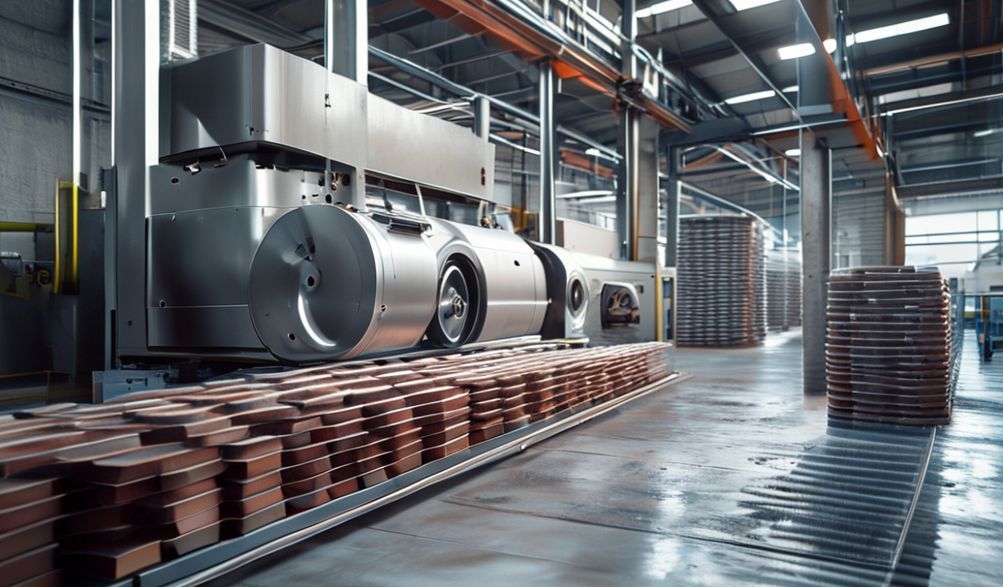
Encontrando las mejores fábricas de máquinas para ladrillos permeables: Un enfoque en la Fábrica de Bloques FUDA
Introducción
Nuestras ciudades están alcanzando un punto de inflexión. A medida que los entornos urbanos se expanden y los patrones climáticos se intensifican, la gestión de las aguas pluviales ha evolucionado de una preocupación municipal a un imperativo de infraestructura global. Las superficies tradicionales impermeables, como el hormigón y el asfalto, exacerban las inundaciones, saturan los sistemas de drenaje y contaminan las vías fluviales. La solución está creciendo bajo nuestros pies: sistemas de drenaje urbano sostenible (SuDS) construidos con pavimentos permeables.
En el corazón de esta revolución verde se encuentra una única y crucial pieza de equipo: la máquina de ladrillos permeables. Para las empresas constructoras, los fabricantes de bloques y los oficiales de adquisiciones municipales, seleccionar la máquina correcta no es solo una compra; es una inversión a largo plazo en el éxito del proyecto, la rentabilidad y el cumplimiento ambiental.
El desafío central es crudo. El mercado está inundado de proveedores que hacen afirmaciones audaces. Elegir una máquina de una fábrica mediocre conlleva un riesgo inmenso:
* Bajo Rendimiento de Producción:La inconsistencia en los resultados perjudica los cronogramas de los proyectos.
* Calidad deficiente del bloque.Los ladrillos que no pasan las pruebas de permeabilidad o resistencia provocan costosos rechazos e inspecciones fallidas.
* Altos Costos de Mantenimiento:Las frecuentes averías y las piezas de repuesto caras y difíciles de encontrar erosionan los márgenes.
* Retrasos del Proyecto:Todo lo anterior culmina en plazos incumplidos y penalizaciones contractuales.
La solución radica en una búsqueda meticulosa y basada en criterios de fábricas verdaderamente de primer nivel. Este artículo aprovecha la experiencia de la industria para proporcionarle ese marco. Analizaremos los indicadores exactos de una fábrica de "la mejor calidad". Como un nombre prominente en la industria, FUDA Block Making Factory servirá como nuestro caso de estudio continuo, permitiéndonos aplicar estos puntos de referencia objetivos en un contexto del mundo real.
Nuestro objetivo es brindarte a ti, el tomador de decisiones, el conocimiento para realizar tu propia evaluación confiable, conduciendo a una inversión informada y segura. Comencemos.
¿Qué define una fábrica de máquinas para ladrillos permeables de "mejor calidad"?
Ir más allá de los eslóganes de marketing exige un análisis forense de factores operativos tangibles. Una fábrica de primer nivel se define por la sinergia entre la excelencia mecánica, la producción inteligente y los resultados probados.
Excelencia en Ingeniería y Durabilidad de las Máquinas
El núcleo de la máquina es su base, tanto literal como figurativamente. Aquí es donde los recortes de costos son más desastrosos.
- Construcción Robusta:Busque un bastidor de acero soldado de alta resistencia que soporte las enormes fuerzas de compactación. Las placas de acero de alta calidad y los componentes estructurales reforzados son imprescindibles para garantizar la durabilidad.
- Hidráulica Premium:El corazón de la máquina. Los sistemas de marcas globales reconocidas (como Bosch Rexroth o Kawasaki) indican confiabilidad. Las válvulas y cilindros de precisión garantizan una aplicación de presión constante, lo cual es crucial para una densidad uniforme de los ladrillos.
- Vibración y Compactación Avanzada:Este es el secreto para un ladrillo fuerte, pero poroso. Las mejores fábricas emplean sistemas de vibración de alta frecuencia y multidireccional combinados con presión hidráulica controlada. Esto fuerza al agregado a formar una matriz compacta mientras mantiene los vacíos interconectados necesarios para la permeabilidad.
Eficiencia de Producción y Nivel de Automatización
La capacidad de producción no tiene sentido sin consistencia y control de costos. La automatización es el diferenciador clave.
- Tiempos de Ciclo Optimizados:Una máquina de calidad equilibra la velocidad con una compactación exhaustiva. El enfoque debe estar en un ciclo estable y repetible que maximicecalidadladrillos por hora, no solo velocidad bruta.
- Sistemas de Control Inteligente:Un Controlador Lógico Programable (PLC) con una pantalla táctil fácil de usar es estándar en los modelos superiores. Permite un ajuste preciso de parámetros (tiempo de vibración, presión) y almacena recetas para diferentes tipos de ladrillos.
- Reducción de la Dependencia Laboral:Características como alimentadores automáticos de paletas, apiladores de ladrillos y transportadores de productos crean una línea de producción continua. Esto minimiza el manejo manual, reduce los costos laborales y mejora drásticamente la seguridad y la consistencia en el lugar de trabajo.
Calidad y Versatilidad del Producto Final
La máquina es tan buena como el ladrillo que produce. Una fábrica de primera garantiza que sus máquinas ofrezcan un rendimiento certificado.
- Cumplir con los Estándares Internacionales:La máquina debe producir de manera confiable ladrillos que cumplan con las normas pertinentes, comoASTM C936(Especificación Estándar para Unidades de Pavimentación Intertrabadas de Concreto Sólido)EN 1338(Norma europea para bloques de pavimentación de hormigón). Las métricas clave son la resistencia a la compresión (a menudo >50 MPa para áreas vehiculares), la tasa de permeabilidad (frecuentemente medida en cm/seg) y la tolerancia dimensional precisa.
- Flexibilidad del Molde:La capacidad de cambiar rápidamente los moldes para diferentes formas de ladrillos (entrelazados, hexagonales, adoquines) y acabados superficiales (árido visto, liso, texturizado) es una gran ventaja. Permite que una sola línea de producción atienda múltiples segmentos de mercado.
Credenciales de Fábrica: Más Allá de la Máquina
The machine doesn’t exist in a vacuum. The factory behind it tells the real story.
- ISO Certifications: ISO 9001 for quality management systems and ISO 14001 for environmental management are strong indicators of a professional, process-oriented operation.
- Inversión en I+D: A dedicated R&D department focused on material science and machine innovation shows a commitment to future-proofing and continuous improvement.
- Scale and Supply Chain Control: Large, modern manufacturing facilities with in-house machining, welding, and assembly indicate capacity and quality control. Control over their supply chain for core components ensures consistency.
An In-Depth Look at FUDA Block Making Factory
Applying our criteria, let’s examine FUDA, a well-known Chinese manufacturer often encountered in global searches for block machinery.
Company Overview and Market Position
FUDA is a block making machine manufacturer based in China. The company has established a presence in the international market, exporting to regions including Africa, Southeast Asia, and the Middle East. They present themselves as a full-line supplier, offering a range of machines from manual to fully automatic models. Their scale of operations is significant, positioning them as a volume supplier in the industry.
Analyzing FUDA’s Permeable Brick Machine Portfolio
FUDA typically offers permeable brick production within their standard concrete block machine lines, such as their QTY series (like the QTY10-15). Key aspects to analyze from their specifications include:
- Technical Specifications: Models often feature hydraulic pressure in the range of 21-31 MPa, with multiple vibration motors. They promote fully automatic operation with PLC control.
- Claimed Output: Their automatic models can claim theoretical outputs of several thousand bricks per 8-hour shift, depending on the brick size.
- Automation Features: Their higher-end models list automatic pallet feeders, stackers, and cement batchers, which align with the efficiency criteria we’ve outlined.
Evaluating FUDA’s Expertise and Authoritativeness
This is where due diligence becomes critical for a buyer:
- Evidence of Experience: FUDA cites multiple years of operation and a large number of machines sold globally. Prospective buyers should request specific case studies or contactable references for projects involving permeable bricks.
- Evidence of Expertise: Inquire about technical patents related to vibration systems or mold design for permeable products. The presence of a sizable in-house engineering team is a positive sign.
- Evidence of Authoritativeness: Participation in major international trade shows (e.g., bauma China) is a common practice for factories like FUDA. While this shows market activity, authoritativeness is best verified through independent client testimonials and long-term machine performance reports.
How to Vet Any Permeable Brick Machine Factory (A Practical Guide)
Use this actionable guide, inspired by our framework, to evaluate FUDA or any other supplier.
The Due Diligence Checklist
Before any visit, gather this documentation:
* Detailed Spec Sheets: Not just marketing brochures, but technical drawings and component lists. Which brand of hydraulic pump? Which model of PLC?
* Compliance Certificates: Copies of ISO certifications and, importantly, third-party test reports for bricks produced by the exact machine model you’re considering.
* Supplier List: Request a list of their key component suppliers (hydraulics, electrical, steel). Reliance on reputable brands is reassuring.
The Critical Importance of Factory Visits and Testing
A virtual tour is no substitute for being there.
* Assess the Factory Floor: Look for organization, welding quality on machine frames, and housekeeping. It speaks volumes about overall quality culture.
* Insist on a Live Test: This is non-negotiable. Provide your own local raw material samples (aggregates, fly ash) and witness a production run. Measure the resulting bricks for dimensions, weight, and if possible, perform a simple water permeability test on-site.
Assessing After-Sales Support and Trustworthiness
The relationship begins after the sale.
* Warranty & Parts: Scrutinize the warranty terms. Is it 1 year or 2? What is covered? How quickly can wear parts (mold liners, seal kits) be shipped to your location?
* Training & Documentation: Is comprehensive training (installation, operation, maintenance) included? Are machine manuals clear and available in your language?
* Reputation Research: Search the company name alongside keywords like “review,” “service,” or “spare parts” on industry forums and business directories like Made-in-China.com alerts. Look for patterns in feedback.
Key Considerations Before Your Purchase
Costo Total de Propiedad (CTP) frente a Precio Inicial
The cheapest machine is often the most expensive. Calculate:
TCO = Purchase Price + (Annual Maintenance & Energy Cost x Years) + Cost of Potential Downtime
A robust, efficient machine from a quality factory may have a higher upfront cost but a far lower TCO over 5-10 years.
Adaptar la Máquina a las Necesidades de su Proyecto
Avoid over- or under-buying. Clearly define:
* Required Daily/Annual Output: Be realistic about your market.
* Especificaciones del Ladrillo: Know your required strength class, permeability rate, and primary shapes.
* Factory Constraints: Do you have the floor space, electrical power (3-phase?), and raw material storage for the machine line?
Sustainability and Environmental Compliance
The right machine enhances your green credentials.
* The permeable bricks you produce directly contribute to LEED (Liderazgo en Energía y Diseño Ambiental)oBREEAM certification for projects, earning credits in Sustainable Sites and Stormwater Management categories.
* An energy-efficient machine further reduces the carbon footprint of your manufacturing process.
Frequently Asked Questions (FAQ)
Q1: What is the typical price range for a high-quality permeable brick machine from a factory like FUDA?
A: Prices vary dramatically from approximately $50,000 for a semi-automatic model to over $250,000 for a high-output, fully automatic production line. We strongly advise against seeking “typical” prices. Instead, prepare your detailed specifications and get formal quotes from multiple factories for a true comparison. Always analyze the Total Cost of Ownership, not just the invoice.
Q2: How do I verify the quality claims made by a factory’s sales team?
A: Trust, but verify with evidence. Ask for: 1) Third-party lab test reports for bricks, 2) A list of recent clients you can contact directly, and 3) A live machine test with your materials. A reputable factory will welcome this scrutiny.
Q3: Can FUDA, or similar factories, provide custom mold designs for unique brick shapes?
A: Yes, most reputable factories have in-house mold design and CNC machining workshops. They can produce custom molds, but this will incur additional cost (for the mold itself) and require a lead time of several weeks. Provide clear drawings or samples for the best result.
Q4: What is the most common maintenance requirement for these machines?
A: The hydraulic system is paramount. Regular oil and filter changes as per the manual are essential. Daily cleaning of the mold box to prevent concrete buildup and weekly inspection of wear parts like vibration motor mounts, liner plates, and seal rings will prevent major failures.
Q5: Are there key red flags to watch out for when dealing with machine factories?
A: Absolutely. Major red flags include: reluctance to allow a factory visit or live test, vague or constantly changing specifications, pressure to make a large upfront payment before contract signing, lack of clear communication in your language, and an inability to provide verifiable client references.
Conclusión
Identifying the best quality permeable brick machine factory is a deliberate process of replacing sales pitches with verifiable evidence. It requires looking past the brochure to evaluate engineering principles, production line discipline, and the long-term partnership of after-sales support.
In our examination, FUDA Block Making Factory presents as an established, volume-oriented player with a broad machine portfolio that includes options capable of producing permeable bricks. Their potential strengths lie in their scale and experience in exporting globally. However, as with any major capital expenditure, their suitability for your specific project must be confirmed through your own rigorous due diligence.
Use the criteria and guide outlined here as your framework. Your next steps should be to:
1. Finalize your detailed project requirements.
2. Shortlist 3-5 factories, including FUDA if it aligns with your needs.
3. Request documentation, schedule visits, and insist on live production tests.
By grounding your decision in expertise, evidence, and a thorough process, you build the trust necessary to invest not just in a machine, but in the foundation of your sustainable paving business for years to come.
<