
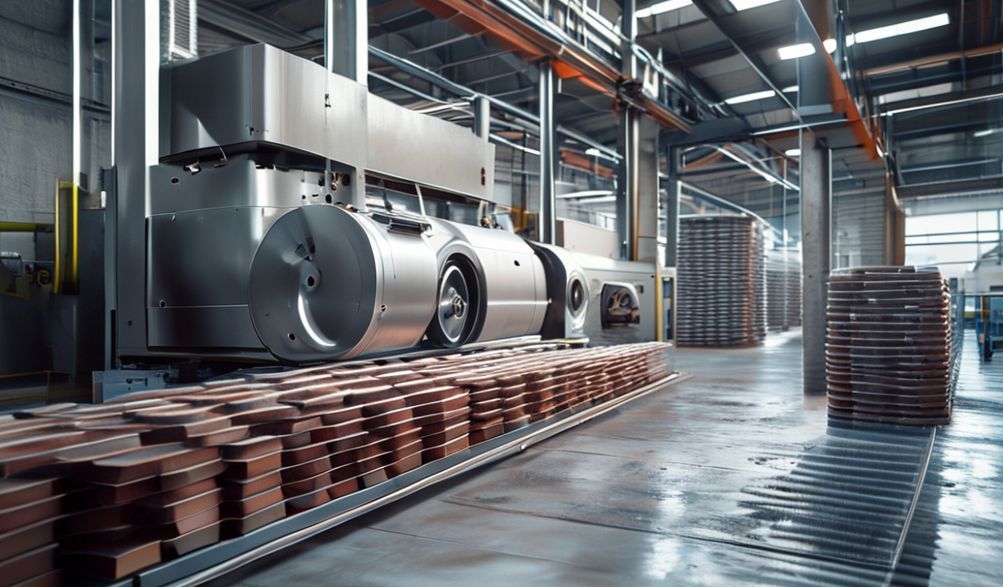
Optimas Qualitatis Permeabilis Lateris Machinae Officinas Invenire: In Officinam Laterum Fabricandorum FUDA Constitutum
Introductio
Urbes nostrae ad cardinem perveniunt. Cum regiones urbanae dilatantur et rationes caeli intenduntur, moderatio aquarum tempestatum ex cura municipali in necessitatem infrastructurae globalis evolvit. Superficies traditae impermeabiles, ut cementum et asphalton, inundationes exacerbant, systemata exhauriendi opprimunt, et fluvios contaminant. Solutio sub pedibus nostris crescit: systemata sustinenda urbana exhauriendi (SuDS) cum pavimento permeabili aedificata.
In medio huius viridis revolutionis est unum, praecipuum instrumentum—machina laterum permeabilium. Societatibus constructionis, fabricis laterum, et magistratibus municipalibus acquisitionis, eligere machinam aptam non est emptio tantum; est longi temporis collocatio in successu operis, lucro, et observantia circumiectorum.
Summa difficultas manifesta est. Mercatus suppeditatoribus qui audacia prae se ferunt refertus est. Machinam e fabrica mediocri eligere ingens periculum fert.
* Humilis Fructus Productionis:Inconstans exitus tempora incepta debilitat.
* Mala Qualitas LaterisLateres qui permeabilitatem vimque non sustinent, sumptuosas reiectiones et inspectiones irritas efficiunt.
* Sumptus Altissimi Sustentationis:Crebrae ruinae et partes suppletrices pretiosae difficilesque inveniendi margines exedunt.
* Mora ProiectiOmnia haec in terminos praeteritos et poenas contractus desinunt.
Solutio in accurata et criterii ducta investigatione verarum officinarum primae notae consistit. Hoc scriptum peritiam industriae adhibet ut illam rationem tibi praebeat. Praecisa signa officinae "optimi qualitatis" dissecabimus. Cum sit nomen praecipuum in industria, FUDA Block Making Factory continuo exemplo nobis erit, ut haec obiectiva signa in re ipsa adhibere possimus.
Propositum nostrum est te, consilii auctorem, scientia instruere ut tuam ipsius fidelem aestimationem peragas, ad rationatum ac fiduciale collocamentum perducens. Incipiamus.
Quid "Optima Qualitas" Machinae Lateris Permeabilis Officinam Definit?
Transcendere praeconia mercatoria requirit accuratum intuitum in factores tangibiles et operativos. Officina princeps definitur per synergiam excellentiae mechanicae, productionis callidae, et eventuum comprobatorum.
Excellentia Machinalis et Firmitas Machinae
Machinae nucleus fundamentum est—et proprie et translate. Hic est ubi sumptus minuendi maxime perniciosi sunt.
- Firmissima Structura:Quaere compagem ferream robustam, conflatam, quae ingentes compactionis vires sustineat. Laminae chalybis praestantissimae et elementa structuris corroborata ad diuturnitatem necessaria sunt.
- Hydraulica Praecipua:Cor machinae. Systemata ex notis globalibus notis (ut Bosch Rexroth vel Kawasaki) fidem significant. Valvae et cylindri exacti constantem pressionis applicationem praestant, quae ad densitatem laterum uniformem critica est.
- Vibratio et Compressio Provecta:Hoc est secretum lateris firmi, sed porosi. Optimae officinae utuntur systematis vibrationis altae frequentiae, multidirectionalibus, cum pressione hydraulica moderata coniunctis. Haec cogunt aggregatum in matricem densam, dum cavitates inter se conexas, quae permeabilitati necessariae sunt, conservant.
Efficentia Productionis et Gradus Automationis
Capacitas output sine constantia et impendiorum moderatione vana est. Automatio discrimen praecipuum est.
- Tempora Cycli Optima: A quality machine balances speed with thorough compaction. The focus should be on a stable, repeatable cycle that maximizes qualitas bricks per hour, not just raw speed.
- Intelligent Control Systems: A Programmable Logic Controller (PLC) with a user-friendly touchscreen is standard for top models. It allows for precise parameter setting (vibration time, pressure) and stores recipes for different brick types.
- Laboris Dependentia Minuta: Features like automatic pallet feeders, brick stackers, and product conveyors create a continuous production line. This minimizes manual handling, reduces labor costs, and drastically improves workplace safety and consistency.
End-Product Quality and Versatility
The machine is only as good as the brick it produces. A top factory ensures its machines deliver certified performance.
- Meeting International Standards: The machine must reliably produce bricks that comply with relevant standards such as ASTM C936 (Standard Specification for Solid Concrete Interlocking Paving Units) or EN 1338 (European standard for concrete paving blocks). Key metrics are compressive strength (often >50 MPa for vehicular areas), permeability rate (often measured in cm/sec), and precise dimensional tolerance.
- Flexibilitas Formae The ability to quickly change molds for different brick shapes (interlocking, hexagonal, cobblestone) and surface finishes (exposed aggregate, smooth, textured) is a major advantage. It allows a single production line to serve multiple market segments.
Factory Credentials: Beyond the Machine
The machine doesn’t exist in a vacuum. The factory behind it tells the real story.
- ISO Certifications: ISO 9001pro qualitate administrandi systemata etISO 14001 for environmental management are strong indicators of a professional, process-oriented operation.
- Collocatio in investigatione et evolutione: A dedicated R&D department focused on material science and machine innovation shows a commitment to future-proofing and continuous improvement.
- Scale and Supply Chain Control: Large, modern manufacturing facilities with in-house machining, welding, and assembly indicate capacity and quality control. Control over their supply chain for core components ensures consistency.
An In-Depth Look at FUDA Block Making Factory
Applying our criteria, let’s examine FUDA, a well-known Chinese manufacturer often encountered in global searches for block machinery.
Company Overview and Market Position
FUDA is a block making machine manufacturer based in China. The company has established a presence in the international market, exporting to regions including Africa, Southeast Asia, and the Middle East. They present themselves as a full-line supplier, offering a range of machines from manual to fully automatic models. Their scale of operations is significant, positioning them as a volume supplier in the industry.
Analyzing FUDA’s Permeable Brick Machine Portfolio
FUDA typically offers permeable brick production within their standard concrete block machine lines, such as their QTY series (like the QTY10-15). Key aspects to analyze from their specifications include:
- Technical Specifications: Models often feature hydraulic pressure in the range of 21-31 MPa, with multiple vibration motors. They promote fully automatic operation with PLC control.
- Claimed Output: Their automatic models can claim theoretical outputs of several thousand bricks per 8-hour shift, depending on the brick size.
- Automation Features: Their higher-end models list automatic pallet feeders, stackers, and cement batchers, which align with the efficiency criteria we’ve outlined.
Evaluating FUDA’s Expertise and Authoritativeness
This is where due diligence becomes critical for a buyer:
- Evidence of Experience: FUDA cites multiple years of operation and a large number of machines sold globally. Prospective buyers should request specific case studies or contactable references for projects involving permeable bricks.
- Evidence of Expertise: Inquire about technical patents related to vibration systems or mold design for permeable products. The presence of a sizable in-house engineering team is a positive sign.
- Evidence of Authoritativeness: Participation in major international trade shows (e.g., bauma China) is a common practice for factories like FUDA. While this shows market activity, authoritativeness is best verified through independent client testimonials and long-term machine performance reports.
How to Vet Any Permeable Brick Machine Factory (A Practical Guide)
Use this actionable guide, inspired by our framework, to evaluate FUDA or any other supplier.
The Due Diligence Checklist
Before any visit, gather this documentation:
* Detailed Spec Sheets: Not just marketing brochures, but technical drawings and component lists. Which brand of hydraulic pump? Which model of PLC?
* Compliance Certificates: Copies of ISO certifications and, importantly, third-party test reports for bricks produced by the exact machine model you’re considering.
* Supplier List: Request a list of their key component suppliers (hydraulics, electrical, steel). Reliance on reputable brands is reassuring.
The Critical Importance of Factory Visits and Testing
A virtual tour is no substitute for being there.
* Assess the Factory Floor: Look for organization, welding quality on machine frames, and housekeeping. It speaks volumes about overall quality culture.
* Insist on a Live Test: This is non-negotiable. Provide your own local raw material samples (aggregates, fly ash) and witness a production run. Measure the resulting bricks for dimensions, weight, and if possible, perform a simple water permeability test on-site.
Assessing After-Sales Support and Trustworthiness
The relationship begins after the sale.
* Warranty & Parts: Scrutinize the warranty terms. Is it 1 year or 2? What is covered? How quickly can wear parts (mold liners, seal kits) be shipped to your location?
* Training & Documentation: Is comprehensive training (installation, operation, maintenance) included? Are machine manuals clear and available in your language?
* Reputation Research: Search the company name alongside keywords like “review,” “service,” or “spare parts” on industry forums and business directories like Made-in-China.com alerts. Look for patterns in feedback.
Key Considerations Before Your Purchase
Summa Possessionis Impendium (TCO) contra Pretium Initiale
The cheapest machine is often the most expensive. Calculate:
TCO = Purchase Price + (Annual Maintenance & Energy Cost x Years) + Cost of Potential Downtime
A robust, efficient machine from a quality factory may have a higher upfront cost but a far lower TCO over 5-10 years.
Machina ad Tuae Proiectionis Necessitates Accommodanda
Avoid over- or under-buying. Clearly define:
* Required Daily/Annual Output: Be realistic about your market.
* Lateris Specificationes: Know your required strength class, permeability rate, and primary shapes.
* Factory Constraints: Do you have the floor space, electrical power (3-phase?), and raw material storage for the machine line?
Sustainability and Environmental Compliance
The right machine enhances your green credentials.
* The permeable bricks you produce directly contribute to LEED (Dux in Energia et Design Environmentali)autBREEAM certification for projects, earning credits in Sustainable Sites and Stormwater Management categories.
* An energy-efficient machine further reduces the carbon footprint of your manufacturing process.
Interrogationes Saepius Petitae (ISP)
Q1: What is the typical price range for a high-quality permeable brick machine from a factory like FUDA?
A: Prices vary dramatically from approximately $50,000 for a semi-automatic model to over $250,000 for a high-output, fully automatic production line. We strongly advise against seeking “typical” prices. Instead, prepare your detailed specifications and get formal quotes from multiple factories for a true comparison. Always analyze the Total Cost of Ownership, not just the invoice.
Q2: How do I verify the quality claims made by a factory’s sales team?
A: Trust, but verify with evidence. Ask for: 1) Third-party lab test reports for bricks, 2) A list of recent clients you can contact directly, and 3) A live machine test with your materials. A reputable factory will welcome this scrutiny.
Q3: Can FUDA, or similar factories, provide custom mold designs for unique brick shapes?
A: Yes, most reputable factories have in-house mold design and CNC machining workshops. They can produce custom molds, but this will incur additional cost (for the mold itself) and require a lead time of several weeks. Provide clear drawings or samples for the best result.
Q4: What is the most common maintenance requirement for these machines?
A: The hydraulic system is paramount. Regular oil and filter changes as per the manual are essential. Daily cleaning of the mold box to prevent concrete buildup and weekly inspection of wear parts like vibration motor mounts, liner plates, and seal rings will prevent major failures.
Q5: Are there key red flags to watch out for when dealing with machine factories?
A: Absolutely. Major red flags include: reluctance to allow a factory visit or live test, vague or constantly changing specifications, pressure to make a large upfront payment before contract signing, lack of clear communication in your language, and an inability to provide verifiable client references.
Conclusio.
Identifying the best quality permeable brick machine factory is a deliberate process of replacing sales pitches with verifiable evidence. It requires looking past the brochure to evaluate engineering principles, production line discipline, and the long-term partnership of after-sales support.
In our examination, FUDA Block Making Factory presents as an established, volume-oriented player with a broad machine portfolio that includes options capable of producing permeable bricks. Their potential strengths lie in their scale and experience in exporting globally. However, as with any major capital expenditure, their suitability for your specific project oportet be confirmed through your own rigorous due diligence.
Use the criteria and guide outlined here as your framework. Your next steps should be to:
1. Finalize your detailed project requirements.
2. Shortlist 3-5 factories, including FUDA if it aligns with your needs.
3. Request documentation, schedule visits, and insist on live production tests.
By grounding your decision in expertise, evidence, and a thorough process, you build the trust necessary to invest not just in a machine, but in the foundation of your sustainable paving business for years to come.
<