
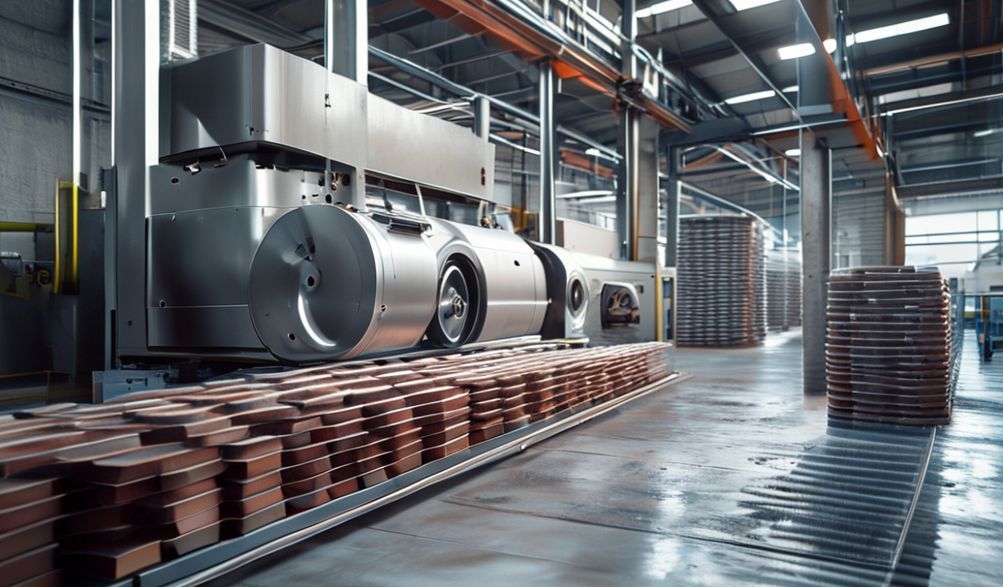
Mencari Kilang Mesin Bata Telap Berkualiti Terbaik: Fokus pada Kilang Pembuatan Blok FUDA
Pengenalan
Bandar-bandar kita sedang mencapai satu titik genting. Apabila landskap bandar berkembang dan corak iklim semakin hebat, pengurusan air ribut telah berkembang daripada satu kebimbangan perbandaran menjadi satu keperluan infrastruktur global. Permukaan tradisional yang tidak telap seperti konkrit dan asfalt memburukkan lagi banjir, membebani sistem saliran, dan mencemarkan saluran air. Penyelesaiannya sedang tumbuh di bawah kaki kita: sistem saliran bandar mampan (SuDS) yang dibina dengan turapan telap.
Inti revolusi hijau ini adalah satu peralatan penting - mesin bata telap. Bagi syarikat pembinaan, pengilang blok, dan pegawai perolehan perbandaran, memilih mesin yang tepat bukan sekadar pembelian; ia adalah pelaburan jangka panjang untuk kejayaan projek, keuntungan, dan pematuhan alam sekitar.
Teras cabaran adalah jelas. Pasaran dipenuhi dengan pembekal yang membuat tuntutan berani. Memilih mesin dari kilang yang tidak berkualiti membawa risiko yang besar:
* Hasil Pengeluaran Rendah:Output yang tidak konsisten merosakkan garis masa projek.
* Kualiti Blok yang Lemah:Batu bata yang gagal dalam ujian kebolehtelapan atau kekuatan menyebabkan penolakan yang mahal dan pemeriksaan yang gagal.
* Kos Penyelenggaraan Tinggi:Kerapuhan kerosakan dan alat ganti yang mahal serta sukar diperoleh mengikis keuntungan.
* Kelewatan Projek:Semua perkara di atas berakhir dengan tarikh akhir yang terlepas dan penalti kontrak.
Penyelesaiannya terletak pada pencarian yang teliti dan berasaskan kriteria untuk kilang yang benar-benar terkemuka. Artikel ini memanfaatkan kepakaran industri untuk memberikan anda rangka kerja tersebut. Kami akan mengkaji penunjuk tepat bagi kilang "berkualiti terbaik". Sebagai sebuah nama terkemuka dalam industri, FUDA Block Making Factory akan berfungsi sebagai kajian kes berterusan kami, membolehkan kami mengaplikasikan penanda aras objektif ini dalam konteks dunia sebenar.
Matlamat kami adalah untuk melengkapkan anda, pembuat keputusan, dengan pengetahuan untuk menjalankan penilaian yang boleh dipercayai sendiri, membawa kepada pelaburan yang berinformasi dan yakin. Mari kita mulakan.
Apakah yang Mendefinisikan Kilang Mesin Bata Telap "Berkualiti Terbaik"?
Melangkah melangkau slogan pemasaran memerlukan tinjauan forensik terhadap faktor operasi yang ketara. Sebuah kilang terkemuka ditakrifkan oleh sinergi kecemerlangan mekanikal, pengeluaran pintar, dan hasil yang terbukti.
Kecemerlangan Kejuruteraan dan Ketahanan Mesin
Teras mesin adalah asasnya—secara literal dan kiasan. Di sinilah pengurangan kos paling merosakkan.
- Pembinaan Kukuh:Cari rangka keluli kimpalan tugas berat yang menahan daya pemadatan yang amat kuat. Plat keluli gred tinggi dan komponen struktur bertetulang adalah wajib untuk ketahanan jangka panjang.
- Hidraulik Premium:Jantung mesin. Sistem dari jenama global yang bereputasi (seperti Bosch Rexroth atau Kawasaki) menandakan kebolehpercayaan. Injap dan silinder berketepatan tinggi memastikan tekanan yang dikenakan adalah konsisten, yang amat penting untuk ketumpatan bata yang seragam.
- Getaran & Pemadatan Lanjutan:Inilah rahsia untuk menghasilkan bata yang kuat namun berliang. Kilang-kilang terbaik menggunakan sistem getaran frekuensi tinggi dan pelbagai arah yang digabungkan dengan tekanan hidraulik terkawal. Ini memaksa agregat membentuk matriks yang padat sambil mengekalkan liang bersambungan yang diperlukan untuk kebolehtelapan.
Kecekapan Pengeluaran dan Tahap Automasi
Kapasiti keluaran tidak bermakna tanpa konsistensi dan kawalan kos. Automasi adalah pembeza utama.
- Masa Kitaran Dioptimumkan: A quality machine balances speed with thorough compaction. The focus should be on a stable, repeatable cycle that maximizes kualiti bricks per hour, not just raw speed.
- Intelligent Control Systems: A Programmable Logic Controller (PLC) with a user-friendly touchscreen is standard for top models. It allows for precise parameter setting (vibration time, pressure) and stores recipes for different brick types.
- Pengurangan Kebergantungan Tenaga Kerja: Features like automatic pallet feeders, brick stackers, and product conveyors create a continuous production line. This minimizes manual handling, reduces labor costs, and drastically improves workplace safety and consistency.
End-Product Quality and Versatility
The machine is only as good as the brick it produces. A top factory ensures its machines deliver certified performance.
- Meeting International Standards: The machine must reliably produce bricks that comply with relevant standards such as ASTM C936 (Standard Specification for Solid Concrete Interlocking Paving Units) or EN 1338 (European standard for concrete paving blocks). Key metrics are compressive strength (often >50 MPa for vehicular areas), permeability rate (often measured in cm/sec), and precise dimensional tolerance.
- Kebolehlenturan Acuan The ability to quickly change molds for different brick shapes (interlocking, hexagonal, cobblestone) and surface finishes (exposed aggregate, smooth, textured) is a major advantage. It allows a single production line to serve multiple market segments.
Factory Credentials: Beyond the Machine
The machine doesn’t exist in a vacuum. The factory behind it tells the real story.
- ISO Certifications: ISO 9001 for quality management systems and ISO 14001 for environmental management are strong indicators of a professional, process-oriented operation.
- Pelaburan dalam R&D: A dedicated R&D department focused on material science and machine innovation shows a commitment to future-proofing and continuous improvement.
- Scale and Supply Chain Control: Large, modern manufacturing facilities with in-house machining, welding, and assembly indicate capacity and quality control. Control over their supply chain for core components ensures consistency.
An In-Depth Look at FUDA Block Making Factory
Applying our criteria, let’s examine FUDA, a well-known Chinese manufacturer often encountered in global searches for block machinery.
Company Overview and Market Position
FUDA is a block making machine manufacturer based in China. The company has established a presence in the international market, exporting to regions including Africa, Southeast Asia, and the Middle East. They present themselves as a full-line supplier, offering a range of machines from manual to fully automatic models. Their scale of operations is significant, positioning them as a volume supplier in the industry.
Analyzing FUDA’s Permeable Brick Machine Portfolio
FUDA typically offers permeable brick production within their standard concrete block machine lines, such as their QTY series (like the QTY10-15). Key aspects to analyze from their specifications include:
- Technical Specifications: Models often feature hydraulic pressure in the range of 21-31 MPa, with multiple vibration motors. They promote fully automatic operation with PLC control.
- Claimed Output: Their automatic models can claim theoretical outputs of several thousand bricks per 8-hour shift, depending on the brick size.
- Automation Features: Their higher-end models list automatic pallet feeders, stackers, and cement batchers, which align with the efficiency criteria we’ve outlined.
Evaluating FUDA’s Expertise and Authoritativeness
This is where due diligence becomes critical for a buyer:
- Evidence of Experience: FUDA cites multiple years of operation and a large number of machines sold globally. Prospective buyers should request specific case studies or contactable references for projects involving permeable bricks.
- Evidence of Expertise: Inquire about technical patents related to vibration systems or mold design for permeable products. The presence of a sizable in-house engineering team is a positive sign.
- Evidence of Authoritativeness: Participation in major international trade shows (e.g., bauma China) is a common practice for factories like FUDA. While this shows market activity, authoritativeness is best verified through independent client testimonials and long-term machine performance reports.
How to Vet Any Permeable Brick Machine Factory (A Practical Guide)
Use this actionable guide, inspired by our framework, to evaluate FUDA or any other supplier.
The Due Diligence Checklist
Before any visit, gather this documentation:
* Detailed Spec Sheets: Not just marketing brochures, but technical drawings and component lists. Which brand of hydraulic pump? Which model of PLC?
* Compliance Certificates: Copies of ISO certifications and, importantly, third-party test reports for bricks produced by the exact machine model you’re considering.
* Supplier List: Request a list of their key component suppliers (hydraulics, electrical, steel). Reliance on reputable brands is reassuring.
The Critical Importance of Factory Visits and Testing
A virtual tour is no substitute for being there.
* Assess the Factory Floor: Look for organization, welding quality on machine frames, and housekeeping. It speaks volumes about overall quality culture.
* Insist on a Live Test: This is non-negotiable. Provide your own local raw material samples (aggregates, fly ash) and witness a production run. Measure the resulting bricks for dimensions, weight, and if possible, perform a simple water permeability test on-site.
Assessing After-Sales Support and Trustworthiness
The relationship begins after the sale.
* Warranty & Parts: Scrutinize the warranty terms. Is it 1 year or 2? What is covered? How quickly can wear parts (mold liners, seal kits) be shipped to your location?
* Training & Documentation: Is comprehensive training (installation, operation, maintenance) included? Are machine manuals clear and available in your language?
* Reputation Research: Search the company name alongside keywords like “review,” “service,” or “spare parts” on industry forums and business directories like Made-in-China.com alerts. Look for patterns in feedback.
Key Considerations Before Your Purchase
Kos Pemilikan Keseluruhan (TCO) berbanding Harga Awal
The cheapest machine is often the most expensive. Calculate:
TCO = Purchase Price + (Annual Maintenance & Energy Cost x Years) + Cost of Potential Downtime
A robust, efficient machine from a quality factory may have a higher upfront cost but a far lower TCO over 5-10 years.
Menyesuaikan Mesin dengan Keperluan Projek Anda
Avoid over- or under-buying. Clearly define:
* Required Daily/Annual Output: Be realistic about your market.
* Spesifikasi Bata: Know your required strength class, permeability rate, and primary shapes.
* Factory Constraints: Do you have the floor space, electrical power (3-phase?), and raw material storage for the machine line?
Sustainability and Environmental Compliance
The right machine enhances your green credentials.
* The permeable bricks you produce directly contribute to LEED (Kepimpinan dalam Reka Bentuk Tenaga dan Alam Sekitar)atauBREEAM certification for projects, earning credits in Sustainable Sites and Stormwater Management categories.
* An energy-efficient machine further reduces the carbon footprint of your manufacturing process.
Soalan Lazim (FAQ)
Q1: What is the typical price range for a high-quality permeable brick machine from a factory like FUDA?
A: Prices vary dramatically from approximately $50,000 for a semi-automatic model to over $250,000 for a high-output, fully automatic production line. We strongly advise against seeking “typical” prices. Instead, prepare your detailed specifications and get formal quotes from multiple factories for a true comparison. Always analyze the Total Cost of Ownership, not just the invoice.
Q2: How do I verify the quality claims made by a factory’s sales team?
A: Trust, but verify with evidence. Ask for: 1) Third-party lab test reports for bricks, 2) A list of recent clients you can contact directly, and 3) A live machine test with your materials. A reputable factory will welcome this scrutiny.
Q3: Can FUDA, or similar factories, provide custom mold designs for unique brick shapes?
A: Yes, most reputable factories have in-house mold design and CNC machining workshops. They can produce custom molds, but this will incur additional cost (for the mold itself) and require a lead time of several weeks. Provide clear drawings or samples for the best result.
Q4: What is the most common maintenance requirement for these machines?
A: The hydraulic system is paramount. Regular oil and filter changes as per the manual are essential. Daily cleaning of the mold box to prevent concrete buildup and weekly inspection of wear parts like vibration motor mounts, liner plates, and seal rings will prevent major failures.
Q5: Are there key red flags to watch out for when dealing with machine factories?
A: Absolutely. Major red flags include: reluctance to allow a factory visit or live test, vague or constantly changing specifications, pressure to make a large upfront payment before contract signing, lack of clear communication in your language, and an inability to provide verifiable client references.
Kesimpulan
Identifying the best quality permeable brick machine factory is a deliberate process of replacing sales pitches with verifiable evidence. It requires looking past the brochure to evaluate engineering principles, production line discipline, and the long-term partnership of after-sales support.
In our examination, FUDA Block Making Factory presents as an established, volume-oriented player with a broad machine portfolio that includes options capable of producing permeable bricks. Their potential strengths lie in their scale and experience in exporting globally. However, as with any major capital expenditure, their suitability for your specific project mesti be confirmed through your own rigorous due diligence.
Use the criteria and guide outlined here as your framework. Your next steps should be to:
1. Finalize your detailed project requirements.
2. Shortlist 3-5 factories, including FUDA if it aligns with your needs.
3. Request documentation, schedule visits, and insist on live production tests.
By grounding your decision in expertise, evidence, and a thorough process, you build the trust necessary to invest not just in a machine, but in the foundation of your sustainable paving business for years to come.
<