
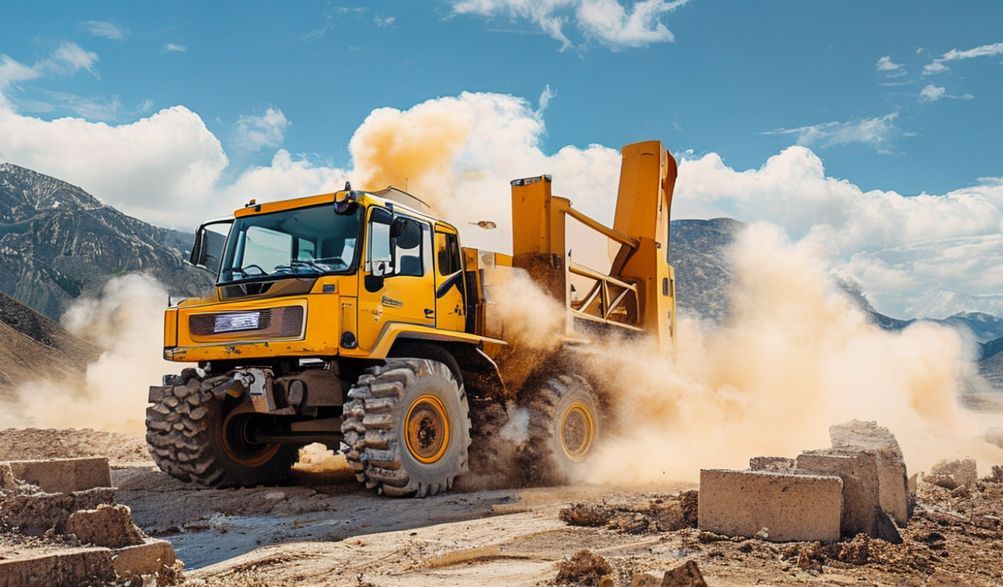
Le Guide Complet des Machines à Blocs Diesel aux États-Unis (2026)
Introduction
L'industrie américaine de la construction bâtit l'avenir, mais elle est confrontée à un défi fondamental : l'approvisionnement en matériaux fiables et économiques. Avec plus de 2,1 billions de dollars de dépenses annuelles en construction et une flambée des projets d'infrastructure et de développement en zones éloignées, la demande de solutions adaptables et sur site n'a jamais été aussi forte. Pour les entrepreneurs, les constructeurs et les chefs d'entreprise, le casse-tête logistique que représente le transport de blocs de béton préfabriqués vers des chantiers éloignés, ou la gestion d'une alimentation électrique peu fiable, peut paralyser les délais et exploser les budgets.
Voici la machine à blocs diesel – une véritable force d’indépendance et d’efficacité. Pour les professionnels américains qui entreprennent des projets là où le réseau électrique s’arrête mais où le travail commence, cette machine n’est pas qu’un simple équipement ; c’est un avantage stratégique. S’appuyant sur des décennies d’expérience dans le secteur des machines de construction lourde, ce guide fait le tri pour offrir un aperçu détaillé et fiable deMachines à blocs diesel aux États-Unis.
Ce guide complet démystifiera le fonctionnement de ces machines robustes, détaillera leurs avantages inégalés pour les projets américains, exposera les facteurs cruciaux pour choisir le bon modèle, et fournira une feuille de route claire pour naviguer dans le paysage des fournisseurs aux États-Unis, garantissant ainsi un investissement réussi et rentable.
Qu'est-ce qu'une machine à fabriquer des blocs diesel ?
Fondamentalement, une machine à blocs diesel est une usine mobile de produits en béton. Elle transforme les matières premières – un mélange de béton – en blocs, briques ou pavés précis et de haute densité, directement sur le chantier. Contrairement à ses homologues électriques, elle possède sa propre source d'énergie, ce qui en fait l'outil ultime pour un fonctionnement autonome, où que ce soit.
Fonction et fonctionnement principaux
Le processus est une merveille de simplicité mécanique et de force :
1. Un mélange de béton est chargé dans la trémie de la machine.
2. Le moteur diesel démarre, entraînant à la fois un système hydraulique et une table vibrante.
Le mélange est introduit dans un moule interchangeable.
4. Vibrationcompacte le béton, éliminant les poches d'air pour une résistance maximale.
5. Pression hydraulique(souvent dépassant 2 000 psi) est appliquée pour former une unité solide et dimensionnellement précise.
6. Le bloc fraîchement formé est éjecté sur une palette pour durcir.
Le principal facteur distinctif par rapport aux modèles électriques est l'indépendance énergétique. Alors que les machines électriques nécessitent une connexion électrique stable et de haute capacité, une machine diesel ne requiert que du carburant et une surface plane.
Composants clés et leur fonctionnement en synergie
Comprendre les principaux composants vous aide à évaluer la qualité et les performances :
- Moteur Diesel :Le cœur de la machine. Commun dans la gamme de 20 à 50 CV pour la plupart des machines mobiles à blocs, il fournit une puissance mécanique directe. Recherchez des marques réputées commeCummins, Deutz ou YanmarPour la fiabilité et la maintenabilité.
- Système Hydraulique :Le muscle. Il convertit la puissance du moteur en l'immense pression contrôlée nécessaire pour former des blocs denses et solides. Un système robuste et étanche est essentiel pour une production régulière.
- Système de Vibration :La clé de la qualité. Les vibrations haute fréquence consolident le mélange de béton, garantissant une finition lisse et l'intégrité structurelle. Les systèmes peuvent être montés sur la table ou à l'intérieur de la tête de moule.
- Chambre de Moule/BlocLa caractéristique déterminante. Des moules interchangeables permettent à une seule machine de produire une variété de produits, allant des blocs creux standards de 8x8x16 pouces aux pavés décoratifs et aux bordures paysagères.
- Panneau de configuration :Le cerveau. Un panneau intuitif et bien conçu permet à l'opérateur de contrôler le cycle, le temps de vibration et la pression, garantissant ainsi des résultats reproductibles.
Principaux avantages de l'utilisation d'une machine à moteur diesel aux États-Unis
Choisir une machine à blocs fonctionnant au diesel est une décision stratégique qui répond à des défis et opportunités spécifiques au sein du vaste marché américain.
Mobilité Inégalée et Indépendance de Site
C'est l'avantage suprême. L'Amérique compte d'innombrables chantiers de construction dans les zones rurales, de nouveaux lotissements et des projets d'infrastructure éloignés où le triphasé relève encore du rêve futur, et non d'une réalité actuelle.
* Indépendance totale vis-à-vis du réseau électrique :Opérez n'importe où—d'un projet d'autoroute en montagne à une nouvelle installation agricole dans les plaines.
* Easy Redeployment: Mounted on a trailer, the entire production line can be towed between job sites, maximizing asset utilization.
High Torque and Consistent Power Output
Diesel engines excel under constant, heavy loads.
* Reliable High-Volume Production: They deliver consistent power for 8-12 hour shifts without the risk of overheating or power drops associated with under-capacity generators or weak grid connections.
* Stable Performance: Output quality remains constant, unaffected by the voltage fluctuations that can plague remote electrical supplies.
Durability and Lower Long-Term Operational Costs
Built for tough environments, diesel engines are renowned for their longevity.
* Rugged Construction: They withstand dust, temperature extremes, and the vibrations of a worksite better than many electric motor setups.
* Fuel Efficiency: Diesel is a denser fuel, and these engines are typically more efficient under load than the combined cost of running equivalent electric machinery off a diesel generator. This translates to a lower cost per block over the machine’s lifespan.
Ideal for American Construction Scales
The versatility of diesel block machines aligns perfectly with the diverse US construction ecosystem.
* Large-Scale Projects: For developers building subdivisions or commercial complexes, on-site production slashes material transport costs and provides just-in-time inventory.
* Specialized Contractors: For masonry contractors, landscapers, or entrepreneurs starting a block supply business, it enables control over product type, schedule, and profit margins.
Critical Factors When Choosing a Diesel Block Machine for the US Market
Not all machines are created equal. Selecting the right one requires careful evaluation of your needs against these crucial factors.
Capacité de production (blocs par heure)
Capacity should match your project scale and business model.
* Low-Output (< 500 blocks/shift): Ideal for very small, specialized projects or intermittent use.
* Mid-Output (800 – 2,000 blocks/shift): The sweet spot for most growing contractors and small-to-medium block manufacturers. A reliable machine here can produce the blocks for several houses per week.
* High-Output (3,000+ blocks/shift): For large commercial operations and suppliers feeding multiple job sites. These are larger, more substantial investments.
Always assess “real-world” output, not just optimistic theoretical numbers.
Types de blocs et polyvalence des moules
Your potential product line dictates your revenue potential. Ensure the machine supports interchangeable molds for:
* Standard Hollow & Solid Blocks (foundation, construction)
* Decorative Pavers & Retaining Wall Units
* Curbstones & Landscape Edging
* Special Shapes (e.g., chimney blocks)
Question critique : How available and affordable are additional molds from the supplier?
Machine Build Quality and Durability Features
This is where you inspect the fundamentals. Look for:
* Châssis en acier robuste. The chassis must resist the immense forces of operation without warping.
* Reputable Diesel Engine: A known brand ensures parts and service expertise are available.
* Corrosion-Resistant Components: Especially important in coastal or humid regions.
* Normes de sécurité : The machine should be designed and built to comply with relevant US safety standards (e.g., OSHA guidelines for machine guarding).
After-Sales Support and Parts Availability in the USA
This is the single most important factor in your buying decision. A machine is a long-term asset; its value is protected by support.
* Local Service Technicians: Does the supplier have trained technicians in the US, or will you wait weeks for an international flight?
* Parts Inventory: Are common wear parts—hydraulic seals, vibration motors, mold liners—stocked in a US warehouse for next-day shipping?
* Warranty Terms: Is it a comprehensive, clearly written warranty backed by a US entity? A 1-2 year warranty on the machine and engine is standard for quality equipment.
Navigating the US Supplier Landscape: Import vs. Domestic Support
The market is a mix of international manufacturers and domestic distributors. Understanding this dynamic is key to a secure purchase.
Understanding the Supply Chain
Most diesel block machines are manufactured overseas in regions with strong heavy industry. However, the critical differentiator for a US buyer is not the country of origin, but the country of support.
The Importance of a US-Based Partner
A supplier with a genuine physical presence in the United States is non-negotiable for several reasons:
* Demonstrations & Inspections: You can see, touch, and often test the machine before buying.
* Fast Service Response: Breakdowns cost money. Local support means faster diagnostics and repair.
* Parts Logistics: Avoid customs delays for critical spare parts.
* Financial and Legal Recourse: You have clear jurisdiction and accountability.
Be wary of “ghost” suppliers: companies with only a PO Box, a foreign phone number, and glossy brochures.
Vetting a Reputable Supplier (Checklist)
Before you commit, verify:
– [ ] Physical US Address: A verifiable warehouse or office location.
– [ ] Company History & References: How long have they operated in the US? Can they provide contact info for past customers?
– [ ] Demo Availability: Can you visit for a live demonstration?
– [ ] Clear Warranty & Service Agreement: Documents that explicitly state coverage, response times, and exclusions.
– [ ] US Parts Inventory: Proof of a stocked parts warehouse for common components.
Cost Analysis and ROI of a Diesel Block Making Machine
This investment is about long-term value, not just upfront cost.
Upfront Investment vs. Long-Term Savings
While prices vary widely based on capacity and features, a quality mid-range diesel block making machine represents a significant capital investment. However, compare this to:
* The ongoing, variable cost of purchasing and transporting pre-made blocks, which includes fuel, trucking, and handling.
* Leprofit margin you capture by producing blocks yourself.
* The competitive advantage of having blocks available on-demand, preventing project delays.
Key Operational Cost Factors
Your ongoing costs will include:
* Diesel Fuel: A efficient machine might use 1-2 gallons per hour under load.
* Matériaux bruts : Cost of cement, aggregate, and sand—which you can often source locally.
* Travail : One or two operators to run the machine and handle materials.
* Maintenance: Regular servicing of the engine, hydraulics, and vibration system.
Calculating Your Potential Return
Use this simplified framework:
1. Calculate Your Cost Per Block: (Hourly Fuel + Material + Labor + Maintenance Cost) / Blocks Produced Per Hour.
2. Determine Local Market Price: What is the wholesale or retail price of the block type you’ll produce?
3. Analyze Project Volume: How many blocks will your upcoming projects or annual business require?
4. Project Savings/Profit: (Market Price – Your Cost) x Total Project Volume = Gross Savings/Profit.
The ROI period can often be measured in a single large project or the first year of operation for a dedicated block yard.
Frequently Asked Questions (FAQ)
Q1: What is the average production output of a mid-size diesel block machine?
A: A reliable mid-size machine typically produces 800 to 1,500 standard 8-inch hollow blocks in an 8-hour shift. Output depends heavily on block type, operator efficiency, and the specific machine cycle time.
Q2: Can I get training on how to operate and maintain the machine?
A: Absolutely. A reputable US supplier should provide comprehensive training. This usually includes onsite training during installation and commissioning, covering operation, routine maintenance, and basic troubleshooting. Many also provide detailed video manuals.
Q3: Are there any EPA regulations for diesel engines on these machines in the USA?
A: Yes. All new non-road diesel engines sold in the United States, including those on block machines, must comply with the EPA’s Tier 4 Final emissions standards. A legitimate supplier will provide documentation of compliance. This is a critical question to verify legality and environmental responsibility.
Q4: How do I source parts, and what is the typical warranty?
A: Your supplier should be your primary parts source, with a stocked US inventory for critical components. A standard warranty for a quality machine is 12-24 months on the machine frame and core systems, with the diesel engine often covered by its own manufacturer’s warranty (e.g., 2 years/unlimited hours). Always get warranty terms in writing.
Q5: Is a diesel machine better than an electric model for my business?
A: It depends entirely on your working conditions. Choose a diesel block making machine if your sites are remote, lack stable power, or you need high mobility. Choose an electric model if you have a fixed, powered facility (like a permanent block yard) with access to affordable industrial electricity and do not require mobility.
Conclusion
For the American contractor or entrepreneur building beyond the grid, a diesel block making machine is more than a piece of equipment—it’s a declaration of independence. It provides the power, mobility, and durability to control your material supply, reduce project costs, and tackle opportunities wherever they arise.
Your success, however, hinges on a partnership, not just a purchase. The true value of your investment is inextricably linked to the quality and responsiveness of your supplier’s US-based support network. Prioritize the supplier with the local presence, proven track record, and parts inventory that will keep your business producing for years to come.
Ready to take the next step with confidence? Schedule a consultation with our US-based equipment specialists. We’ll help you evaluate your specific project needs, provide transparent machine demonstrations, and detail our comprehensive stateside support program—ensuring your investment builds a stronger foundation for your business.
Take control of your supply chain. Build with power. Build anywhere.
<