
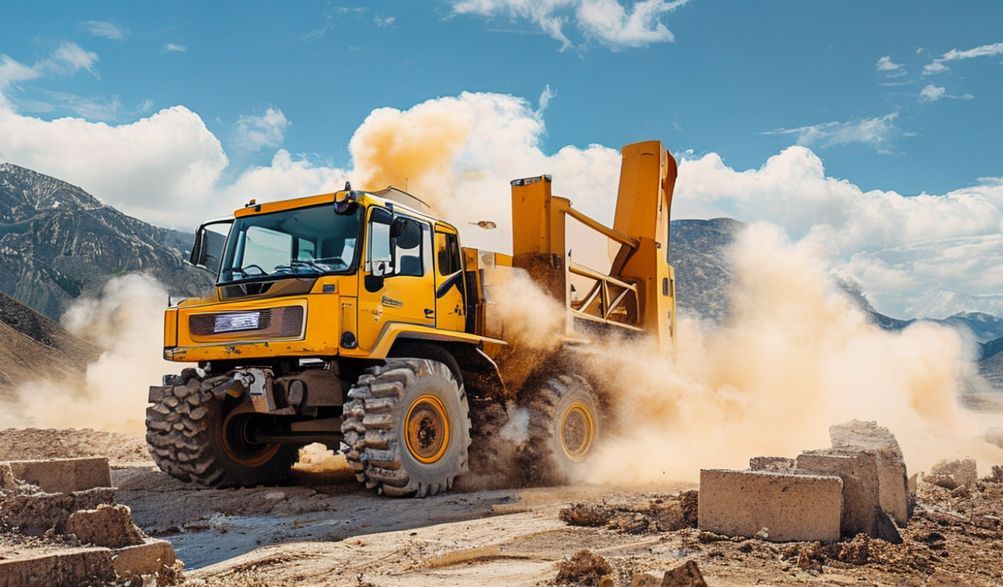
Полное руководство по дизельным станкам для производства блоков в США (2026)
Введение
Американская строительная отрасль строит будущее, но сталкивается с фундаментальной проблемой: надежными и экономически эффективными поставками материалов. При ежегодных затратах на строительство свыше 2,1 триллиона долларов и всплеске инфраструктурных проектов, а также проектов в удаленных районах, потребность в адаптируемых решениях, реализуемых непосредственно на месте, как никогда высока. Для подрядчиков, строителей и предпринимателей логистические сложности, связанные с транспортировкой сборных бетонных блоков на отдаленные объекты или с ненадежным энергоснабжением, могут сорвать сроки и превысить бюджеты.
Вот он — дизельный станок для производства блоков — воплощение независимости и эффективности. Для американских специалистов, работающих над проектами там, где заканчиваются электросети, но начинается работа, эта машина — не просто оборудование, а стратегическое преимущество. Опираясь на многолетний опыт в области тяжелого строительного оборудования, это руководство отделяет зерна от плевел, предлагая достоверный и детальный обзорДизельные машины для производства блоков в США.
Это подробное руководство раскроет принципы работы этих мощных машин, детально опишет их неоспоримые преимущества для американских проектов, обозначит ключевые факторы выбора подходящей модели и предоставит четкий план по ориентированию в ландшафте поставщиков США, чтобы гарантировать успешные и прибыльные инвестиции.
Что такое машина для производства дизельных блоков?
По своей сути, дизельный станок для производства блоков — это мобильная фабрика бетонных изделий. Он превращает сырьё — бетонную смесь — в точные, высокоплотные блоки, кирпичи или тротуарную плитку прямо на стройплощадке. В отличие от электрических аналогов, он несёт в себе собственный источник питания, что делает его идеальным инструментом для автономной работы в любом месте.
Основная функция и работа
Этот процесс представляет собой чудо механической простоты и мощи:
1. Бетонная смесь загружается в бункер машины.
Дизельный двигатель запускается, приводя в действие как гидравлическую систему, так и вибрационный стол.
Смесь заливается в сменную форму.
4. ВибрацияУплотняет бетон, удаляя воздушные пустоты для максимальной прочности.
5. Гидравлическое давление(часто превышающее 2000 фунтов на квадратный дюйм) применяется для формирования твердой, размерно точной единицы.
6. Свежесформированный блок выгружается на поддон для отверждения.
Ключевым отличием от электрических моделей является энергонезависимость. В то время как электрическим машинам требуется стабильное подключение к сети высокой мощности, дизельной машине нужны лишь топливо и ровная площадка.
Ключевые компоненты и их взаимодействие
Понимание основных компонентов помогает оценить качество и производительность:
- Дизельный двигатель:Сердце машины. Обычно в диапазоне 20-50 л.с. для большинства мобильных блочных машин, оно обеспечивает прямую механическую мощность. Ищите авторитетные бренды, такие какКамминз, Дойц или ЯнарДля надежности и удобства обслуживания.
- Гидравлическая система:Мышца. Она преобразует мощность двигателя в огромное контролируемое давление, необходимое для формирования плотных, прочных блоков. Надежная, герметичная система критически важна для стабильного производства.
- Вибросистема:Ключ к качеству. Высокочастотные вибрации уплотняют бетонную смесь, обеспечивая гладкую поверхность и структурную целостность. Системы могут быть установлены на столе или внутри формовочной головки.
- Формовочная/Блочная камера:Отличительная особенность. Сменные формы позволяют одному оборудованию производить разнообразную продукцию — от стандартных пустотелых блоков размером 8x8x16 дюймов до декоративной тротуарной плитки и бордюров для ландшафтного дизайна.
- Панель управления:Мозг. Хорошо продуманная, интуитивно понятная панель позволяет оператору контролировать цикл, время вибрации и давление, обеспечивая воспроизводимость результатов.
Основные преимущества использования дизельных машин в США
Выбор дизельного станка для производства блоков — это стратегическое решение, которое учитывает конкретные вызовы и возможности на обширном рынке США.
Непревзойденная мобильность и независимость от местоположения
Это главное преимущество. В США бесчисленное количество строительных площадок в сельской местности, новых жилых районах и удаленных инфраструктурных проектах, где трехфазное электроснабжение — это мечта о будущем, а не текущая реальность.
* Полная независимость от энергосетей.Работайте где угодно — от проекта горной автомагистрали до нового сельскохозяйственного объекта на равнинах.
* Easy Redeployment: Mounted on a trailer, the entire production line can be towed between job sites, maximizing asset utilization.
High Torque and Consistent Power Output
Diesel engines excel under constant, heavy loads.
* Reliable High-Volume Production: They deliver consistent power for 8-12 hour shifts without the risk of overheating or power drops associated with under-capacity generators or weak grid connections.
* Stable Performance: Output quality remains constant, unaffected by the voltage fluctuations that can plague remote electrical supplies.
Durability and Lower Long-Term Operational Costs
Built for tough environments, diesel engines are renowned for their longevity.
* Rugged Construction: They withstand dust, temperature extremes, and the vibrations of a worksite better than many electric motor setups.
* Fuel Efficiency: Diesel is a denser fuel, and these engines are typically more efficient under load than the combined cost of running equivalent electric machinery off a diesel generator. This translates to a lower cost per block over the machine’s lifespan.
Ideal for American Construction Scales
The versatility of diesel block machines aligns perfectly with the diverse US construction ecosystem.
* Large-Scale Projects: For developers building subdivisions or commercial complexes, on-site production slashes material transport costs and provides just-in-time inventory.
* Specialized Contractors: For masonry contractors, landscapers, or entrepreneurs starting a block supply business, it enables control over product type, schedule, and profit margins.
Critical Factors When Choosing a Diesel Block Machine for the US Market
Not all machines are created equal. Selecting the right one requires careful evaluation of your needs against these crucial factors.
Производственная мощность (блоков в час)
Capacity should match your project scale and business model.
* Low-Output (< 500 blocks/shift): Ideal for very small, specialized projects or intermittent use.
* Mid-Output (800 – 2,000 blocks/shift): The sweet spot for most growing contractors and small-to-medium block manufacturers. A reliable machine here can produce the blocks for several houses per week.
* High-Output (3,000+ blocks/shift): For large commercial operations and suppliers feeding multiple job sites. These are larger, more substantial investments.
Always assess “real-world” output, not just optimistic theoretical numbers.
Типы блоков и универсальность форм
Your potential product line dictates your revenue potential. Ensure the machine supports interchangeable molds for:
* Standard Hollow & Solid Blocks (foundation, construction)
* Decorative Pavers & Retaining Wall Units
* Curbstones & Landscape Edging
* Special Shapes (e.g., chimney blocks)
Критический вопрос: How available and affordable are additional molds from the supplier?
Machine Build Quality and Durability Features
This is where you inspect the fundamentals. Look for:
* Прочная стальная рама: The chassis must resist the immense forces of operation without warping.
* Reputable Diesel Engine: A known brand ensures parts and service expertise are available.
* Corrosion-Resistant Components: Especially important in coastal or humid regions.
* Safety Standards: The machine should be designed and built to comply with relevant US safety standards (e.g., OSHA guidelines for machine guarding).
After-Sales Support and Parts Availability in the USA
This is the single most important factor in your buying decision. A machine is a long-term asset; its value is protected by support.
* Local Service Technicians: Does the supplier have trained technicians in the US, or will you wait weeks for an international flight?
* Parts Inventory: Are common wear parts—hydraulic seals, vibration motors, mold liners—stocked in a US warehouse for next-day shipping?
* Warranty Terms: Is it a comprehensive, clearly written warranty backed by a US entity? A 1-2 year warranty on the machine and engine is standard for quality equipment.
Navigating the US Supplier Landscape: Import vs. Domestic Support
The market is a mix of international manufacturers and domestic distributors. Understanding this dynamic is key to a secure purchase.
Understanding the Supply Chain
Most diesel block machines are manufactured overseas in regions with strong heavy industry. However, the critical differentiator for a US buyer is not the country of origin, but the country of support.
The Importance of a US-Based Partner
A supplier with a genuine physical presence in the United States is non-negotiable for several reasons:
* Demonstrations & Inspections: You can see, touch, and often test the machine before buying.
* Fast Service Response: Breakdowns cost money. Local support means faster diagnostics and repair.
* Parts Logistics: Avoid customs delays for critical spare parts.
* Financial and Legal Recourse: You have clear jurisdiction and accountability.
Be wary of “ghost” suppliers: companies with only a PO Box, a foreign phone number, and glossy brochures.
Vetting a Reputable Supplier (Checklist)
Before you commit, verify:
– [ ] Physical US Address: A verifiable warehouse or office location.
– [ ] Company History & References: How long have they operated in the US? Can they provide contact info for past customers?
– [ ] Demo Availability: Can you visit for a live demonstration?
– [ ] Clear Warranty & Service Agreement: Documents that explicitly state coverage, response times, and exclusions.
– [ ] US Parts Inventory: Proof of a stocked parts warehouse for common components.
Cost Analysis and ROI of a Diesel Block Making Machine
This investment is about long-term value, not just upfront cost.
Upfront Investment vs. Long-Term Savings
While prices vary widely based on capacity and features, a quality mid-range diesel block making machine represents a significant capital investment. However, compare this to:
* The ongoing, variable cost of purchasing and transporting pre-made blocks, which includes fuel, trucking, and handling.
* Theprofit margin you capture by producing blocks yourself.
* The competitive advantage of having blocks available on-demand, preventing project delays.
Key Operational Cost Factors
Your ongoing costs will include:
* Diesel Fuel: A efficient machine might use 1-2 gallons per hour under load.
* Сырье: Cost of cement, aggregate, and sand—which you can often source locally.
* Труд: One or two operators to run the machine and handle materials.
* Maintenance: Regular servicing of the engine, hydraulics, and vibration system.
Calculating Your Potential Return
Use this simplified framework:
1. Calculate Your Cost Per Block: (Hourly Fuel + Material + Labor + Maintenance Cost) / Blocks Produced Per Hour.
2. Determine Local Market Price: What is the wholesale or retail price of the block type you’ll produce?
3. Analyze Project Volume: How many blocks will your upcoming projects or annual business require?
4. Project Savings/Profit: (Market Price – Your Cost) x Total Project Volume = Gross Savings/Profit.
The ROI period can often be measured in a single large project or the first year of operation for a dedicated block yard.
Frequently Asked Questions (FAQ)
Q1: What is the average production output of a mid-size diesel block machine?
А: A reliable mid-size machine typically produces 800 to 1,500 standard 8-inch hollow blocks in an 8-hour shift. Output depends heavily on block type, operator efficiency, and the specific machine cycle time.
Q2: Can I get training on how to operate and maintain the machine?
А: Absolutely. A reputable US supplier should provide comprehensive training. This usually includes onsite training during installation and commissioning, covering operation, routine maintenance, and basic troubleshooting. Many also provide detailed video manuals.
Q3: Are there any EPA regulations for diesel engines on these machines in the USA?
А: Yes. All new non-road diesel engines sold in the United States, including those on block machines, must comply with the EPA’s Tier 4 Final emissions standards. A legitimate supplier will provide documentation of compliance. This is a critical question to verify legality and environmental responsibility.
Q4: How do I source parts, and what is the typical warranty?
А: Your supplier should be your primary parts source, with a stocked US inventory for critical components. A standard warranty for a quality machine is 12-24 months on the machine frame and core systems, with the diesel engine often covered by its own manufacturer’s warranty (e.g., 2 years/unlimited hours). Always get warranty terms in writing.
Q5: Is a diesel machine better than an electric model for my business?
А: It depends entirely on your working conditions. Choose a diesel block making machine if your sites are remote, lack stable power, or you need high mobility. Choose an electric model if you have a fixed, powered facility (like a permanent block yard) with access to affordable industrial electricity and do not require mobility.
Заключение
For the American contractor or entrepreneur building beyond the grid, a diesel block making machine is more than a piece of equipment—it’s a declaration of independence. It provides the power, mobility, and durability to control your material supply, reduce project costs, and tackle opportunities wherever they arise.
Your success, however, hinges on a partnership, not just a purchase. The true value of your investment is inextricably linked to the quality and responsiveness of your supplier’s US-based support network. Prioritize the supplier with the local presence, proven track record, and parts inventory that will keep your business producing for years to come.
Ready to take the next step with confidence? Schedule a consultation with our US-based equipment specialists. We’ll help you evaluate your specific project needs, provide transparent machine demonstrations, and detail our comprehensive stateside support program—ensuring your investment builds a stronger foundation for your business.
Take control of your supply chain. Build with power. Build anywhere.
<