
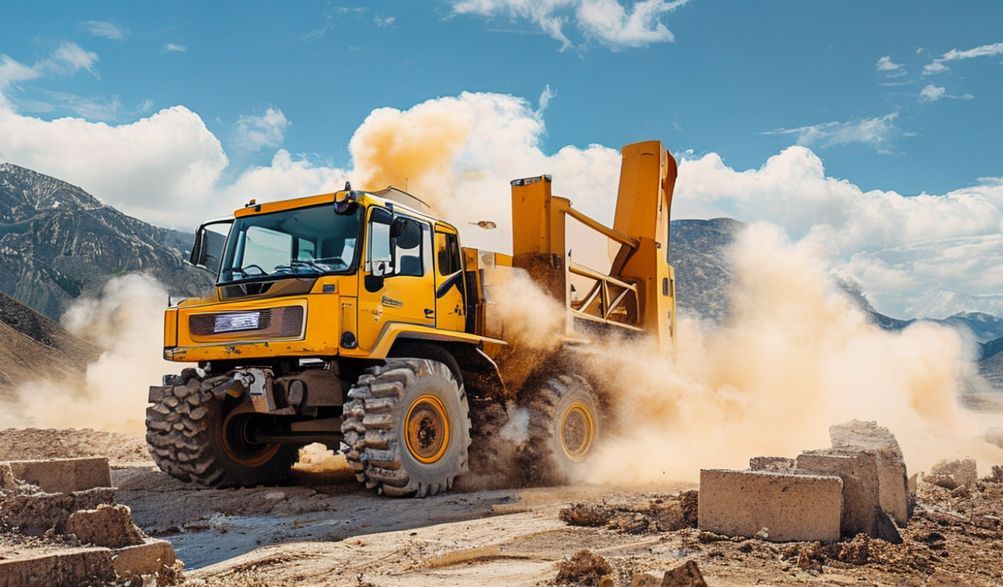
Hướng Dẫn Toàn Diện Về Máy Làm Gạch Diesel Tại Hoa Kỳ (2026)
Giới thiệu
Ngành xây dựng Mỹ đang kiến tạo tương lai, nhưng phải đối mặt với một thách thức nền tảng: nguồn cung vật liệu đáng tin cậy và tiết kiệm chi phí. Với hơn 2,1 nghìn tỷ USD chi tiêu xây dựng hàng năm cùng sự bùng nổ của các dự án hạ tầng và phát triển vùng sâu vùng xa, nhu cầu về các giải pháp linh hoạt, áp dụng tại chỗ chưa bao giờ cao hơn. Đối với các nhà thầu, nhà xây dựng và doanh nhân, nỗi đau đầu hậu cần khi vận chuyển khối bê tông đúc sẵn đến công trường xa xôi hay đối phó với nguồn điện không ổn định có thể làm đứt gãy tiến độ và bóp méo ngân sách.
Hãy đến với máy đúc gạch chạy dầu diesel—một cỗ máy mạnh mẽ của sự tự chủ và hiệu suất. Đối với các chuyên gia Mỹ đang thực hiện các dự án ở nơi mạng lưới điện kết thúc nhưng công việc vẫn phải bắt đầu, chiếc máy này không chỉ là thiết bị; đó là một lợi thế chiến lược. Dựa trên nhiều thập kỷ kinh nghiệm ngành trong lĩnh vực máy móc xây dựng hạng nặng, hướng dẫn này loại bỏ mọi yếu tố gây nhiễu để mang đến cái nhìn chi tiết, đáng tin cậy vềmáy làm khối diesel ở Mỹ.
Hướng dẫn toàn diện này sẽ giải mã cách thức hoạt động của những cỗ máy mạnh mẽ này, chi tiết hóa những lợi ích vô song của chúng cho các dự án tại Mỹ, phác thảo các yếu tố then chốt khi lựa chọn mẫu máy phù hợp, và cung cấp một lộ trình rõ ràng để định hướng trong thị trường nhà cung cấp Hoa Kỳ, nhằm đảm bảo một khoản đầu tư thành công và sinh lời.
Máy Đúc Khối Diesel là gì?
Về bản chất, máy đóng gạch diesel là một nhà máy di động sản xuất sản phẩm bê tông. Nó biến nguyên liệu thô - hỗn hợp bê tông - thành các khối, gạch hoặc đá lát có độ chính xác cao và mật độ dày ngay tại công trường. Khác với các máy chạy điện, nó tự trang bị nguồn năng lượng riêng, biến nó thành công cụ tối ưu cho vận hành độc lập ở bất kỳ đâu.
Chức năng và Hoạt động Cốt lõi
Quá trình này là một kỳ quan về sự đơn giản cơ học và lực tác động:
1. Hỗn hợp bê tông được đổ vào phễu của máy.
2. Động cơ diesel khởi động, vận hành đồng thời một hệ thống thủy lực và một bàn rung.
Hỗn hợp được đưa vào khuôn có thể thay thế.
4. Rung độngNén chặt bê tông, loại bỏ các lỗ rỗng khí để đạt cường độ tối đa.
5. Áp suất thủy lực(thường vượt quá 2.000 psi) được áp dụng để tạo thành một đơn vị rắn chắc, có kích thước chính xác.
6. Khối mới tạo thành được đẩy ra pallet để đông cứng.
Điểm khác biệt chính so với các mẫu máy điện là khả năng độc lập về năng lượng. Trong khi máy điện đòi hỏi kết nối nguồn điện ổn định và công suất cao, thì máy chạy dầu chỉ cần nhiên liệu và một mặt bằng bằng phẳng.
Các Thành Phần Chính và Cách Chúng Hoạt Động Cùng Nhau
Hiểu rõ các thành phần chính giúp bạn đánh giá chất lượng và hiệu suất:
- Động cơ Diesel:Trái tim của cỗ máy. Thường phổ biến trong dải công suất 20-50 HP cho hầu hết các máy đúc gạch di động, nó cung cấp nguồn năng lượng cơ học trực tiếp. Hãy tìm kiếm các thương hiệu uy tín nhưCummins, Deutz, hay Yanmarcho độ tin cậy và khả năng bảo trì.
- Hệ thống thủy lực:Cơ bắp. Nó chuyển đổi sức mạnh của động cơ thành áp lực khổng lồ, được kiểm soát cần thiết để tạo ra những khối đặc chắc, bền vững. Một hệ thống mạnh mẽ, không rò rỉ là yếu tố then chốt cho sản lượng ổn định.
- Hệ thống Rung The key to quality. High-frequency vibrations consolidate the concrete mix, ensuring a smooth finish and structural integrity. Systems can be mounted on the table or within the mold head.
- Mold/Block Chamber: The defining feature. Interchangeable molds allow one machine to produce a variety of products—from standard 8x8x16-inch hollow blocks to decorative pavers and landscaping curbs.
- Bảng điều khiển: The brain. A well-designed, intuitive panel allows the operator to control the cycle, vibration time, and pressure, ensuring repeatable results.
Top Advantages of Using a Diesel-Powered Machine in the USA
Choosing a diesel-powered block maker is a strategic decision that addresses specific challenges and opportunities within the vast US market.
Unmatched Mobility and Site Independence
This is the paramount advantage. America has countless construction sites in rural areas, new subdivisions, and remote infrastructure projects where three-phase power is a future dream, not a current reality.
* Zero Grid Dependency: Operate anywhere—from a mountain highway project to a new agricultural facility in the plains.
* Easy Redeployment: Mounted on a trailer, the entire production line can be towed between job sites, maximizing asset utilization.
High Torque and Consistent Power Output
Diesel engines excel under constant, heavy loads.
* Reliable High-Volume Production: They deliver consistent power for 8-12 hour shifts without the risk of overheating or power drops associated with under-capacity generators or weak grid connections.
* Stable Performance: Output quality remains constant, unaffected by the voltage fluctuations that can plague remote electrical supplies.
Durability and Lower Long-Term Operational Costs
Built for tough environments, diesel engines are renowned for their longevity.
* Rugged Construction: They withstand dust, temperature extremes, and the vibrations of a worksite better than many electric motor setups.
* Fuel Efficiency: Diesel is a denser fuel, and these engines are typically more efficient under load than the combined cost of running equivalent electric machinery off a diesel generator. This translates to a lower cost per block over the machine’s lifespan.
Ideal for American Construction Scales
The versatility of diesel block machines aligns perfectly with the diverse US construction ecosystem.
* Large-Scale Projects: For developers building subdivisions or commercial complexes, on-site production slashes material transport costs and provides just-in-time inventory.
* Specialized Contractors: For masonry contractors, landscapers, or entrepreneurs starting a block supply business, it enables control over product type, schedule, and profit margins.
Critical Factors When Choosing a Diesel Block Machine for the US Market
Not all machines are created equal. Selecting the right one requires careful evaluation of your needs against these crucial factors.
Công Suất Sản Xuất (Khối Mỗi Giờ)
Capacity should match your project scale and business model.
* Low-Output (< 500 blocks/shift): Ideal for very small, specialized projects or intermittent use.
* Mid-Output (800 – 2,000 blocks/shift): The sweet spot for most growing contractors and small-to-medium block manufacturers. A reliable machine here can produce the blocks for several houses per week.
* High-Output (3,000+ blocks/shift): For large commercial operations and suppliers feeding multiple job sites. These are larger, more substantial investments.
Always assess “real-world” output, not just optimistic theoretical numbers.
Các Loại Khối và Tính Linh Hoạt của Khuôn
Your potential product line dictates your revenue potential. Ensure the machine supports interchangeable molds for:
* Standard Hollow & Solid Blocks (foundation, construction)
* Decorative Pavers & Retaining Wall Units
* Curbstones & Landscape Edging
* Special Shapes (e.g., chimney blocks)
Câu Hỏi Quan Trọng: How available and affordable are additional molds from the supplier?
Machine Build Quality and Durability Features
This is where you inspect the fundamentals. Look for:
* Khung Thép Chịu Lực Nặng: The chassis must resist the immense forces of operation without warping.
* Reputable Diesel Engine: A known brand ensures parts and service expertise are available.
* Corrosion-Resistant Components: Especially important in coastal or humid regions.
* Safety Standards: The machine should be designed and built to comply with relevant US safety standards (e.g., OSHA guidelines for machine guarding).
After-Sales Support and Parts Availability in the USA
This is the single most important factor in your buying decision. A machine is a long-term asset; its value is protected by support.
* Local Service Technicians: Does the supplier have trained technicians in the US, or will you wait weeks for an international flight?
* Parts Inventory: Are common wear parts—hydraulic seals, vibration motors, mold liners—stocked in a US warehouse for next-day shipping?
* Warranty Terms: Is it a comprehensive, clearly written warranty backed by a US entity? A 1-2 year warranty on the machine and engine is standard for quality equipment.
Navigating the US Supplier Landscape: Import vs. Domestic Support
The market is a mix of international manufacturers and domestic distributors. Understanding this dynamic is key to a secure purchase.
Understanding the Supply Chain
Most diesel block machines are manufactured overseas in regions with strong heavy industry. However, the critical differentiator for a US buyer is not the country of origin, but the country of support.
The Importance of a US-Based Partner
A supplier with a genuine physical presence in the United States is non-negotiable for several reasons:
* Demonstrations & Inspections: You can see, touch, and often test the machine before buying.
* Fast Service Response: Breakdowns cost money. Local support means faster diagnostics and repair.
* Parts Logistics: Avoid customs delays for critical spare parts.
* Financial and Legal Recourse: You have clear jurisdiction and accountability.
Be wary of “ghost” suppliers: companies with only a PO Box, a foreign phone number, and glossy brochures.
Vetting a Reputable Supplier (Checklist)
Before you commit, verify:
– [ ] Physical US Address: A verifiable warehouse or office location.
– [ ] Company History & References: How long have they operated in the US? Can they provide contact info for past customers?
– [ ] Demo Availability: Can you visit for a live demonstration?
– [ ] Clear Warranty & Service Agreement: Documents that explicitly state coverage, response times, and exclusions.
– [ ] US Parts Inventory: Proof of a stocked parts warehouse for common components.
Cost Analysis and ROI of a Diesel Block Making Machine
This investment is about long-term value, not just upfront cost.
Upfront Investment vs. Long-Term Savings
While prices vary widely based on capacity and features, a quality mid-range diesel block making machine represents a significant capital investment. However, compare this to:
* The ongoing, variable cost of purchasing and transporting pre-made blocks, which includes fuel, trucking, and handling.
* Cácprofit margin you capture by producing blocks yourself.
* The competitive advantage of having blocks available on-demand, preventing project delays.
Key Operational Cost Factors
Your ongoing costs will include:
* Diesel Fuel: A efficient machine might use 1-2 gallons per hour under load.
* Nguyên liệu thô: Cost of cement, aggregate, and sand—which you can often source locally.
* Lao động One or two operators to run the machine and handle materials.
* Maintenance: Regular servicing of the engine, hydraulics, and vibration system.
Calculating Your Potential Return
Use this simplified framework:
1. Calculate Your Cost Per Block: (Hourly Fuel + Material + Labor + Maintenance Cost) / Blocks Produced Per Hour.
2. Determine Local Market Price: What is the wholesale or retail price of the block type you’ll produce?
3. Analyze Project Volume: How many blocks will your upcoming projects or annual business require?
4. Project Savings/Profit: (Market Price – Your Cost) x Total Project Volume = Gross Savings/Profit.
The ROI period can often be measured in a single large project or the first year of operation for a dedicated block yard.
Frequently Asked Questions (FAQ)
Q1: What is the average production output of a mid-size diesel block machine?
A: A reliable mid-size machine typically produces 800 to 1,500 standard 8-inch hollow blocks in an 8-hour shift. Output depends heavily on block type, operator efficiency, and the specific machine cycle time.
Q2: Can I get training on how to operate and maintain the machine?
A: Absolutely. A reputable US supplier should provide comprehensive training. This usually includes onsite training during installation and commissioning, covering operation, routine maintenance, and basic troubleshooting. Many also provide detailed video manuals.
Q3: Are there any EPA regulations for diesel engines on these machines in the USA?
A: Yes. All new non-road diesel engines sold in the United States, including those on block machines, must comply with the EPA’s Tier 4 Final emissions standards. A legitimate supplier will provide documentation of compliance. This is a critical question to verify legality and environmental responsibility.
Q4: How do I source parts, and what is the typical warranty?
A: Your supplier should be your primary parts source, with a stocked US inventory for critical components. A standard warranty for a quality machine is 12-24 months on the machine frame and core systems, with the diesel engine often covered by its own manufacturer’s warranty (e.g., 2 years/unlimited hours). Always get warranty terms in writing.
Q5: Is a diesel machine better than an electric model for my business?
A: It depends entirely on your working conditions. Choose a máy đúc khối diesel if your sites are remote, lack stable power, or you need high mobility. Choose an electric model if you have a fixed, powered facility (like a permanent block yard) with access to affordable industrial electricity and do not require mobility.
Conclusion
For the American contractor or entrepreneur building beyond the grid, a diesel block making machine is more than a piece of equipment—it’s a declaration of independence. It provides the power, mobility, and durability to control your material supply, reduce project costs, and tackle opportunities wherever they arise.
Your success, however, hinges on a partnership, not just a purchase. The true value of your investment is inextricably linked to the quality and responsiveness of your supplier’s US-based support network. Prioritize the supplier with the local presence, proven track record, and parts inventory that will keep your business producing for years to come.
Ready to take the next step with confidence? Schedule a consultation with our US-based equipment specialists. We’ll help you evaluate your specific project needs, provide transparent machine demonstrations, and detail our comprehensive stateside support program—ensuring your investment builds a stronger foundation for your business.
Take control of your supply chain. Build with power. Build anywhere.
<