
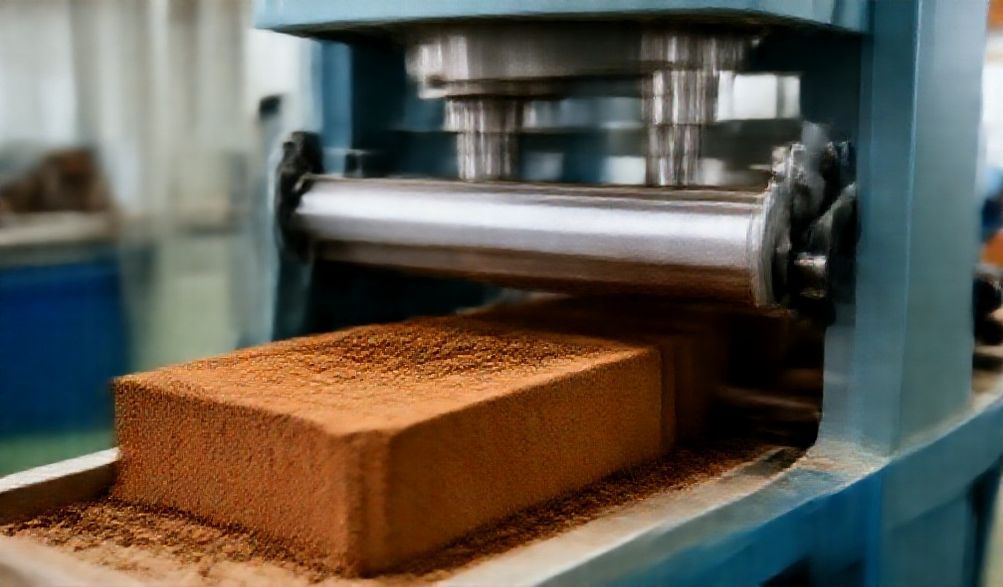
中国泥砖制砖机终极指南:品质、成本与选购技巧
Introduction
Dans une ère marquée par la conscience climatique et le pragmatisme économique, l'industrie mondiale de la construction assiste à une résurgence puissante. Constructeurs, architectes et communautés se tournent à nouveau vers l'un des matériaux de construction les plus anciens et les plus sensés de l'humanité : la terre. Les blocs de terre comprimée (BTC), ou briques de boue modernes, offrent une durabilité remarquable, des économies de coûts et une performance thermique exceptionnelle. Cependant, la méthode traditionnelle de fabrication manuelle de ces briques constitue un goulot d'étranglement : elle est laborieuse, lente et produit des résultats inconstants.
C'est là que la mécanisation change la donne. Pour les entrepreneurs, les entrepreneurs de travaux et les projets de développement du monde entier, les machines à fabriquer des briques de terre crue fabriquées en Chine sont devenues la clé de voûte d'une production efficace, évolutive et économique. Elles comblent le fossé entre la sagesse ancestrale des matériaux et les exigences de l'ingénierie moderne.
Ce guide définitif est élaboré à partir d'une analyse approfondie du secteur, des spécifications techniques et des tendances actuelles du marché. Notre objectif est d'être votre ressource la plus fiable, en démêlant la complexité pour fournir une feuille de route claire. Que vous soyez un constructeur chevronné ou que vous lanciez une nouvelle entreprise, vous apprendrez tout sur les types, les avantages, les critères de sélection et le processus d'achat d'unMachine à fabriquer des briques en terre crue en Chine.
À la fin, vous saurez comment choisir le bon équipement, naviguer dans le paysage de la fabrication et faire un investissement qui alimentera la construction durable pour les années à venir.
Pourquoi Choisir une Machine à Fabriquer des Briques en Terre ?
Efficacité et Évolutivité pour la Construction Moderne
L'avantage le plus immédiat d'une machine est son bond spectaculaire en productivité. La production manuelle pourrait produire quelques centaines de briques par jour avec une grande équipe. Une presse manuelle basique peut augmenter cela à 500-800 briques quotidiennement. Les machines semi-automatiques peuvent produire entre 1 000 et 3 000 briques en un poste de 8 heures, tandis que les lignes entièrement automatiques peuvent dépasser les 10 000.
Cette évolutivité transforme les possibilités :
* Viabilité du Projet :Permet la réalisation en temps voulu de projets de logements plus importants, de bâtiments commerciaux ou d'aménagements communautaires.
* Fondation d'EntrepriseTransforme la production de briques d'une activité de subsistance en une petite ou moyenne entreprise (PME) rentable.
* Flux de Travail Cohérent :Élimine l'imprévisibilité de la main-d'œuvre manuelle, permettant une planification et un coût précis des projets.
Cohérence et intégrité structurelle inégalées
Un bâtiment n'est aussi solide que ses composants individuels. La fabrication manuelle de briques entraîne des variations de taille, de densité et de teneur en humidité, compromettant ainsi l'intégrité structurelle.
Les machines résolvent ce problème en appliquant une pression précise et reproductible :
* Densité uniforme :Chaque brique est compactée avec la même force hydraulique ou mécanique, garantissant ainsi une résistance à la compression uniforme.
* Dimensions standardisées :Les moules interchangeables garantissent que chaque brique est identique, simplifiant la pose et réduisant l'utilisation de mortier.
* Sécurité renforcée :La résistance prévisible permet des calculs d'ingénierie fiables, conduisant à des bâtiments plus sûrs.
* Réduction des déchets :La cohérence signifie que moins de briques sont rejetées sur le chantier, optimisant ainsi l'utilisation des matériaux et les coûts.
Le Choix de Construction Durable et Écologique
Choisir des briques de terre crue est un engagement environnemental ; les produire avec une machine rend cet engagement reproductible à grande échelle.
* Utilisation de Matériaux Locaux :Utilise des sous-sols sur place ou localement sourcés, réduisant considérablement l'empreinte carbone liée au transport des briques cuites ou du béton.
* Faible énergie intrinsèque :Le processus de production nécessite une énergie minimale comparé aux fours à haute température utilisés pour les briques cuites.
* Biodégradabilité :À la fin de sa vie, une brique de terre non stabilisée peut simplement retourner à la terre.
* Masse Thermique Supérieure :Les briques de terre régulent naturellement la température intérieure, absorbant la chaleur le jour et la restituant la nuit, réduisant ainsi la dépendance au chauffage et à la climatisation mécaniques.
Types de machines à fabriquer des briques de terre crue en provenance de Chine
Le marché chinois propose une gamme variée de machines, allant des outils simples aux systèmes industriels. Votre choix dépend de l'échelle, du budget et de la disponibilité de la main-d'œuvre.
Presses manuelles : Niveau d'entrée et à faible coût
Ce sont des machines actionnées par l'homme, utilisant un mécanisme à levier ou à pédale pour comprimer la terre dans un moule.
* Opération :Un opérateur remplit un moule de terre humide et utilise un avantage mécanique pour la comprimer en une brique.
* Idéal Pour :Projets personnels à petite échelle, initiatives de construction communautaires, ateliers de formation professionnelle, ou comme introduction à faible risque à la production de BTC (blocs de terre comprimée).
* Avantages :
* Investissement initial très faible.
* Pas besoin d'électricité ou de carburant.
* Très portable et simple à maintenir.
* Inconvénients :
* Exigence élevée en main-d'œuvre physique.
* Taux de sortie le plus bas.
* La résistance des briques peut varier selon la constance de l'opérateur.
Machines semi-automatiques : Le performant équilibré
Cette catégorie représente le point idéal pour la plupart des petites et moyennes entreprises. Elles sont généralement dotées d’un système hydraulique alimenté par un moteur électrique ou un moteur diesel, avec certaines fonctions automatisées comme l’alimentation ou l’éjection des matériaux.
* Opération :L'opérateur contrôle souvent le cycle avec un bouton ou un levier, mais la machine gère le compactage à haute pression.
* Idéal Pour :PME, entreprises de construction réalisant des projets dédiés et ateliers de fabrication de blocs approvisionnant les marchés locaux.
* Avantages :
Excellent équilibre entre coût, production et automatisation.
* Réduit considérablement la fatigue physique.
* Produit régulièrement des briques de haute résistance et de qualité professionnelle.
* Inconvénients :
* Coût initial plus élevé que celui des presses manuelles.
* Requires a power source and basic technical knowledge for maintenance.
Fully Automatic Production Lines: For Industrial Output
These are complete factory systems designed for maximum output with minimal manual intervention.
* Opération : Integrated systems automatically handle soil feeding, mixing, conveying to the press, compression, brick ejection, and sometimes stacking or curing. They are often controlled by a Programmable Logic Controller (PLC).
* Idéal Pour : Large-scale construction firms, major block manufacturers, and government housing projects requiring massive, steady brick supply.
* Avantages :
* Highest possible production capacity.
* Labor costs are minimized.
* Ultimate consistency and process control.
* Inconvénients :
* Very high capital investment.
* Complex installation and maintenance.
* Requires significant space and infrastructure.
Key Features to Evaluate in a Chinese Machine
Beyond the type, these core specifications determine a machine’s capability and longevity.
Core Specifications: Pressure, Output & Mold Versatility
- Compressive Force (Tonnage): This is critical. It determines the ultimate strength of your bricks. For stable, load-bearing bricks, look for machines offering 20 tons of pressure or more. Lighter-duty machines (5-10 tons) may only be suitable for non-structural applications.
- Capacité de production : View stated “bricks per hour” figures with realism. These are often optimal lab conditions. Factor in time for mold changes, maintenance, and operator breaks. Ask for real-world case studies from the supplier.
- Moules Interchangeables: Versatility adds value. Check if the supplier offers molds for various sizes (e.g., standard, half-block) and types:
- Solid bricks
- Hollow bricks (lighter, with better insulation)
- Interlocking bricks (requiring little to no mortar)
Build Quality & Durability Components
A machine is a long-term investment. Its construction dictates its lifespan.
* Construction de l'ossature : The main frame should be made from thick, reinforced steel plate, not lightweight channel steel. A sturdy frame resists the immense internal forces and prevents misalignment.
* Système Hydraulique : This is the heart of the machine. Inquire about the brand of the hydraulic pump, valves, and cylinder. Reputable brands (e.g., Yuken, Rexroth) signal reliability. High-quality seals are essential to prevent leaks.
* Critical Wear Parts: Identify parts subject to the most friction and stress, such as wear plates in the compression chamber and the main piston. Ask about their material (hardened steel is best) and availability as spare parts.
Operational & Safety Considerations
- Exigences en matière d'alimentation électrique : Choose between electric motor (cleaner, quieter for indoor use) or diesel engine (mobile, independent of grid power). Specify your local voltage and frequency (e.g., 220V/50Hz, 110V/60Hz) when ordering.
- Safety Features: Never compromise. Essential features include:
- Physical guards around moving parts and the compression area.
- An emergency stop button within easy reach.
- Two-hand operation controls on semi-automatic models to keep hands clear.
- Facilité d'utilisation : Consider the training required. Clear control panels, comprehensive English manuals, and intuitive design reduce downtime and operator error.
Navigating the Chinese Manufacturing Market
Successfully sourcing from China requires a strategic, diligent approach.
Identifying Reputable Manufacturers & Suppliers
Experience and Authoritativeness are key. A supplier with 10+ years of specialized experience in brick machinery is preferable to a general equipment trader.
* Research Platforms: Use Alibaba.com as a starting directory, but prioritize dedicated B2B platforms for construction machinery or visit the official websites of manufacturers found there.
* Green Flags:
* Detailed, original photos and videos of the factory and production process.
* Willingness to provide customer references from your region.
* Professional, technical communication that answers your specific questions.
* Red Flags:
* Prices significantly lower than the market average.
* Stock photos only, refusal to do a video call.
* Vague answers about technical details or certifications.
The Critical Role of Certifications & Quality Control
Certifications are your first layer of risk mitigation.
* CE Mark: Indicates the machine meets EU health, safety, and environmental standards. It’s a strong indicator of a quality-conscious manufacturer.
* ISO 9001 : Certifies that the company has a documented quality management system in place, promoting consistency.
* Action: Request copies of these certificates. Also, ask for their internal Quality Control (QC) checklist and pressure test reports for the hydraulic system.
Understanding Pricing: From Machine Cost to Landed Cost
The quoted “FOB price” is just the beginning. You must calculate the Landed Cost.
* Price Terms:
* FOB (Franco à bord) : You pay for the machine loaded on the ship. You are responsible for all subsequent shipping, insurance, and import costs.
* CIF (Cost, Insurance & Freight): The supplier arranges and pays for shipping and insurance to your nearest port. You handle import duties and clearance.
* DDP (Delivered Duty Paid): The supplier handles everything to deliver the machine to your doorstep. Least hassle, but highest overall cost.
* Coûts Cachés : Always budget for:
* Sea freight and insurance.
* Import duties and taxes (vary by country).
* Customs clearance agent fees.
* Inland transportation from the port to your site.
* Coût Total de Possession : A slightly more expensive machine from a reputable supplier with better after-sales support often costs less over 5 years than a “bargain” machine that breaks down frequently with no spare parts available.
The Purchasing Process: From Inquiry to Installation
A structured process protects your investment.
Step 1: Effective Communication & Sample Requests
- Technical Inquiry: Send a detailed email. Specify your required brick size, target daily output, soil type (clay/sand ratio), and preferred power source.
- Proof of Performance: Ask for a video of the specific machine model running. Even better, some reputable suppliers offer soil testing—you send a sample, and they test it in their machine and send you the resulting bricks for evaluation.
Step 2: Securing Your Investment: Contracts & Payment
- The Contract: Ensure the Proforma Invoice (PI) or sales contract includes:
- Detailed technical specifications.
- Warranty terms and scope.
- Agreed delivery time (production + shipping).
- Packaging standards (export wooden crate).
- Payment Methods: Use secure channels.
- Letter of Credit (L/C): Secure for large orders, but involves bank fees.
- Trade Assurance/Escrow (on Alibaba): Offers good buyer protection for platform orders.
- Avoid large upfront wire transfers (e.g., 100% T/T before production). A 30% deposit, 70% before shipment is a common, safer structure.
Step 3: After-Sales Support: Warranty, Spares & Training
This is the ultimate test of a supplier’s Trustworthiness. A machine without support is a liability.
* Garantie : Standard is 12 months for parts (excluding wear parts). Clarify what is covered and the process for claiming.
* Pièces de rechange : Request a spare parts catalog with part numbers and prices. Confirm the availability of a “wear parts kit” for common replacements.
* Assistance technique : Ensure you receive:
* A complete operation and maintenance manual in clear English.
* Wiring and hydraulic diagrams.
* Options for installation guidance: Will they provide video call support? Can you pay for an engineer to visit your site for commissioning and training?
Foire aux Questions (FAQ)
What is the typical price range for a mud brick machine from China?
Prices vary enormously with type and automation. Manual presses range from De 1 000 $ à 5 000 $. Semi-automatic hydraulic machines typically fall between $8,000 and $25,000. Fully automatic production lines can start from $50,000 and go well above $150,000. Always factor in the landed cost, as detailed in our pricing section.
Can the machine work with the soil available in my region?
Most soils can be used, but the ideal composition is roughly 30% clay, 40% sand, and 30% silt. Many soils require a stabilizer (like 5-10% cement or lime) to achieve maximum strength and water resistance. We strongly recommend soil testing—either by sending a sample to the supplier or to a local lab—before purchase.
How do I handle maintenance and repairs for a machine from overseas?
Choose a supplier who provides a clear spare parts catalog and commits to shipping parts promptly. For complex hydraulic or electrical issues, having a local mechanic is invaluable. During purchase, prioritize suppliers who offer comprehensive manuals and remote video support to guide your local technician.
What is the lead time for production and shipping?
After order confirmation, standard machine production takes 15-30 days. Shipping via sea freight typically adds 30-45 days, depending on the destination port. Always confirm these timelines with your supplier and account for potential delays in customs clearance.
Are Chinese brick machines compatible with local electrical standards?
Yes, but you must specify your requirements during the order process. Reputable manufacturers can configure the electric motor, control panel, and wiring for your local standard (e.g., 220V/50Hz for most countries, 110V/60Hz for North America). This is a crucial specification for your contract.
Conclusion
The journey to modern, sustainable construction with compressed earth blocks is empowered by the right machinery. Chinese-manufactured mud bricks making machines offer a compelling blend of advanced engineering, scalability, and cost-effectiveness that is unmatched globally. From the humble manual press to the fully automated production line, there is a solution tailored to every project scale and ambition.
The key to unlocking this potential lies in informed, diligent selection. Prioritize machine specifications that match your soil and strength requirements, and never underestimate the paramount importance of build quality and robust after-sales support. Your relationship with the manufacturer is as critical as the machine itself.
Ready to transform your building project or business? Start by downloading our free ‘Supplier Question Checklist’ to confidently vet your next China mud bricks making machine partner. This practical tool will guide your conversations and ensure you cover every critical detail.
Have specific questions about soil compatibility or machine specs? Contact our expert team for a personalized consultation. We’re here to help you navigate the path to successful, sustainable brick production.
By investing in the right technology and partnerships today, you’re not just buying a machine—you’re building a foundation for affordable, durable, and eco-friendly construction that will benefit communities for generations to come.
<