
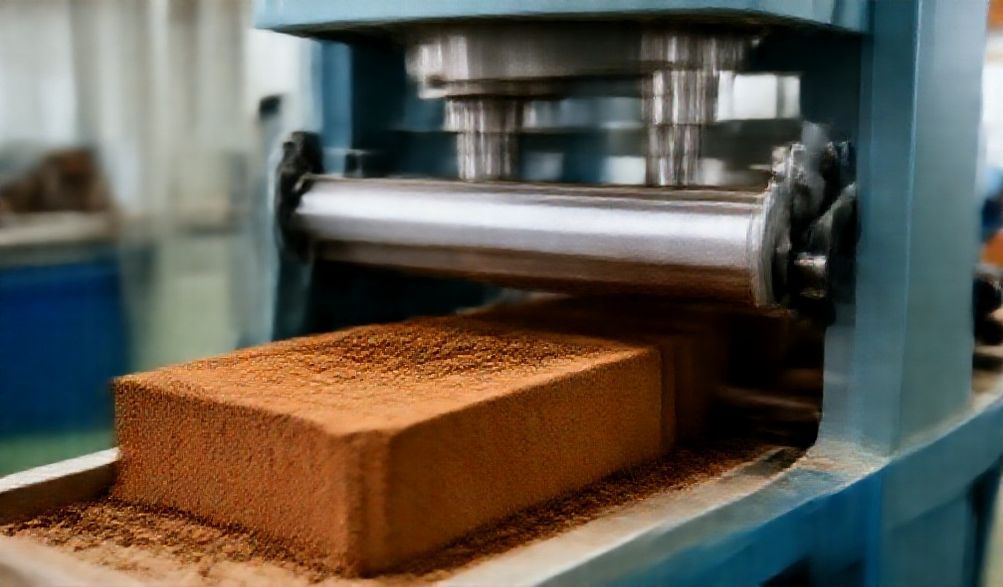
Hướng Dẫn Toàn Diện Về Máy Sản Xuất Gạch Bùn Trung Quốc: Chất Lượng, Chi Phí & Cách Lựa Chọn
Giới thiệu
Trong một kỷ nguyên được định nghĩa bởi ý thức về khí hậu và tính thực tế kinh tế, ngành xây dựng toàn cầu đang chứng kiến một sự hồi sinh mạnh mẽ. Các nhà xây dựng, kiến trúc sư và cộng đồng đang quay trở lại với một trong những vật liệu xây dựng lâu đời và hợp lý nhất của nhân loại: đất. Các khối đất nén (CEB), hay gạch bùn hiện đại, mang lại tính bền vững đáng kể, tiết kiệm chi phí và hiệu suất nhiệt ấn tượng. Tuy nhiên, phương pháp truyền thống làm thủ công những viên gạch này là một nút thắt cổ chai—nó tốn nhiều công sức, chậm chạp và cho ra kết quả không đồng đều.
Đây chính là điểm mà cơ giới hóa trở thành yếu tố thay đổi cuộc chơi. Đối với các doanh nhân, nhà thầu và dự án phát triển trên toàn cầu, máy làm gạch bùn sản xuất tại Trung Quốc đã nổi lên như mắt xích then chốt cho quy trình sản xuất hiệu quả, có thể mở rộng và tiết kiệm chi phí. Chúng kết nối khoảng cách giữa tri thức vật liệu cổ xưa và yêu cầu kỹ thuật hiện đại.
Hướng dẫn toàn diện này được xây dựng từ phân tích ngành kỹ lưỡng, thông số kỹ thuật chi tiết và xu hướng thị trường hiện tại. Mục tiêu của chúng tôi là trở thành nguồn thông tin đáng tin cậy nhất, giúp bạn vượt qua mọi phức tạp để có lộ trình rõ ràng. Dù bạn là chuyên gia xây dựng dày dạn kinh nghiệm hay đang khởi nghiệp, bạn sẽ nắm vững mọi kiến thức về phân loại, lợi ích, tiêu chí lựa chọn và quy trình mua sắm cho mộtMáy làm gạch bùn Trung Quốc.
Cuối cùng, bạn sẽ hiểu cách chọn thiết bị phù hợp, định hướng trong bối cảnh sản xuất và thực hiện một khoản đầu tư thúc đẩy xây dựng bền vững trong nhiều năm tới.
Tại sao nên chọn máy làm gạch bùn?
Hiệu Quả & Khả Năng Mở Rộng cho Xây Dựng Hiện Đại
Lợi thế trước mắt nhất của máy móc là bước nhảy vọt về năng suất. Sản xuất thủ công có thể tạo ra vài trăm viên gạch mỗi ngày với một đội ngũ lớn. Một máy ép thủ công cơ bản có thể nâng con số này lên 500-800 viên mỗi ngày. Máy bán tự động có thể sản xuất từ 1.000 đến 3.000 viên gạch trong một ca làm việc 8 giờ, trong khi các dây chuyền tự động hoàn toàn có thể vượt quá 10.000 viên.
Khả năng mở rộng này biến đổi những khả năng:
* Khả năng khả thi của dự ánCho phép hoàn thành kịp thời các dự án nhà ở lớn, tòa nhà thương mại hoặc khu phát triển cộng đồng.
* Nền tảng Kinh doanhChuyển đổi sản xuất gạch từ một hoạt động tự cung tự cấp thành một doanh nghiệp nhỏ hoặc vừa (SME) có lợi nhuận.
* Quy trình làm việc nhất quánLoại bỏ sự không chắc chắn trong kết quả lao động thủ công, cho phép lập kế hoạch và dự toán chi phí dự án một cách chính xác.
Tính Nhất Quán và Tính Toàn Vẹn Cấu Trúc Vượt Trội
Một tòa nhà chỉ vững chắc như từng thành phần riêng lẻ của nó. Việc sản xuất gạch thủ công dẫn đến sự khác biệt về kích thước, mật độ và độ ẩm, làm tổn hại đến tính toàn vẹn của kết cấu.
Máy móc giải quyết điều này bằng cách áp dụng áp lực chính xác và có thể lặp lại.
* Mật độ đồng đều:Mỗi viên gạch đều được nén bằng cùng một lực thủy lực hoặc cơ khí, đảm bảo cường độ chịu nén đồng nhất.
* Kích thước Tiêu chuẩn hóaKhuôn đúc có thể thay thế đảm bảo mỗi viên gạch đều giống hệt nhau, giúp việc xây gạch đơn giản hơn và giảm lượng vữa sử dụng.
* An toàn được Nâng caoĐộ bền có thể dự đoán được cho phép thực hiện các tính toán kỹ thuật đáng tin cậy, dẫn đến các tòa nhà an toàn hơn.
* Giảm Thiểu Rác Thải:Tính nhất quán đồng nghĩa với việc ít viên gạch bị loại bỏ tại công trình hơn, từ đó tối ưu hóa việc sử dụng vật liệu và chi phí.
Lựa Chọn Xây Dựng Bền Vững và Thân Thiện với Môi Trường
Chọn gạch bùn là một tuyên bố về môi trường; sản xuất chúng bằng máy móc khiến tuyên bố đó có thể mở rộng quy mô.
* Sử Dụng Vật Liệu Địa Phương:Sử dụng đất cận thổ tại chỗ hoặc nguồn địa phương, giảm thiểu đáng kể lượng khí thải carbon từ vận chuyển liên quan đến gạch nung hoặc bê tông.
* Năng Lượng Thể Hiện Thấp:Quy trình sản xuất yêu cầu năng lượng tối thiểu so với các lò nung nhiệt độ cao được sử dụng cho gạch nung.
* Khả năng phân hủy sinh học:Vào cuối vòng đời, một viên gạch đất không ổn định có thể đơn giản trở về với đất mẹ.
* Khối Nhiệt Lượng Cao CấpGạch đất nung tự nhiên điều chỉnh nhiệt độ trong nhà, hấp thụ nhiệt vào ban ngày và tỏa nhiệt vào ban đêm, giảm sự phụ thuộc vào hệ thống sưởi và làm mát cơ khí.
Các Loại Máy Làm Gạch Bằng Đất Sét từ Trung Quốc
Thị trường Trung Quốc cung cấp một loạt máy móc, từ công cụ đơn giản đến hệ thống công nghiệp. Lựa chọn của bạn phụ thuộc vào quy mô, ngân sách và khả năng sẵn có lao động.
Máy Ép Thủ Công: Cấp Độ Nhập Môn & Chi Phí Thấp
Đây là những cỗ máy vận hành bằng sức người, sử dụng cơ chế đòn bẩy hoặc bàn đạp để nén đất trong khuôn.
* Hoạt động: An operator fills a mold box with damp soil and uses mechanical advantage to compress it into a brick.
* Lý Tưởng Cho: Small-scale personal projects, community-led building initiatives, vocational training workshops, or as a low-risk introduction to CEB production.
* Ưu điểm:
* Very low initial investment.
* No need for electricity or fuel.
* Highly portable and simple to maintain.
* Nhược điểm:
* High physical labor requirement.
* Lowest output rate.
* Brick strength can vary with operator consistency.
Semi-Automatic Machines: The Balanced Performer
This category represents the sweet spot for most small to medium businesses. They typically feature a hydraulic system powered by an electric motor or diesel engine, with some automated functions like material feeding or ejection.
* Hoạt động: The operator often controls the cycle with a button or lever, but the machine handles the high-pressure compaction.
* Lý Tưởng Cho: SMEs, construction companies undertaking dedicated projects, and block-making yards supplying local markets.
* Ưu điểm:
* Excellent balance between cost, output, and automation.
* Significantly reduces physical strain.
* Produces high-strength, professional-grade bricks consistently.
* Nhược điểm:
* Higher upfront cost than manual presses.
* Requires a power source and basic technical knowledge for maintenance.
Fully Automatic Production Lines: For Industrial Output
These are complete factory systems designed for maximum output with minimal manual intervention.
* Hoạt động: Integrated systems automatically handle soil feeding, mixing, conveying to the press, compression, brick ejection, and sometimes stacking or curing. They are often controlled by a Programmable Logic Controller (PLC).
* Lý Tưởng Cho: Large-scale construction firms, major block manufacturers, and government housing projects requiring massive, steady brick supply.
* Ưu điểm:
* Highest possible production capacity.
* Labor costs are minimized.
* Ultimate consistency and process control.
* Nhược điểm:
* Very high capital investment.
* Complex installation and maintenance.
* Requires significant space and infrastructure.
Key Features to Evaluate in a Chinese Machine
Beyond the type, these core specifications determine a machine’s capability and longevity.
Core Specifications: Pressure, Output & Mold Versatility
- Compressive Force (Tonnage): This is critical. It determines the ultimate strength of your bricks. For stable, load-bearing bricks, look for machines offering 20 tons of pressure or more. Lighter-duty machines (5-10 tons) may only be suitable for non-structural applications.
- Năng lực sản xuất: View stated “bricks per hour” figures with realism. These are often optimal lab conditions. Factor in time for mold changes, maintenance, and operator breaks. Ask for real-world case studies from the supplier.
- Khuôn có thể thay thế lẫn nhau: Versatility adds value. Check if the supplier offers molds for various sizes (e.g., standard, half-block) and types:
- Solid bricks
- Hollow bricks (lighter, with better insulation)
- Interlocking bricks (requiring little to no mortar)
Build Quality & Durability Components
A machine is a long-term investment. Its construction dictates its lifespan.
* Kết cấu khung The main frame should be made from thick, reinforced steel plate, not lightweight channel steel. A sturdy frame resists the immense internal forces and prevents misalignment.
* Hệ thống thủy lực: This is the heart of the machine. Inquire about the brand of the hydraulic pump, valves, and cylinder. Reputable brands (e.g., Yuken, Rexroth) signal reliability. High-quality seals are essential to prevent leaks.
* Critical Wear Parts: Identify parts subject to the most friction and stress, such as wear plates in the compression chamber and the main piston. Ask about their material (hardened steel is best) and availability as spare parts.
Operational & Safety Considerations
- Yêu cầu về nguồn điện: Choose between electric motor (cleaner, quieter for indoor use) or diesel engine (mobile, independent of grid power). Specify your local voltage and frequency (e.g., 220V/50Hz, 110V/60Hz) when ordering.
- Safety Features: Never compromise. Essential features include:
- Physical guards around moving parts and the compression area.
- An emergency stop button within easy reach.
- Two-hand operation controls on semi-automatic models to keep hands clear.
- Dễ Sử Dụng: Consider the training required. Clear control panels, comprehensive English manuals, and intuitive design reduce downtime and operator error.
Navigating the Chinese Manufacturing Market
Successfully sourcing from China requires a strategic, diligent approach.
Identifying Reputable Manufacturers & Suppliers
Experience and Authoritativeness are key. A supplier with 10+ years of specialized experience in brick machinery is preferable to a general equipment trader.
* Research Platforms: Use Alibaba.com as a starting directory, but prioritize dedicated B2B platforms for construction machinery or visit the official websites of manufacturers found there.
* Green Flags:
* Detailed, original photos and videos of the factory and production process.
* Willingness to provide customer references from your region.
* Professional, technical communication that answers your specific questions.
* Red Flags:
* Prices significantly lower than the market average.
* Stock photos only, refusal to do a video call.
* Vague answers about technical details or certifications.
The Critical Role of Certifications & Quality Control
Certifications are your first layer of risk mitigation.
* CE Mark: Indicates the machine meets EU health, safety, and environmental standards. It’s a strong indicator of a quality-conscious manufacturer.
* ISO 9001: Certifies that the company has a documented quality management system in place, promoting consistency.
* Action: Request copies of these certificates. Also, ask for their internal Quality Control (QC) checklist and pressure test reports for the hydraulic system.
Understanding Pricing: From Machine Cost to Landed Cost
The quoted “FOB price” is just the beginning. You must calculate the Landed Cost.
* Price Terms:
* FOB (Giao hàng lên tàu): You pay for the machine loaded on the ship. You are responsible for all subsequent shipping, insurance, and import costs.
* CIF (Cost, Insurance & Freight): The supplier arranges and pays for shipping and insurance to your nearest port. You handle import duties and clearance.
* DDP (Delivered Duty Paid): The supplier handles everything to deliver the machine to your doorstep. Least hassle, but highest overall cost.
* Chi Phí Ẩn: Always budget for:
* Sea freight and insurance.
* Import duties and taxes (vary by country).
* Customs clearance agent fees.
* Inland transportation from the port to your site.
* Tổng Chi Phí Sở Hữu: A slightly more expensive machine from a reputable supplier with better after-sales support often costs less over 5 years than a “bargain” machine that breaks down frequently with no spare parts available.
The Purchasing Process: From Inquiry to Installation
A structured process protects your investment.
Step 1: Effective Communication & Sample Requests
- Technical Inquiry: Send a detailed email. Specify your required brick size, target daily output, soil type (clay/sand ratio), and preferred power source.
- Proof of Performance: Ask for a video of the specific machine model running. Even better, some reputable suppliers offer soil testing—you send a sample, and they test it in their machine and send you the resulting bricks for evaluation.
Step 2: Securing Your Investment: Contracts & Payment
- The Contract: Ensure the Proforma Invoice (PI) or sales contract includes:
- Detailed technical specifications.
- Warranty terms and scope.
- Agreed delivery time (production + shipping).
- Packaging standards (export wooden crate).
- Payment Methods: Use secure channels.
- Letter of Credit (L/C): Secure for large orders, but involves bank fees.
- Trade Assurance/Escrow (on Alibaba): Offers good buyer protection for platform orders.
- Avoid large upfront wire transfers (e.g., 100% T/T before production). A 30% deposit, 70% before shipment is a common, safer structure.
Step 3: After-Sales Support: Warranty, Spares & Training
This is the ultimate test of a supplier’s Trustworthiness. A machine without support is a liability.
* Bảo hành: Standard is 12 months for parts (excluding wear parts). Clarify what is covered and the process for claiming.
* Phụ Tùng Thay Thế: Request a spare parts catalog with part numbers and prices. Confirm the availability of a “wear parts kit” for common replacements.
* Hỗ trợ Kỹ thuật: Ensure you receive:
* A complete operation and maintenance manual in clear English.
* Wiring and hydraulic diagrams.
* Options for installation guidance: Will they provide video call support? Can you pay for an engineer to visit your site for commissioning and training?
Các Câu Hỏi Thường Gặp (FAQ)
What is the typical price range for a mud brick machine from China?
Prices vary enormously with type and automation. Manual presses range from $1,000 to $5,000. Semi-automatic hydraulic machines typically fall between $8,000 and $25,000. Fully automatic production lines can start from $50,000 and go well above $150,000. Always factor in the landed cost, as detailed in our pricing section.
Can the machine work with the soil available in my region?
Most soils can be used, but the ideal composition is roughly 30% clay, 40% sand, and 30% silt. Many soils require a stabilizer (like 5-10% cement or lime) to achieve maximum strength and water resistance. We strongly recommend soil testing—either by sending a sample to the supplier or to a local lab—before purchase.
How do I handle maintenance and repairs for a machine from overseas?
Choose a supplier who provides a clear spare parts catalog and commits to shipping parts promptly. For complex hydraulic or electrical issues, having a local mechanic is invaluable. During purchase, prioritize suppliers who offer comprehensive manuals and remote video support to guide your local technician.
What is the lead time for production and shipping?
After order confirmation, standard machine production takes 15-30 days. Shipping via sea freight typically adds 30-45 days, depending on the destination port. Always confirm these timelines with your supplier and account for potential delays in customs clearance.
Are Chinese brick machines compatible with local electrical standards?
Yes, but you must specify your requirements during the order process. Reputable manufacturers can configure the electric motor, control panel, and wiring for your local standard (e.g., 220V/50Hz for most countries, 110V/60Hz for North America). This is a crucial specification for your contract.
Conclusion
The journey to modern, sustainable construction with compressed earth blocks is empowered by the right machinery. Chinese-manufactured mud bricks making machines offer a compelling blend of advanced engineering, scalability, and cost-effectiveness that is unmatched globally. From the humble manual press to the fully automated production line, there is a solution tailored to every project scale and ambition.
The key to unlocking this potential lies in informed, diligent selection. Prioritize machine specifications that match your soil and strength requirements, and never underestimate the paramount importance of build quality and robust after-sales support. Your relationship with the manufacturer is as critical as the machine itself.
Ready to transform your building project or business? Start by downloading our free ‘Supplier Question Checklist’ to confidently vet your next China mud bricks making machine partner. This practical tool will guide your conversations and ensure you cover every critical detail.
Have specific questions about soil compatibility or machine specs? Contact our expert team for a personalized consultation. We’re here to help you navigate the path to successful, sustainable brick production.
By investing in the right technology and partnerships today, you’re not just buying a machine—you’re building a foundation for affordable, durable, and eco-friendly construction that will benefit communities for generations to come.
<