
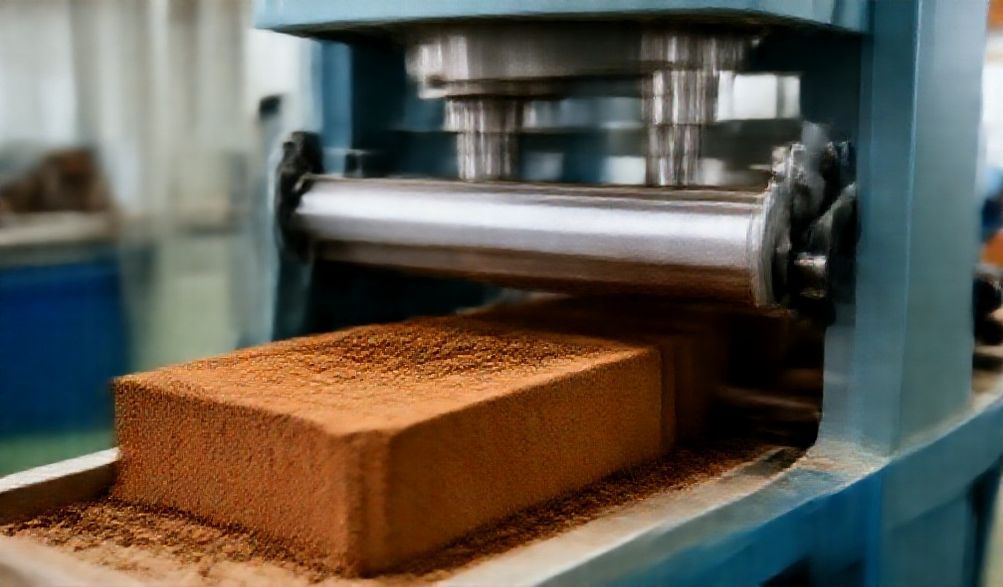
Остаточний посібник з машин для виробництва глиняної цегли в Китаї: якість, вартість та як обрати
Вступ
В епоху, коли панує кліматична свідомість та економічний прагматизм, світова будівельна галузь стає свідком потужного відродження. Будівельники, архітектори та громади повертаються до одного з найдавніших і найрозумніших будівельних матеріалів людства: землі. Пресовані земляні блоки (ПЗБ), або сучасні глиняні цегли, пропонують вражаючу стійкість, економію коштів та теплову ефективність. Однак традиційний метод ручного виготовлення цих цеглин є слабкою ланкою — він копіткий, повільний і дає нестабільні результати.
Ось де механізація стає вирішальним чинником. Для підприємців, підрядників та проектів розвитку по всьому світу китайські машини для виробництва саманної цегли стали ключовим елементом ефективного, масштабованого та економічного виробництва. Вони зміцнюють міст між древньою мудрістю матеріалів та сучасними інженерними вимогами.
Цей вичерпний посібник створено на основі ретельного аналізу галузі, технічних специфікацій та поточних ринкових тенденцій. Наша мета — стати для вас найнадійнішим джерелом інформації, що розкриває складні питання та надає чіткий план дій. Незалежно від того, чи ви досвідчений будівельник, чи розпочинаєте новий проект, ви дізнаєтеся все про типи, переваги, критерії вибору та процес придбанняКитайська машина для виробництва саманних цеглин.
Зрештою, ви зрозумієте, як обрати правильне обладнання, орієнтуватися у виробничому ландшафті та зробити інвестицію, яка забезпечить стале будівництво на довгі роки вперед.
Чому варто обрати машину для виготовлення саманних цеглин?
Ефективність та масштабованість для сучасного будівництва
Найочевиднішою перевагою машини є її стрімкий стрибок у продуктивності. Ручне виробництво може давати кілька сотень цеглин на день за участі великої команди. Базовий ручний прес може збільшити цей показник до 500-800 цеглин щодня. Напівавтоматичні машини можуть виробляти від 1 000 до 3 000 цеглин за 8-годинну зміну, тоді як повністю автоматизовані лінії можуть перевищувати 10 000 цеглин.
Ця масштабованість відкриває нові горизонти можливостей:
* Життєздатність проекту:Забезпечує своєчасне завершення більших житлових проектів, комерційних будівель або розвитку громад.
* Фундамент бізнесу:Перетворює виробництво цегли з засобу виживання на прибуткове мале або середнє підприємство (МСП).
* Послідовний робочий процес:Усуває непередбачуваність ручної праці, що дозволяє точно планувати проекти та розраховувати їх вартість.
Неперевершена сталість та структурна цілісність
Будівля міцна лише настільки, наскільки міцні її окремі компоненти. Ручне виробництво цегли призводить до відмінностей у розмірі, щільності та вологості, що підриває структурну цілісність.
Машини вирішують це завдання, застосовуючи точний, повторюваний тиск:
* Рівномірна щільність:Кожна цегла ущільнюється з однаковою гідравлічною або механічною силою, що забезпечує стабільну міцність на стиск.
* Стандартизовані розміри:Змінні форми гарантують, що кожна цеглина ідентична, що спрощує кладку та зменшує використання розчину.
* Покращена безпека: Predictable strength allows for reliable engineering calculations, leading to safer buildings.
* Reduced Waste: Consistency means fewer bricks are rejected on-site, optimizing material use and cost.
The Sustainable & Eco-Friendly Building Choice
Choosing mud bricks is an environmental statement; producing them with a machine makes that statement scalable.
* Використання місцевих матеріалів: Utilizes on-site or locally sourced subsoil, drastically reducing the transportation carbon footprint associated with fired bricks or concrete.
* Low Embodied Energy: The production process requires minimal energy compared to the high-temperature kilns used for fired bricks.
* Biodegradability: At the end of its life, an unstabilized earth brick can simply return to the earth.
* Вища теплова маса: Earth bricks naturally regulate indoor temperatures, absorbing heat during the day and releasing it at night, reducing reliance on mechanical heating and cooling.
Types of Mud Bricks Making Machines from China
The Chinese market offers a spectrum of machines, from simple tools to industrial systems. Your choice depends on scale, budget, and labor availability.
Manual Press Machines: Entry-Level & Low-Cost
These are human-powered machines, using a lever or pedal mechanism to compress soil in a mold.
* Операція: An operator fills a mold box with damp soil and uses mechanical advantage to compress it into a brick.
* Ідеально підходить для: Small-scale personal projects, community-led building initiatives, vocational training workshops, or as a low-risk introduction to CEB production.
* Переваги:
* Very low initial investment.
* No need for electricity or fuel.
* Highly portable and simple to maintain.
* Недоліки:
* High physical labor requirement.
* Lowest output rate.
* Brick strength can vary with operator consistency.
Semi-Automatic Machines: The Balanced Performer
This category represents the sweet spot for most small to medium businesses. They typically feature a hydraulic system powered by an electric motor or diesel engine, with some automated functions like material feeding or ejection.
* Операція: The operator often controls the cycle with a button or lever, but the machine handles the high-pressure compaction.
* Ідеально підходить для: SMEs, construction companies undertaking dedicated projects, and block-making yards supplying local markets.
* Переваги:
* Excellent balance between cost, output, and automation.
* Significantly reduces physical strain.
* Produces high-strength, professional-grade bricks consistently.
* Недоліки:
* Higher upfront cost than manual presses.
* Requires a power source and basic technical knowledge for maintenance.
Fully Automatic Production Lines: For Industrial Output
These are complete factory systems designed for maximum output with minimal manual intervention.
* Операція: Integrated systems automatically handle soil feeding, mixing, conveying to the press, compression, brick ejection, and sometimes stacking or curing. They are often controlled by a Programmable Logic Controller (PLC).
* Ідеально підходить для: Large-scale construction firms, major block manufacturers, and government housing projects requiring massive, steady brick supply.
* Переваги:
* Highest possible production capacity.
* Labor costs are minimized.
* Ultimate consistency and process control.
* Недоліки:
* Very high capital investment.
* Complex installation and maintenance.
* Requires significant space and infrastructure.
Key Features to Evaluate in a Chinese Machine
Beyond the type, these core specifications determine a machine’s capability and longevity.
Core Specifications: Pressure, Output & Mold Versatility
- Compressive Force (Tonnage): This is critical. It determines the ultimate strength of your bricks. For stable, load-bearing bricks, look for machines offering 20 tons of pressure or more. Lighter-duty machines (5-10 tons) may only be suitable for non-structural applications.
- Виробнича потужність: View stated “bricks per hour” figures with realism. These are often optimal lab conditions. Factor in time for mold changes, maintenance, and operator breaks. Ask for real-world case studies from the supplier.
- Змінні форми: Versatility adds value. Check if the supplier offers molds for various sizes (e.g., standard, half-block) and types:
- Solid bricks
- Hollow bricks (lighter, with better insulation)
- Interlocking bricks (requiring little to no mortar)
Build Quality & Durability Components
A machine is a long-term investment. Its construction dictates its lifespan.
* Конструкція рами: The main frame should be made from thick, reinforced steel plate, not lightweight channel steel. A sturdy frame resists the immense internal forces and prevents misalignment.
* Гідравлічна система: This is the heart of the machine. Inquire about the brand of the hydraulic pump, valves, and cylinder. Reputable brands (e.g., Yuken, Rexroth) signal reliability. High-quality seals are essential to prevent leaks.
* Critical Wear Parts: Identify parts subject to the most friction and stress, such as wear plates in the compression chamber and the main piston. Ask about their material (hardened steel is best) and availability as spare parts.
Operational & Safety Considerations
- Вимоги до живлення: Choose between electric motor (cleaner, quieter for indoor use) or diesel engine (mobile, independent of grid power). Specify your local voltage and frequency (e.g., 220V/50Hz, 110V/60Hz) when ordering.
- Safety Features: Never compromise. Essential features include:
- Physical guards around moving parts and the compression area.
- An emergency stop button within easy reach.
- Two-hand operation controls on semi-automatic models to keep hands clear.
- Зручність використання: Consider the training required. Clear control panels, comprehensive English manuals, and intuitive design reduce downtime and operator error.
Navigating the Chinese Manufacturing Market
Successfully sourcing from China requires a strategic, diligent approach.
Identifying Reputable Manufacturers & Suppliers
Experience and Authoritativeness are key. A supplier with 10+ years of specialized experience in brick machinery is preferable to a general equipment trader.
* Research Platforms: Use Alibaba.com as a starting directory, but prioritize dedicated B2B platforms for construction machinery or visit the official websites of manufacturers found there.
* Green Flags:
* Detailed, original photos and videos of the factory and production process.
* Willingness to provide customer references from your region.
* Professional, technical communication that answers your specific questions.
* Red Flags:
* Prices significantly lower than the market average.
* Stock photos only, refusal to do a video call.
* Vague answers about technical details or certifications.
The Critical Role of Certifications & Quality Control
Certifications are your first layer of risk mitigation.
* CE Mark: Indicates the machine meets EU health, safety, and environmental standards. It’s a strong indicator of a quality-conscious manufacturer.
* ISO 9001: Certifies that the company has a documented quality management system in place, promoting consistency.
* Action: Request copies of these certificates. Also, ask for their internal Quality Control (QC) checklist and pressure test reports for the hydraulic system.
Understanding Pricing: From Machine Cost to Landed Cost
The quoted “FOB price” is just the beginning. You must calculate the Landed Cost.
* Price Terms:
* ФОБ (Франко борт): You pay for the machine loaded on the ship. You are responsible for all subsequent shipping, insurance, and import costs.
* CIF (Cost, Insurance & Freight): The supplier arranges and pays for shipping and insurance to your nearest port. You handle import duties and clearance.
* DDP (Delivered Duty Paid): The supplier handles everything to deliver the machine to your doorstep. Least hassle, but highest overall cost.
* Приховані витрати: Always budget for:
* Sea freight and insurance.
* Import duties and taxes (vary by country).
* Customs clearance agent fees.
* Inland transportation from the port to your site.
* Загальна вартість володіння: A slightly more expensive machine from a reputable supplier with better after-sales support often costs less over 5 years than a “bargain” machine that breaks down frequently with no spare parts available.
The Purchasing Process: From Inquiry to Installation
A structured process protects your investment.
Step 1: Effective Communication & Sample Requests
- Technical Inquiry: Send a detailed email. Specify your required brick size, target daily output, soil type (clay/sand ratio), and preferred power source.
- Proof of Performance: Ask for a video of the specific machine model running. Even better, some reputable suppliers offer soil testing—you send a sample, and they test it in their machine and send you the resulting bricks for evaluation.
Step 2: Securing Your Investment: Contracts & Payment
- Контракт: Ensure the Proforma Invoice (PI) or sales contract includes:
- Detailed technical specifications.
- Warranty terms and scope.
- Agreed delivery time (production + shipping).
- Packaging standards (export wooden crate).
- Payment Methods: Use secure channels.
- Letter of Credit (L/C): Secure for large orders, but involves bank fees.
- Trade Assurance/Escrow (on Alibaba): Offers good buyer protection for platform orders.
- Avoid large upfront wire transfers (e.g., 100% T/T before production). A 30% deposit, 70% before shipment is a common, safer structure.
Step 3: After-Sales Support: Warranty, Spares & Training
This is the ultimate test of a supplier’s Trustworthiness. A machine without support is a liability.
* Warranty: Standard is 12 months for parts (excluding wear parts). Clarify what is covered and the process for claiming.
* Запчастини: Request a spare parts catalog with part numbers and prices. Confirm the availability of a “wear parts kit” for common replacements.
* Технічна підтримка: Ensure you receive:
* A complete operation and maintenance manual in clear English.
* Wiring and hydraulic diagrams.
* Options for installation guidance: Will they provide video call support? Can you pay for an engineer to visit your site for commissioning and training?
Часті питання (FAQ)
What is the typical price range for a mud brick machine from China?
Prices vary enormously with type and automation. Manual presses range from $1,000 to $5,000. Semi-automatic hydraulic machines typically fall between $8,000 and $25,000. Fully automatic production lines can start from $50,000 and go well above $150,000. Always factor in the landed cost, as detailed in our pricing section.
Can the machine work with the soil available in my region?
Most soils can be used, but the ideal composition is roughly 30% clay, 40% sand, and 30% silt. Many soils require a stabilizer (like 5-10% cement or lime) to achieve maximum strength and water resistance. We strongly recommend soil testing—either by sending a sample to the supplier or to a local lab—before purchase.
How do I handle maintenance and repairs for a machine from overseas?
Choose a supplier who provides a clear spare parts catalog and commits to shipping parts promptly. For complex hydraulic or electrical issues, having a local mechanic is invaluable. During purchase, prioritize suppliers who offer comprehensive manuals and remote video support to guide your local technician.
What is the lead time for production and shipping?
After order confirmation, standard machine production takes 15-30 days. Shipping via sea freight typically adds 30-45 днів, depending on the destination port. Always confirm these timelines with your supplier and account for potential delays in customs clearance.
Are Chinese brick machines compatible with local electrical standards?
Yes, but you must specify your requirements during the order process. Reputable manufacturers can configure the electric motor, control panel, and wiring for your local standard (e.g., 220V/50Hz for most countries, 110V/60Hz for North America). This is a crucial specification for your contract.
Висновок
The journey to modern, sustainable construction with compressed earth blocks is empowered by the right machinery. Chinese-manufactured mud bricks making machines offer a compelling blend of advanced engineering, scalability, and cost-effectiveness that is unmatched globally. From the humble manual press to the fully automated production line, there is a solution tailored to every project scale and ambition.
The key to unlocking this potential lies in informed, diligent selection. Prioritize machine specifications that match your soil and strength requirements, and never underestimate the paramount importance of build quality and robust after-sales support. Your relationship with the manufacturer is as critical as the machine itself.
Ready to transform your building project or business? Start by downloading our free ‘Supplier Question Checklist’ to confidently vet your next China mud bricks making machine partner. This practical tool will guide your conversations and ensure you cover every critical detail.
Have specific questions about soil compatibility or machine specs? Contact our expert team for a personalized consultation. We’re here to help you navigate the path to successful, sustainable brick production.
By investing in the right technology and partnerships today, you’re not just buying a machine—you’re building a foundation for affordable, durable, and eco-friendly construction that will benefit communities for generations to come.
<