Structure actuelle du marché et segmentation de la clientèle
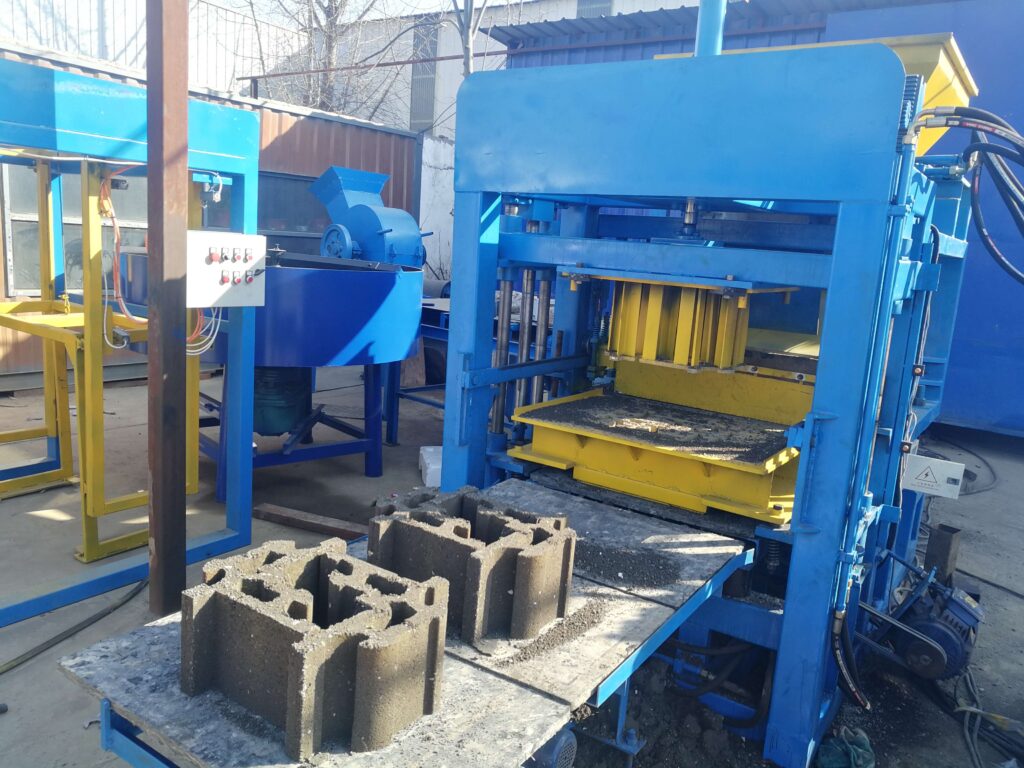
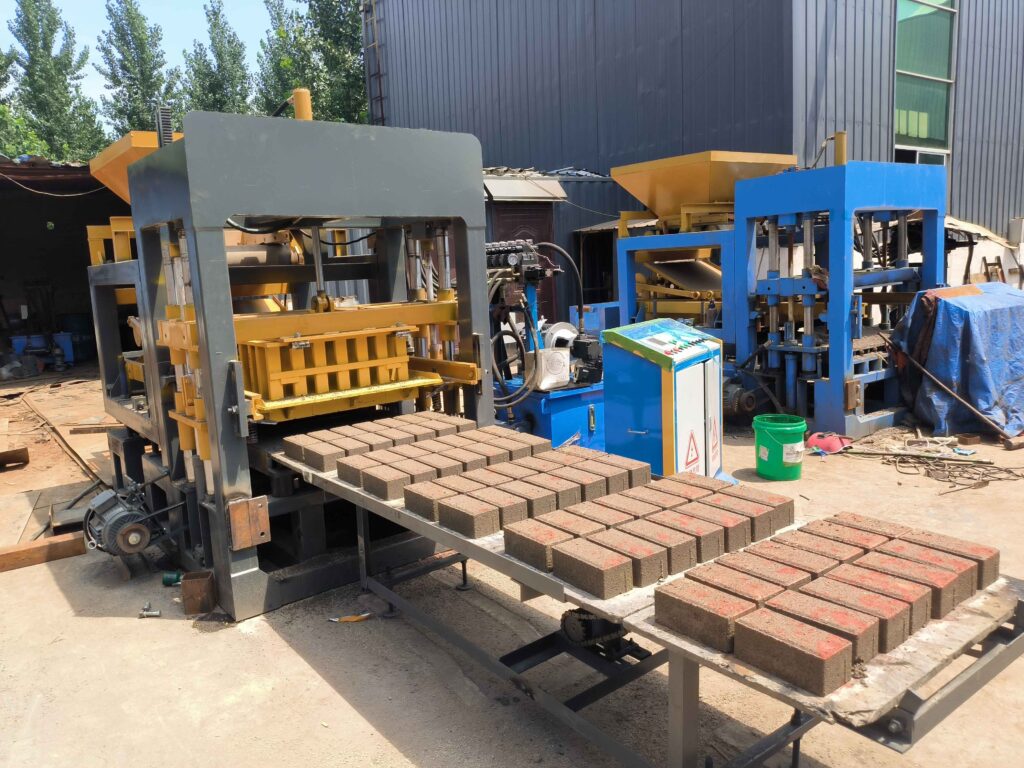
Le secteur de fabrication de blocs de construction en Afrique de l'Est présente une structure hiérarchique distincte avec des segments de clientèle clairement définis, chacun ayant des besoins spécifiques en équipement et des comportements d'achat particuliers. Au niveau de base, on trouve les opérateurs artisanaux et à petite échelle qui utilisent généralement des équipements manuels ou semi-automatiques avec des capacités de production allant de 500 à 2 000 blocs par jour. Ces entrepreneurs opèrent souvent dans les zones périurbaines et disposent généralement d'un accès limité au capital, nécessitant des options de financement flexibles et une formation technique de base. Le segment intermédiaire du marché est constitué de sociétés de construction établies et de fabricants spécialisés de blocs utilisant des machines semi-automatiques et entièrement automatiques avec des capacités de production quotidiennes comprises entre 2 000 et 10 000 blocs. Ces entreprises démontrent une plus grande exigence de qualité et approvisionnent fréquemment des projets pour des appels d'offres gouvernementaux et des promoteurs privés. Le segment premium comprend les grandes entreprises de construction, les usines industrielles et les fabricants spécialisés exploitant des lignes de production entièrement automatisées avec des productions dépassant 10 000 blocs par jour, intégrant souvent des fonctionnalités avancées telles que la manutention robotisée et les systèmes de contrôle informatisés.
Considérations économiques et infrastructurelles
Le paysage économique présente à la fois des opportunités et des contraintes qui influencent considérablement le choix des équipements et le développement des modèles économiques. La volatilité des devises et la dépendance aux importations créent des défis tarifaires, particulièrement pour les équipements nécessitant des transactions en devises étrangères. L'accès limité aux options de financement conventionnelles exige des solutions créatives, incluant des arrangements de financement soutenus par les fournisseurs et des programmes de location d'équipements. Les limitations infrastructurelles, notamment dans l'alimentation électrique et les réseaux de transport, imposent des adaptations techniques spécifiques dans la conception des machines. Les équipements doivent être conçus pour gérer les fluctuations fréquentes de courant, avec des options de compatibilité avec des générateurs et un fonctionnement écoénergétique devenant des arguments de vente cruciaux. Les infrastructures de transport affectent à la fois la logistique de livraison des équipements et la fourniture de services après-vente, nécessitant un positionnement stratégique des centres de service et des stocks de pièces détachées.
Spécifications techniques et adaptation du produit
Configuration de la Machine pour les Conditions Locales
Une pénétration réussie du marché nécessite une attention particulière aux spécifications techniques adaptées aux conditions d'exploitation locales et aux ressources disponibles. Les exigences électriques doivent s'adapter aux systèmes triphasés prédominants tout en offrant des options de secours pour les zones où le réseau est peu fiable. Les machines conçues avec des systèmes de stabilisation de tension robustes et une compatibilité avec les générateurs affichent une satisfaction client nettement supérieure et des besoins de maintenance réduits. La capacité de production doit correspondre à la demande du marché, avec des conceptions modulaires permettant une expansion future au fur et à mesure que les entreprises se développent. Les configurations d'équipement les plus performantes offrent généralement des capacités de production comprises entre 1 500 et 8 000 blocs par poste de 8 heures, équilibrant ainsi l'investissement initial et le potentiel de croissance.
Compatibilité des Matériaux et Efficacité de Production
La polyvalence dans le traitement des matières premières représente un avantage concurrentiel crucial sur les marchés caractérisés par une disponibilité diversifiée des matériaux. Les équipements doivent traiter efficacement les matériaux disponibles localement, notamment les cendres volcaniques, les poussières de carrière et diverses combinaisons de granulats, tout en maintenant une qualité de production constante. Les systèmes de vibration avancés qui assurent un compactage approprié avec différentes compositions de matériaux réduisent considérablement les rejets de production et le gaspillage de matières. L'accessibilité et la simplicité de la maintenance deviennent des considérations primordiales, avec des conceptions mettant l'accent sur un accès facile aux pièces d'usure, des mécanismes de réglage simples et des protocoles de maintenance clairs. Les équipements aux exigences de maintenance complexes ou dépendant d'outils spécialisés importés rencontrent des défis opérationnels majeurs dans les zones éloignées.
Infrastructure de Distribution et de Soutien
Développement des canaux et sélection des partenaires
Établir des canaux de distribution efficaces nécessite une évaluation minutieuse des partenaires potentiels sur la base de leurs capacités techniques, de leur stabilité financière et de leur réputation sur le marché. Le processus de sélection doit privilégier les partenaires ayant démontré une compétence technique, des installations d'atelier adéquates et un personnel formé capable d'assurer des services d'installation et de maintenance de base. L'évaluation financière doit vérifier l'adéquation des capitaux et la solvabilité, en particulier lors de la prise en compte d'arrangements de stock en consignation ou de délais de paiement prolongés. La réputation sur le marché et les relations existantes avec la clientèle offrent des canaux précieux pour le renseignement commercial et l'acquisition initiale de clients. Les partenariats réussis impliquent généralement des indicateurs de performance clairs, des droits territoriaux définis et des programmes de soutien structurés, incluant une formation technique, une assistance marketing et un financement des stocks.
Service après-vente et systèmes de support
Le développement de capacités complètes de support après-vente constitue un facteur clé de succès sur les marchés caractérisés par une expertise technique limitée et des conditions d'exploitation difficiles. La planification du réseau de service doit établir des emplacements de service stratégiques à une distance de réponse raisonnable des principales concentrations de clients, généralement dans un rayon de 4 à 6 heures de trajet pour les réparations d'urgence. La gestion des pièces de rechange nécessite une analyse minutieuse des taux de défaillance et de la criticité, avec un stockage local des composants à forte usure et des pièces de rechange à rotation rapide. La mise en œuvre de systèmes informatisés de gestion des stocks aide à maintenir des niveaux de stock optimaux tout en minimisant les investissements en capital. L'infrastructure de support technique doit inclure des véhicules de service bien équipés, des équipements de diagnostic et des systèmes de communication permettant un dépannage à distance. Les programmes de formation doivent aborder à la fois les compétences des opérateurs et les capacités des techniciens, avec des sessions régulières de perfectionnement et des programmes de certification.
Stratégie de Développement du Marché
Customer Education and Awareness Building
Market development initiatives must address both technical understanding and business case appreciation among potential customers. Demonstration units and mobile showrooms provide powerful platforms for showcasing equipment capabilities and building customer confidence. Practical training sessions covering operation, maintenance, and basic troubleshooting help overcome technical apprehension and build user competence. Business development support, including assistance with business planning, cost analysis, and market identification, helps potential customers visualize the economic viability of equipment investment. Success stories and case studies from similar market conditions provide social proof and reduce perceived investment risk.
Financing Solutions and Purchase facilitation
Developing accessible financing options dramatically expands the potential customer base beyond cash purchasers. Collaboration with local financial institutions to create specialized equipment financing programs with realistic repayment terms and reasonable collateral requirements addresses a major market barrier. Supplier-supported financing arrangements, including installment payment plans and lease-to-own options, provide flexibility for customers with limited access to conventional financing. Microfinance partnerships can extend equipment accessibility to small-scale entrepreneurs through group lending models and progressive equipment acquisition programs. Government and development agency partnerships may provide additional financing channels through subsidized loan programs and grant schemes supporting small business development.
Competitive Landscape and Positioning
Value Proposition Development
Successful market positioning requires clear differentiation based on tangible customer benefits rather than mere technical specifications. Reliability and durability claims must be supported by performance guarantees and validated by reference customers operating in similar conditions. Total cost of ownership calculations demonstrating lower operating costs, reduced downtime, and higher residual values provide compelling arguments against lower-priced competitors. Local adaptation and understanding of specific market needs create strong customer relationships and repeat business opportunities. Environmental and social responsibility aspects, including energy efficiency, waste reduction, and community impact, increasingly influence purchasing decisions among development organizations and corporate clients.
Strategic Partnerships and Alliances
Developing strategic relationships with complementary businesses and organizations creates synergies and expands market reach. Collaboration with material suppliers creates integrated solutions addressing both equipment and raw material needs. Partnerships with training institutions and vocational schools help develop skilled operators and technicians while creating recruitment channels for customers. Relationships with government agencies and regulatory bodies facilitate compliance understanding and participation in public procurement opportunities. Industry association membership provides networking opportunities, market intelligence, and collective advocacy capabilities.
Conclusion
The East African block brick making equipment market offers substantial opportunities for suppliers who approach it with strategic planning, cultural understanding, and long-term commitment. Success requires balancing technical excellence with practical adaptability, combining quality equipment with comprehensive support services, and developing sustainable business models that create value for all stakeholders. The ongoing urbanization and infrastructure development across the region ensure continued market growth, while increasing quality consciousness and environmental considerations drive demand for more sophisticated equipment solutions. Suppliers who invest in understanding local market dynamics, develop strong distribution partnerships, and maintain focus on customer success will be well-positioned to capitalize on these opportunities and build sustainable businesses in this promising market.
Foire aux Questions (FAQ)
Q1: What are the typical power requirements for block making machines in this market?
A: Most operations utilize three-phase power systems with voltages ranging from 380-415V. However, given the unreliable nature of grid power in many locations, successful equipment configurations typically include built-in voltage stabilization and compatibility with generator operations. Many suppliers recommend and provide integrated power management systems that automatically switch between grid power and generators during outages.
Q2: How does the spare parts availability and support system work in remote areas?
A: Established suppliers maintain central spare parts depots in major urban centers supported by strategically located satellite inventories in regional hubs. Critical wear parts are typically stocked within 4-6 hours of major customer locations. Emergency response protocols prioritize rapid parts delivery through various transportation options