वर्तमान बाजार संरचना और ग्राहक विभाजन
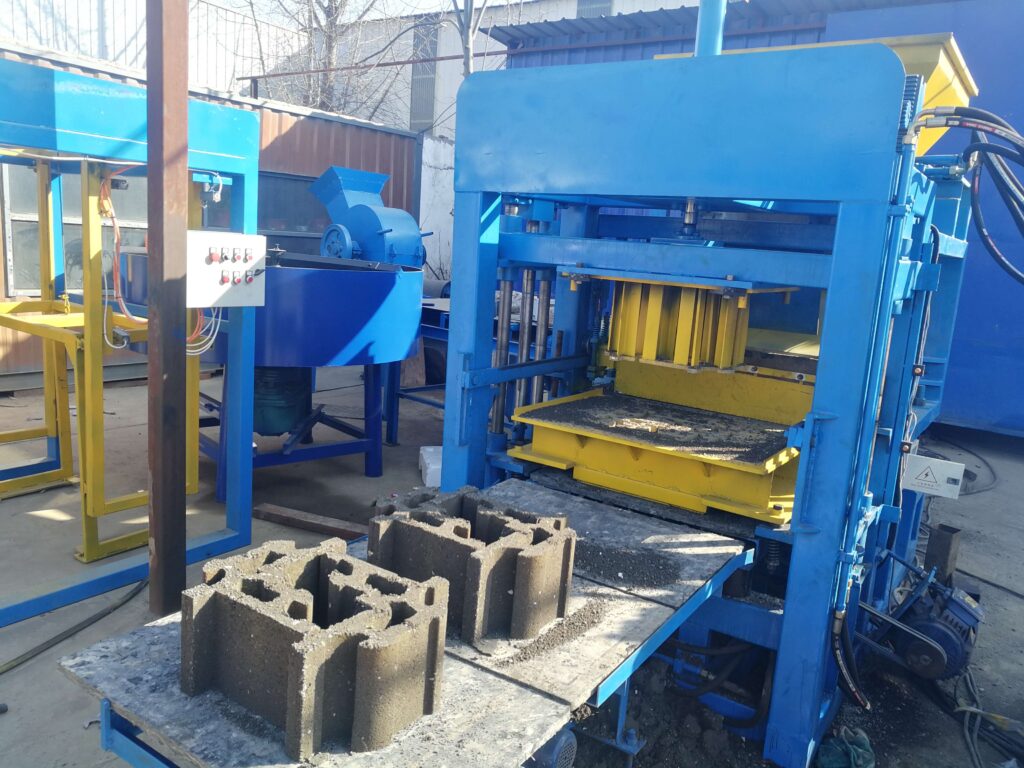
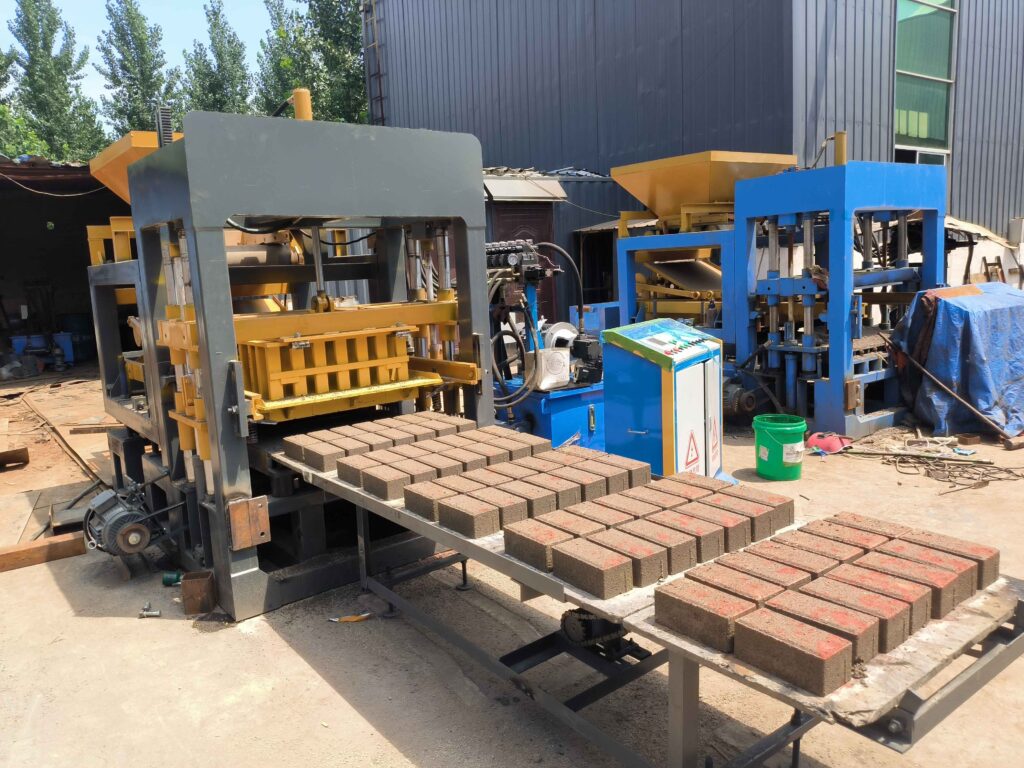
पूर्वी अफ्रीकी ईंट ब्लॉक निर्माण क्षेत्र में एक स्पष्ट श्रेणीबद्ध संरचना दिखाई देती है, जिसमें स्पष्ट रूप से परिभाषित ग्राहक वर्ग हैं, जिनमें से प्रत्येक की विशिष्ट उपकरण आवश्यकताएं और खरीद व्यवहार हैं। मूल स्तर पर, हम कारीगर और छोटे पैमाने के ऑपरेटर पाते हैं जो आमतौर पर मैनुअल या अर्ध-स्वचालित उपकरणों का उपयोग करते हैं, जिनकी उत्पादन क्षमता प्रतिदिन 500 से 2,000 ब्लॉक तक होती है। ये उद्यमी अक्सर उपनगरीय क्षेत्रों में काम करते हैं और आमतौर पर इनकी पूंजी तक सीमित पहुंच होती है, जिसके लिए लचीले वित्तपोषण विकल्पों और बुनियादी तकनीकी प्रशिक्षण की आवश्यकता होती है। मध्य बाजार खंड में स्थापित निर्माण कंपनियां और विशेष ब्लॉक निर्माता शामिल हैं जो अर्ध-स्वचालित और पूर्णतः स्वचालित मशीनों का संचालन करते हैं, जिनकी दैनिक उत्पादन क्षमता 2,000 से 10,000 ब्लॉक के बीच होती है। ये व्यवसाय गुणवत्ता के प्रति उच्च जागरूकता प्रदर्शित करते हैं और अक्सर सरकारी निविदाओं और निजी डेवलपर्स की परियोजनाओं के लिए आपूर्ति करते हैं। प्रीमियम खंड में बड़ी निर्माण फर्में, औद्योगिक संयंत्र और विशेष निर्माता शामिल हैं जो पूर्णतः स्वचालित उत्पादन लाइनों का संचालन करते हैं, जिनका उत्पादन प्रतिदिन 10,000 ब्लॉक से अधिक होता है, और अक्सर इसमें रोबोटिक हैंडलिंग और कंप्यूटरीकृत नियंत्रण प्रणाली जैसी उन्नत सुविधाएं शामिल होती हैं।
आर्थिक और बुनियादी ढांचे संबंधी विचार
आर्थिक परिदृश्य में अवसर और बाधाएँ दोनों मौजूद हैं, जो उपकरण चयन और व्यवसाय मॉडल विकास को महत्वपूर्ण रूप से प्रभावित करते हैं। मुद्रा अस्थिरता और आयात निर्भरता मूल्य निर्धारण में चुनौतियाँ पैदा करती हैं, विशेषकर ऐसे उपकरणों के लिए जिनमें विदेशी मुद्रा लेनदेन की आवश्यकता होती है। पारंपरिक वित्तपोषण विकल्पों तक सीमित पहुँच के कारण रचनात्मक समाधानों की आवश्यकता है, जैसे आपूर्तिकर्ता-समर्थित वित्तपोषण व्यवस्थाएँ और उपकरण पट्टा कार्यक्रम। बुनियादी ढाँचे की सीमाएँ, विशेषकर बिजली आपूर्ति और परिवहन नेटवर्क में, मशीनरी डिज़ाइन में विशिष्ट तकनीकी अनुकूलन की माँग करती हैं। उपकरणों को बार-बार होने वाले बिजली के उतार-चढ़ाव को संभालने के लिए इंजीनियर किया जाना चाहिए, जिसमें जनरेटर संगतता और ऊर्जा-कुशल संचालन के विकल्प महत्वपूर्ण विक्रय बिंदु बन जाते हैं। परिवहन बुनियादी ढाँचा उपकरण वितरण रसद और बिक्री-पश्चात सेवा प्रावधान दोनों को प्रभावित करता है, जिसके लिए सेवा केंद्रों और स्पेयर पार्ट्स इन्वेंट्री की रणनीतिक नियुक्ति आवश्यक है।
तकनीकी विशिष्टताएँ और उत्पाद अनुकूलन
स्थानीय स्थितियों के लिए मशीन कॉन्फ़िगरेशन
सफल बाजार पैठ के लिए स्थानीय परिचालन स्थितियों और उपलब्ध संसाधनों के अनुरूप तकनीकी विशिष्टताओं पर सावधानीपूर्वक विचार करना आवश्यक है। बिजली की आवश्यकताओं को प्रचलित तीन-चरण विद्युत प्रणालियों के अनुरूप होना चाहिए, साथ ही अविश्वसनीय ग्रिड बिजली वाले क्षेत्रों के लिए बैकअप विकल्प प्रदान करने चाहिए। मजबूत वोल्टेज स्थिरीकरण प्रणाली और जनरेटर अनुकूलता वाली मशीनें ग्राहक संतुष्टि में उल्लेखनीय वृद्धि और रखरखाव आवश्यकताओं में कमी दर्शाती हैं। उत्पादन क्षमता को बाजार की मांग से मेल खाना चाहिए, जिसमें मॉड्यूलर डिजाइन व्यवसायों के विस्तार के साथ भविष्य में वृद्धि की अनुमति देते हैं। सबसे सफल उपकरण कॉन्फ़िगरेशन आमतौर पर प्रति 8-घंटे की शिफ्ट में 1,500 से 8,000 ब्लॉक के बीच उत्पादन क्षमता प्रदान करते हैं, जो प्रारंभिक निवेश और विकास क्षमता के बीच संतुलन स्थापित करते हैं।
सामग्री अनुकूलता और उत्पादन दक्षता
कच्चे माल के प्रसंस्करण में बहुमुखी प्रतिभा उन बाजारों में एक महत्वपूर्ण प्रतिस्पर्धात्मक लाभ का प्रतिनिधित्व करती है जो विविध सामग्री उपलब्धता द्वारा विशेषता रखते हैं। उपकरणों को स्थानीय रूप से उपलब्ध सामग्रियों जैसे ज्वालामुखी राख, खदान धूल, और विभिन्न समुच्चय संयोजनों को कुशलतापूर्वक संसाधित करना चाहिए, साथ ही लगातार आउटपुट गुणवत्ता बनाए रखनी चाहिए। उन्नत कंपन प्रणालियाँ जो विभिन्न सामग्री संरचनाओं के साथ उचित संघनन सुनिश्चित करती हैं, उत्पादन में अस्वीकार और सामग्री की बर्बादी को काफी कम करती हैं। रखरखाव की सुगमता और सादगी प्रमुख विचार बन जाते हैं, जिनमें डिजाइन में पहनने वाले भागों तक आसान पहुंच, सरल समायोजन तंत्र, और स्पष्ट रखरखाव प्रोटोकॉल पर जोर दिया जाता है। जटिल रखरखाव आवश्यकताओं या आयातित विशेष उपकरणों पर निर्भरता वाले उपकरण दूरस्थ स्थानों में महत्वपूर्ण परिचालन चुनौतियों का सामना करते हैं।
वितरण और समर्थन अवसंरचना
चैनल विकास और भागीदार चयन
प्रभावी वितरण चैनल स्थापित करने के लिए तकनीकी क्षमता, वित्तीय स्थिरता और बाजार प्रतिष्ठा के आधार पर संभावित भागीदारों का सावधानीपूर्वक मूल्यांकन आवश्यक है। चयन प्रक्रिया में ऐसे भागीदारों को प्राथमिकता दी जानी चाहिए जिनके पास प्रदर्शित तकनीकी दक्षता, पर्याप्त कार्यशाला सुविधाएं और बुनियादी स्थापना एवं रखरखाव सेवाएं प्रदान करने में सक्षम प्रशिक्षित कर्मचारी हों। वित्तीय मूल्यांकन में पूंजीकरण की पर्याप्तता और ऋण योग्यता की पुष्टि आवश्यक है, विशेष रूप से कंसाइनमेंट स्टॉक व्यवस्थाओं या विस्तारित भुगतान शर्तों पर विचार करते समय। बाजार प्रतिष्ठा और मौजूदा ग्राहक संबंध बाजार खुफिया जानकारी और प्रारंभिक ग्राहक अधिग्रहण के लिए मूल्यवान चैनल प्रदान करते हैं। सफल साझेदारियों में आमतौर पर स्पष्ट प्रदर्शन मापदंड, परिभाषित क्षेत्रीय अधिकार और संरचित सहायता कार्यक्रम शामिल होते हैं, जिनमें तकनीकी प्रशिक्षण, विपणन सहायता और इन्वेंट्री वित्तपोषण शामिल हैं।
बिक्री के बाद सेवा और सहायता प्रणालियाँ
व्यापक बिक्री-पश्चात सेवा क्षमताओं का विकास उन बाजारों में एक महत्वपूर्ण सफलता कारक है जहाँ सीमित तकनीकी विशेषज्ञता और चुनौतीपूर्ण परिचालन स्थितियाँ होती हैं। सेवा नेटवर्क योजना में प्रमुख ग्राहक समूहों की उचित प्रतिक्रिया दूरी के भीतर रणनीतिक सेवा स्थानों की स्थापना करनी चाहिए, विशेषकर आपातकालीन मरम्मत के लिए 4-6 घंटे की यात्रा समय के भीतर। स्पेयर पार्ट्स प्रबंधन में विफलता दर और महत्वपूर्णता का सावधानीपूर्वक विश्लेषण आवश्यक है, जिसमें उच्च-घिसाव वाले घटकों और तेजी से चलने वाले स्पेयर पार्ट्स का स्थानीय भंडारण शामिल है। कम्प्यूटरीकृत इन्वेंट्री प्रबंधन प्रणालियों का कार्यान्वयन पूंजी निवेश को न्यूनतम करते हुए इष्टतम स्टॉक स्तर बनाए रखने में मदद करता है। तकनीकी सहायता बुनियादी ढांचे में अच्छी तरह से सुसज्जित सेवा वाहन, नैदानिक उपकरण और दूरस्थ समस्या निवारण को सक्षम करने वाली संचार प्रणालियाँ शामिल होनी चाहिए। प्रशिक्षण कार्यक्रमों में ऑपरेटर दक्षता और तकनीशियन क्षमताओं दोनों को संबोधित किया जाना चाहिए, जिसमें नियमित कौशल वृद्धि सत्र और प्रमाणन कार्यक्रम शामिल हों।
बाजार विकास रणनीति
ग्राहक शिक्षा और जागरूकता निर्माण
Market development initiatives must address both technical understanding and business case appreciation among potential customers. Demonstration units and mobile showrooms provide powerful platforms for showcasing equipment capabilities and building customer confidence. Practical training sessions covering operation, maintenance, and basic troubleshooting help overcome technical apprehension and build user competence. Business development support, including assistance with business planning, cost analysis, and market identification, helps potential customers visualize the economic viability of equipment investment. Success stories and case studies from similar market conditions provide social proof and reduce perceived investment risk.
Financing Solutions and Purchase facilitation
Developing accessible financing options dramatically expands the potential customer base beyond cash purchasers. Collaboration with local financial institutions to create specialized equipment financing programs with realistic repayment terms and reasonable collateral requirements addresses a major market barrier. Supplier-supported financing arrangements, including installment payment plans and lease-to-own options, provide flexibility for customers with limited access to conventional financing. Microfinance partnerships can extend equipment accessibility to small-scale entrepreneurs through group lending models and progressive equipment acquisition programs. Government and development agency partnerships may provide additional financing channels through subsidized loan programs and grant schemes supporting small business development.
Competitive Landscape and Positioning
Value Proposition Development
Successful market positioning requires clear differentiation based on tangible customer benefits rather than mere technical specifications. Reliability and durability claims must be supported by performance guarantees and validated by reference customers operating in similar conditions. Total cost of ownership calculations demonstrating lower operating costs, reduced downtime, and higher residual values provide compelling arguments against lower-priced competitors. Local adaptation and understanding of specific market needs create strong customer relationships and repeat business opportunities. Environmental and social responsibility aspects, including energy efficiency, waste reduction, and community impact, increasingly influence purchasing decisions among development organizations and corporate clients.
Strategic Partnerships and Alliances
Developing strategic relationships with complementary businesses and organizations creates synergies and expands market reach. Collaboration with material suppliers creates integrated solutions addressing both equipment and raw material needs. Partnerships with training institutions and vocational schools help develop skilled operators and technicians while creating recruitment channels for customers. Relationships with government agencies and regulatory bodies facilitate compliance understanding and participation in public procurement opportunities. Industry association membership provides networking opportunities, market intelligence, and collective advocacy capabilities.
निष्कर्ष
The East African block brick making equipment market offers substantial opportunities for suppliers who approach it with strategic planning, cultural understanding, and long-term commitment. Success requires balancing technical excellence with practical adaptability, combining quality equipment with comprehensive support services, and developing sustainable business models that create value for all stakeholders. The ongoing urbanization and infrastructure development across the region ensure continued market growth, while increasing quality consciousness and environmental considerations drive demand for more sophisticated equipment solutions. Suppliers who invest in understanding local market dynamics, develop strong distribution partnerships, and maintain focus on customer success will be well-positioned to capitalize on these opportunities and build sustainable businesses in this promising market.
अक्सर पूछे जाने वाले प्रश्न (एफएक्यू)
Q1: What are the typical power requirements for block making machines in this market?
ए: Most operations utilize three-phase power systems with voltages ranging from 380-415V. However, given the unreliable nature of grid power in many locations, successful equipment configurations typically include built-in voltage stabilization and compatibility with generator operations. Many suppliers recommend and provide integrated power management systems that automatically switch between grid power and generators during outages.
Q2: How does the spare parts availability and support system work in remote areas?
ए: Established suppliers maintain central spare parts depots in major urban centers supported by strategically located satellite inventories in regional hubs. Critical wear parts are typically stocked within 4-6 hours of major customer locations. Emergency response protocols prioritize rapid parts delivery through various transportation options