Estrutura Atual do Mercado e Segmentação de Clientes
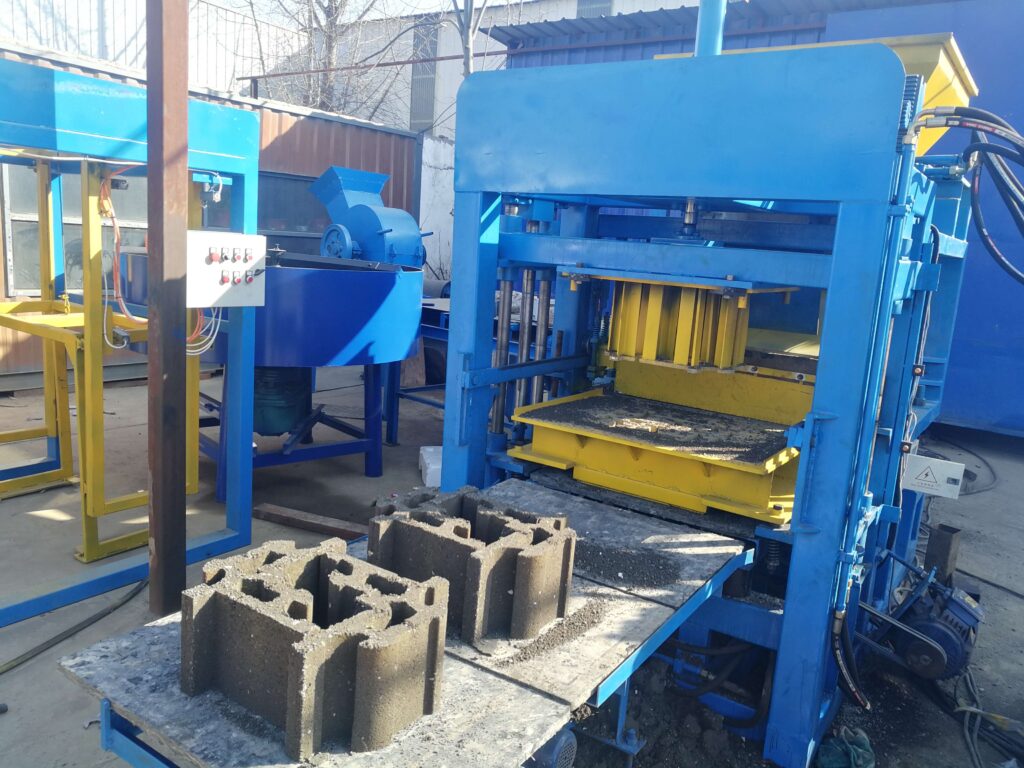
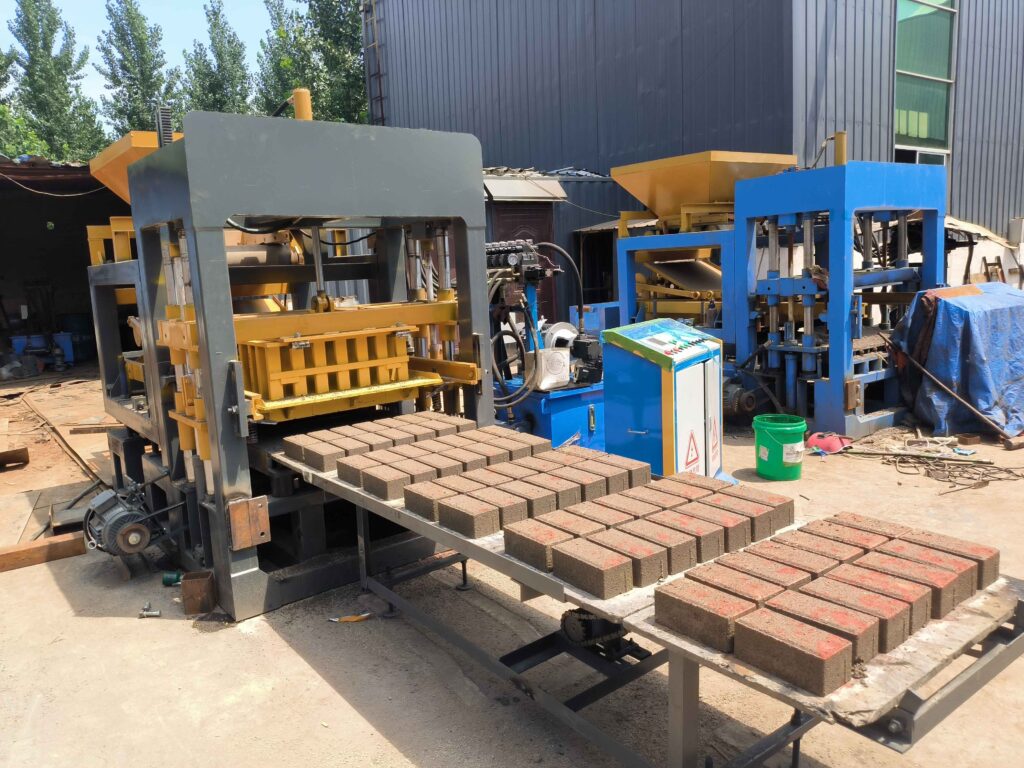
O setor de fabricação de blocos de construção na África Oriental apresenta uma estrutura hierárquica distinta com segmentos de clientes claramente definidos, cada um com requisitos específicos de equipamentos e comportamentos de compra. No nível básico, encontramos os operadores artesanais e de pequena escala que normalmente utilizam equipamentos manuais ou semiautomáticos com capacidades de produção variando de 500 a 2.000 blocos por dia. Esses empreendedores geralmente atuam em áreas periurbanas e costumam ter acesso limitado a capital, necessitando de opções de financiamento flexíveis e treinamento técnico básico. O segmento de mercado intermediário consiste em empresas de construção estabelecidas e fabricantes especializados de blocos que operam máquinas semiautomáticas e totalmente automáticas com capacidades de produção diária entre 2.000 e 10.000 blocos. Esses negócios demonstram maior consciência de qualidade e frequentemente fornecem projetos para licitações governamentais e empreendedores privados. O segmento premium inclui grandes construtoras, plantas industriais e fabricantes especializados que operam linhas de produção totalmente automatizadas com produções superiores a 10.000 blocos diários, frequentemente incorporando recursos avançados como manipulação robótica e sistemas de controle computadorizado.
Considerações Econômicas e de Infraestrutura
O cenário econômico apresenta tanto oportunidades quanto limitações que influenciam significativamente a seleção de equipamentos e o desenvolvimento de modelos de negócios. A volatilidade cambial e a dependência de importações criam desafios de precificação, especialmente para equipamentos que exigem transações em moeda estrangeira. O acesso limitado a opções de financiamento convencionais exige soluções criativas, incluindo arranjos de financiamento apoiados por fornecedores e programas de leasing de equipamentos. As limitações de infraestrutura, particularmente no fornecimento de energia e redes de transporte, exigem adaptações técnicas específicas no design das máquinas. Os equipamentos devem ser projetados para lidar com flutuações frequentes de energia, com opções de compatibilidade com geradores e operação energeticamente eficiente tornando-se pontos de venda críticos. A infraestrutura de transporte afeta tanto a logística de entrega de equipamentos quanto a prestação de serviços pós-venda, exigindo o posicionamento estratégico de centros de serviço e estoques de peças de reposição.
Especificações Técnicas e Adaptação do Produto
Configuração da Máquina para Condições Locais
Uma penetração bem-sucedida no mercado exige uma consideração cuidadosa das especificações técnicas alinhadas com as condições operacionais locais e os recursos disponíveis. Os requisitos de energia devem acomodar os sistemas elétricos trifásicos predominantes, ao mesmo tempo que oferecem opções de backup para áreas com fornecimento de energia instável. Máquinas projetadas com sistemas robustos de estabilização de tensão e compatibilidade com geradores demonstram satisfação do cliente significativamente maior e menores necessidades de manutenção. A capacidade de produção deve ser compatível com a demanda do mercado, com projetos modulares que permitam expansão futura à medida que os negócios crescem. As configurações de equipamento mais bem-sucedidas normalmente oferecem capacidades de produção entre 1.500 e 8.000 blocos por turno de 8 horas, equilibrando o investimento inicial com o potencial de crescimento.
Material Compatibility and Production Efficiency
The versatility in raw material processing represents a crucial competitive advantage in markets characterized by diverse material availability. Equipment must efficiently process locally available materials including volcanic ash, quarry dust, and various aggregate combinations while maintaining consistent output quality. Advanced vibration systems that ensure proper compaction with different material compositions significantly reduce production rejects and material waste. Maintenance accessibility and simplicity become paramount considerations, with designs emphasizing easy access to wear parts, straightforward adjustment mechanisms, and clear maintenance protocols. Equipment with complex maintenance requirements or dependency on imported specialized tools faces significant operational challenges in remote locations.
Distribution and Support Infrastructure
Channel Development and Partner Selection
Establishing effective distribution channels requires careful evaluation of potential partners based on technical capability, financial stability, and market reputation. The selection process should prioritize partners with demonstrated technical competence, adequate workshop facilities, and trained personnel capable of providing basic installation and maintenance services. Financial assessment must verify capitalization adequacy and creditworthiness, particularly when considering consignment stock arrangements or extended payment terms. Market reputation and existing customer relationships provide valuable channels for market intelligence and initial customer acquisition. Successful partnerships typically involve clear performance metrics, defined territorial rights, and structured support programs including technical training, marketing assistance, and inventory financing.
After-Sales Service and Support Systems
The development of comprehensive after-sales support capabilities represents a critical success factor in markets characterized by limited technical expertise and challenging operating conditions. Service network planning must establish strategic service locations within reasonable response distance of major customer concentrations, typically within 4-6 hours travel time for emergency repairs. Spare parts management requires careful analysis of failure rates and criticality, with local stocking of high-wear components and fast-moving spare parts. Implementation of computerized inventory management systems helps maintain optimal stock levels while minimizing capital investment. Technical support infrastructure should include well-equipped service vehicles, diagnostic equipment, and communication systems enabling remote troubleshooting. Training programs must address both operator competence and technician capabilities, with regular skill enhancement sessions and certification programs.
Market Development Strategy
Customer Education and Awareness Building
Market development initiatives must address both technical understanding and business case appreciation among potential customers. Demonstration units and mobile showrooms provide powerful platforms for showcasing equipment capabilities and building customer confidence. Practical training sessions covering operation, maintenance, and basic troubleshooting help overcome technical apprehension and build user competence. Business development support, including assistance with business planning, cost analysis, and market identification, helps potential customers visualize the economic viability of equipment investment. Success stories and case studies from similar market conditions provide social proof and reduce perceived investment risk.
Financing Solutions and Purchase facilitation
Developing accessible financing options dramatically expands the potential customer base beyond cash purchasers. Collaboration with local financial institutions to create specialized equipment financing programs with realistic repayment terms and reasonable collateral requirements addresses a major market barrier. Supplier-supported financing arrangements, including installment payment plans and lease-to-own options, provide flexibility for customers with limited access to conventional financing. Microfinance partnerships can extend equipment accessibility to small-scale entrepreneurs through group lending models and progressive equipment acquisition programs. Government and development agency partnerships may provide additional financing channels through subsidized loan programs and grant schemes supporting small business development.
Competitive Landscape and Positioning
Value Proposition Development
Successful market positioning requires clear differentiation based on tangible customer benefits rather than mere technical specifications. Reliability and durability claims must be supported by performance guarantees and validated by reference customers operating in similar conditions. Total cost of ownership calculations demonstrating lower operating costs, reduced downtime, and higher residual values provide compelling arguments against lower-priced competitors. Local adaptation and understanding of specific market needs create strong customer relationships and repeat business opportunities. Environmental and social responsibility aspects, including energy efficiency, waste reduction, and community impact, increasingly influence purchasing decisions among development organizations and corporate clients.
Strategic Partnerships and Alliances
Developing strategic relationships with complementary businesses and organizations creates synergies and expands market reach. Collaboration with material suppliers creates integrated solutions addressing both equipment and raw material needs. Partnerships with training institutions and vocational schools help develop skilled operators and technicians while creating recruitment channels for customers. Relationships with government agencies and regulatory bodies facilitate compliance understanding and participation in public procurement opportunities. Industry association membership provides networking opportunities, market intelligence, and collective advocacy capabilities.
Conclusion
The East African block brick making equipment market offers substantial opportunities for suppliers who approach it with strategic planning, cultural understanding, and long-term commitment. Success requires balancing technical excellence with practical adaptability, combining quality equipment with comprehensive support services, and developing sustainable business models that create value for all stakeholders. The ongoing urbanization and infrastructure development across the region ensure continued market growth, while increasing quality consciousness and environmental considerations drive demand for more sophisticated equipment solutions. Suppliers who invest in understanding local market dynamics, develop strong distribution partnerships, and maintain focus on customer success will be well-positioned to capitalize on these opportunities and build sustainable businesses in this promising market.
Frequently Asked Questions (FAQ)
Q1: What are the typical power requirements for block making machines in this market?
A: Most operations utilize three-phase power systems with voltages ranging from 380-415V. However, given the unreliable nature of grid power in many locations, successful equipment configurations typically include built-in voltage stabilization and compatibility with generator operations. Many suppliers recommend and provide integrated power management systems that automatically switch between grid power and generators during outages.
Q2: How does the spare parts availability and support system work in remote areas?
A: Established suppliers maintain central spare parts depots in major urban centers supported by strategically located satellite inventories in regional hubs. Critical wear parts are typically stocked within 4-6 hours of major customer locations. Emergency response protocols prioritize rapid parts delivery through various transportation options