
Nemo Madaidaicin Masana'anta na Ingancin Injin Yin Tubalin Siminti: Cikakken Bincike a kan FUDA
Ga 'yan kasuwa na gine-gine da masu kera bulo, neman ingantattun injina masu aminci, masu inganci, wani muhimmin yanke shawara ne wanda ke tasiri kai tsaye kan yawan samarwa, ingancin samfur, da riba na dogon lokaci. A cikin masana'antar da hutun aiki ke daidaita da babban asarar kuɗi, zaɓin masana'antar kayan aikin ku yana da mahimmanci kamar ƙayyadaddun ƙayyadaddun injin da kanta. Haɓakar ababen more rayuwa da buƙatun gidaje a duniya ya sanya injinan yin bulo ta atomatik ya zama kadarori masu mahimmanci. Duk da haka, kasuwa ta cika da zaɓuɓɓuka, yana sa ya zama ƙalubale a bambanta ingancin gaske da iƙirari na zahiri.
Wannan jagorar za ta bincika ainihin sifofin da ke ayyana ma’anar “kyakkyawan inganci” na masana’antar injin yin tubalin siminti. Za mu wuce maganganun tallace-tallace don bincika ainihin abubuwan da ke tabbatar da cikin zuba jarinku yana da inganci—tun daga ƙwarewar masana’antu har zuwa amincin tallafin bayan sayarwa. Don tabbatar da waɗannan ƙa’idodin a cikin mahallin duniya, za mu yi amfani da sanannenKamar hakar tubalin FUDAa matsayin babban binciken shari'a, yin nazari kan yadda ayyukansa suka dace da ma'auni na masana'antu don kyakkyawan aiki. Abubuwan da ke cikin wannan an tattara su ne daga nazarin masana'antu, bitar ƙayyadaddun fasaha, da kuma ingantattun ayyuka, waɗanda aka tsara don ba ku ikon yin amfani da tsarin amintacce don yanke shawara mai inganci.
Menene Ya Ayyana Masana'antar Kera Na'urar Yin Tubalin Siminti "Mai Inganci"?
Zaɓin masana'anta shine haɗin gwiwa da tushen ƙarfinsu na samarwa. Masana'anta mai inganci tsarin fasaha ne na ƙwararrun injiniya, kimiyyar kayan aiki, da kuma tsauraran matakan sarrafa aiki. Ga waɗannan ginshiƙan da ba za a iya sasantawa ba waɗanda ke raba shugabannin masana'antu da sauran.
Ƙwarewar Masana'antu da Ƙwarewar Fasaha
Ginshiƙin ingantaccen na'ura an kafa shi a kan allon zane da kuma a sashin injiniyanci. Babban masana'anta yana saka hannun jari sosai a cikin Bincike da Haɓakawa (R&D) na cikin gida.
- Wannan yana ba da damar ci gaba da kirkire-kirkire a cikin tsarin girgiza, da'irorin ruwa, da software na sarrafawa, wanda ke haifar da ingantattun injina masu dorewa.
- Nemi ƙungiya mai ƙwararrun injiniyoyin injiniya, lantarki, da na farar hula waɗanda suka fahimci ba kawai taron na'ura ba, har da ilimin kimiyyar kayan siminti.
- Bin ƙa'idodin ƙasa da ƙasa na amincin injiniyoyi, ƙimar matsa lamba na ruwa, da tsarin lantarki (kamar takaddun shaidar CE) mafi ƙarancin ma'auni ne, ba abin alatu ba ne. Yana nuna himma ga amincin da aka tsara a cikin ƙira.
Ingancin Kaya da Sarrafa Silsilar Wadata
Na'ura tana da ƙarfi kamar yadda mafi raunin sassanta yake. Masana'antun ƙima suna aiwatar da tsauraran kulawa akan sarkar wadatar su.
- Tsarin ginin ya kamata an yi shi da farantin karfe mai inganci, mai jurewa lalacewa don jure girgiza da kaya akai-akai.
- Abubuwa masu mahimmanci—kamar famfunan ruwa daga sanannun alamu (misali, Rexroth, Kawasaki), Masu Gudanar da Lantarki na Masana'antu (PLCs), da injunan girgiza masu inganci—ya kamata a samo su daga masu samarwa da aka tabbatar da su.
- Transparent factories will specify these component brands, as this directly correlates to machine uptime and consistent block density.
Quality Control Processes from Foundry to Finish
Quality cannot be inspected into a product; it must be built into every step. A multi-stage QC protocol is essential.
- Binciken Kayan Shigo Verifying material certificates and dimensions for all steel and purchased components.
- Bincike a cikin Tsari: Monitoring critical processes like welding (for penetration and lack of porosity), machining tolerances, and sub-assembly alignment.
- Pre-Delivery Testing: Every machine should undergo rigorous testing, including dry-run cycles to check mechanical movement, hydraulic pressure tests to ensure leak-free performance, and vibration system calibration.
Production Capacity and Technological Modernization
Scale and modernity are often indicators of consistency and precision.
- A factory with significant production capacity is more likely to have standardized processes that reduce variability between units.
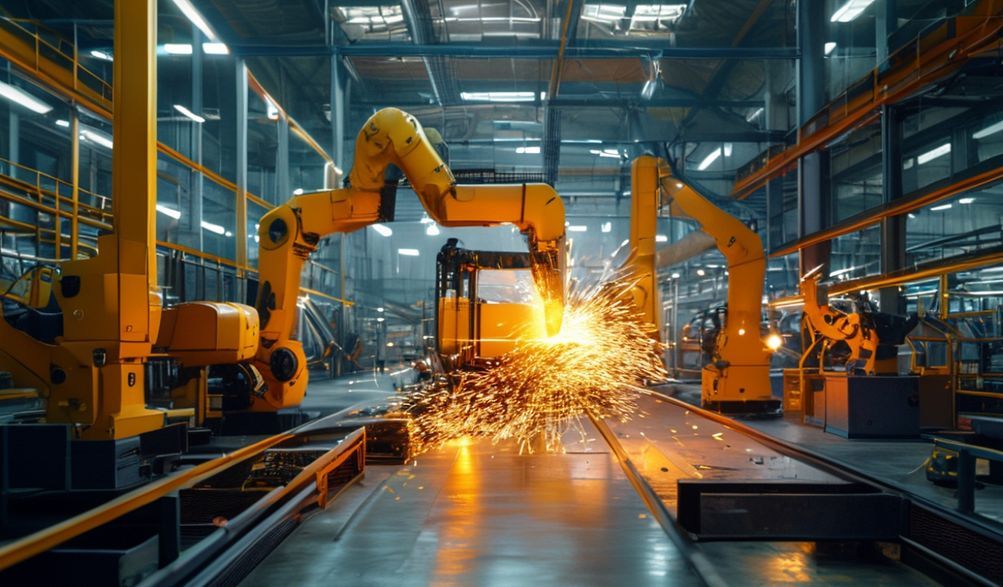
- The use of Computer Numerical Control (CNC) plasma cutters, robotic welding arms, and automated painting lines ensures part interchangeability, structural integrity, and a finish that resists corrosion.
- Modern factories can also reliably fulfill large orders and maintain inventory of common spare parts, which is crucial for your business continuity.
Deep Dive: Evaluating the FUDA Block Making Factory
As a prominent name in the block machinery sector, FUDA serves as a relevant example to apply our quality framework. Let’s evaluate its offerings against the established criteria.
Company Background and Industry Standing
FUDA Machinery Manufacturing Co., Ltd. is a Chinese-based manufacturer with a stated history of over two decades in construction machinery. The company positions itself as an integrated enterprise involved in R&D, production, and sales.
- Its market presence is global, with exports to regions including Africa, Southeast Asia, the Middle East, and South America—indicating an ability to adapt machines to diverse market needs and climatic conditions.
- Participation in international trade fairs (a common practice for manufacturers like FUDA) is a positive signal of its engagement with the global market and commitment to showcasing its technological developments.
Analysis of FUDA’s Machine Range and Technical Specifications
FUDA typically offers a wide product portfolio, which is a strength for catering to different business scales. Key categories often include:
- Na'urorin Wucin Gadi/Na'urorin Wucin Gadi na Rago-Rago: Lower-cost entry points for small-scale startups.
- Cikakken Kayan Aikin Gina Tubalan Gine-gine na Atomatik: The core of most medium to large plants, featuring automatic material feeding, molding, and pallet return systems.
- Na'urorin Tura Tubalin na Wayar Hanka: For on-site production, a popular solution in many developing markets.
When examining technical specs from their published materials, a discerning buyer should focus on:
- Lokacin Zagayowar: How many blocks per hour/day can a specific model produce? Compare this against the power consumption for efficiency.
- Pressure Force (Kn): A key indicator of the machine’s ability to produce high-density, load-bearing blocks.
- Tsarin Girgiza: The configuration (e.g., table vibration, combined mold vibration) and motor power determine how well the concrete is compacted and voids are eliminated.
- Matsayin Sarrafa Kansa: Does it use a PLC with a user-friendly touchscreen? Is there an automatic pallet feeder and stacker?
Assessing FUDA’s Manufacturing and Quality Assurance
Publicly available information from FUDA highlights a focus on manufacturing infrastructure. They often emphasize:
- A large factory space equipped with modern machining centers.
- A stated commitment to QC with processes like ultrasonic testing for welds.
- Assembly lines dedicated to different machine models.
Ma'anoni: This suggests a production environment geared towards volume and standardization. For a buyer, this translates to potential benefits in terms of consistent build quality and the ability to handle sizable orders. However, it underscores the necessity of verifying these claims through evidence like factory audit reports or customer testimonials specific to long-term machine performance.
After-Sales Support and Service Network
This is the ultimate test of a factory’s trustworthiness and long-term partnership value. FUDA, like many exporters, typically structures its support around:
- Warranty: Usually a 12-month warranty on the main frame and key components, which is industry-standard. The clarity of warranty terms (what’s included/excluded) is vital.
- Kayan Gyara: Availability of a comprehensive parts catalog and a commitment to supplying wear parts (like mold liners, springs, seals) is critical.
- Tallafin Fasaha: Provision of installation drawings, electrical diagrams, and operation manuals in English (or your required language). The availability of remote video support or on-site installation supervision (often at an extra cost) is a key differentiator.
- Horarwa: Offering training videos or manuals for operators and maintenance personnel reduces your startup risks.
Key Factors to Compare When Choosing Your Factory Partner
Armed with a general framework, your final decision requires a side-by-side comparison tailored to your unique situation.
Machine Performance vs. Your Project Requirements
A quality factory is one that provides the right machine for ka needs, not just their best-selling model.
- Ƙarfin Fitowa: Match the machine’s daily production (e.g., 10,000 blocks vs. 50,000 blocks) to your sales forecasts and storage capacity.
- Nau'in Tubalan Ensure the factory can provide molds for the specific block types (hollow, solid, paver, interlocking) demanded in your local market.
- Kayan Aiki: Confirm the machine is compatible with the aggregate sizes and cement types available in your region.
Total Cost of Ownership (TCO) Analysis
The purchase price is just the entry ticket. A quality factory saves you money over 5-10 years.
- Ingantaccen Amfani da Makamashi: Compare the total connected load (KwH) of shortlisted models. A slightly more expensive but efficient machine can have a significantly lower operating cost.
- Kudin Kulawa: Machines with standardized, readily available parts and accessible design for servicing will have lower downtime and maintenance expenses.
- Tsawon Rayuwa: A machine built with 10mm steel plate and premium hydraulics from a quality factory will outlast a cheaper alternative by years, dramatically improving ROI.
Verifying Credentials and Seeking Proof
Trust, but verify. Due diligence is non-negotiable.
- Takaddun shaida: Request copies of ISO, CE, or other relevant quality management system certifications.
- References: Ask for contact information for 2-3 previous clients in a region similar to yours. Speak to them directly about machine performance and after-sales service.
- Visual Evidence: Request a live video tour of the factory floor, focusing on the assembly area for the model you’re interested in. Ask for close-up photos of weld points, the hydraulic station, and the control panel.
- Documentation: Review the product manual kafin purchasing. Its clarity and detail are strong indicators of technical professionalism.
The Importance of Clear Communication and Customization
Evaluate the factory’s responsiveness and technical dialogue during the inquiry stage.
- Are they asking detailed questions about your project?
- Can they provide knowledgeable technical consultation on optimizing your production line?
- Are they willing and able to offer minor customizations, such as a different pallet size or a specific voltage requirement? This flexibility is a hallmark of a true partner.
Tambayoyin da ake yawan yi (FAQ)
Q1: What is the typical lead time for a machine from a factory like FUDA?
A: Lead times vary significantly based on model complexity, level of customization, and current order backlog. For a standard model, it can range from 30 to 60 days after down payment. A reputable factory will provide a clear, written production and shipping schedule upon order confirmation.
Q2: How can I verify the quality claims of a block machine factory remotely?
A: Beyond references, request: 1) High-resolution videos of a machine under test production, 2) Macro photos of welds and surface treatment, 3) Copies of component supplier certificates, 4) A virtual meeting with their head engineer to discuss your technical concerns.
Q3: Are machines from factories like FUDA suitable for starting a small block business?
A: Yes, quality factories typically offer scalable solutions. Starting with a robust manual or semi-automatic model from a reputable manufacturer is often smarter than buying a cheap, fully automatic line from an unknown source. It allows you to build capital and expertise, often with the option to upgrade within the same brand’s ecosystem later.
Q4: What after-sales support should I insist on before purchasing?
A: Secure a written agreement covering: 1) A detailed warranty certificate, 2) A complete spare parts price list, 3) Commitment to supply installation drawings and manuals, 4) Access to designated technical support contacts (email/WhatsApp), and 5) The option for paid on-site installation guidance if needed.
Ƙarshe
In conclusion, identifying a “good quality” concrete block making machine factory requires looking beyond glossy brochures to assess the synergy of robust engineering, transparent manufacturing processes, and unwavering post-purchase support. It is a holistic evaluation where material integrity, controlled production, and a proven service network are the true indicators of long-term value.
Factories like FUDDA present a strong profile in the market, with an established product range and significant export experience that speaks to a certain level of capability. However, their suitability for your project is not automatic. The ultimate decision must be grounded in a thorough, side-by-side comparison against your specific checklist of quality benchmarks, applied equally to all shortlisted suppliers.
We encourage you to use this outline as a practical due diligence framework. Contact multiple factories with detailed, technical questions. Request concrete evidence of their claims. Prioritize the long-term partnership value and Total Cost of Ownership over the lowest initial price. By doing so, you invest not just in a machine, but in the reliable foundation of your block manufacturing business for years to come.
<