
Tìm Kiếm Nhà Máy Sản Xuất Máy Làm Gạch Bê Tông Chất Lượng: Cái Nhìn Chi Tiết Về FUDA
Đối với các doanh nghiệp xây dựng và nhà sản xuất gạch block, việc tìm kiếm máy móc chất lượng cao, đáng tin cậy là một quyết định then chốt, ảnh hưởng trực tiếp đến năng suất, chất lượng sản phẩm và lợi nhuận lâu dài. Trong một ngành mà thời gian ngừng hoạt động đồng nghĩa với tổn thất tài chính đáng kể, việc lựa chọn nhà máy sản xuất thiết bị cũng quan trọng không kém so với thông số kỹ thuật của chính chiếc máy. Sự bùng nổ toàn cầu về nhu cầu cơ sở hạ tầng và nhà ở đã biến các máy làm gạch block bê tông tự động thành tài sản không thể thiếu. Tuy nhiên, thị trường tràn ngập các lựa chọn, khiến việc phân biệt chất lượng thực sự với những tuyên bố hời hợt trở nên đầy thách thức.
Hướng dẫn này sẽ phân tích các thuộc tính cốt lõi định nghĩa một nhà máy sản xuất máy đúc gạch bê tông thực sự "chất lượng cao". Chúng ta sẽ vượt ra ngoài ngôn ngữ tiếp thị để khám phá các yếu tố hữu hình—từ chuyên môn sản xuất đến sự chính trực trong dịch vụ hậu mãi—nhằm đảm bảo khoản đầu tư của bạn là vững chắc. Để minh họa những nguyên tắc này trong bối cảnh thực tế, chúng tôi sẽ sử dụngNhà máy sản xuất khối FUDAlàm một nghiên cứu điển hình chính, xem xét cách hoạt động của nó phù hợp với các tiêu chuẩn ngành cho sự xuất sắc. Những thông tin chi tiết ở đây được tổng hợp từ phân tích ngành, đánh giá thông số kỹ thuật và các phương pháp tốt nhất đã được thiết lập, nhằm trang bị cho bạn một khuôn khổ đáng tin cậy để đưa ra quyết định sáng suốt.
Điều Gì Định Nghĩa Một Nhà Máy Sản Xuất Máy Ép Gạch Bê Tông "Chất Lượng Cao"?
Lựa chọn nhà máy là việc hợp tác với nguồn cung cấp năng lực sản xuất của bạn. Một nhà máy chất lượng là một hệ sinh thái của tài năng kỹ thuật, khoa học vật liệu và kiểm soát quy trình nghiêm ngặt. Dưới đây là những trụ cột bắt buộc phân biệt những nhà dẫn đầu ngành với phần còn lại.
Chuyên Môn Sản Xuất và Trình Độ Kỹ Thuật
Nền tảng của một cỗ máy chất lượng được đặt trên bàn vẽ và trong phòng kỹ thuật. Một nhà máy ưu tú đầu tư sâu sắc vào Nghiên cứu & Phát triển (R&D) nội bộ.
- Điều này cho phép đổi mới liên tục trong hệ thống rung, mạch thủy lực và phần mềm điều khiển, dẫn đến những cỗ máy hiệu quả và bền bỉ hơn.
- Tìm kiếm một đội ngũ kỹ sư cơ khí, điện và xây dựng có trình độ, những người không chỉ hiểu về lắp ráp máy móc mà còn am hiểu khoa học vật liệu bê tông.
- Việc tuân thủ các tiêu chuẩn quốc tế về an toàn cơ khí, định mức áp suất thủy lực và hệ thống điện (như chứng nhận CE) là yêu cầu tối thiểu cơ bản, không phải điều xa xỉ. Điều này thể hiện cam kết về độ tin cậy được thiết kế sẵn.
Tính Toàn Vẹn Vật Liệu và Kiểm Soát Chuỗi Cung Ứng
Một cỗ máy chỉ mạnh bằng thành phần yếu nhất của nó. Các nhà máy cao cấp thực hiện kiểm soát nghiêm ngặt đối với chuỗi cung ứng của họ.
- Khung cấu trúc cần được chế tạo từ thép tấm chất lượng cao, chịu mài mòn để chịu được rung động và tải trọng liên tục.
- Các thành phần quan trọng—chẳng hạn như bơm thủy lực từ các thương hiệu uy tín (ví dụ: Rexroth, Kawasaki), Bộ điều khiển logic khả trình (PLC) cấp công nghiệp và động cơ rung cao cấp—nên được mua từ các nhà cung cấp đã được chứng nhận.
- Các nhà máy minh bạch sẽ chỉ định rõ nhãn hiệu linh kiện, vì điều này liên quan trực tiếp đến thời gian hoạt động của máy móc và độ đồng đều của khối sản phẩm.
Quy Trình Kiểm Soát Chất Lượng Từ Khâu Đúc Đến Hoàn Thiện
Chất lượng không thể được kiểm tra vào sản phẩm; nó phải được xây dựng vào từng bước. Một quy trình kiểm soát chất lượng nhiều giai đoạn là điều cần thiết.
- Kiểm tra Nguyên vật liệu Nhập khoKiểm tra chứng chỉ vật liệu và kích thước cho tất cả các thành phần thép và linh kiện mua ngoài.
- Kiểm Tra Trong Quy TrìnhGiám sát các quy trình quan trọng như hàn (đảm bảo độ ngấu và không có lỗ rỗng), dung sai gia công và căn chỉnh cụm lắp ráp.
- Kiểm tra trước khi giao hàng Every machine should undergo rigorous testing, including dry-run cycles to check mechanical movement, hydraulic pressure tests to ensure leak-free performance, and vibration system calibration.
Production Capacity and Technological Modernization
Scale and modernity are often indicators of consistency and precision.
- A factory with significant production capacity is more likely to have standardized processes that reduce variability between units.
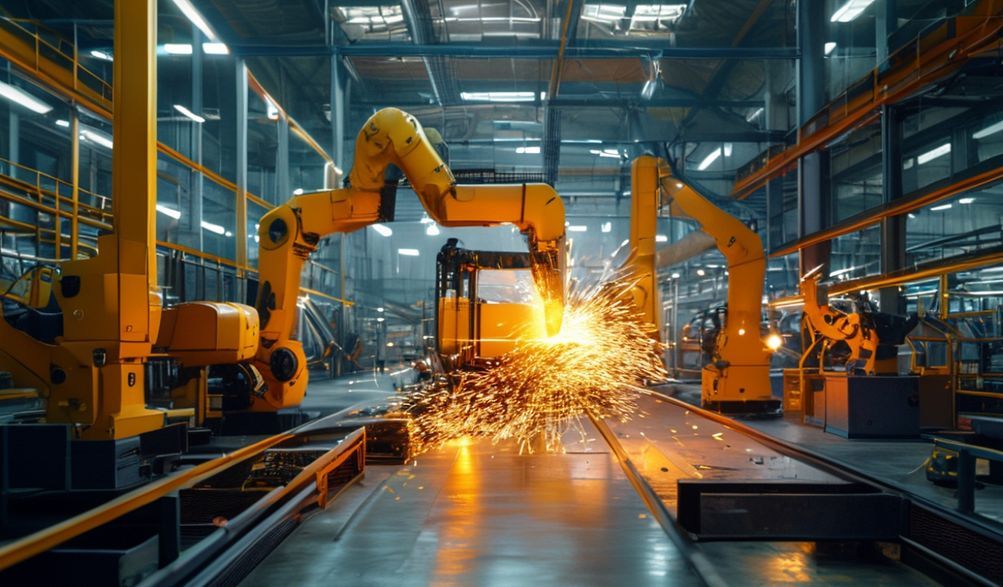
- The use of Computer Numerical Control (CNC) plasma cutters, robotic welding arms, and automated painting lines ensures part interchangeability, structural integrity, and a finish that resists corrosion.
- Modern factories can also reliably fulfill large orders and maintain inventory of common spare parts, which is crucial for your business continuity.
Deep Dive: Evaluating the FUDA Block Making Factory
As a prominent name in the block machinery sector, FUDA serves as a relevant example to apply our quality framework. Let’s evaluate its offerings against the established criteria.
Company Background and Industry Standing
FUDA Machinery Manufacturing Co., Ltd. is a Chinese-based manufacturer with a stated history of over two decades in construction machinery. The company positions itself as an integrated enterprise involved in R&D, production, and sales.
- Its market presence is global, with exports to regions including Africa, Southeast Asia, the Middle East, and South America—indicating an ability to adapt machines to diverse market needs and climatic conditions.
- Participation in international trade fairs (a common practice for manufacturers like FUDA) is a positive signal of its engagement with the global market and commitment to showcasing its technological developments.
Analysis of FUDA’s Machine Range and Technical Specifications
FUDA typically offers a wide product portfolio, which is a strength for catering to different business scales. Key categories often include:
- Máy Thủ Công/Bán Tự Động: Lower-cost entry points for small-scale startups.
- Fully Automatic Stationary Block Making Machines: The core of most medium to large plants, featuring automatic material feeding, molding, and pallet return systems.
- Máy đúc khối di động: For on-site production, a popular solution in many developing markets.
When examining technical specs from their published materials, a discerning buyer should focus on:
- Thời gian chu kỳ: How many blocks per hour/day can a specific model produce? Compare this against the power consumption for efficiency.
- Pressure Force (Kn): A key indicator of the machine’s ability to produce high-density, load-bearing blocks.
- Hệ thống Rung The configuration (e.g., table vibration, combined mold vibration) and motor power determine how well the concrete is compacted and voids are eliminated.
- Mức độ Tự động hóa: Does it use a PLC with a user-friendly touchscreen? Is there an automatic pallet feeder and stacker?
Assessing FUDA’s Manufacturing and Quality Assurance
Publicly available information from FUDA highlights a focus on manufacturing infrastructure. They often emphasize:
- A large factory space equipped with modern machining centers.
- A stated commitment to QC with processes like ultrasonic testing for welds.
- Assembly lines dedicated to different machine models.
Implication: This suggests a production environment geared towards volume and standardization. For a buyer, this translates to potential benefits in terms of consistent build quality and the ability to handle sizable orders. However, it underscores the necessity of verifying these claims through evidence like factory audit reports or customer testimonials specific to long-term machine performance.
After-Sales Support and Service Network
This is the ultimate test of a factory’s trustworthiness and long-term partnership value. FUDA, like many exporters, typically structures its support around:
- Bảo hành: Usually a 12-month warranty on the main frame and key components, which is industry-standard. The clarity of warranty terms (what’s included/excluded) is vital.
- Phụ Tùng Thay Thế: Availability of a comprehensive parts catalog and a commitment to supplying wear parts (like mold liners, springs, seals) is critical.
- Hỗ trợ Kỹ thuật: Provision of installation drawings, electrical diagrams, and operation manuals in English (or your required language). The availability of remote video support or on-site installation supervision (often at an extra cost) is a key differentiator.
- Đào tạo: Offering training videos or manuals for operators and maintenance personnel reduces your startup risks.
Key Factors to Compare When Choosing Your Factory Partner
Armed with a general framework, your final decision requires a side-by-side comparison tailored to your unique situation.
Machine Performance vs. Your Project Requirements
A quality factory is one that provides the right machine for bạn needs, not just their best-selling model.
- Công suất đầu ra: Match the machine’s daily production (e.g., 10,000 blocks vs. 50,000 blocks) to your sales forecasts and storage capacity.
- Các Loại Khối Ensure the factory can provide molds for the specific block types (hollow, solid, paver, interlocking) demanded in your local market.
- Nguyên liệu thô: Confirm the machine is compatible with the aggregate sizes and cement types available in your region.
Total Cost of Ownership (TCO) Analysis
The purchase price is just the entry ticket. A quality factory saves you money over 5-10 years.
- Hiệu suất Năng lượng: Compare the total connected load (KwH) of shortlisted models. A slightly more expensive but efficient machine can have a significantly lower operating cost.
- Chi phí bảo trì: Machines with standardized, readily available parts and accessible design for servicing will have lower downtime and maintenance expenses.
- Expected Lifespan: A machine built with 10mm steel plate and premium hydraulics from a quality factory will outlast a cheaper alternative by years, dramatically improving ROI.
Verifying Credentials and Seeking Proof
Trust, but verify. Due diligence is non-negotiable.
- Chứng chỉ: Request copies of ISO, CE, or other relevant quality management system certifications.
- References: Ask for contact information for 2-3 previous clients in a region similar to yours. Speak to them directly about machine performance and after-sales service.
- Visual Evidence: Request a live video tour of the factory floor, focusing on the assembly area for the model you’re interested in. Ask for close-up photos of weld points, the hydraulic station, and the control panel.
- Tài liệu: Review the product manual trước purchasing. Its clarity and detail are strong indicators of technical professionalism.
The Importance of Clear Communication and Customization
Evaluate the factory’s responsiveness and technical dialogue during the inquiry stage.
- Are they asking detailed questions about your project?
- Can they provide knowledgeable technical consultation on optimizing your production line?
- Are they willing and able to offer minor customizations, such as a different pallet size or a specific voltage requirement? This flexibility is a hallmark of a true partner.
Các Câu Hỏi Thường Gặp (FAQ)
Q1: What is the typical lead time for a machine from a factory like FUDA?
A: Lead times vary significantly based on model complexity, level of customization, and current order backlog. For a standard model, it can range from 30 to 60 days after down payment. A reputable factory will provide a clear, written production and shipping schedule upon order confirmation.
Q2: How can I verify the quality claims of a block machine factory remotely?
A: Beyond references, request: 1) High-resolution videos of a machine under test production, 2) Macro photos of welds and surface treatment, 3) Copies of component supplier certificates, 4) A virtual meeting with their head engineer to discuss your technical concerns.
Q3: Are machines from factories like FUDA suitable for starting a small block business?
A: Yes, quality factories typically offer scalable solutions. Starting with a robust manual or semi-automatic model from a reputable manufacturer is often smarter than buying a cheap, fully automatic line from an unknown source. It allows you to build capital and expertise, often with the option to upgrade within the same brand’s ecosystem later.
Q4: What after-sales support should I insist on before purchasing?
A: Secure a written agreement covering: 1) A detailed warranty certificate, 2) A complete spare parts price list, 3) Commitment to supply installation drawings and manuals, 4) Access to designated technical support contacts (email/WhatsApp), and 5) The option for paid on-site installation guidance if needed.
Conclusion
In conclusion, identifying a “good quality” concrete block making machine factory requires looking beyond glossy brochures to assess the synergy of robust engineering, transparent manufacturing processes, and unwavering post-purchase support. It is a holistic evaluation where material integrity, controlled production, and a proven service network are the true indicators of long-term value.
Factories like Phúc Đạt present a strong profile in the market, with an established product range and significant export experience that speaks to a certain level of capability. However, their suitability for your project is not automatic. The ultimate decision must be grounded in a thorough, side-by-side comparison against your specific checklist of quality benchmarks, applied equally to all shortlisted suppliers.
We encourage you to use this outline as a practical due diligence framework. Contact multiple factories with detailed, technical questions. Request concrete evidence of their claims. Prioritize the long-term partnership value and Total Cost of Ownership over the lowest initial price. By doing so, you invest not just in a machine, but in the reliable foundation of your block manufacturing business for years to come.
<