
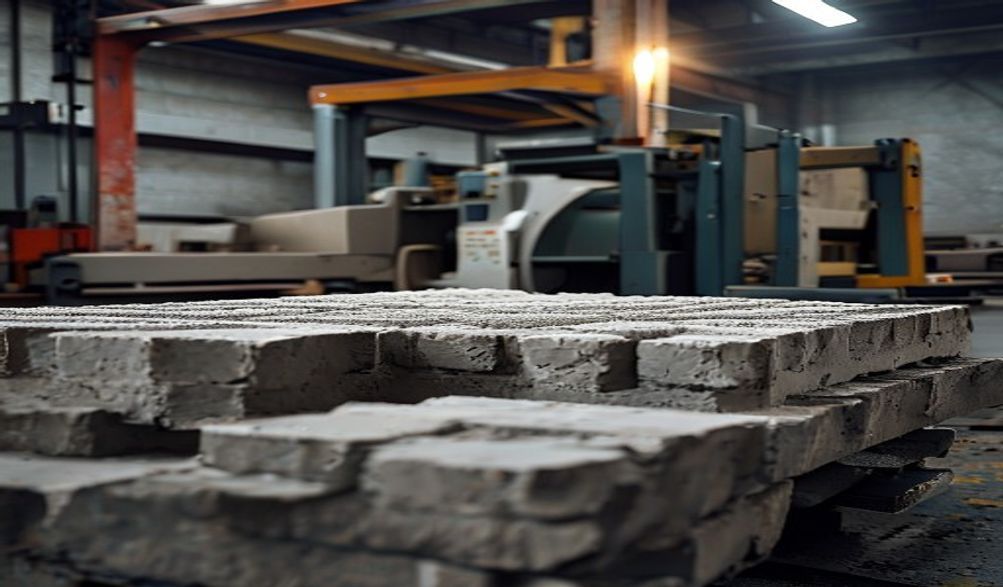
Yadda Ake Zaɓar Injin Yin Tubalin Siminti: Jagorar Mai Siye ta Kwararre ta 2024
Zaɓar injin yin tubalin siminti mara kyau zai iya kashe ku dubban kuɗi a cikin asarar yawan aiki, kayan aiki marasa inganci, da kuma rasa wa’adin aikin. Wani yanke shawara ne mai matuƙar mahimmanci inda motsin rai da farashin da ke jan hankali zai iya sa ku karkata daga hanya. A matsayina na wanda ya ba da shawara kan kafa yawancin wuraren aikin tubali da masana’antun samarwa, na ga sakamakon sayayya da gaggawa.
Wannan jagora ta bambanta. Ba a gina ta akan hasashe ba, sai dai akan ka’idojin injiniya, bayanan aiki na zahiri, da gogewar masana’antu da aka samu da wahala. Manufata ita ce in sauya wannan matakin mai sarkakiya zuwa tsari mai sauƙi, mataki-mataki. A ƙarshe, za ku sami tsari mai ma’ana don zaɓar injin da ya dace da ainihin manufofin samarwa, ƙuntatawa na wurin, da kasafin kuɗin ku.
Za mu ci gaba bisa hankali daga fahimtar bukatun ku, ta hanyar fasahar nau'ikan injiniyoyi, zuwa bincika mahimman bayanai da lissafin ainihin farashin. Bari mu gina tushen nasarar ku.
Fahimtar Bukatun Aikin Ku: Tushen Zabin Ku
Kafin ka kalli ko da littafin talla na wata na'ura, sai ka fara duban cikin ka. Na'ura mafi fasaha da tsada, ta zama abin alhaki ce idan ba ta dace da gaskiyar yanayinka ba. Wannan binciken farko da kake yi a kan kanka shine mafi mahimmancin mataki, wanda ya dogara ne akan gogewa mai amfani.
Ƙayyade Manufofin Samarwa
Abin da ake buƙatar fitarwa shine babban abin da ke tafiyar da duk abin da ke biyo baya.
- Tubali a cikin Sa'a/Kwana:Ka yi gaskiya sosai. Shin kana samar da tubalan gini don ginin gida guda ɗaya, kana ba da kayan gini ga kasuwar gine-gine ta cikin gida, ko kana nufin kwangilar gine-gine na manyan kamfanoni?
- Ƙananan ma'auni (100-500 tubalan/rana):Ana yawan hidima ta hannu ko na'urorin da ke da ɗan kai.
- Matsakaicin sikelin (500-3,000 tubalan/rana):Yankin ingantattun injinan rabin atomatik da na matakin shiga atomatik.
- Girman babba (3,000+ tubalan/rana):Yana buƙatar cikakkun layukan samarwa ta atomatik.
- Girman Aikin & Tsawon Lokaci:Shin wannan aikin na ɗan lokaci ne, aikin kwangila na lokaci-lokaci, ko sabon kasuwancin dindindin? Amsar ku tana ƙayyade ƙarfin da ake buƙata da lokacin dawowar kuɗin saka hannun jari (ROI).
Ƙayyadaddun Bricks da Bambancin Kayayyaki
Na'urar dole ta samar dadamatubali, ba kawaiatubali.
- Girman, Siffa, da Ƙira:Lissafa kowane samfur da kuke buƙata yanzu kuma waɗanda kuke iya buƙata a cikin shekaru 3-5 masu zuwa.
- Tubalan ƙasa/ramuka na yau da kullun (4”, 6”, 8”)
- Pavers, interlocks, grass blocks
- Custom designs or specialty shapes
- Required Compressive Strength: This is non-negotiable for structural integrity. Match the machine’s capability to local building codes and the application (e.g., load-bearing walls require higher strength than garden pavers).
Site and Operational Constraints
Ignore these, and your new machine becomes a very large paperweight.
- Sararin Samuwa: Measure not just the machine’s footprint, but also space for curing racks, raw material (cement, aggregate) storage, and finished product inventory.
- Power Source Availability: Do you have reliable three-phase electricity, or will you need a diesel-powered machine? Manual machines require muscle, not mains power.
- Labor Skill Level: Who will operate it? A fully automatic machine may need a trained technician, while a semi-automatic model might be run by general laborers with proper training.
Types of Cement Brick Making Machines: Mechanisms and Applications
Understanding the core technology behind each type is key to matching it to your needs. Here’s a technical breakdown of the three main categories.
Matsarorin Tukwane na Hannu
These are the simplest form of brick production, relying on human force.
- Yadda Suke Aiki: A lever-operated mechanism compresses a cement mix placed in a mold. No electricity or engine is required.
- Abubuwan Da Suke Da Kyau Da Kuma Wadanda Ba Su Da Kyau:
- Abubuwan da suka fi kyau: Ultra-low cost, extreme portability, zero energy costs, simple maintenance.
- Rashin Kyau: Very low output (40-120 blocks/day), high physical labor intensity, inconsistent quality dependent on operator.
- Ya Dace Da: DIY enthusiasts, very small-scale projects in remote locations without power, or as a supplemental tool for specialty, low-volume products.
Matsarori na Yin Bulo na Semi-Automatic
This category offers the best balance for most small to medium businesses, automating the critical compaction process.
- Yadda Suke Aiki: An electric or diesel motor drives a vibration system and hydraulic press to compact the concrete into molds. The process of filling molds, moving pallets, and stacking green bricks is typically manual.
- Abubuwan Da Suke Da Kyau Da Kuma Wadanda Ba Su Da Kyau:
- Abubuwan da suka fi kyau: Significantly higher output than manual (300-2,500 blocks/day), good quality consistency due to powered vibration/pressure, moderate cost, more efficient labor use.
- Rashin Kyau: Still requires a crew of 3-5 people, output is limited by manual handling steps.
- Ya Dace Da: Growing masonry contractors, small block manufacturing businesses, and community housing projects. It’s the workhorse of the industry.
Injinoyin Gina Tubali Masu Sarrafa Kansu Gabaɗaya
These are integrated production systems where human intervention is minimal.
- Yadda Suke Aiki: A computerized control panel manages an entire line: automatic material batching and feeding, high-speed molding, curing, and robotic stacking/pallet return.
- Abubuwan Da Suke Da Kyau Da Kuma Wadanda Ba Su Da Kyau:
- Abubuwan da suka fi kyau: Very high, consistent output (3,000-20,000+ blocks/day), superior and uniform brick quality, minimal manual labor (often just 1-2 supervisors), high efficiency.
- Rashin Kyau: Very high initial capital investment, complex maintenance requiring specialist knowledge, significant space and infrastructure (strong power supply) needed.
- Ya Dace Da: Large-scale block production plants, industrial operations, and businesses fulfilling high-volume government or developer contracts.
Key Machine Specifications and Features to Scrutinize
Once you know the type, you must compare models on a detailed level. Don’t just take the sales sheet at face value.
Core Performance Metrics
These numbers tell you what the machine can do.
- Lokacin Zagayowar: The time (in seconds) to complete one molding cycle. Lower = higher potential output.
- Ƙarfin Matsi (Tona): Measured in tons, this directly determines the brick’s density and final compressive strength. For standard blocks, look for machines with at least 60-100 tons of pressure.
- Tsarin Girgiza: This is what removes air pockets and ensures a solid brick.
- Nau'in: Hydraulic vibration is often smoother and more controllable than mechanical eccentric vibrators.
- Amplitude & Frequency: A balanced, high-frequency vibration is key to proper compaction, especially for hollow blocks.
Durability and Construction Quality
This determines how long the machine will keep doing it.
- Tsari & Tsarin: Look for heavy-duty, reinforced steel frames with clean, strong welds. A flimsy frame will flex under load, causing misalignment and wear.
- Abubuwan Maɓalli: Ask about the brands of critical parts. Reputable hydraulic pumps, motors, and vibrators (from brands like Siemens, Rexroth, etc.) are a sign of quality.
- Kariya daga Tsatsa: The environment is abrasive and caustic. A high-quality epoxy powder coating is far superior to basic paint.
Mold System and Flexibility
Your product line is only as good as your molds.
- Mold Changing Process: How long does it take to switch from producing 4” blocks to pavers? Systems that allow for quick mold changes maximize your operational flexibility.
- Kayan Gyare-gyare & Daidaito: Molds should be made from hardened, high-chrome steel for longevity. Precision machining ensures every brick has identical dimensions.
After-Sales Support: The Non-Negotiable
The machine will break down. The supplier’s response defines your downtime.
- Samun Sassa na Gyara: Is there a local dealer with an inventory, or must every nut and bolt be shipped from overseas with a 6-week lead time?
- Technical Support & Training: Do they offer on-site installation and comprehensive operator training? Is phone/remote support readily available?
- Warranty Period and Coverage: A 1-year warranty on the whole machine is standard. Read the fine print—what is explicitly excluded? Longer warranties on the frame and hydraulics show manufacturer confidence.
The Total Cost of Ownership: Beyond the Sticker Price
The purchase price is just the entry fee. A holistic financial view builds trust and prevents nasty surprises.
Initial Investment Breakdown
- Machine Cost: The base price.
- Shipping, Insurance, and Customs: Can add 10-25% for international purchases.
- Shigarwa & Kaddamarwa: Professional setup is crucial.
- Initial Spare Parts Kit: A wise investment to cover immediate needs.
- Operator Training: Often included, but confirm.
Operational and Hidden Costs
These are the recurring expenses that determine your profitability.
- Amfani da Makamashi: Calculate the power (kW) or diesel consumption per hour and your local utility rates.
- Routine Maintenance: Lubricants, filter changes, wear parts like mold liners and vibration pads.
- Kudin Ma'aikata: Factor in the wages for the number of operators required by the machine’s automation level.
- Mold Costs: Additional molds for new products are a significant future expense.
Calculating Your Return on Investment (ROI)
A simple framework to justify the purchase:
(Total Value of Bricks Produced - Total Cost of Ownership) / Total Cost of Ownership
- Total Value of Bricks: Based on your target output and local market price.
- Jimillar Farashin Mallaka: Sum of all costs above (initial + operational) over your chosen period (e.g., one year).
- Mahimman Bayani: A slightly more expensive, reliable machine that produces higher-quality bricks with less downtime will almost always have a better long-term ROI than a cheap, problematic unit.
Step-by-Step Selection Checklist and Supplier Vetting
Let’s synthesize everything into an actionable plan.
Your Pre-Purchase Checklist
Copy this list and fill it out for each machine you consider.
- Project Needs:
- [ ] Required daily output: ______ blocks
- [ ] Key brick types & strength needed: ______
- [ ] Available space: ______ sq ft
- [ ] Available power: ______
- Machine Type & Specs:
- [ ] Preferred type: Manual / Semi-Auto / Fully Auto
- [ ] Cycle Time: ______ seconds
- [ ] Pressure Force: ______ tons
- [ ] Vibration System Type: ______
- [ ] Mold changeover time: ______ minutes
- Budget & Support:
- [ ] Total Budget (including shipping): ______
- [ ] Warranty Length & Details: ______
- [ ] Spare Parts Lead Time Confirmed: ______
How to Vet Manufacturers and Suppliers
- Request and Check References: Ask for 2-3 clients in your region with similar needs. Call them. Ask about machine performance, reliability, and support responsiveness.
- Demand Proof of Performance: A reputable supplier will provide videos of the actual machine model running in their factory. Better yet, arrange a factory audit to see it live and test it with your mix design if possible.
- Analyze Quotations Meticulously: Ensure quotes are for identical specifications. A lower price often means cheaper components, thinner steel, or excluded essentials like training.
- Review Contracts Carefully: Pay special attention to warranty terms, payment milestones, and delivery/installation clauses. Do not sign vague documents.
Tambayoyin da ake yawan yi (FAQ)
Q: What is the average cost range for a cement brick making machine?
A: The range is vast, dictated entirely by specifications. Manual presses start around $500 – $2,000. Semi-automatic machines for small businesses typically range from $5,000 to $30,000. Fully automatic production lines begin around $50,000 and can exceed $200,000. Focus on the total cost of ownership, not just the sticker price.
Q: Can I use a brick making machine for other products like concrete pavers?
A: Yes, versatility is common. The critical factor is the mold. Ensure the machine you select has a compatible mold system for your desired products (e.g., paver molds) and that its pressure and vibration specifications are adequate to produce a dense, durable paver.
Q: How important is after-sales service, and what should I look for?
A: It is arguably the most important factor. A machine without support is a ticking clock. Look for a supplier with a documented network of service technicians, a readily available spare parts inventory (ask for a parts catalog), and a commitment to providing training. A strong warranty is a good indicator of their confidence.
Q: What is the most common mistake buyers make when choosing a machine?
A: Two extremes: 1) Overbuying: Purchasing a large, complex automatic machine for small-scale, intermittent use, which destroys ROI through high fixed costs and underutilization. 2) Under-specifying: Choosing a cheap machine that cannot meet the required output or brick strength, leading to project failures, wasted materials, and lost reputation. An honest needs assessment is your best defense.
Ƙarshe
Choosing the right cement brick making machine is a strategic investment that balances a triad of factors: your specific project requirementsdatechnical capabilities and durability of the equipment, and the long-term reliability and support of the supplier. There is no universal “best” machine—only the best machine for you.
By methodically working through this guide—from defining your output goals to calculating total cost and rigorously vetting suppliers—you move from being a hopeful buyer to an informed decision-maker. You’re not just purchasing a piece of machinery; you’re securing a productive asset that will literally build the foundation of your projects, business, and success for years to come.
Your Call to Action: Download or copy the checklist provided. Use it as your roadmap. Research thoroughly, ask the hard questions, and invest not just in metal and motors, but in partnership and peace of mind.
<