
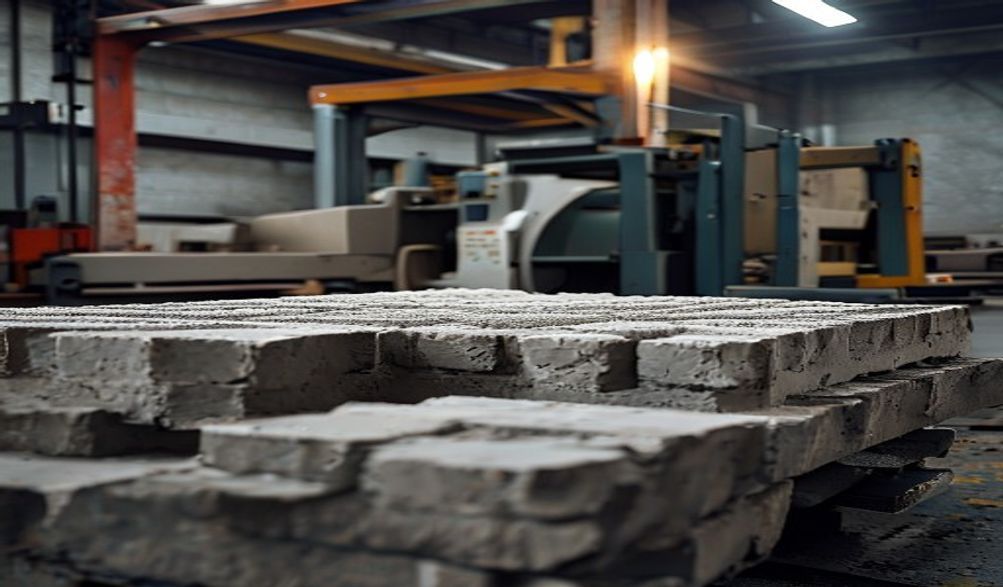
시멘트 벽돌 제조기 선택 방법: 2024년 전문가 구매 가이드
잘못된 시멘트 벽돌 제조기를 선택하면 생산성 저하, 부실한 자재, 그리고 프로젝트 마감일을 놓치는 등 수천 달러의 손실을 초래할 수 있습니다. 이는 감정이나 매력적인 가격표에 쉽게 휘둘릴 수 있는 고위험 결정입니다. 수많은 블록 야드와 생산 공장 설립을 컨설팅해 온 경험으로, 성급한 구매가 초래한 결과를 직접 목격했습니다.
이 가이드는 다릅니다. 추측이 아닌 공학적 원칙, 실제 성능 데이터, 그리고 업계에서 얻은 소중한 경험을 바탕으로 구성되었습니다. 제 목표는 이 복잡한 결정을 명확하고 단계별 과정으로 전환하는 것입니다. 끝까지 따라오시면, 여러분의 특정 생산 목표, 현장 제약 조건, 예산에 완벽히 부합하는 기계를 선택할 수 있는 구체적인 틀을 갖게 될 것입니다.
당신의 필요를 이해하는 것부터 시작해, 기계 유형의 기술적 환경을 살펴보고, 중요한 사양을 꼼꼼히 검토한 뒤 진정한 비용을 계산하는 논리적인 순서로 나아가겠습니다. 당신의 성공을 위한 기반을 함께 마련해 보죠.
프로젝트 요구사항 이해하기: 선택의 기초
단 하나의 기계 브로슈어를 살펴보기 전에, 먼저 자신을 들여다봐야 합니다. 가장 정교하고 비싼 기계라도 당신의 현실과 맞지 않는다면 그것은 부채에 불과합니다. 이 초기의 자기 평가는 실무 경험에 기반한 가장 중요한 단계입니다.
생산 목표 설정하기
요구하신 결과물이 이후 모든 과정의 주된 원동력입니다.
- 시간당/일당 벽돌 생산량잔인할 정도로 솔직히 말해주세요. 단독 주택 건축용 블록을 생산하고 계신가요, 지역 건설 시장에 공급하고 계신가요, 아니면 대규모 상업 계약을 목표로 하고 계신가요?
- 소규모(하루 100~500 블록):수동 또는 반자동 기계로 제공되는 경우가 많습니다.
- 중간 규모(하루 500~3,000 블록):강력한 반자동 및 초급용 자동 기계의 영역.
- 대규모(하루 3,000개 이상의 블록):완전 자동화된 생산 라인이 필요합니다.
- 프로젝트 규모 및 기간이것이 일회성 프로젝트인가요, 간헐적인 계약 작업인가요, 아니면 새로운 영구적인 사업 투자인가요? 귀하의 답변은 필요한 내구성과 투자 수익(ROI) 타임라인을 결정합니다.
벽돌 규격 및 제품 다양성
기계는 반드시 생산해야 합니다.오른쪽벽돌, 그 이상의 의미a벽돌.
- 크기, 모양, 디자인지금 당장 필요한 제품과 향후 3~5년 내에 필요할 수 있는 모든 제품을 나열하세요.
- 표준 고형/중공 블록 (4”, 6”, 8”)
- 포장 블록, 인터록, 잔디 블록
- 맞춤 디자인 또는 특수 모양
- 요구 압축 강도:구조적 안정성은 절대 타협할 수 없는 사항입니다. 기계의 성능을 현지 건축 법규와 적용 분야에 맞춰야 합니다(예: 내력벽은 정원 포장재보다 더 높은 강도가 필요합니다).
사이트 및 운영 제약 조건
이것들을 무시하면, 당신의 새 기계는 아주 큰 문진이 되어버립니다.
- 사용 가능한 공간:기계의 설치 공간뿐만 아니라 경화용 랙, 원자재(시멘트, 골재) 저장 공간, 완제품 재고 공간도 고려해야 합니다.
- 전원 공급 가능성신뢰할 수 있는 3상 전력이 있습니까, 아니면 디젤 동력 기계가 필요합니까? 수동 기계는 전원이 아니라 근력이 필요합니다.
- 노동 숙련도누가 운영할 것인가? 완전 자동 기계는 훈련된 기술자가 필요할 수 있는 반면, 준자동 모델은 적절한 훈련을 받은 일반 노동자에 의해 운영될 수 있습니다.
Types of Cement Brick Making Machines: Mechanisms and Applications
Understanding the core technology behind each type is key to matching it to your needs. Here’s a technical breakdown of the three main categories.
수동 블록 제조 기계
These are the simplest form of brick production, relying on human force.
- 그들은 어떻게 작동하는가: A lever-operated mechanism compresses a cement mix placed in a mold. No electricity or engine is required.
- 장점과 단점:
- 장점: Ultra-low cost, extreme portability, zero energy costs, simple maintenance.
- 단점: Very low output (40-120 blocks/day), high physical labor intensity, inconsistent quality dependent on operator.
- 이상적인 대상: DIY enthusiasts, very small-scale projects in remote locations without power, or as a supplemental tool for specialty, low-volume products.
반자동 벽돌 제조 기계
This category offers the best balance for most small to medium businesses, automating the critical compaction process.
- 그들은 어떻게 작동하는가: An electric or diesel motor drives a vibration system and hydraulic press to compact the concrete into molds. The process of filling molds, moving pallets, and stacking green bricks is typically manual.
- 장점과 단점:
- 장점: Significantly higher output than manual (300-2,500 blocks/day), good quality consistency due to powered vibration/pressure, moderate cost, more efficient labor use.
- 단점: Still requires a crew of 3-5 people, output is limited by manual handling steps.
- 이상적인 대상: Growing masonry contractors, small block manufacturing businesses, and community housing projects. It’s the workhorse of the industry.
완전 자동 벽돌 제작 기계
These are integrated production systems where human intervention is minimal.
- 그들은 어떻게 작동하는가: A computerized control panel manages an entire line: automatic material batching and feeding, high-speed molding, curing, and robotic stacking/pallet return.
- 장점과 단점:
- 장점: Very high, consistent output (3,000-20,000+ blocks/day), superior and uniform brick quality, minimal manual labor (often just 1-2 supervisors), high efficiency.
- 단점: Very high initial capital investment, complex maintenance requiring specialist knowledge, significant space and infrastructure (strong power supply) needed.
- 이상적인 대상: Large-scale block production plants, industrial operations, and businesses fulfilling high-volume government or developer contracts.
Key Machine Specifications and Features to Scrutinize
Once you know the type, you must compare models on a detailed level. Don’t just take the sales sheet at face value.
핵심 성능 지표
These numbers tell you what the machine can do.
- 사이클 타임: The time (in seconds) to complete one molding cycle. Lower = higher potential output.
- 압력 힘 (톤수) Measured in tons, this directly determines the brick’s density and final compressive strength. For standard blocks, look for machines with at least 60-100 tons of pressure.
- 진동 시스템 This is what removes air pockets and ensures a solid brick.
- 종류: Hydraulic vibration is often smoother and more controllable than mechanical eccentric vibrators.
- Amplitude & Frequency: A balanced, high-frequency vibration is key to proper compaction, especially for hollow blocks.
Durability and Construction Quality
This determines how long the machine will keep doing it.
- 프레임과 구조 Look for heavy-duty, reinforced steel frames with clean, strong welds. A flimsy frame will flex under load, causing misalignment and wear.
- 핵심 구성 요소: Ask about the brands of critical parts. Reputable hydraulic pumps, motors, and vibrators (from brands like Siemens, Rexroth, etc.) are a sign of quality.
- 부식 방지 The environment is abrasive and caustic. A high-quality epoxy powder coating is far superior to basic paint.
Mold System and Flexibility
Your product line is only as good as your molds.
- Mold Changing Process: How long does it take to switch from producing 4” blocks to pavers? Systems that allow for quick mold changes maximize your operational flexibility.
- Mold Material & Precision: Molds should be made from hardened, high-chrome steel for longevity. Precision machining ensures every brick has identical dimensions.
After-Sales Support: The Non-Negotiable
The machine will break down. The supplier’s response defines your downtime.
- Availability of Spare Parts: Is there a local dealer with an inventory, or must every nut and bolt be shipped from overseas with a 6-week lead time?
- Technical Support & Training: Do they offer on-site installation and comprehensive operator training? Is phone/remote support readily available?
- Warranty Period and Coverage: A 1-year warranty on the whole machine is standard. Read the fine print—what is explicitly excluded? Longer warranties on the frame and hydraulics show manufacturer confidence.
총 소유 비용: 스티커 가격을 넘어서
The purchase price is just the entry fee. A holistic financial view builds trust and prevents nasty surprises.
Initial Investment Breakdown
- Machine Cost: The base price.
- Shipping, Insurance, and Customs: Can add 10-25% for international purchases.
- 설치 및 시운전: Professional setup is crucial.
- Initial Spare Parts Kit: A wise investment to cover immediate needs.
- 운전자 교육: Often included, but confirm.
Operational and Hidden Costs
These are the recurring expenses that determine your profitability.
- 에너지 소비 Calculate the power (kW) or diesel consumption per hour and your local utility rates.
- Routine Maintenance: Lubricants, filter changes, wear parts like mold liners and vibration pads.
- 노동 비용 Factor in the wages for the number of operators required by the machine’s automation level.
- 금형 비용 Additional molds for new products are a significant future expense.
Calculating Your Return on Investment (ROI)
A simple framework to justify the purchase:
(Total Value of Bricks Produced - Total Cost of Ownership) / Total Cost of Ownership
- Total Value of Bricks: Based on your target output and local market price.
- 총 소유 비용 Sum of all costs above (initial + operational) over your chosen period (e.g., one year).
- 핵심 통찰: A slightly more expensive, reliable machine that produces higher-quality bricks with less downtime will almost always have a better long-term ROI than a cheap, problematic unit.
Step-by-Step Selection Checklist and Supplier Vetting
Let’s synthesize everything into an actionable plan.
Your Pre-Purchase Checklist
Copy this list and fill it out for each machine you consider.
- Project Needs:
- [ ] Required daily output: ______ blocks
- [ ] Key brick types & strength needed: ______
- [ ] Available space: ______ sq ft
- [ ] Available power: ______
- Machine Type & Specs:
- [ ] Preferred type: Manual / Semi-Auto / Fully Auto
- [ ] Cycle Time: ______ seconds
- [ ] Pressure Force: ______ tons
- [ ] Vibration System Type: ______
- [ ] Mold changeover time: ______ minutes
- Budget & Support:
- [ ] Total Budget (including shipping): ______
- [ ] Warranty Length & Details: ______
- [ ] Spare Parts Lead Time Confirmed: ______
How to Vet Manufacturers and Suppliers
- Request and Check References: Ask for 2-3 clients in your region with similar needs. Call them. Ask about machine performance, reliability, and support responsiveness.
- Demand Proof of Performance: A reputable supplier will provide videos of the actual machine model running in their factory. Better yet, arrange a factory audit to see it live and test it with your mix design if possible.
- Analyze Quotations Meticulously: Ensure quotes are for identical specifications. A lower price often means cheaper components, thinner steel, or excluded essentials like training.
- Review Contracts Carefully: Pay special attention to warranty terms, payment milestones, and delivery/installation clauses. Do not sign vague documents.
자주 묻는 질문 (FAQ)
Q: What is the average cost range for a cement brick making machine?
A: The range is vast, dictated entirely by specifications. Manual presses start around $500 – $2,000. Semi-automatic machines for small businesses typically range from $5,000 to $30,000. Fully automatic production lines begin around $50,000 and can exceed $200,000. Focus on the total cost of ownership, not just the sticker price.
Q: Can I use a brick making machine for other products like concrete pavers?
A: Yes, versatility is common. The critical factor is the mold. Ensure the machine you select has a compatible mold system for your desired products (e.g., paver molds) and that its pressure and vibration specifications are adequate to produce a dense, durable paver.
Q: How important is after-sales service, and what should I look for?
A: It is arguably the most important factor. A machine without support is a ticking clock. Look for a supplier with a documented network of service technicians, a readily available spare parts inventory (ask for a parts catalog), and a commitment to providing training. A strong warranty is a good indicator of their confidence.
Q: What is the most common mistake buyers make when choosing a machine?
A: Two extremes: 1) Overbuying: Purchasing a large, complex automatic machine for small-scale, intermittent use, which destroys ROI through high fixed costs and underutilization. 2) Under-specifying: Choosing a cheap machine that cannot meet the required output or brick strength, leading to project failures, wasted materials, and lost reputation. An honest needs assessment is your best defense.
결론
Choosing the right cement brick making machine is a strategic investment that balances a triad of factors: your specific project requirements더technical capabilities and durability of the equipment, and the long-term reliability and support of the supplier. There is no universal “best” machine—only the best machine for you.
By methodically working through this guide—from defining your output goals to calculating total cost and rigorously vetting suppliers—you move from being a hopeful buyer to an informed decision-maker. You’re not just purchasing a piece of machinery; you’re securing a productive asset that will literally build the foundation of your projects, business, and success for years to come.
Your Call to Action: Download or copy the checklist provided. Use it as your roadmap. Research thoroughly, ask the hard questions, and invest not just in metal and motors, but in partnership and peace of mind.
<