
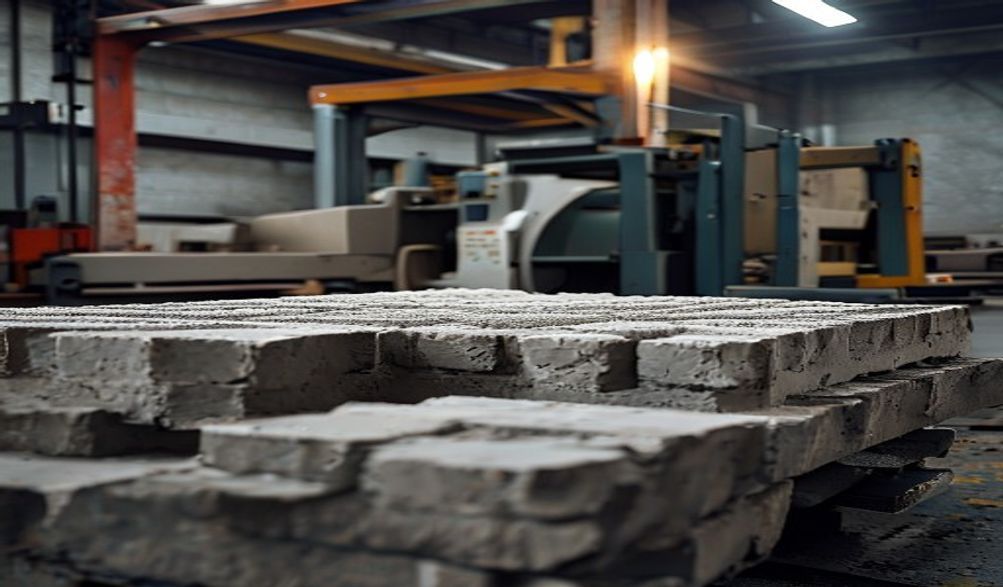
ਸੀਮੈਂਟ ਇੱਟ ਬਣਾਉਣ ਵਾਲੀ ਮਸ਼ੀਨ ਕਿਵੇਂ ਚੁਣੀਏ: 2024 ਦੀ ਮਾਹਰ ਖਰੀਦਦਾਰ ਗਾਈਡ
ਗਲਤ ਸੀਮੈਂਟ ਬਲਾਕ ਬਣਾਉਣ ਵਾਲੀ ਮਸ਼ੀਨ ਚੁਣਨਾ ਤੁਹਾਨੂੰ ਹਜ਼ਾਰਾਂ ਦਾ ਨੁਕਸਾਨ ਪਹੁੰਚਾ ਸਕਦਾ ਹੈ, ਜਿਵੇਂ ਕਿ ਘੱਟ ਉਤਪਾਦਕਤਾ, ਘਟੀਆ ਸਮੱਗਰੀ, ਅਤੇ ਪ੍ਰੋਜੈਕਟ ਦੀਆਂ ਆਖਰੀ ਤਾਰੀਖਾਂ ਨੂੰ ਪੂਰਾ ਨਾ ਕਰਨਾ। ਇਹ ਇੱਕ ਬਹੁਤ ਮਹੱਤਵਪੂਰਨ ਫੈਸਲਾ ਹੈ ਜਿੱਥੇ ਭਾਵਨਾਵਾਂ ਅਤੇ ਆਕਰਸ਼ਕ ਕੀਮਤ ਤੁਹਾਨੂੰ ਆਸਾਨੀ ਨਾਲ ਗਲਤ ਰਾਹ 'ਤੇ ਲੈ ਜਾ ਸਕਦੀਆਂ ਹਨ। ਇੱਕ ਐਸੇ ਵਿਅਕਤੀ ਦੇ ਤੌਰ 'ਤੇ ਜਿਸ ਨੇ ਦਰਜਨਾਂ ਬਲਾਕ ਯਾਰਡਾਂ ਅਤੇ ਉਤਪਾਦਨ ਪਲਾਂਟਾਂ ਦੀ ਸਥਾਪਨਾ 'ਤੇ ਸਲਾਹ ਦਿੱਤੀ ਹੈ, ਮੈਂ ਜਲਦਬਾਜ਼ੀ ਵਿੱਚ ਖਰੀਦਦਾਰੀ ਦੇ ਨਤੀਜੇ ਵੇਖੇ ਹਨ।
ਇਹ ਗਾਈਡ ਵੱਖਰੀ ਹੈ। ਇਹ ਅਟਕਲਾਂ 'ਤੇ ਨਹੀਂ, ਸਗੋਂ ਇੰਜੀਨੀਅਰਿੰਗ ਸਿਧਾਂਤਾਂ, ਅਸਲ-ਦੁਨੀਆ ਦੇ ਪ੍ਰਦਰਸ਼ਨ ਡੇਟਾ, ਅਤੇ ਉਦਯੋਗ ਦੇ ਕਠਿਨਾਈਆਂ ਨਾਲ ਪ੍ਰਾਪਤ ਤਜਰਬੇ 'ਤੇ ਆਧਾਰਿਤ ਹੈ। ਮੇਰਾ ਟੀਚਾ ਇਸ ਜਟਿਲ ਫੈਸਲੇ ਨੂੰ ਇੱਕ ਸਪਸ਼ਟ, ਕਦਮ-ਦਰ-ਕਦਮ ਪ੍ਰਕਿਰਿਆ ਵਿੱਚ ਬਦਲਣਾ ਹੈ। ਅੰਤ ਤੱਕ, ਤੁਹਾਡੇ ਕੋਲ ਇੱਕ ਠੋਸ ਢਾਂਚਾ ਹੋਵੇਗਾ ਜੋ ਤੁਹਾਡੇ ਖਾਸ ਉਤਪਾਦਨ ਟੀਚਿਆਂ, ਸਾਈਟ ਦੀਆਂ ਪਾਬੰਦੀਆਂ, ਅਤੇ ਬਜਟ ਨਾਲ ਮੇਲ ਖਾਂਦੀ ਸਹੀ ਮਸ਼ੀਨ ਚੁਣਨ ਲਈ ਹੋਵੇਗਾ।
ਅਸੀਂ ਤਰਕਸੰਗਤ ਢੰਗ ਨਾਲ ਤੁਹਾਡੀਆਂ ਆਪਣੀਆਂ ਲੋੜਾਂ ਨੂੰ ਸਮਝਣ ਤੋਂ ਲੈ ਕੇ, ਮਸ਼ੀਨਾਂ ਦੀਆਂ ਕਿਸਮਾਂ ਦੇ ਤਕਨੀਕੀ ਲੈਂਡਸਕੇਪ ਦੁਆਰਾ, ਮਹੱਤਵਪੂਰਨ ਨਿਰਧਾਰਨਾਂ ਦੀ ਗਹਿਰਾਈ ਨਾਲ ਜਾਂਚ ਕਰਨ ਅਤੇ ਅਸਲ ਲਾਗਤਾਂ ਦੀ ਗਣਨਾ ਕਰਨ ਤੱਕ ਅੱਗੇ ਵਧਾਂਗੇ। ਆਓ ਤੁਹਾਡੀ ਸਫਲਤਾ ਲਈ ਇੱਕ ਬੁਨਿਆਦ ਬਣਾਈਏ।
ਤੁਹਾਡੀਆਂ ਪ੍ਰੋਜੈਕਟ ਦੀਆਂ ਲੋੜਾਂ ਨੂੰ ਸਮਝਣਾ: ਤੁਹਾਡੀ ਚੋਣ ਦੀ ਬੁਨਿਆਦ
ਕਿਸੇ ਵੀ ਮਸ਼ੀਨ ਦੇ ਬ੍ਰੋਸ਼ਰ 'ਤੇ ਨਜ਼ਰ ਮਾਰਨ ਤੋਂ ਪਹਿਲਾਂ, ਤੁਹਾਨੂੰ ਆਪਣੇ ਅੰਦਰ ਝਾਤ ਮਾਰਨੀ ਚਾਹੀਦੀ ਹੈ। ਸਭ ਤੋਂ ਉੱਨਤ ਅਤੇ ਮਹਿੰਗੀ ਮਸ਼ੀਨ ਵੀ ਇੱਕ ਬੋਝ ਬਣ ਸਕਦੀ ਹੈ ਜੇ ਉਹ ਤੁਹਾਡੀ ਹਕੀਕਤ ਨਾਲ ਮੇਲ ਨਹੀਂ ਖਾਂਦੀ। ਇਹ ਸ਼ੁਰੂਆਤੀ ਸਵੈ-ਮੁਲਾਂਕਣ ਸਭ ਤੋਂ ਮਹੱਤਵਪੂਰਨ ਕਦਮ ਹੈ, ਜੋ ਕਿ ਵਿਹਾਰਕ ਤਜਰਬੇ 'ਤੇ ਆਧਾਰਿਤ ਹੈ।
ਆਪਣੇ ਉਤਪਾਦਨ ਟੀਚਿਆਂ ਦੀ ਪਰਿਭਾਸ਼ਾ
ਤੁਹਾਡੀ ਲੋੜੀਂਦੀ ਆਉਟਪੁੱਟ ਹਰ ਚੀਜ਼ ਦਾ ਮੁੱਖ ਚਾਲਕ ਹੈ ਜੋ ਇਸ ਤੋਂ ਬਾਅਦ ਆਉਂਦੀ ਹੈ।
- ਇੱਟਾਂ ਪ੍ਰਤੀ ਘੰਟਾ/ਦਿਨ:ਕੀ ਤੁਸੀਂ ਇੱਕ ਘਰ ਦੀ ਉਸਾਰੀ ਲਈ ਬਲਾਕ ਬਣਾ ਰਹੇ ਹੋ, ਸਥਾਨੀ ਨਿਰਮਾਣ ਬਾਜ਼ਾਰ ਨੂੰ ਸਪਲਾਈ ਕਰ ਰਹੇ ਹੋ, ਜਾਂ ਵੱਡੇ ਪੈਮਾਨੇ 'ਤੇ ਵਪਾਰਕ ਕਰਾਰਾਂ ਦਾ ਟੀਚਾ ਰੱਖ ਰਹੇ ਹੋ?
- ਛੋਟੇ ਪੱਧਰ 'ਤੇ (100-500 ਬਲਾਕ/ਦਿਨ):ਅਕਸਰ ਮੈਨੁਅਲ ਜਾਂ ਅਰਧ-ਸਵੈਚਾਲਿਤ ਮਸ਼ੀਨਾਂ ਦੁਆਰਾ ਪਰੋਸਿਆ ਜਾਂਦਾ ਹੈ।
- ਮੱਧਮ ਪੱਧਰੀ (500-3,000 ਬਲਾਕ/ਦਿਨ):ਰੋਬਸਟ ਅਰਧ-ਸਵੈਚਾਲਿਤ ਅਤੇ ਪ੍ਰਵੇਸ਼-ਪੱਧਰ ਦੀਆਂ ਸਵੈਚਾਲਿਤ ਮਸ਼ੀਨਾਂ ਦਾ ਡੋਮੇਨ।
- ਵੱਡੇ ਪੱਧਰ 'ਤੇ (3,000+ ਬਲਾਕ/ਦਿਨ):ਪੂਰੀ ਤਰ੍ਹਾਂ ਆਟੋਮੈਟਿਕ ਪ੍ਰੋਡਕਸ਼ਨ ਲਾਈਨਾਂ ਦੀ ਲੋੜ ਹੈ।
- ਪ੍ਰੋਜੈਕਟ ਦਾ ਪੈਮਾਨਾ ਅਤੇ ਮਿਆਦ Is this a one-off project, intermittent contract work, or a new, permanent business venture? Your answer dictates the needed durability and return on investment (ROI) timeline.
Brick Specifications and Product Diversity
The machine must produce the ਸੱਜੇ brick, not just a brick.
- Size, Shape, and Design: List every product you need now and might need in the next 3-5 years.
- Standard solid/hollow blocks (4”, 6”, 8”)
- Pavers, interlocks, grass blocks
- Custom designs or specialty shapes
- Required Compressive Strength: This is non-negotiable for structural integrity. Match the machine’s capability to local building codes and the application (e.g., load-bearing walls require higher strength than garden pavers).
Site and Operational Constraints
Ignore these, and your new machine becomes a very large paperweight.
- Available Space: Measure not just the machine’s footprint, but also space for curing racks, raw material (cement, aggregate) storage, and finished product inventory.
- Power Source Availability: Do you have reliable three-phase electricity, or will you need a diesel-powered machine? Manual machines require muscle, not mains power.
- Labor Skill Level: Who will operate it? A fully automatic machine may need a trained technician, while a semi-automatic model might be run by general laborers with proper training.
Types of Cement Brick Making Machines: Mechanisms and Applications
Understanding the core technology behind each type is key to matching it to your needs. Here’s a technical breakdown of the three main categories.
ਮੈਨੂਅਲ ਬਲਾਕ ਬਣਾਉਣ ਵਾਲੀਆਂ ਮਸ਼ੀਨਾਂ
These are the simplest form of brick production, relying on human force.
- ਉਹ ਕਿਵੇਂ ਕੰਮ ਕਰਦੇ ਹਨ: A lever-operated mechanism compresses a cement mix placed in a mold. No electricity or engine is required.
- ਫਾਇਦੇ ਅਤੇ ਨੁਕਸਾਨ:
- ਫਾਇਦੇ: Ultra-low cost, extreme portability, zero energy costs, simple maintenance.
- ਨੁਕਸਾਨ: Very low output (40-120 blocks/day), high physical labor intensity, inconsistent quality dependent on operator.
- ਆਦਰਸ਼ ਲਈ: DIY enthusiasts, very small-scale projects in remote locations without power, or as a supplemental tool for specialty, low-volume products.
ਸੈਮੀ-ਆਟੋਮੈਟਿਕ ਇੱਟ ਬਣਾਉਣ ਵਾਲੀਆਂ ਮਸ਼ੀਨਾਂ
This category offers the best balance for most small to medium businesses, automating the critical compaction process.
- ਉਹ ਕਿਵੇਂ ਕੰਮ ਕਰਦੇ ਹਨ: An electric or diesel motor drives a vibration system and hydraulic press to compact the concrete into molds. The process of filling molds, moving pallets, and stacking green bricks is typically manual.
- ਫਾਇਦੇ ਅਤੇ ਨੁਕਸਾਨ:
- ਫਾਇਦੇ: Significantly higher output than manual (300-2,500 blocks/day), good quality consistency due to powered vibration/pressure, moderate cost, more efficient labor use.
- ਨੁਕਸਾਨ: Still requires a crew of 3-5 people, output is limited by manual handling steps.
- ਆਦਰਸ਼ ਲਈ: Growing masonry contractors, small block manufacturing businesses, and community housing projects. It’s the workhorse of the industry.
ਪੂਰੀ ਤਰ੍ਹਾਂ ਆਟੋਮੈਟਿਕ ਇੱਟ ਬਣਾਉਣ ਵਾਲੀਆਂ ਮਸ਼ੀਨਾਂ
These are integrated production systems where human intervention is minimal.
- ਉਹ ਕਿਵੇਂ ਕੰਮ ਕਰਦੇ ਹਨ: A computerized control panel manages an entire line: automatic material batching and feeding, high-speed molding, curing, and robotic stacking/pallet return.
- ਫਾਇਦੇ ਅਤੇ ਨੁਕਸਾਨ:
- ਫਾਇਦੇ: Very high, consistent output (3,000-20,000+ blocks/day), superior and uniform brick quality, minimal manual labor (often just 1-2 supervisors), high efficiency.
- ਨੁਕਸਾਨ: Very high initial capital investment, complex maintenance requiring specialist knowledge, significant space and infrastructure (strong power supply) needed.
- ਆਦਰਸ਼ ਲਈ: Large-scale block production plants, industrial operations, and businesses fulfilling high-volume government or developer contracts.
Key Machine Specifications and Features to Scrutinize
Once you know the type, you must compare models on a detailed level. Don’t just take the sales sheet at face value.
Core Performance Metrics
These numbers tell you what the machine can do.
- ਸਾਈਕਲ ਟਾਈਮ: The time (in seconds) to complete one molding cycle. Lower = higher potential output.
- Pressure Force (Tonnage): Measured in tons, this directly determines the brick’s density and final compressive strength. For standard blocks, look for machines with at least 60-100 tons of pressure.
- ਵਾਈਬ੍ਰੇਸ਼ਨ ਸਿਸਟਮ: This is what removes air pockets and ensures a solid brick.
- ਟਾਈਪ: Hydraulic vibration is often smoother and more controllable than mechanical eccentric vibrators.
- Amplitude & Frequency: A balanced, high-frequency vibration is key to proper compaction, especially for hollow blocks.
Durability and Construction Quality
This determines how long the machine will keep doing it.
- ਫਰੇਮ ਅਤੇ ਬੰਦੋਬਸਤ Look for heavy-duty, reinforced steel frames with clean, strong welds. A flimsy frame will flex under load, causing misalignment and wear.
- ਮੁੱਖ ਹਿੱਸੇ: Ask about the brands of critical parts. Reputable hydraulic pumps, motors, and vibrators (from brands like Siemens, Rexroth, etc.) are a sign of quality.
- ਕੋਰੋਜ਼ਨ ਸੁਰੱਖਿਆ: The environment is abrasive and caustic. A high-quality epoxy powder coating is far superior to basic paint.
Mold System and Flexibility
Your product line is only as good as your molds.
- Mold Changing Process: How long does it take to switch from producing 4” blocks to pavers? Systems that allow for quick mold changes maximize your operational flexibility.
- Mold Material & Precision: Molds should be made from hardened, high-chrome steel for longevity. Precision machining ensures every brick has identical dimensions.
After-Sales Support: The Non-Negotiable
The machine will break down. The supplier’s response defines your downtime.
- Availability of Spare Parts: Is there a local dealer with an inventory, or must every nut and bolt be shipped from overseas with a 6-week lead time?
- Technical Support & Training: Do they offer on-site installation and comprehensive operator training? Is phone/remote support readily available?
- Warranty Period and Coverage: A 1-year warranty on the whole machine is standard. Read the fine print—what is explicitly excluded? Longer warranties on the frame and hydraulics show manufacturer confidence.
The Total Cost of Ownership: Beyond the Sticker Price
The purchase price is just the entry fee. A holistic financial view builds trust and prevents nasty surprises.
Initial Investment Breakdown
- Machine Cost: The base price.
- Shipping, Insurance, and Customs: Can add 10-25% for international purchases.
- ਇੰਸਟਾਲੇਸ਼ਨ ਅਤੇ ਕਮਿਸ਼ਨਿੰਗ Professional setup is crucial.
- Initial Spare Parts Kit: A wise investment to cover immediate needs.
- Operator Training: Often included, but confirm.
Operational and Hidden Costs
These are the recurring expenses that determine your profitability.
- ਊਰਜਾ ਦੀ ਖਪਤ: Calculate the power (kW) or diesel consumption per hour and your local utility rates.
- Routine Maintenance: Lubricants, filter changes, wear parts like mold liners and vibration pads.
- ਮਜ਼ਦੂਰੀ ਦਾ ਖਰਚਾ: Factor in the wages for the number of operators required by the machine’s automation level.
- Mold Costs: Additional molds for new products are a significant future expense.
Calculating Your Return on Investment (ROI)
A simple framework to justify the purchase:
(Total Value of Bricks Produced - Total Cost of Ownership) / Total Cost of Ownership
- Total Value of Bricks: Based on your target output and local market price.
- Total Cost of Ownership: Sum of all costs above (initial + operational) over your chosen period (e.g., one year).
- ਮੁੱਖ ਸੂਝ: A slightly more expensive, reliable machine that produces higher-quality bricks with less downtime will almost always have a better long-term ROI than a cheap, problematic unit.
Step-by-Step Selection Checklist and Supplier Vetting
Let’s synthesize everything into an actionable plan.
Your Pre-Purchase Checklist
Copy this list and fill it out for each machine you consider.
- Project Needs:
- [ ] Required daily output: ______ blocks
- [ ] Key brick types & strength needed: ______
- [ ] Available space: ______ sq ft
- [ ] Available power: ______
- Machine Type & Specs:
- [ ] Preferred type: Manual / Semi-Auto / Fully Auto
- [ ] Cycle Time: ______ seconds
- [ ] Pressure Force: ______ tons
- [ ] Vibration System Type: ______
- [ ] Mold changeover time: ______ minutes
- Budget & Support:
- [ ] Total Budget (including shipping): ______
- [ ] Warranty Length & Details: ______
- [ ] Spare Parts Lead Time Confirmed: ______
How to Vet Manufacturers and Suppliers
- Request and Check References: Ask for 2-3 clients in your region with similar needs. Call them. Ask about machine performance, reliability, and support responsiveness.
- Demand Proof of Performance: A reputable supplier will provide videos of the actual machine model running in their factory. Better yet, arrange a factory audit to see it live and test it with your mix design if possible.
- Analyze Quotations Meticulously: Ensure quotes are for identical specifications. A lower price often means cheaper components, thinner steel, or excluded essentials like training.
- Review Contracts Carefully: Pay special attention to warranty terms, payment milestones, and delivery/installation clauses. Do not sign vague documents.
Frequently Asked Questions (FAQ)
Q: What is the average cost range for a cement brick making machine?
A: The range is vast, dictated entirely by specifications. Manual presses start around $500 – $2,000. Semi-automatic machines for small businesses typically range from $5,000 to $30,000. Fully automatic production lines begin around $50,000 and can exceed $200,000. Focus on the total cost of ownership, not just the sticker price.
Q: Can I use a brick making machine for other products like concrete pavers?
A: Yes, versatility is common. The critical factor is the mold. Ensure the machine you select has a compatible mold system for your desired products (e.g., paver molds) and that its pressure and vibration specifications are adequate to produce a dense, durable paver.
Q: How important is after-sales service, and what should I look for?
A: It is arguably the most important factor. A machine without support is a ticking clock. Look for a supplier with a documented network of service technicians, a readily available spare parts inventory (ask for a parts catalog), and a commitment to providing training. A strong warranty is a good indicator of their confidence.
Q: What is the most common mistake buyers make when choosing a machine?
A: Two extremes: 1) Overbuying: Purchasing a large, complex automatic machine for small-scale, intermittent use, which destroys ROI through high fixed costs and underutilization. 2) Under-specifying: Choosing a cheap machine that cannot meet the required output or brick strength, leading to project failures, wasted materials, and lost reputation. An honest needs assessment is your best defense.
Conclusion
Choosing the right cement brick making machine is a strategic investment that balances a triad of factors: your specific project requirementsਇਹtechnical capabilities and durability of the equipment, and the long-term reliability and support of the supplier. There is no universal “best” machine—only the best machine for you.
By methodically working through this guide—from defining your output goals to calculating total cost and rigorously vetting suppliers—you move from being a hopeful buyer to an informed decision-maker. You’re not just purchasing a piece of machinery; you’re securing a productive asset that will literally build the foundation of your projects, business, and success for years to come.
Your Call to Action: Download or copy the checklist provided. Use it as your roadmap. Research thoroughly, ask the hard questions, and invest not just in metal and motors, but in partnership and peace of mind.
<