
Jagorar Cikakke na Injinan Laka na Tubalin Ƙasa: Gina Abinda Zai Dore
A cikin zamanin wayewar yanayi da karancin albarkatu, masana'antar gine-ginen duniya na fuskantar juyin juya hali a hankali. Masu zane-zane, magina, da masu gidaje suna ƙara kallon baya don ci gaba, suna sake gano zurfin hikimar tsoffin dabarun gini. Daga cikin waɗannan, ginin tubalin ƙasa ya shahara saboda sauƙinsa, kyawunsa, da kuma dorewar sa mai ban mamaki. Duk da haka, duk da kyawawan halayensa, hanyar gargajiya ta yin tubalin laka da hannu sanannen gaske ce da ke da wahala kuma ba ta da daidaituwa, wanda ke haifar da babban cikas ga amincewar jama'a.
Shigar da mafita ta zamani:Na'urar yin tubali na ƙasaWannan sabon na'ura ce mahimmanci, wadda ta haɗu da fasahar kayan gine-gine na zamani da inganci da daidaito na zamani. Ta canza aikin ginin ƙasa mai wahala zuwa wata hanya mai inganci, mai faɗi, da sarrafawa sosai.
Wannan cikakken jagora an ƙirƙira shi ne don magina, masu gine-gine, masu sha'awar yin kansa (DIY), da masu fafutukar rayuwa mai dorewa. Bisa ilimin masana'antu da basirar aikin injiniya, za mu yi nazari kan duk abin da kuke buƙatar sani. Za mu bincika menene waɗannan na'urori, yadda suke aiki, fa'idodinsu da ba za a iya musantawa ba, da kuma mahimman abubuwan da ya kamata a yi la'akari don zaɓar ingantaccen na'ura. A ƙarshe, za ku fahimci yadda injin tubalin ƙasa ba kayan aiki ba ne kawai, amma mai haɓaka sabuwar wayewar gine-gine mai kula da muhalli.
Menene Injin Laka na Tubalin Ƙasa?
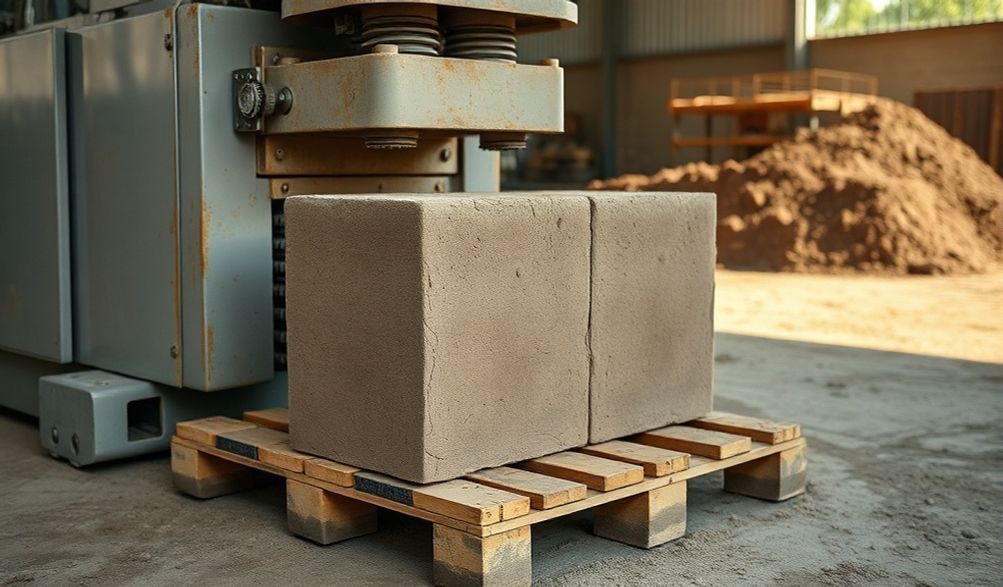
A tsakiyar sa, na'urar yin bulo daga kasa ta'ura ce da aka kera don samar da bulo na kasa da aka matsa (CEBs) tare da ingantacciyar aiki da daidaituwa. Babban aikinta shi ne hada kasa danye—galibi kasan kasa—da kashi kadan na abin karfafawa (kamar siminti ko lemun tsami) da ruwa, sannan a matsa hadin a karkashin matsin lamba mai girma zuwa ga bulo masu kauri da siffa daidai wanda za a iya amfani da su wajen gini.
Yi tuni da shi a matsayin ci gaban na'urar CINVA Ram na hannu, wata kayan aiki da aka ƙirƙira a cikin shekarun 1950. Yayin da ƙa'idar matsi na inji ta kasance, na'urorin laka na zamani sun haɗa da ƙarin ƙwararrun injiniya, ingantattun tsarin injinan ruwa ko ƙarfi, kuma galibi suna da haɗakar gaurayawa. Wannan ci gaban ya ɗauki samar da tubalin ƙasa daga aikin hannu mai sauri, zuwa aiki mai maimaitawa, mai shirye-shirye. Babban aikin na'urar shinematsakumaƘarfafaƙasa, yana buɗe ƙarfinsa na tsari don ƙirƙirar raka'a gini masu ɗorewa, masu ɗaukar kaya.
Yaya Injin Mudding na Tubalin Ƙasa ke Aiki? An Bayyana Tsarin
Canza kasa daga yanayin da take zuwa wani tsari na gini mai daidaito, wani tsari ne mai ban sha'awa mai matakai uku. Fahimtar wannan tsarin aiki shine mabuɗin fahimtar ƙimar na'urar da kuma sarrafa ta cikin nasara.
Mataki na 1: Shirya Kayan & Haɗawa
Nasarowa ta fara tun kafin a kunna na'urar, tare da zaɓin kayan da suka dace.
- Gwajin ƙasa:Ba duk ƙasa ba ake halittar su daidai ba. Ƙasar da ta dace tana da daidaitaccen haɗin yumbu (mai ɗaure), silt, da yashi (mai tarawa). Gwajin kwalban laka mai sauƙi zai iya tantance wannan rabo. Yumbu mai tsafta zai ragu kuma ya tsage; yashi mai tsafta ba zai ɗaure ba.
- Daidaitawa:Don ƙarfafawa, ƙarfi, da juriyar ruwa, ana ƙara mai daidaitawa. Yawanci yana da kashi 5-10% na siminti Portland ko lemun tsami. Mai daidaitawa yana amsawa ta hanyar sinadarai don ƙirƙirar matrix mafi ƙarfi.
- Tsarin Haɗawa:An daɗaɗɗen ƙasa da kuma mai daidaitawa ana ciyar da su cikin na'urar mixer - nau'ikan gama gari sun haɗa da jujjuyawar kwanon mixers ko kuma paddle mixers. Ana ƙara ruwa a hankali don samun daidaito, ɗamfara (ba jika ba) mix. Haɗakar daidaitaccen yana da mahimmanci ga ƙarfin toshe iri ɗaya.
Mataki na 2: Matsi & Gyare-gyare
This is where the magic happens, and the machine’s design truly shines.
- Loda: The mixed material is fed into a hopper, which channels it into a precise mold cavity.
- The Compression Event: A ram or piston applies extreme pressure to the soil mix. This can be achieved via:
- Matsin Ruwa: Uses a hydraulic cylinder for smooth, high, and consistent pressure. Common in larger models.
- Mechanical Lever: Uses a manual or powered lever system to generate force. Common in smaller, manual machines.
- The pressure, often measured in hundreds of PSI, forcibly compacts the soil particles, eliminating air voids and creating a dense, coherent block.
Stage 3: Ejection & Curing
The block is formed, but its journey to strength is just beginning.
- Fitarwa: The mold opens, and the newly formed block is gently ejected onto a pallet or rack.
- The Critical Cure: Freshly pressed blocks are strong but not at their full potential. They must be kept in a shaded, moist environment for a minimum of 7-14 days. This curing process allows the stabilizer (especially cement) to fully hydrate and gain strength. Sprinkling with water and covering with plastic sheeting is standard practice.
Key Benefits of Using a Mudding Machine for Earth Blocks
Switching from manual or traditional methods to a mechanized process unlocks a cascade of advantages that make earth construction genuinely competitive.
Unmatched Efficiency & Consistency
- Sakamako: A manual press might produce 40-60 blocks per hour. A hydraulic mudding machine can produce 200-500+ blocks in the same time, dramatically accelerating project timelines.
- Daidaito: Every block is identical in size, density, and weight. This consistency simplifies bricklaying, reduces mortar use, and results in structurally predictable walls with clean, straight lines—a challenge with hand-made adobe.
Superior Material Performance
- Enhanced Strength: Optimal compression significantly increases the block’s compressive strength, often allowing it to meet or exceed building codes for load-bearing masonry.
- Built-In Benefits: The high density improves durability and abrasion resistance. Furthermore, it maximizes the innate thermal mass of earth, which absorbs heat during the day and releases it at night, naturally regulating indoor temperatures and slashing energy costs. Compressed earth blocks also offer excellent fire resistance.
Economic & Accessibility Advantages
- Tanadin Aiki: The machine reduces the most intensive labor component, lowering overall project costs.
- Local Materials: The primary ingredient—soil—can often be sourced directly from the construction site or locally, eliminating the cost and carbon footprint of transporting heavy materials like concrete blocks.
- ROI Mai Sauri: Quicker block production means faster wall construction, leading to earlier project completion and occupancy.
Environmental & Sustainability Impact
- Ƙarancin Makamashi Mai Ƙarfafawa: Compared to fired bricks (which require immense heat) or concrete blocks (energy-intensive cement production), CEBs have a minuscule carbon footprint. The machine’s energy use is the primary input.
- Minimal Waste: Any broken blocks or construction waste can be returned to the soil pile, rewetted, and repressed. There is no landfill waste.
- Healthy Living: Earth blocks are non-toxic, do not off-gas volatile organic compounds (VOCs), and naturally regulate indoor humidity, contributing to superior indoor air quality.
Choosing the Right Earth Block Mudding Machine: A Buyer’s Guide
Selecting a machine is a significant investment. The right choice depends entirely on your project scale, budget, and location.
Types of Machines: Manual vs. Hydraulic vs. Automatic
- Manual/Lever Presses: Ideal for small-scale, DIY, or community projects. They are low-cost, portable, require no power, and are simple to maintain. The trade-off is lower output and higher operator fatigue.
- Matsatsi na Ruwa: The sweet spot for most professional small-to-medium-scale projects. They offer higher, more consistent output with less physical effort. They require a power source (electric or diesel) and represent a higher initial investment. Consistency and speed are their hallmarks.
- Matsarori Masu Sarrafa Kansu Gabaɗaya: Designed for high-volume commercial production. These systems often include automated material feeding, mixing, pressing, and block stacking. They have the highest capacity and cost, and are suitable for businesses producing blocks for sale.
Critical Specifications to Evaluate
When comparing models, scrutinize these key specs:
* Ƙarfin Samarwa: Blocks per hour or per day. Be realistic about your needs.
* Block Size & Shape: Standard rectangular blocks are common, but many machines offer interchangeable molds for different sizes or even tubalan tubalan (which further speed up construction and reduce mortar use).
* Matsakaicin Matsi: Measured in PSI or tons. Higher pressure generally yields stronger, denser blocks.
* Tushen Wutar Lantarki: Electric (needs grid/generator), diesel (for remote sites), or manual.
* Portability & Build: Consider weight, wheel options, and overall robustness. Steel frame construction is essential for durability.
Leading Brands and Models Overview
While we maintain a neutral stance, it is prudent for buyers to research established manufacturers known for build quality, available spare parts, and customer support. Brands like AECT (Advanced Earthen Construction Technologies), Vela Machines, and regional manufacturers in Africa, Latin America, and Asia have strong reputations. Always conduct thorough due diligence: read user reviews, watch demonstration videos, and contact manufacturers directly with your specific soil and project questions.
Cost Analysis: Investment vs. Return
- Upfront Cost: Can range from a few hundred dollars for a simple manual press to tens of thousands for a high-end hydraulic or automatic system.
- Kudin Aiki: Factor in power/fuel, routine maintenance, and eventual replacement of wear parts (like mold liners and rams).
- Cost-Per-Block: This is the ultimate metric. Calculate the total cost of the machine, materials (soil, stabilizer), and labor, then divide by the total blocks produced over the machine’s lifespan. For even medium-sized projects, the per-block cost is typically far lower than purchasing conventional bricks, especially when using on-site soil.
Practical Applications and Project Inspiration
The versatility of machine-made earth blocks opens a world of construction possibilities.
- Ginin Gidaje: From beautiful, custom family homes and serene guest houses to durable garden walls, sheds, and pizza ovens. The aesthetic and performance benefits are profound.
- Community & Commercial Projects: Perfect for schools, clinics, community centers, eco-lodges, and winery storage buildings. The combination of low cost, local materials, and thermal comfort is highly attractive.
- Disaster-Resilient and Humanitarian Building: This is a critical application. Mudding machines enable the rapid, low-cost production of durable, thermally efficient shelters using locally available materials, which is invaluable in post-disaster recovery and refugee settlement scenarios.
Essential Tips for Operation and Maintenance
To ensure longevity of both your machine and the blocks it produces, follow these guidelines.
- Soil Suitability and Testing: Never skip this step. The jar test is your best friend. Starting with the wrong soil mix guarantees poor results.
- Daily Operation Best Practices:
- Maintain a consistent feed rate of material into the hopper.
- Keep molds clean after each production run to prevent buildup.
- Follow the manufacturer’s lubrication schedule for all moving parts.
- Routine Maintenance Schedule:
- Kullum: Clean all components.
- Mako-mako: Check and tighten all bolts and fittings.
- Monthly (for hydraulic models): Check hydraulic fluid levels and look for leaks.
- Annually/Bi-Annually: Inspect and replace high-wear items like seals, mold liners, and mixer paddles.
Tambayoyin da ake yawan yi (FAQ)
Q1: How strong are machine-made earth blocks compared to conventional bricks?
A: With proper soil selection, stabilization (5-10% cement), and high-pressure compression, CEBs can achieve compressive strengths of 600 PSI or more, meeting or exceeding the strength of many common fired clay bricks and making them fully suitable for multi-story, load-bearing walls.
Q2: Can I use any soil from my property?
A: Not directly. A simple sediment jar test is essential. The ideal soil is a “loam” with roughly 15-30% clay, 10-30% silt, and the remainder sand and gravel. Soil that is mostly pure clay or pure sand will not work without significant amendment.
Q3: Are earth blocks waterproof?
A: They are best described as highly water-resistant when properly stabilized and compressed. Like all masonry, they require protective design: a solid foundation above grade, adequate roof overhangs, and a breathable plaster finish (like lime or earthen plaster) to shield them from direct, driving rain.
Q4: Is special training needed to operate these machines?
A: While not overly complex, basic training is highly recommended for optimal results and safety. Many equipment suppliers offer this. Critical knowledge areas include soil mix design, machine operation mechanics, and proper curing procedures.
Q5: What is the typical lifespan of a structure built with these blocks?
A: Exceptionally long. There are earth buildings around the world that are centuries old. The lifespan of a modern CEB structure is a function of good design (wide eaves, good drainage), quality construction, and basic maintenance. With these, it can easily last for generations.
Ƙarshe
The earth block mudding machine is far more than a piece of farm equipment or a simple press. It is a transformative technology that democratizes sustainable construction. By solving the historic problems of labor intensity and inconsistency, it makes the profound benefits of earth building—durability, beauty, energy efficiency, and ultra-low environmental impact—accessible to the modern builder.
As the world grapples with housing shortages and the urgent need to decarbonize industry, the potential for this technology is vast. It represents a pragmatic, scalable path toward a more resilient and sustainable built environment.
Embarking on an earth building project requires blending this modern technology with expert knowledge. Before you begin, consult with a structural engineer familiar with earth construction, connect with experienced CEB builders, and consider reaching out to equipment manufacturers for demonstrations. Seeing an Na'urar yin tubali na ƙasa in action, transforming humble soil into a precise building block, is the first step in turning the dream of a sustainable, self-built future into a tangible, beautiful reality.
<