
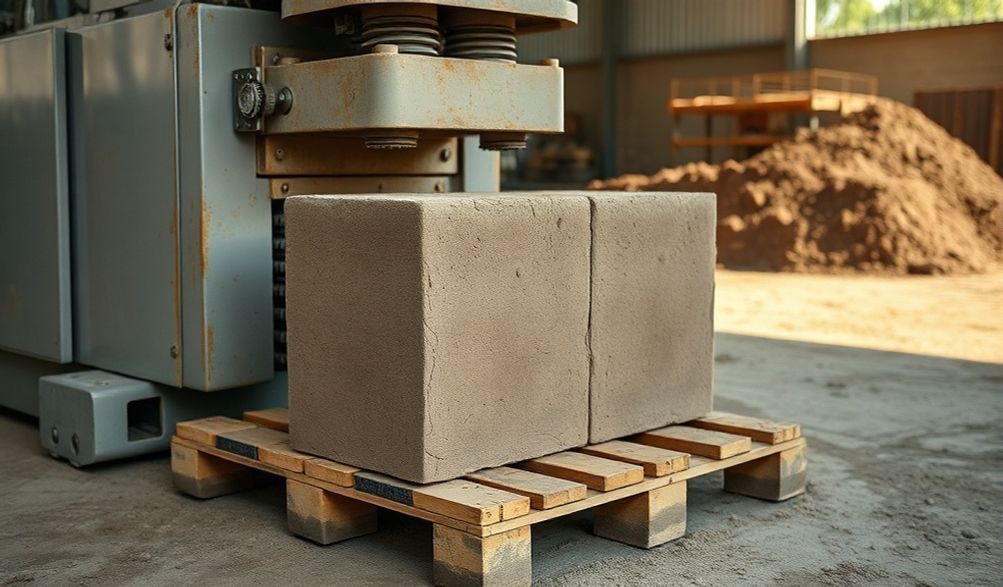
지속 가능한 건축을 위한 흙 블록 다짐 기계 최종 가이드
기후 의식과 자원 부족의 시대에 세계 건설 산업은 조용한 혁명을 겪고 있습니다. 건축가, 건설업자, 그리고 주택 소유자들은 점점 더 앞으로 나아가기 위해 과거를 돌아보며 고대 건축 기술의 심오한 지혜를 재발견하고 있습니다. 그중에서도 흙 블록 건축은 그 단순함, 아름다움, 그리고 놀라운 지속 가능성으로 두드러집니다. 그러나 이러한 장점에도 불구하고, 전통적인 손으로 진흙 블록을 만드는 방법은 지나치게 노동 집약적이고 일관성이 부족하여 주류 채택에 큰 장벽이 되고 있습니다.
현대적 해결책:흙 블록 다짐 기계이 혁신적인 장비는 시대를 초월한 재료 과학과 현대적 효율성 및 정밀성을 결합하는 중요한 가교 역할을 합니다. 이를 통해 힘들고 어려웠던 흙 건축 공예를 실행 가능하고 확장성 있으며 고도로 제어된 건축 방법으로 변모시킵니다.
이 결정적인 가이드는 건축업자, 건축가, DIY 애호가, 지속 가능한 생활 옹호자들을 위해 제작되었습니다. 업계 지식과 실용적인 공학적 통찰력을 바탕으로, 여러분이 알아야 할 모든 것을 분석해 보겠습니다. 이 기계가 무엇인지, 어떻게 작동하는지, 부인할 수 없는 장점들, 그리고 적합한 기계를 선택하기 위한 주요 고려 사항들을 탐구할 것입니다. 마지막에는 흙 블록 성형 기계가 단순한 도구가 아니라, 생태 의식적인 건축 르네상스를 위한 촉매제임을 이해하게 될 것입니다.
지구 블록 진흙 바르기 기계란 무엇인가요?
토압 블록 성형기의 핵심은 압축 토블록(CEB)을 효율적이고 균일하게 생산하도록 설계된 기계화 장치입니다. 주된 기능은 일반적으로 심토와 같은 원료 흙을 소량의 안정제(시멘트나 석회 등)와 물과 혼합한 후, 고압으로 압축하여 건축에 바로 사용할 수 있는 조밀하고 규격화된 블록으로 성형하는 것입니다.
이것은 1950년대에 개발된 수동식 CINVA Ram 프레스의 진화로 생각해 보십시오. 기계적 압축 원리는 그대로 유지되지만, 현대식 진흙 블록 성형 기계는 더욱 견고한 공학 설계, 개선된 유압 또는 지레 시스템을 통합하며, 종종 통합 혼합 기능을 갖추고 있습니다. 이러한 진화로 인해 흙 블록 생산은 느리고 수공예적인 과정에서 반복 가능하고 프로젝트에 바로 투입할 수 있는 작업 방식으로 변모했습니다. 이 기계의 근본적인 역할은압축하다그리고안정화하다지구, 그 잠재된 구조적 잠재력을 발휘하여 내구성 있고 하중을 견디는 건축 단위를 창출합니다.
흙 블록 다짐 기계는 어떻게 작동하나요? 과정 설명
원료인 흙을 정밀한 건축 블록으로 변환하는 과정은 매혹적인 세 단계를 거칩니다. 이 작업 흐름을 이해하는 것이 기계의 가치를 제대로 평가하고 성공적으로 운영하는 핵심입니다.
1단계: 재료 준비 및 혼합
성공은 기계를 가동하기 훨씬 전, 적절한 재료 선택에서부터 시작됩니다.
- 토양 검사모든 흙이 동일하게 생성되지는 않습니다. 이상적인 토양은 점토(결합재), 실트, 모래(골재)가 균형 있게 혼합되어 있습니다. 간단한 침전 병 테스트로 이 비율을 확인할 수 있습니다. 순수 점토는 수축하고 갈라지며, 순수 모래는 결합되지 않습니다.
- 안정화:강도, 내구성 및 방수성을 향상시키기 위해 안정제가 첨가됩니다. 이는 일반적으로 5-10%의 포틀랜드 시멘트 또는 수화된 석회입니다. 안정제는 화학 반응을 통해 더 강한 매트릭스를 형성합니다.
- 혼합 메커니즘:준비된 토양과 안정제는 기계의 믹서로 공급되며, 일반적인 유형으로는 회전 팬 믹서나 패들 믹서가 있습니다. 균일한 블록 강도를 위해 균질한 혼합이 중요하며, 물은 점차적으로 첨가되어 일관되고 촉촉한(젖지 않은) 혼합물을 만듭니다.
2단계: 압축 및 성형
This is where the magic happens, and the machine’s design truly shines.
- 로딩 중... The mixed material is fed into a hopper, which channels it into a precise mold cavity.
- The Compression Event: A ram or piston applies extreme pressure to the soil mix. This can be achieved via:
- 유압 프레스: Uses a hydraulic cylinder for smooth, high, and consistent pressure. Common in larger models.
- Mechanical Lever: Uses a manual or powered lever system to generate force. Common in smaller, manual machines.
- The pressure, often measured in hundreds of PSI, forcibly compacts the soil particles, eliminating air voids and creating a dense, coherent block.
Stage 3: Ejection & Curing
The block is formed, but its journey to strength is just beginning.
- 이젝션 The mold opens, and the newly formed block is gently ejected onto a pallet or rack.
- The Critical Cure: Freshly pressed blocks are strong but not at their full potential. They must be kept in a shaded, moist environment for a minimum of 7-14 days. This curing process allows the stabilizer (especially cement) to fully hydrate and gain strength. Sprinkling with water and covering with plastic sheeting is standard practice.
Key Benefits of Using a Mudding Machine for Earth Blocks
Switching from manual or traditional methods to a mechanized process unlocks a cascade of advantages that make earth construction genuinely competitive.
Unmatched Efficiency & Consistency
- 출력: A manual press might produce 40-60 blocks per hour. A hydraulic mudding machine can produce 200-500+ blocks in the same time, dramatically accelerating project timelines.
- 균일성: Every block is identical in size, density, and weight. This consistency simplifies bricklaying, reduces mortar use, and results in structurally predictable walls with clean, straight lines—a challenge with hand-made adobe.
Superior Material Performance
- Enhanced Strength: Optimal compression significantly increases the block’s compressive strength, often allowing it to meet or exceed building codes for load-bearing masonry.
- Built-In Benefits: The high density improves durability and abrasion resistance. Furthermore, it maximizes the innate thermal mass of earth, which absorbs heat during the day and releases it at night, naturally regulating indoor temperatures and slashing energy costs. Compressed earth blocks also offer excellent fire resistance.
Economic & Accessibility Advantages
- 노동력 절감 The machine reduces the most intensive labor component, lowering overall project costs.
- Local Materials: The primary ingredient—soil—can often be sourced directly from the construction site or locally, eliminating the cost and carbon footprint of transporting heavy materials like concrete blocks.
- Faster ROI: Quicker block production means faster wall construction, leading to earlier project completion and occupancy.
Environmental & Sustainability Impact
- 초저체화에너지: Compared to fired bricks (which require immense heat) or concrete blocks (energy-intensive cement production), CEBs have a minuscule carbon footprint. The machine’s energy use is the primary input.
- Minimal Waste: Any broken blocks or construction waste can be returned to the soil pile, rewetted, and repressed. There is no landfill waste.
- Healthy Living: Earth blocks are non-toxic, do not off-gas volatile organic compounds (VOCs), and naturally regulate indoor humidity, contributing to superior indoor air quality.
Choosing the Right Earth Block Mudding Machine: A Buyer’s Guide
Selecting a machine is a significant investment. The right choice depends entirely on your project scale, budget, and location.
Types of Machines: Manual vs. Hydraulic vs. Automatic
- Manual/Lever Presses: Ideal for small-scale, DIY, or community projects. They are low-cost, portable, require no power, and are simple to maintain. The trade-off is lower output and higher operator fatigue.
- 유압 프레스: The sweet spot for most professional small-to-medium-scale projects. They offer higher, more consistent output with less physical effort. They require a power source (electric or diesel) and represent a higher initial investment. Consistency and speed are their hallmarks.
- 완전 자동 기계: Designed for high-volume commercial production. These systems often include automated material feeding, mixing, pressing, and block stacking. They have the highest capacity and cost, and are suitable for businesses producing blocks for sale.
Critical Specifications to Evaluate
When comparing models, scrutinize these key specs:
* 생산 능력 Blocks per hour or per day. Be realistic about your needs.
* Block Size & Shape: Standard rectangular blocks are common, but many machines offer interchangeable molds for different sizes or even 연결 블록 (which further speed up construction and reduce mortar use).
* 압력 등급 Measured in PSI or tons. Higher pressure generally yields stronger, denser blocks.
* 전원 공급 장치 Electric (needs grid/generator), diesel (for remote sites), or manual.
* Portability & Build: Consider weight, wheel options, and overall robustness. Steel frame construction is essential for durability.
Leading Brands and Models Overview
While we maintain a neutral stance, it is prudent for buyers to research established manufacturers known for build quality, available spare parts, and customer support. Brands like AECT (Advanced Earthen Construction Technologies), Vela Machines, and regional manufacturers in Africa, Latin America, and Asia have strong reputations. Always conduct thorough due diligence: read user reviews, watch demonstration videos, and contact manufacturers directly with your specific soil and project questions.
Cost Analysis: Investment vs. Return
- 선결 비용: Can range from a few hundred dollars for a simple manual press to tens of thousands for a high-end hydraulic or automatic system.
- 운영 비용 Factor in power/fuel, routine maintenance, and eventual replacement of wear parts (like mold liners and rams).
- Cost-Per-Block: This is the ultimate metric. Calculate the total cost of the machine, materials (soil, stabilizer), and labor, then divide by the total blocks produced over the machine’s lifespan. For even medium-sized projects, the per-block cost is typically far lower than purchasing conventional bricks, especially when using on-site soil.
Practical Applications and Project Inspiration
The versatility of machine-made earth blocks opens a world of construction possibilities.
- 주거 건설 From beautiful, custom family homes and serene guest houses to durable garden walls, sheds, and pizza ovens. The aesthetic and performance benefits are profound.
- Community & Commercial Projects: Perfect for schools, clinics, community centers, eco-lodges, and winery storage buildings. The combination of low cost, local materials, and thermal comfort is highly attractive.
- Disaster-Resilient and Humanitarian Building: This is a critical application. Mudding machines enable the rapid, low-cost production of durable, thermally efficient shelters using locally available materials, which is invaluable in post-disaster recovery and refugee settlement scenarios.
Essential Tips for Operation and Maintenance
To ensure longevity of both your machine and the blocks it produces, follow these guidelines.
- Soil Suitability and Testing: Never skip this step. The jar test is your best friend. Starting with the wrong soil mix guarantees poor results.
- Daily Operation Best Practices:
- Maintain a consistent feed rate of material into the hopper.
- Keep molds clean after each production run to prevent buildup.
- Follow the manufacturer’s lubrication schedule for all moving parts.
- Routine Maintenance Schedule:
- Daily: Clean all components.
- Weekly: Check and tighten all bolts and fittings.
- Monthly (for hydraulic models): Check hydraulic fluid levels and look for leaks.
- Annually/Bi-Annually: Inspect and replace high-wear items like seals, mold liners, and mixer paddles.
자주 묻는 질문 (FAQ)
Q1: How strong are machine-made earth blocks compared to conventional bricks?
A: With proper soil selection, stabilization (5-10% cement), and high-pressure compression, CEBs can achieve compressive strengths of 600 PSI or more, meeting or exceeding the strength of many common fired clay bricks and making them fully suitable for multi-story, load-bearing walls.
Q2: Can I use any soil from my property?
A: Not directly. A simple sediment jar test is essential. The ideal soil is a “loam” with roughly 15-30% clay, 10-30% silt, and the remainder sand and gravel. Soil that is mostly pure clay or pure sand will not work without significant amendment.
Q3: Are earth blocks waterproof?
A: They are best described as highly water-resistant when properly stabilized and compressed. Like all masonry, they require protective design: a solid foundation above grade, adequate roof overhangs, and a breathable plaster finish (like lime or earthen plaster) to shield them from direct, driving rain.
Q4: Is special training needed to operate these machines?
A: While not overly complex, basic training is highly recommended for optimal results and safety. Many equipment suppliers offer this. Critical knowledge areas include soil mix design, machine operation mechanics, and proper curing procedures.
Q5: What is the typical lifespan of a structure built with these blocks?
A: Exceptionally long. There are earth buildings around the world that are centuries old. The lifespan of a modern CEB structure is a function of good design (wide eaves, good drainage), quality construction, and basic maintenance. With these, it can easily last for generations.
결론
The earth block mudding machine is far more than a piece of farm equipment or a simple press. It is a transformative technology that democratizes sustainable construction. By solving the historic problems of labor intensity and inconsistency, it makes the profound benefits of earth building—durability, beauty, energy efficiency, and ultra-low environmental impact—accessible to the modern builder.
As the world grapples with housing shortages and the urgent need to decarbonize industry, the potential for this technology is vast. It represents a pragmatic, scalable path toward a more resilient and sustainable built environment.
Embarking on an earth building project requires blending this modern technology with expert knowledge. Before you begin, consult with a structural engineer familiar with earth construction, connect with experienced CEB builders, and consider reaching out to equipment manufacturers for demonstrations. Seeing an 흙 블록 다짐 기계 in action, transforming humble soil into a precise building block, is the first step in turning the dream of a sustainable, self-built future into a tangible, beautiful reality.
<