
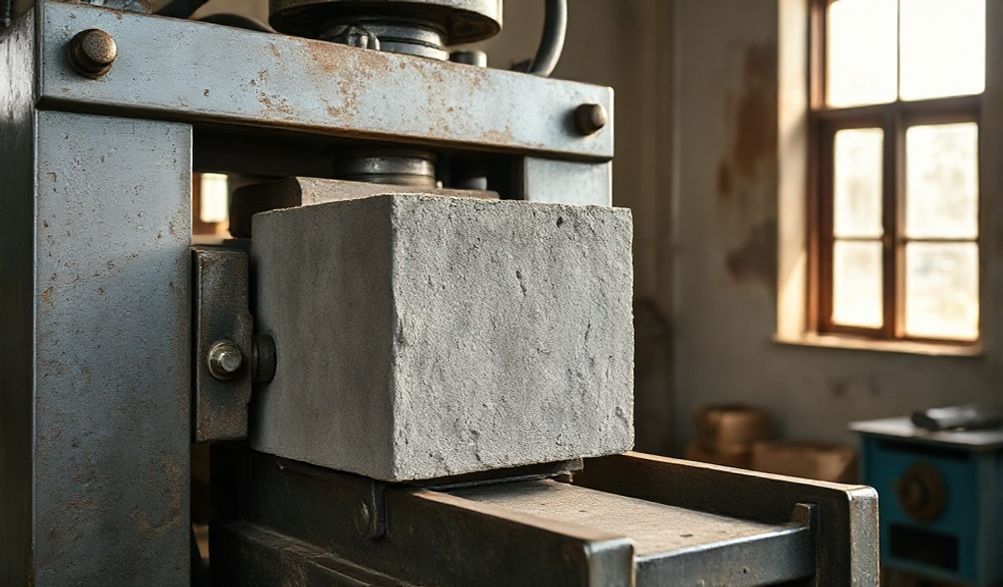
Jagorar Cikakkiyar Na’urorin Yin Bulo na Ghana: Inganci, Farashi & Inda Za a Sayi
Gabatarwa
Sashin ginin Ghana wani fanni ne mai ƙarfi na ci gaba. Tare da ƙimar haɓaka shekara-shekara da ke ci gaba da zarce babban tattalin arzikin ƙasa da manyan shirye-shiryen gwamnati kamar asibitocin "Ajanda 111" da manyan hanyoyin sadarwa, buƙatar kayan gini masu araha, amintattu ba ta taɓa yin girma ba. A tsakiyar wannan samar da kayan akwai injinan yin tubali. Amma a cikin kasuwa da ke cike da zaɓuɓɓukan da aka shigo da su, wani mafi girma, madadin gida yana samun kulawar da ya cancanta: injin yin tubali na Ghana.
Wannan jagorar ta keɓe ne ga waɗannan injinan aikin gida da aka ƙera. "Injin yin tubali na Ghana" yana nufin injinan da injiniyoyi da kamfanoni na Ghana suka ƙira, suka ƙera, suka haɗa a Ghana cikin gida. An gina waɗannan injinan don samar da tubalin siminti, bulo, da duwatsun shimfidawa waɗanda suka zama kwarangwal na ababen more rayuwa na ƙasarmu. Bisa zurfin fahimtar masana'antu game da ƙarfin masana'antu na gida, kimiyyar kayan da suka dace da yanayinmu, da kuma ilimin kasuwa na zahiri, an ƙera wannan cikakkiyar albarkatu don ƙwararrun ƙwararru.
Ko kai mai kwangila ne da ke sa ido kan babban aikinku na gaba, gini ne mai sarrafa bukatun rana bayan rana a wurin aiki, ko kuma ɗan kasuwa da ke neman shiga cikin kasuwancin kayan gini, wannan rubutun zai ba ku cikakkun bayanai. Za ku koyi fa'idodin zahiri na zaɓin na gida maimakon shigo da kayayyaki, ku gano manyan masana'antun, ku fahimci farashi na gaskiya, kuma ku sami dabarun aiki don haɓaka amfanin kuɗin ku. Manufarmu a bayyane take: don ba ku da cikakkun bayanai, marasa son kai waɗanda ke ba ku ikon yin yanke shawara na kasuwanci yayin tallafawa hazaka da haɓakar masana'antar Ghana.
Me Yasa Zaɓi Injin Yin Tubali Na Ghana?
Shawarar tsakanin na'urar da aka shigo da ita da wacce aka gina a cikin gida ta wuce kwatanta farashi kawai. Yana game da zaɓar kayan aiki da aka ƙera don takamaiman yanayin ku, tare da tsarin tallafi wanda ke tabbatar da cewa yana ci gaba da samar da amfani tsawon shekaru. Masana'antun Ghana sun yi amfani da gogewar su don ƙirƙirar injuna waɗanda ke ba da fa'idodi na musamman, masu amfani.
An Gina Don Gaɗan Yanayin Ghana
Nan ne ƙwarewar gida ke haskaka da gaske. Na'ura daga ƙasashen waje an tsara ta don kayan da yanayin asalinta.
- Daidaitaccen Kayan Gini na Gida:Injinonin Ghana ana daidaita su don girman girman da irin yashi na musamman, ko daga Kogin Offin ne ko yankunan bakin teku. Ana inganta ma'auni da tsarin rawar jiki don samar da tubalan ƙarfi masu ƙarfi daidai da kayan da kuke da su, don rage gwaji da kuskure.
- Zane da Ƙarfin Yanayi:Canjin yanayin zafi da sanyi na iya haɓaka tsatsa da lalacewa. Masana'antun gida masu mutunci sun fahimci wannan kuma galibi suna amfani da ƙarfe da aka yi wa magani da kuma suturar kariya da suka dace da yanayin mu, don tabbatar da tsawon rayuwar na'urar.
- Ƙayyadaddun Ƙarfin Wuta:An gina shi don yin aiki lafiya akan tsarin wutar lantarki na Ghana na 220-240V, kana guje wa wahala da farashin na'urorin canza wutar lantarki ko rashin kwanciyar hankali na aiki wanda zai iya shafar injinan da aka ƙera don wasu tsarin wutar lantarki.
Tasiri Mai Tsada & Fa'idodin Tattalin Arziki
Hujjar kuɗi ta sayar da kayayyakin da aka yi a Ghana tana da ƙarfi, musamman idan aka yi la'akari da jimillar farashin mallaka.
- Ƙaramin Zuba Jari na Farko:Ba tare da jigilar kayayyaki na ƙasa da ƙasa, harajin shigo da kayayyaki, da haɓaka farashin masu matsakaicin matsayi ba, farashin sayayya na farko yawanci ya kasance kashi 20-35% ƙasa da na'ura mai kama da ita da aka shigo da ita.
- Mai Bayyani & Rage Farashin Taimako:Kuna biya da Cedis (GHS), kuna guje wa sauye-sauyen farashin kudin waje. Babu wasu kuɗaɗen wakili na share fage da ba a zata ba ko kuma jinkirin tashar jiragen ruwa da ke riƙe da jarin ku.
- Kayan Gyara Mai Arha da Sauƙin Samu:Wannan fa'ida ce mai mahimmanci. Lokacin da wani sashi ya ƙare, za ka iya kiran mai sayar da kayanka a Accra ko Kumasi, kuma za a kawo maka cikin 'yan kwanaki, ba cikin watanni ba. Farashin ya yi ƙasa da na ɗan guntun sashi da ake shigo da shi, wanda ke rage lokacin da aikin ya tsaya da kuɗin kulawa sosai.
- Tallafawa Tattalin Arzikin Gida: Your investment circulates within Ghana, creating and sustaining jobs for engineers, welders, technicians, and sales staff. It’s a direct contribution to national industrial development.
Unmatched Local Support & Service
After-sales service can make or break your investment. Local proximity is an irreplaceable asset.
- Proximity for Rapid Support: A technical issue doesn’t mean waiting for an international email reply. You can often have a technician visit your site within days, if not hours, depending on your location.
- Context-Relevant Training: Training is provided in local languages or familiar Ghanaian English, using relatable examples. Operators learn faster and retain more when instruction is culturally and contextually aligned.
- Minimized Operational Downtime: Faster repairs and easy access to spare parts mean your machine is producing revenue-generating blocks more consistently. For a business, this reliability is priceless.
Types of Block Making Machines Made in Ghana
Ghanaian manufacturers cater to the full spectrum of needs, from the individual entrepreneur to the large-scale commercial producer. Understanding the types available is the first step in matching the right machine to your project scope.
Matsarorin Tukwane na Hannu
Ideal for entry-level startups, small community projects, or as a secondary machine for specialty blocks.
- Bayanin: These are hand-operated machines where the operator uses a lever to compress the concrete mix into a mold. They are simple, robust, and mobile.
- Ƙarfin Fitowa: Typically 200-500 blocks per 8-hour day, depending on crew size and efficiency.
- Abubuwan da suka fi kyau:
- Farashin farko mai ƙarancin gaske.
- No electricity or diesel required, perfect for remote sites.
- Easy to maintain and operate.
- Rashin Kyau:
- Labor-intensive and physically demanding.
- Lower output and less consistent block density compared to powered machines.
Matsarori na Yin Tubali na Semi-Automatic
The most popular choice for small-to-medium enterprises (SMEs) and growing block factories. They offer the best balance of output, affordability, and automation.
- Bayanin: These machines use an electric motor or diesel engine to power a vibration system that compacts the concrete. The operator feeds the mix and removes finished blocks, but the core compaction process is mechanized.
- Ƙarfin Fitowa: Can range from 1,000 to over 5,000 blocks per 8-hour shift, depending on the model and crew.
- Samfuran na Kowa: Ghanaian manufacturers excel in producing versatile semi-automatic machines that can produce:
- Standard 4″, 5″, and 6″ hollow blocks.
- Solid blocks.
- Interlocking soil bricks (stabilized with a small amount of cement).
- Decorative paving stones and kerbs.
- Key Feature: Many allow for quick mold changes, enabling one machine to produce multiple block types.
Fully Automatic Block Making Plants
For large-scale commercial production supplying major construction projects or regional markets.
- Bayanin: These are integrated systems. They include automated concrete mixers, conveyor belts that feed the block machine, and a fully automated press that molds, compacts, and ejects blocks onto pallets. Some advanced lines include robotic pallet stackers.
- Ƙarfin Fitowa: Can produce 8,000 to 20,000+ blocks per day with a small crew.
- Ghanaian Capability: While the most complex components may be sourced, several leading Ghanaian engineering firms now specialize in the assembly, integration, and commissioning of these automatic plants. They provide the crucial local adaptation, civil works, and ongoing technical support for these high-value systems.
Top Ghanaian Manufacturers and Suppliers
Navigating the market requires knowing who the established players are. While we encourage you to conduct your own due diligence, the industry recognizes several key hubs and company types.
Leading Local Manufacturers
Manufacturing clusters in industrial areas of Accra (e.g., Tesano, Industrial Area), KumasikumaTema are home to skilled fabricators. Reputable companies are often those with a visible factory, a portfolio of client projects, and several years of operation.
- Look for companies like: While specific names require your research, seek out manufacturers such as “Blocktech Engineering”ko“Ghana Builders Machinery”—placeholders for the kind of established firms that have been advertising consistently, have professional workshops, and are known for their robust semi-automatic and automatic stationary machines.
- Ƙwarewa Some may specialize in heavy-duty, high-output machines for block factories, while others might focus on more affordable, mobile machines for small contractors. Checking their product range will tell you their focus.
What to Look for in a Reputable Supplier
Choosing the right supplier is as important as choosing the right machine. Here’s your checklist:
Green Flags:
* Factory/Workshop Visit: They welcome and encourage you to visit their production facility to see machines being built.
* Client Testimonials & References: They can provide contacts of past buyers you can speak to independently.
* Clear After-Sales Service Terms: A written warranty (6 months to 1 year is standard), a listed service department phone number, and a promise of technical support.
* Parts Inventory: They stock common wear parts like mold liners, vibration motors, and springs.
Red Flags to Avoid:
* No Physical Address: Operating only from a P.O. Box or social media page.
* “Too Good to Be True” Pricing: Prices drastically lower than the market average often indicate poor-quality materials or hidden costs.
* No Demonstration: Unwilling or unable to show you a working machine.
* Pressure Tactics: High-pressure sales tactics to get a deposit immediately.
Key Considerations Before You Buy
A thoughtful purchase process prevents costly mistakes. Approach this as a strategic business investment.
Assessing Your Needs
Ka yi wa kanka waɗannan tambayoyin tushe:
* Girman Aikin Are you supplying a single building, a housing estate, or aiming for commercial wholesale?
* Nau'in Tubalan What does your market demand? 5″ hollow blocks for walls? Interlocking pavers for driveways? Solid blocks for foundations?
* Daily Output Target: Be realistic. Calculate your current or projected demand and add a margin for growth. It’s better to have a machine you can grow into than one that maxes out immediately.
Budgeting and Total Cost of Ownership
Look beyond the sticker price.
* Price Ranges (Approximate in GHS):
* Na'urorin Hannu: GHS 2,000 – GHS 8,000
* Matsin Injin Mai Ƙaramin Gudanarwa: GHS 15,000 – GHS 45,000
* Tsire-tsire Masu Sarrafa Kansu Gabaɗaya: GHS 80,000 – GHS 300,000+
* Additional Costs to Factor In:
* Kwayoyin ƙura: Extra molds for different block types can cost GHS 1,500 – GHS 4,000 each.
* Kwali: You’ll need a stock of steel or wooden pallets for block curing.
* Foundation & Shelter: The machine needs a level concrete base and a shed for protection.
* Raw Material Storage: Budget for space and equipment to store cement, sand, and aggregate.
Visiting and Evaluating
Never buy a machine sight unseen.
* Demand a Live Demonstration: See the machine in action. Observe the block quality, the ease of operation, and the noise/vibration levels.
* Key Questions for the Manufacturer:
1. What is the exact warranty coverage and duration?
2. Is installation and basic operator training included?
3. What is the lead time for the most common spare parts?
4. Can you provide a list of recommended mix ratios for local materials?
Operating and Maintaining Your Machine for Longevity
Your machine is a capital asset. Proper care ensures it repays your investment many times over.
Best Practices for Operation
- The Perfect Mix: A common recipe for a strong 5″ hollow block is 1 part cement, 4 parts sharp sand, and 6 parts aggregate (1/2″ granite chips). Water should be clean and added until the mix is cohesive but not sloppy. Consistency is key.
- Correct Loading & Compaction: Avoid overfilling or underfilling the mold. Allow the vibration motor to compact the mix fully—usually 5-10 seconds—before releasing the block. Rushing this step leads to weak, crumbly blocks.
- Safety First: Operators should wear safety boots, gloves, and hearing protection. Ensure all moving parts are guarded and that lock-out/tag-out procedures are followed during maintenance.
Jadawalin Kulawa na Yau da Kullum
A little daily care prevents major breakdowns.
* Kullum: Clean all concrete residue from the mold, press head, and machine frame with water and a brush. Lubricate all moving joints and pivot points with grease.
* Mako-mako: Check the tightness of all bolts and nuts. Inspect the vibration motor mounts for cracks. Examine mold liners for excessive wear.
* Kowane wata: Perform a thorough inspection of electrical connections (if applicable). Check hydraulic oil levels and hose integrity on automatic models.
Sourcing Spare Parts Locally
- Common Wear Parts: Mold liners, vibration motors, springs, and bolts are the most frequently replaced items. Keep a small inventory of these.
- Building the Relationship: Maintain good communication with your supplier. Inform them of any issues early. A trusted relationship often leads to priority service and helpful advice.
Tambayoyin da ake yawan yi (FAQ)
Q1: Are Ghana-made block machines as durable as imported ones from China or Europe?
A: Yes, when purchased from a reputable manufacturer. They use quality steel and components proven in the local environment. Their key advantage isn’t just initial durability, but sustainable durability due to easier, faster, and far cheaper maintenance and part replacement over the machine’s entire lifespan.
Q2: What is the price range for a medium-capacity Ghana-made block machine?
A: For a quality semi-automatic machine suitable for a small-to-medium business, expect a range of GHS 15,000 to GHS 45,000. The variance depends on factors like output capacity (blocks per hour), level of automation, and whether it includes a mixer. Always request a detailed, itemized quotation.
Q3: Can I get a machine that makes interlocking blocks for estate roads?
A: Absolutely. Many Ghanaian manufacturers produce specialized machines for interlocking paving stones and blocks. These are popular for roads, walkways, and parking areas. Be sure to specify your need for “interlocking paving block molds” when inquiring.
Q4: Do manufacturers offer installation and training?
A: Most established manufacturers do, and you should consider this a non-negotiable service. Proper installation ensures the machine is level and stable, while training your operators is critical for achieving high block quality, maximizing output, and ensuring safe operation from day one.
Q5: How do I verify the credibility of a local supplier?
A: Conduct physical verification: visit their workshop. Ask for and actually call 2-3 references from past clients. Check for a valid business registration. Observe if they have a dedicated service/parts department. A credible company operates transparently and is proud to show you their work.
Ƙarshe
The case for choosing a Ghana-made block making machine is robust and multifaceted. It combines significant cost savings, unparalleled local support, and intelligent design tailored to our specific conditions. This isn’t just a purchase; it’s a strategic partnership with a local provider invested in your success.
Our final recommendation is to invest time in your research. Visit the workshops in Accra, Kumasi, and Tema. See the machines being built, talk to the engineers, and speak to other buyers. The quality and capability on display will speak for itself.
By choosing Ghana-made, you do more than acquire a tool—you empower local industry, create jobs, and contribute directly to the nation’s economic resilience. You become part of a growing movement that believes in Ghanaian ingenuity. For any serious contractor, builder, or entrepreneur looking to build a sustainable business in Ghana’s vibrant construction sector, investing in reliable, locally-supported machinery is one of the smartest decisions you can make.
<