Nanar Masana'antu: Tsarin Tattalin Arzikin Makamashi a Injin Samar da Turare
Canjin Lāzimi: Abubuwan da ke Taimakawa Ga Ingancin Makamashi
Dokokin mulki da matsin lamba na muhalli
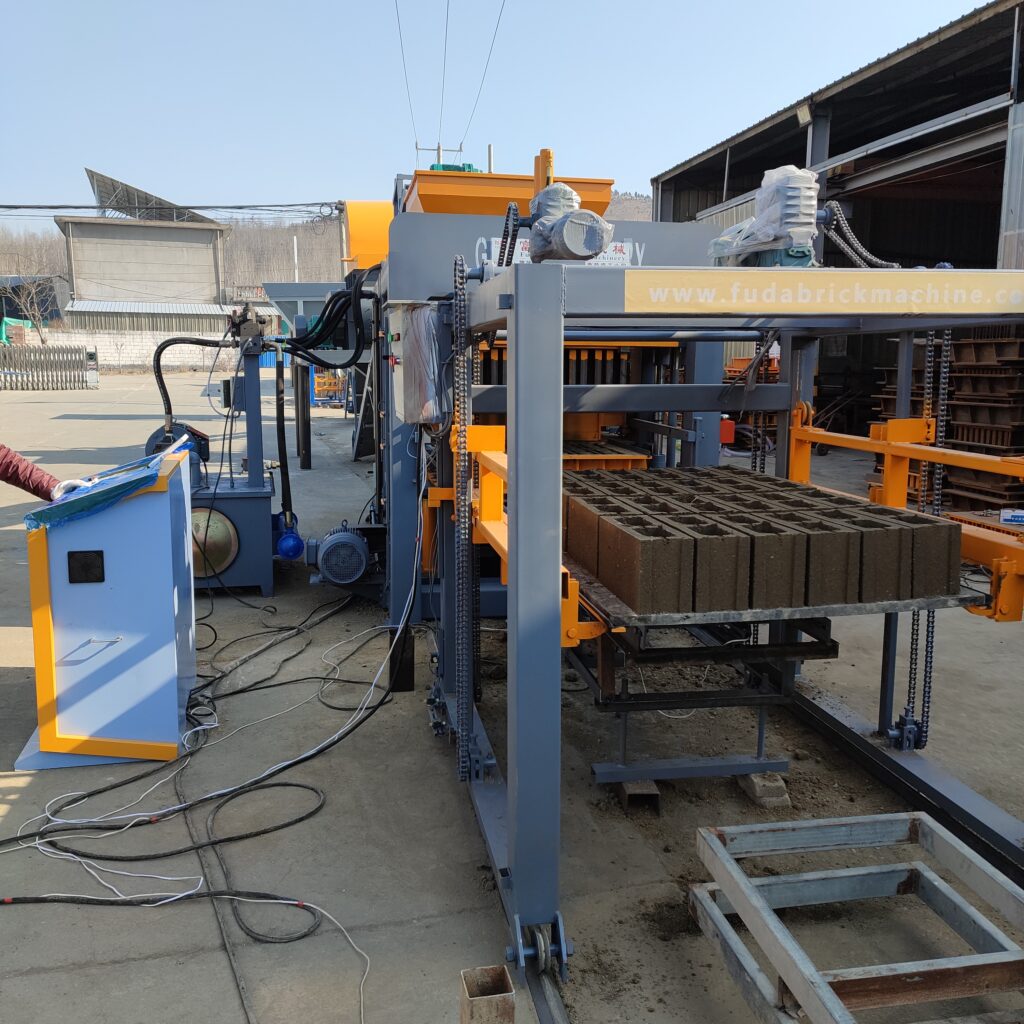
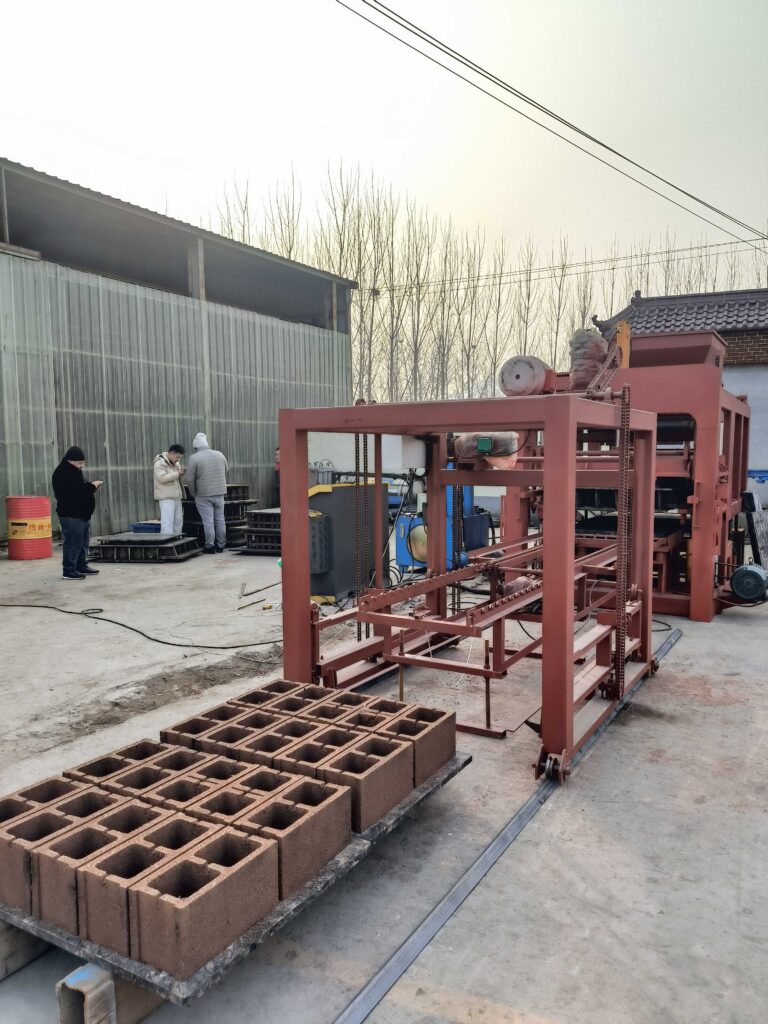
A duniya, gwamnatoci da gawwarmaki na duniya suna aiwatar da dokokin tsafi kan fitowar carbon da amfani da wutar lantarki a masana’antu. Haraji kan carbon, tsarin cinikin watsi, da ma’auni na inganci sun zama ruwan dare. Ga masu kera bulo, injunan samarwa sune tushen farko na amfani da wutar lantarki, wanda sau da yawa yana amfani da wutar lantarki mai yawa don tsarin hydraulic, injina, da sarrafawa, da kuma zafi don ayyukan gyarawa. Biyan doka ba zaɓi ba ne, kuma masu kera kayan aiki masu tunanin gaba suna tsara kayan aiki waɗanda ke taimaka wa masu kera ba kawai cika waɗannan ka’idoji ba amma su wuce su. Wannan yanayin doka yana haifar da sakamako kai tsaye, yana mai da injunan inganta wutar lantarki fifiko na farko ga masu kera da ke neman gujewa hukunci da kuma kiyaye lasisin aikin su.
Tattaunawar Tattalin Arziki da Jimlar Kudin Mallaka
Yayin da dokokin muhalli ke ba da kwarin gwiwa, babban abin da ke jawo shi ya fito ne daga tattalin arziki. Makamashi ya zama wani babban ɓangare na kuɗin da ake kashewa a aikin samar da bulo. Yayin da hauhawar farashin makamashi ke karuwa, sha'awar kuɗi don rage amfani ya zama mai ƙarfi sosai. Ga masu rarraba da ƙungiyoyin sayayya, labarin tallace-tallace yana canzawa daga farashin sayan farko zuwaFarashin Gabaɗaya Mallaka (FGM)Injin wutan lantarki masu amfani da makamashi, ko da yake wani lokaci suna buƙatar babban jari na farko, suna bayar da rahusa sosai a farashin aiki a tsawon rayuwar aikinsu. Wannan yana ba da kyakkyawar dama ga masu amfani (kantunan bulo) da kuma kayan aikin tallafi mai ƙarfi ga dillalai. Nuna ingantaccen dawowar kuɗi ta hanyar tanadin makamashi na iya hanzarta yanke shawara kan siya da kuma gina amincin abokan ciniki na dogon lokaci.
Ƙaruwar buƙatun kasuwa kan kayan aiki masu dorewa
Masu amfani da ginin gine-gine—masu zanen gini, masu haɓaka gidaje, da masu gidaje—suna ƙara ba da fifiko ga dorewa. Takaddun shaida na gine-gine da ka’idojin gine-gine masu kore yanzu suna la’akari da carbon da ke cikin kayan, wanda ya haɗa da makamashin da aka yi amfani da shi wajen kera su. Saboda haka, masana’antun bulo suna neman hanyoyin samar da bulo “masu kore” don shiga waɗannan kasuwanni masu riba. Yin amfani da injunan da ke rage amfani da makamashi kai tsaye yana rage sawun carbon na kowane bulo, yana ƙara kasuwanci. Don haka, samar da kayan aikin da ke ba da damar wannan samar da dorewa yana dacewa kai tsaye da wani yanki na kasuwa mai girma da daraja.
Hanyoyin Fasaha don Inganta Aiki
Sabuwar ƙirƙira a cikin Tsarin Injiniya da na Ruwa
Tushen injunan tubali na gargajiya sun kasance ƙarfi amma tsarin hydraulic mai amfani da makamashi. Injunan zamani na gaba suna ganin canje-canje masu juyi a nan.
- Masu Gudanar da Mita Mai Canzawa (VFDs) da Fasahar Sabis.Haɗa VFDs a kan injuna yana baiwa na'urar damar daidaita ƙarfin aiki daidai da buƙatar lokacin samarwa, yana kawar da ɓarnawar ci gaba da tafiyar da fanfunan ruwa da injuna. Mafi ci gaba kuma shine ɗaukarTsarin tuki na servo-lantarkiWaɗannan tsarin suna maye gurbin man fetur na ruwa da famfo tare da na'urorin lantarki da aka sarrafa daidai don ayyuka kamar tattarawa da fitarwa. Suna cinye makamashi ne kawai a lokacin motsi, suna kawar da asarar zafi na ruwa, kuma suna ba da ingantaccen iko, wanda ke haifar da tanadin makamashi wanda galibi ana ambatonsa a cikin kewayon 30-60% idan aka kwatanta da tsarin ruwa na al'ada.
- Optimized Hydraulic Circuit Design: For systems retaining hydraulics, innovations like load-sensing hydraulics, more efficient pump designs, and improved heat exchange and filtration systems reduce parasitic losses and improve overall system efficiency.
Advanced Control Systems and Smart Automation
Energy efficiency is no longer solely about hardware; it is increasingly driven by software and data.
- Intelligent Process Control: Modern programmable logic controllers (PLCs) and human-machine interfaces (HMIs) are equipped with algorithms that optimize the entire production cycle for minimal energy use. This includes intelligent sequencing of movements, optimized pressure curves, and automated standby modes during pauses.
- Predictive Maintenance and IoT Integration: The Internet of Things (IoT) enables real-time monitoring of energy consumption, motor loads, and system health. Predictive analytics can forecast maintenance needs, preventing small issues like worn seals or misalignments from causing gradual increases in energy draw. For dealers, this connectivity can also open new service revenue streams through remote monitoring and support contracts.
Thermal Efficiency in Curing and Drying Processes
For fired clay bricks or blocks requiring curing, the kiln or curing chamber is the most energy-intensive component. Advances here are profound.
- Improved Insulation Materials: The use of advanced ceramic fibers and refractory materials minimizes heat loss from kiln walls.
- Heat Recovery Systems: Sophisticated systems now capture waste heat from exhaust gases and reuse it to pre-heat combustion air or dry raw materials, dramatically improving overall thermal efficiency.
- Alternative Curing Methods: The adoption of autoclaved curing (using steam and pressure) for certain block types, and research into low-temperature or chemical curing processes, present pathways to reduce thermal energy demand significantly.
Material Science and Reduced Waste
Efficiency extends beyond direct energy use to the optimization of the raw material itself.
- High-Precision Forming: Modern machines produce bricks with exceptionally tight dimensional tolerances and consistent density. This uniformity leads to more efficient stacking in kilns, better heat transfer during curing, and fewer breakages—reducing the energy wasted on producing defective units.
- Adaptability to Alternative Raw Materials: Next-generation machines are being designed to handle higher percentages of recycled materials (like construction waste or fly ash) efficiently. Using these materials often requires less processing energy than virgin clay or cement, further lowering the embodied energy of the final product.
Strategic Implications for Distributors and Procurement Professionals
Portfolio Curation and Future-Proofing
For dealers and distributors, the energy efficiency trend demands a strategic review of supplied product lines. Partnering with equipment manufacturers who have a clear, R&D-driven roadmap for efficiency is crucial. The portfolio should increasingly feature machinery with demonstrable energy-saving credentials, certified by relevant performance standards. Offering a range from upgraded conventional systems to fully servo-electric solutions allows you to cater to different client budgets and transition stages.
Transforming the Sales and Value Proposition
The sales approach must evolve from discussing specifications in isolation to consulting on TCO and sustainability benefits. Sales teams need to be trained to conduct simple energy-audit comparisons between old and new technology, showcasing the payback period. Marketing materials should highlight energy performance data, certifications, and case studies of utility cost savings. Positioning your company as a provider of “future-ready, cost-saving solutions” rather than just “machines” builds a stronger brand.
After-Sales Service and New Revenue Models
Energy-efficient machinery often incorporates more sophisticated electronics and software. This raises the importance—and potential—of after-sales service. Offering maintenance contracts that include performance optimization, software updates, and connectivity services ensures the machinery operates at peak efficiency throughout its life. This creates a recurring revenue stream and deepens client relationships.
Ƙarshe
The trajectory towards greater energy efficiency in brick production machinery is not a speculative trend but an established industrial reality. Driven by an inescapable trifecta of regulation, economics, and market demand, technological innovation is delivering tangible solutions that redefine performance benchmarks. From revolutionary servo-electric drives and intelligent control systems to heat-recovery kilns and precision forming, every aspect of the production line is being optimized for lower energy consumption. For distributors, dealers, and procurement specialists, this shift represents a significant opportunity. By aligning their portfolios with this efficient future, transforming their sales narratives to emphasize TCO and sustainability, and developing advanced service models, they can position themselves as indispensable partners to their clients. The choice is clear: embrace and lead in the era of efficient manufacturing, or risk being left behind with outdated technology. The efficient future of brick production is being built today, and it promises to be more profitable, sustainable, and resilient for all stakeholders in the supply chain.
FAQ
Q1: Won’t the higher upfront cost of energy-efficient machinery deter our price-sensitive customers?
A: This is a common concern. The key is to shift the conversation from purchase price to Farashin Gabaɗaya Mallaka (FGM). Provide detailed calculations showing how the significant reduction in monthly energy bills leads to a payback period often between 1-3 years. After that period, the savings go directly to the customer’s bottom line, making it a sound financial investment, not just an environmental one.
Q2: Are these new, efficient technologies (like servo-electrics) reliable and durable for harsh industrial environments?
A: Modern servo systems are engineered for industrial durability. They often have fewer wearing parts than complex hydraulic systems (no pumps, valves, or hydraulic oil prone to leaks and contamination). Their reliability is generally high, and because they generate less heat, component stress is reduced. Leading manufacturers design these systems with robust protection ratings for dust and temperature.
Q3: How can we, as distributors, verify the energy-saving claims made by equipment manufacturers?
A: Request certified test data from independent laboratories, not just internal marketing figures. Ask for detailed case studies with real-world energy consumption metrics from existing installations. Furthermore, encourage manufacturers to provide simulation or calculation tools that allow you to input local energy costs and production parameters to generate customer-specific savings estimates.
Q4: Does energy-efficient machinery require more specialized technician training for servicing?
A: Yes, there is a transition. While traditional mechanical and hydraulic knowledge remains valuable, technicians will need additional training in electromechanical systems, servo drive troubleshooting, and basic software/network diagnostics for control systems. Investing in this training is essential and offers a competitive advantage, allowing you to provide superior support.
Q5: Is the push for efficiency only relevant for large-scale manufacturers, or is it applicable for smaller plants as well?
A: It is relevant across scales. While the absolute savings are larger for big plants, the relative cost of energy can be a heavier burden for smaller operations. Many innovations, such as VFDs on standard machines or improved insulation for smaller kilns, are scalable and offer a quick ROI. The market demand for sustainable materials also affects suppliers of all sizes, making efficiency a universal selling point.