Кірпіш өндірісіндегі энергия тиімділігі: өндірістік жабдықтардың болашағына терең үңілу
Өзгерістің қажеттілігі: Энергия тиімділігінің драйверлері
Реттеуші және экологиялық қысымдар
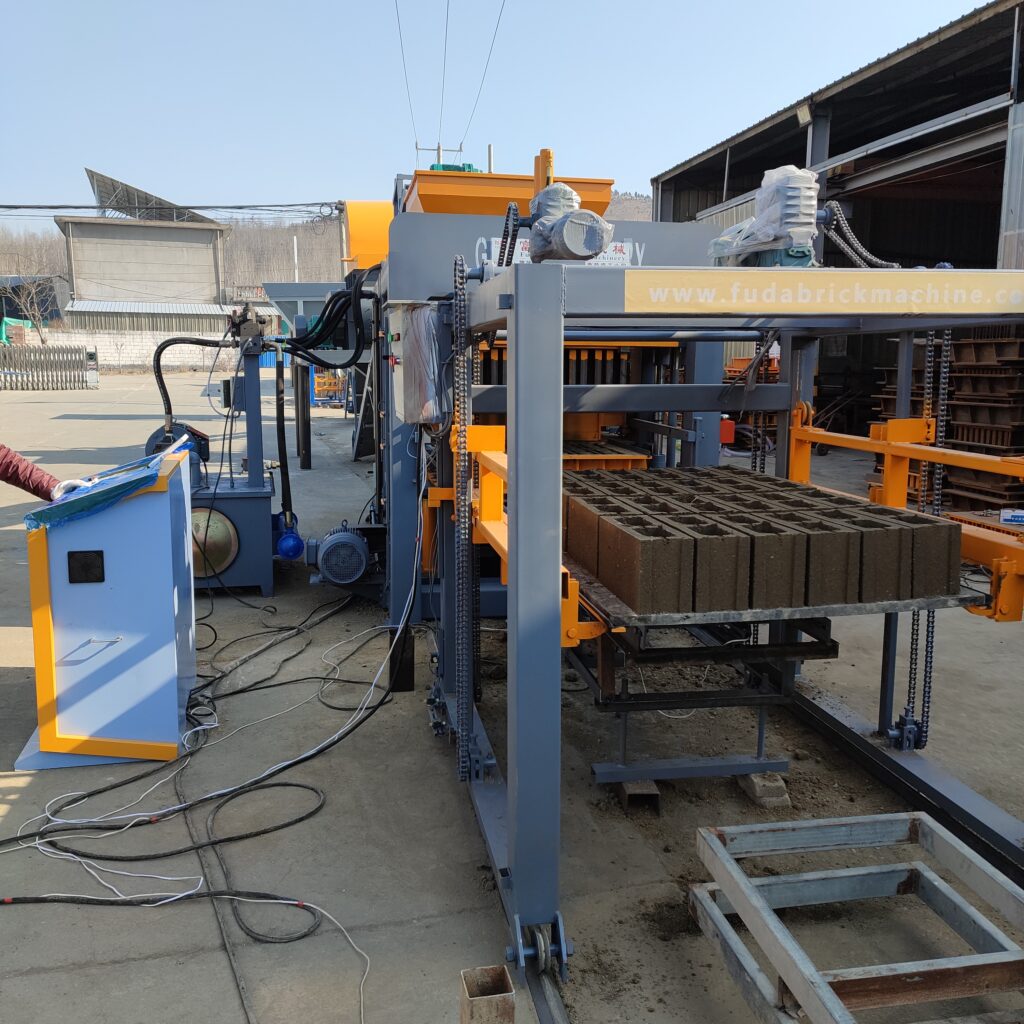
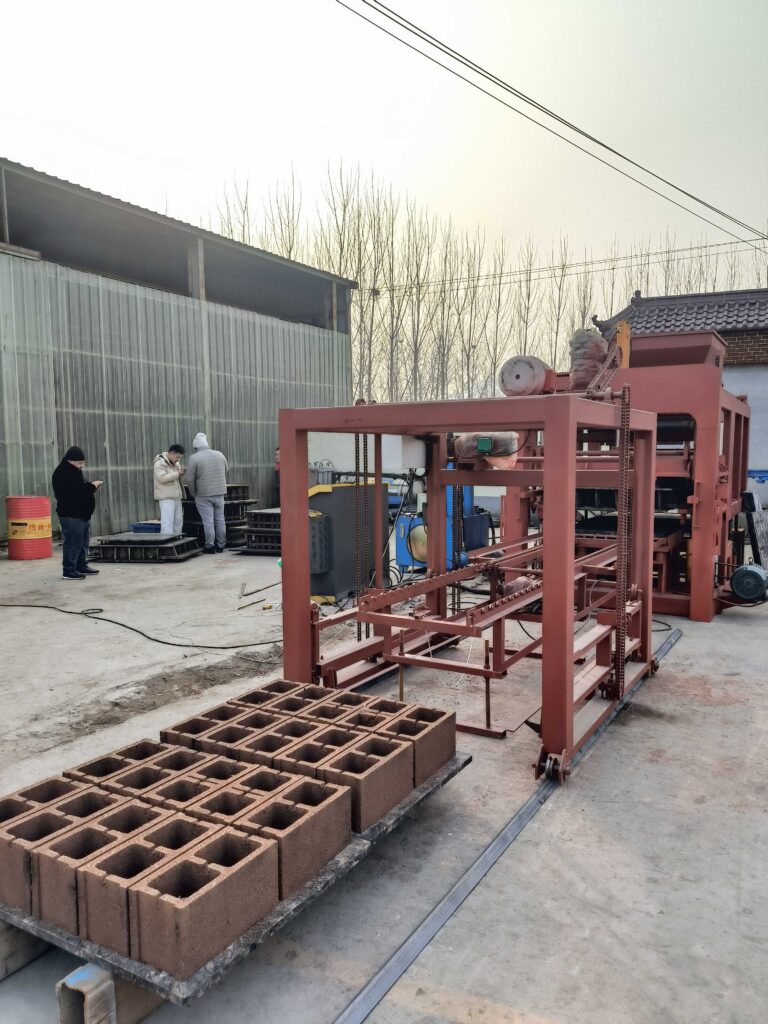
Жаhандық деңгейде үкіметтер мен халықаралық ұйымдар өнеркәсіптік көміртегі шығарындылары мен энергия тұтынуға қатаң реттеулер енгізуде. Көміртегі салығы, шығарындылармен сауда жүйелері және қатаң тиімділік стандарттары кең таралуда. Кірпіш өндірушілер үшін өндірістік жабдық энергия тұтынудың негізгі көзі болып табылады, ол көбінесе гидравликалық жүйелер, қозғалтқыштар мен басқару жүйелері үшін айтарлықтай электр энергиясын және қатайту процестері үшін жылу энергиясын қажет етеді. Ережелерді сақтау енді міндетті емес, ал алдын ала ойлайтын жабдық өндірушілер өндірушілерге осы стандарттарды орындап қана қоймай, олардан асып түсуге көмектесетін шешімдерді әзірлеуде. Бұл реттеуші орта тікелей әсер етеді, бұл энергия үнемдейтін жабдықты айыппұлдардан аулақ болғысы келетін және өздерінің жұмыс лицензияларын сақтағысы келетін өндірушілер үшін басты басымдыққа айналдырады.
Экономикалық ойлар және жалпы иелену құны
Экологиялық реттеулер серпін бергенімен, негізгі тартымдылық экономикадан келеді. Кірпіш өндірісіндегі пайдалану шығындарының үлкен бөлігін энергия құрайды. Энергия бағасының құбылмалылығы артқан сайын, тұтынуды азайтудың қаржылық ынталандыруы басым болады. Дистрибьюторлар мен сатып алу топтары үшін сату стратегиясы бастапқы сатып алу бағасынан ауысып,Жалпы меншіктің құны (ЖМҚ)Энергия тиімді жабдықтар, кейде жоғары бастапқы инвестицияны қажет етсе де, пайдалану мерзімі ішінде айтарлықтай төмен шығындарды ұсынады. Бұл соңғы пайдаланушыларға (кірпіш зауыттарына) тартымды құнды ұсыныс және дилерлер үшін күшті сату құралы болып табылады. Энергия үнемдеу арқылы нақты ROI көрсету сатып алу шешімдерін жеделдетіп, ұзақ мерзімді клиенттік адалдықты қалыптастырады.
Тұрақты материалдарға сұраныстың даму үрдісі
Құрылыс индустриясының соңғы тұтынушылары — сәулетшілер, құрылыс салушылар және үй иелері — тұрақтылыққа басымдық беруде. Ғимарат сертификаттары мен жасыл құрылыс нормалары енді материалдардың, соның ішінде оларды өндіруге жұмсалған энергияның бейнеленген көміртегін ескеруде. Нәтижесінде, кірпіш зауыттары осы табысты нарықтарға қол жеткізу үшін «жасыл» кірпіш шығару жолдарын іздестіруде. Энергия тұтынуды азайтатын жабдықтарды пайдалану әр кірпіштің көміртегі шығарындысын тікелей төмендетіп, оның нарықтағы тартымдылығын арттырады. Сондықтан, тұрақты өндірісті қамтамасыз ететін жабдықтарды ұсыну өсіп келе жатқан және премиум нарық сегментіне тікелей сәйкес келеді.
Технологиялық жолдармен тиімділікті арттыру
Механикалық және гидравликалық жүйелердегі инновациялар
Дәстүрлі кірпіш престерінің негізгі бөлігі берік, бірақ энергияны көп тұтынатын гидравликалық жүйелер болып келген. Жаңа буын техникасында мұнда түбегейлі өзгерістер болып жатыр.
- Айнымалы жиілікті жетектер (АЖЖ) және серво технологиясы.Моторларға VFD интеграциялау жабдыққа қуат шығысын өндірістік циклдің лездік талабына дәл сәйкестендіруге мүмкіндік береді, бұл сорғылар мен моторлардың тұрақты, бос жүрісін жояды. Одан да жетілдірілген әдіс —серво-электр жетегі жүйелері. These systems replace hydraulic oil and pumps with precisely controlled electric servos for actions like compaction and ejection. They consume energy only during the movement phase, eliminate hydraulic heat loss, and offer superior control, leading to energy savings often cited in the range of 30-60% compared to conventional hydraulic systems.
- Optimized Hydraulic Circuit Design: For systems retaining hydraulics, innovations like load-sensing hydraulics, more efficient pump designs, and improved heat exchange and filtration systems reduce parasitic losses and improve overall system efficiency.
Advanced Control Systems and Smart Automation
Energy efficiency is no longer solely about hardware; it is increasingly driven by software and data.
- Intelligent Process Control: Modern programmable logic controllers (PLCs) and human-machine interfaces (HMIs) are equipped with algorithms that optimize the entire production cycle for minimal energy use. This includes intelligent sequencing of movements, optimized pressure curves, and automated standby modes during pauses.
- Predictive Maintenance and IoT Integration: The Internet of Things (IoT) enables real-time monitoring of energy consumption, motor loads, and system health. Predictive analytics can forecast maintenance needs, preventing small issues like worn seals or misalignments from causing gradual increases in energy draw. For dealers, this connectivity can also open new service revenue streams through remote monitoring and support contracts.
Thermal Efficiency in Curing and Drying Processes
For fired clay bricks or blocks requiring curing, the kiln or curing chamber is the most energy-intensive component. Advances here are profound.
- Improved Insulation Materials: The use of advanced ceramic fibers and refractory materials minimizes heat loss from kiln walls.
- Heat Recovery Systems: Sophisticated systems now capture waste heat from exhaust gases and reuse it to pre-heat combustion air or dry raw materials, dramatically improving overall thermal efficiency.
- Alternative Curing Methods: The adoption of autoclaved curing (using steam and pressure) for certain block types, and research into low-temperature or chemical curing processes, present pathways to reduce thermal energy demand significantly.
Material Science and Reduced Waste
Efficiency extends beyond direct energy use to the optimization of the raw material itself.
- High-Precision Forming: Modern machines produce bricks with exceptionally tight dimensional tolerances and consistent density. This uniformity leads to more efficient stacking in kilns, better heat transfer during curing, and fewer breakages—reducing the energy wasted on producing defective units.
- Adaptability to Alternative Raw Materials: Next-generation machines are being designed to handle higher percentages of recycled materials (like construction waste or fly ash) efficiently. Using these materials often requires less processing energy than virgin clay or cement, further lowering the embodied energy of the final product.
Strategic Implications for Distributors and Procurement Professionals
Portfolio Curation and Future-Proofing
For dealers and distributors, the energy efficiency trend demands a strategic review of supplied product lines. Partnering with equipment manufacturers who have a clear, R&D-driven roadmap for efficiency is crucial. The portfolio should increasingly feature machinery with demonstrable energy-saving credentials, certified by relevant performance standards. Offering a range from upgraded conventional systems to fully servo-electric solutions allows you to cater to different client budgets and transition stages.
Transforming the Sales and Value Proposition
The sales approach must evolve from discussing specifications in isolation to consulting on TCO and sustainability benefits. Sales teams need to be trained to conduct simple energy-audit comparisons between old and new technology, showcasing the payback period. Marketing materials should highlight energy performance data, certifications, and case studies of utility cost savings. Positioning your company as a provider of “future-ready, cost-saving solutions” rather than just “machines” builds a stronger brand.
After-Sales Service and New Revenue Models
Energy-efficient machinery often incorporates more sophisticated electronics and software. This raises the importance—and potential—of after-sales service. Offering maintenance contracts that include performance optimization, software updates, and connectivity services ensures the machinery operates at peak efficiency throughout its life. This creates a recurring revenue stream and deepens client relationships.
Қорытынды
The trajectory towards greater energy efficiency in brick production machinery is not a speculative trend but an established industrial reality. Driven by an inescapable trifecta of regulation, economics, and market demand, technological innovation is delivering tangible solutions that redefine performance benchmarks. From revolutionary servo-electric drives and intelligent control systems to heat-recovery kilns and precision forming, every aspect of the production line is being optimized for lower energy consumption. For distributors, dealers, and procurement specialists, this shift represents a significant opportunity. By aligning their portfolios with this efficient future, transforming their sales narratives to emphasize TCO and sustainability, and developing advanced service models, they can position themselves as indispensable partners to their clients. The choice is clear: embrace and lead in the era of efficient manufacturing, or risk being left behind with outdated technology. The efficient future of brick production is being built today, and it promises to be more profitable, sustainable, and resilient for all stakeholders in the supply chain.
FAQ
Q1: Won’t the higher upfront cost of energy-efficient machinery deter our price-sensitive customers?
A: This is a common concern. The key is to shift the conversation from purchase price to Жалпы меншіктің құны (ЖМҚ). Provide detailed calculations showing how the significant reduction in monthly energy bills leads to a payback period often between 1-3 years. After that period, the savings go directly to the customer’s bottom line, making it a sound financial investment, not just an environmental one.
Q2: Are these new, efficient technologies (like servo-electrics) reliable and durable for harsh industrial environments?
A: Modern servo systems are engineered for industrial durability. They often have fewer wearing parts than complex hydraulic systems (no pumps, valves, or hydraulic oil prone to leaks and contamination). Their reliability is generally high, and because they generate less heat, component stress is reduced. Leading manufacturers design these systems with robust protection ratings for dust and temperature.
Q3: How can we, as distributors, verify the energy-saving claims made by equipment manufacturers?
A: Request certified test data from independent laboratories, not just internal marketing figures. Ask for detailed case studies with real-world energy consumption metrics from existing installations. Furthermore, encourage manufacturers to provide simulation or calculation tools that allow you to input local energy costs and production parameters to generate customer-specific savings estimates.
Q4: Does energy-efficient machinery require more specialized technician training for servicing?
A: Yes, there is a transition. While traditional mechanical and hydraulic knowledge remains valuable, technicians will need additional training in electromechanical systems, servo drive troubleshooting, and basic software/network diagnostics for control systems. Investing in this training is essential and offers a competitive advantage, allowing you to provide superior support.
Q5: Is the push for efficiency only relevant for large-scale manufacturers, or is it applicable for smaller plants as well?
A: It is relevant across scales. While the absolute savings are larger for big plants, the relative cost of energy can be a heavier burden for smaller operations. Many innovations, such as VFDs on standard machines or improved insulation for smaller kilns, are scalable and offer a quick ROI. The market demand for sustainable materials also affects suppliers of all sizes, making efficiency a universal selling point.