제조업의 미래: 벽돌 생산 기계의 에너지 효율 심층 분석
변화의 필연성: 에너지 효율성의 동인
규제 및 환경적 압력
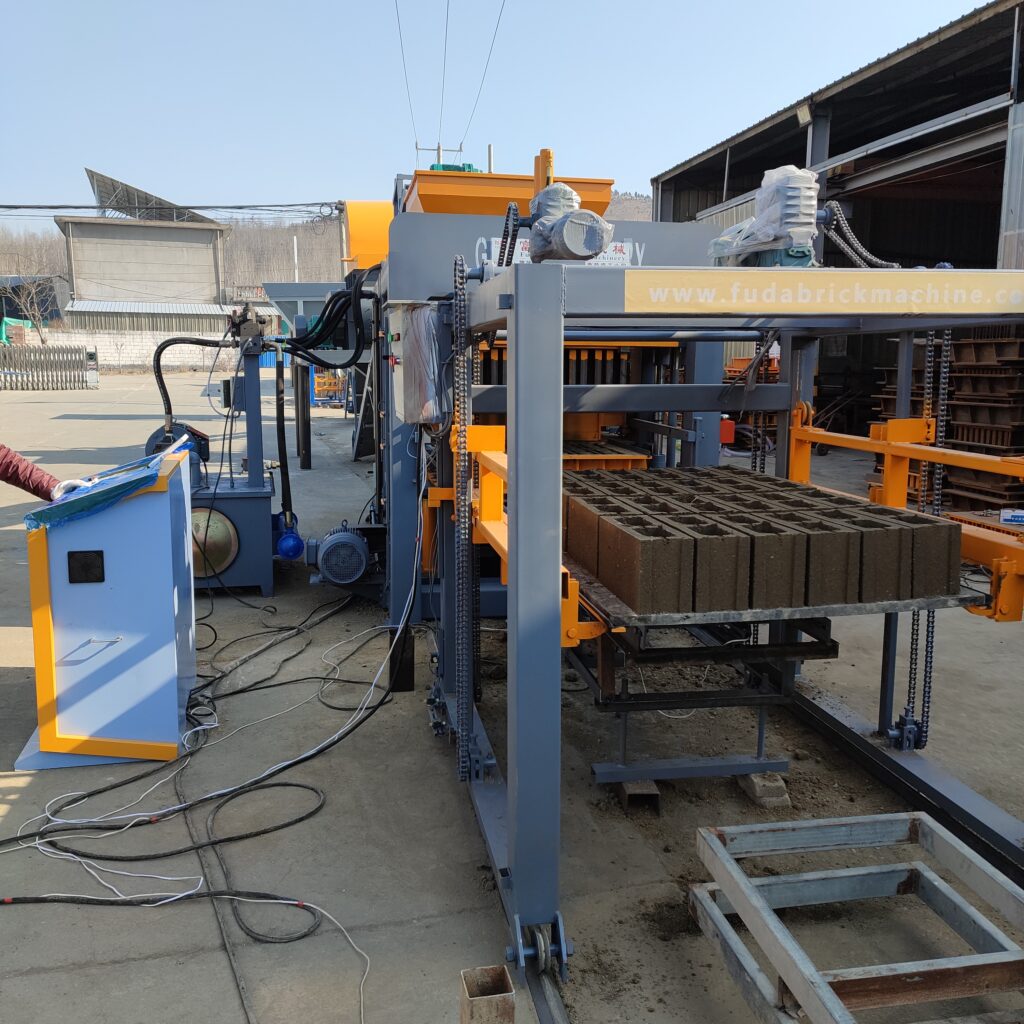
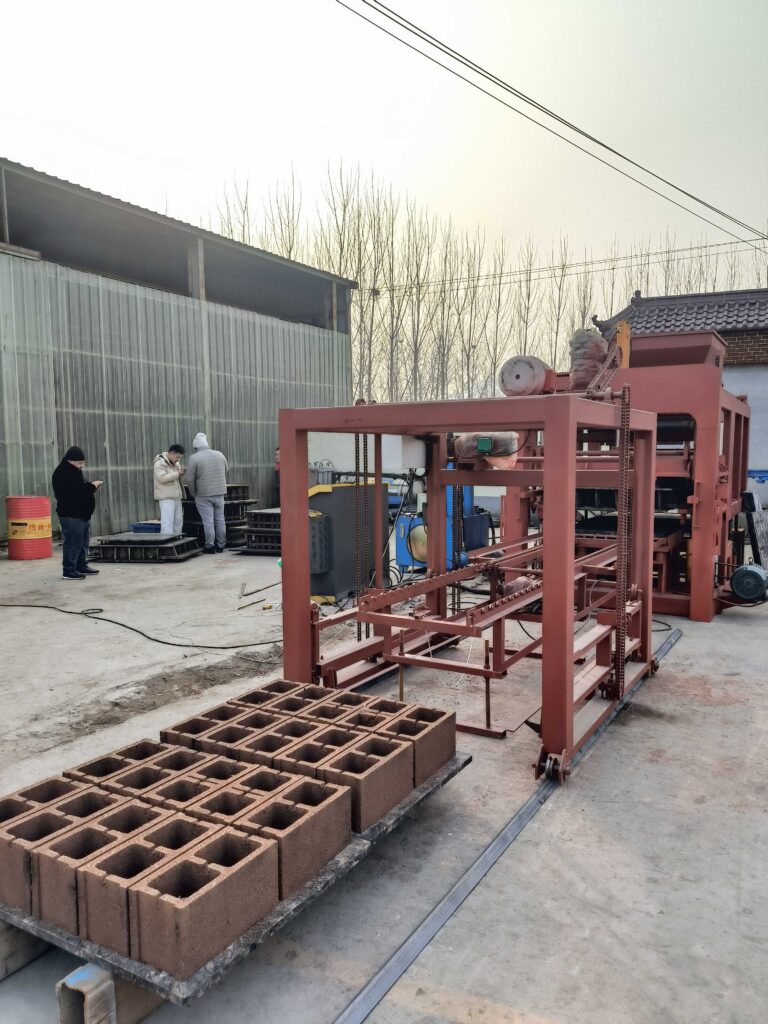
전 세계적으로 정부와 국제 기구들은 산업용 탄소 배출 및 에너지 소비에 대한 규제를 강화하고 있습니다. 탄소세, 배출권 거래제, 엄격한 효율 기준이 보편화되고 있습니다. 벽돌 제조업체의 경우 생산 기계가 주요 에너지 소비원이며, 유압 시스템, 모터 및 제어 장치에 상당한 전력이 소요되고 양생 공정에는 열에너지가 사용됩니다. 규제 준수는 더 이상 선택 사항이 아니며, 선견지명을 가진 장비 제조업체들은 생산업체가 이러한 기준을 충족할 뿐만 아니라 초과 달성할 수 있도록 지원하는 솔루션을 개발하고 있습니다. 이러한 규제 환경은 직접적인 하향 효과를 창출하여, 벌금을 피하고 운영 허가를 유지하려는 제조업체들에게 에너지 효율적인 기계가 최우선 과제가 되도록 만들고 있습니다.
경제적 고려 사항 및 총소유비용
환경 규제가 밀어주는 역할을 한다면, 근본적인 당김은 경제학에서 비롯됩니다. 벽돌 생산에서 에너지는 운영 비용의 큰 부분을 차지합니다. 에너지 가격 변동성이 증가함에 따라 소비를 줄이려는 재정적 유인이 압도적으로 커집니다. 유통업체와 조달팀에게 판매 스토리는 초기 구매 가격에서총 소유 비용 (TCO)에너지 효율적인 기계는 때로 더 높은 초기 투자가 필요하지만, 운영 수명 동안 현저히 낮은 운영 비용을 제공합니다. 이는 최종 사용자(벽돌 공장)에게 강력한 가치 제안을 제공하고, 딜러에게는 효과적인 판매 도구가 됩니다. 에너지 절감을 통한 명확한 투자 수익률(ROI)을 입증하면 구매 결정을 가속화하고 장기적인 고객 충성도를 구축할 수 있습니다.
지속 가능한 소재에 대한 시장 수요 진화
건설 산업의 최종 고객인 건축가, 개발업자, 주택 소유주들은 지속 가능성을 점점 더 중요시하고 있습니다. 건축 인증 및 친환경 건축 기준은 이제 재료의 제조 과정에 사용된 에너지를 포함한 내재 탄소를 고려하는 경우가 많습니다. 이에 따라 벽돌 공장들은 수익성 높은 시장에 접근하기 위해 더 '친환경적인' 벽돌을 생산할 방법을 모색하고 있습니다. 에너지 소비를 최소화하는 기계를 사용하면 각 벽돌의 탄소 발자국이 직접 낮아져 시장성을 높일 수 있습니다. 따라서 이러한 지속 가능한 생산을 가능케 하는 장비를 공급하는 것은 성장하고 있는 프리미엄 시장 부문과 직접적으로 연결됩니다.
기술적 경로를 통한 효율성 향상
기계 및 유압 시스템의 혁신
전통적인 벽돌 프레스의 핵심은 오랫동안 강력하지만 에너지 효율이 낮은 유압 시스템이었습니다. 차세대 기계에서는 이 부분에서 혁신적인 변화가 일어나고 있습니다.
- 가변 주파수 드라이브(VFD) 및 서보 기술:모터에 VFD(가변 주파수 드라이브)를 통합하면 장비가 생산 주기의 순간적인 수요에 정확히 전력 출력을 일치시킬 수 있어, 펌프와 모터의 낭비적인 지속 작동을 없앨 수 있습니다. 더욱 발전된 방식은 고효율 모터의 채택입니다.서보 전동 구동 시스템이러한 시스템은 유압 오일과 펌프를 정밀하게 제어되는 전기 서보로 대체하여 다짐 및 배출과 같은 작업을 수행합니다. 움직임 단계에서만 에너지를 소비하고 유압 열 손실을 제거하며 우수한 제어 기능을 제공하여 기존 유압 시스템에 비해 종종 30-60% 범위의 에너지 절감 효과를 냅니다.
- Optimized Hydraulic Circuit Design: For systems retaining hydraulics, innovations like load-sensing hydraulics, more efficient pump designs, and improved heat exchange and filtration systems reduce parasitic losses and improve overall system efficiency.
Advanced Control Systems and Smart Automation
Energy efficiency is no longer solely about hardware; it is increasingly driven by software and data.
- Intelligent Process Control: Modern programmable logic controllers (PLCs) and human-machine interfaces (HMIs) are equipped with algorithms that optimize the entire production cycle for minimal energy use. This includes intelligent sequencing of movements, optimized pressure curves, and automated standby modes during pauses.
- Predictive Maintenance and IoT Integration: The Internet of Things (IoT) enables real-time monitoring of energy consumption, motor loads, and system health. Predictive analytics can forecast maintenance needs, preventing small issues like worn seals or misalignments from causing gradual increases in energy draw. For dealers, this connectivity can also open new service revenue streams through remote monitoring and support contracts.
Thermal Efficiency in Curing and Drying Processes
For fired clay bricks or blocks requiring curing, the kiln or curing chamber is the most energy-intensive component. Advances here are profound.
- Improved Insulation Materials: The use of advanced ceramic fibers and refractory materials minimizes heat loss from kiln walls.
- Heat Recovery Systems: Sophisticated systems now capture waste heat from exhaust gases and reuse it to pre-heat combustion air or dry raw materials, dramatically improving overall thermal efficiency.
- Alternative Curing Methods: The adoption of autoclaved curing (using steam and pressure) for certain block types, and research into low-temperature or chemical curing processes, present pathways to reduce thermal energy demand significantly.
Material Science and Reduced Waste
Efficiency extends beyond direct energy use to the optimization of the raw material itself.
- High-Precision Forming: Modern machines produce bricks with exceptionally tight dimensional tolerances and consistent density. This uniformity leads to more efficient stacking in kilns, better heat transfer during curing, and fewer breakages—reducing the energy wasted on producing defective units.
- Adaptability to Alternative Raw Materials: Next-generation machines are being designed to handle higher percentages of recycled materials (like construction waste or fly ash) efficiently. Using these materials often requires less processing energy than virgin clay or cement, further lowering the embodied energy of the final product.
Strategic Implications for Distributors and Procurement Professionals
Portfolio Curation and Future-Proofing
For dealers and distributors, the energy efficiency trend demands a strategic review of supplied product lines. Partnering with equipment manufacturers who have a clear, R&D-driven roadmap for efficiency is crucial. The portfolio should increasingly feature machinery with demonstrable energy-saving credentials, certified by relevant performance standards. Offering a range from upgraded conventional systems to fully servo-electric solutions allows you to cater to different client budgets and transition stages.
Transforming the Sales and Value Proposition
The sales approach must evolve from discussing specifications in isolation to consulting on TCO and sustainability benefits. Sales teams need to be trained to conduct simple energy-audit comparisons between old and new technology, showcasing the payback period. Marketing materials should highlight energy performance data, certifications, and case studies of utility cost savings. Positioning your company as a provider of “future-ready, cost-saving solutions” rather than just “machines” builds a stronger brand.
After-Sales Service and New Revenue Models
Energy-efficient machinery often incorporates more sophisticated electronics and software. This raises the importance—and potential—of after-sales service. Offering maintenance contracts that include performance optimization, software updates, and connectivity services ensures the machinery operates at peak efficiency throughout its life. This creates a recurring revenue stream and deepens client relationships.
결론
The trajectory towards greater energy efficiency in brick production machinery is not a speculative trend but an established industrial reality. Driven by an inescapable trifecta of regulation, economics, and market demand, technological innovation is delivering tangible solutions that redefine performance benchmarks. From revolutionary servo-electric drives and intelligent control systems to heat-recovery kilns and precision forming, every aspect of the production line is being optimized for lower energy consumption. For distributors, dealers, and procurement specialists, this shift represents a significant opportunity. By aligning their portfolios with this efficient future, transforming their sales narratives to emphasize TCO and sustainability, and developing advanced service models, they can position themselves as indispensable partners to their clients. The choice is clear: embrace and lead in the era of efficient manufacturing, or risk being left behind with outdated technology. The efficient future of brick production is being built today, and it promises to be more profitable, sustainable, and resilient for all stakeholders in the supply chain.
FAQ
Q1: Won’t the higher upfront cost of energy-efficient machinery deter our price-sensitive customers?
A: This is a common concern. The key is to shift the conversation from purchase price to 총 소유 비용 (TCO). Provide detailed calculations showing how the significant reduction in monthly energy bills leads to a payback period often between 1-3 years. After that period, the savings go directly to the customer’s bottom line, making it a sound financial investment, not just an environmental one.
Q2: Are these new, efficient technologies (like servo-electrics) reliable and durable for harsh industrial environments?
A: Modern servo systems are engineered for industrial durability. They often have fewer wearing parts than complex hydraulic systems (no pumps, valves, or hydraulic oil prone to leaks and contamination). Their reliability is generally high, and because they generate less heat, component stress is reduced. Leading manufacturers design these systems with robust protection ratings for dust and temperature.
Q3: How can we, as distributors, verify the energy-saving claims made by equipment manufacturers?
A: Request certified test data from independent laboratories, not just internal marketing figures. Ask for detailed case studies with real-world energy consumption metrics from existing installations. Furthermore, encourage manufacturers to provide simulation or calculation tools that allow you to input local energy costs and production parameters to generate customer-specific savings estimates.
Q4: Does energy-efficient machinery require more specialized technician training for servicing?
A: Yes, there is a transition. While traditional mechanical and hydraulic knowledge remains valuable, technicians will need additional training in electromechanical systems, servo drive troubleshooting, and basic software/network diagnostics for control systems. Investing in this training is essential and offers a competitive advantage, allowing you to provide superior support.
Q5: Is the push for efficiency only relevant for large-scale manufacturers, or is it applicable for smaller plants as well?
A: It is relevant across scales. While the absolute savings are larger for big plants, the relative cost of energy can be a heavier burden for smaller operations. Many innovations, such as VFDs on standard machines or improved insulation for smaller kilns, are scalable and offer a quick ROI. The market demand for sustainable materials also affects suppliers of all sizes, making efficiency a universal selling point.